

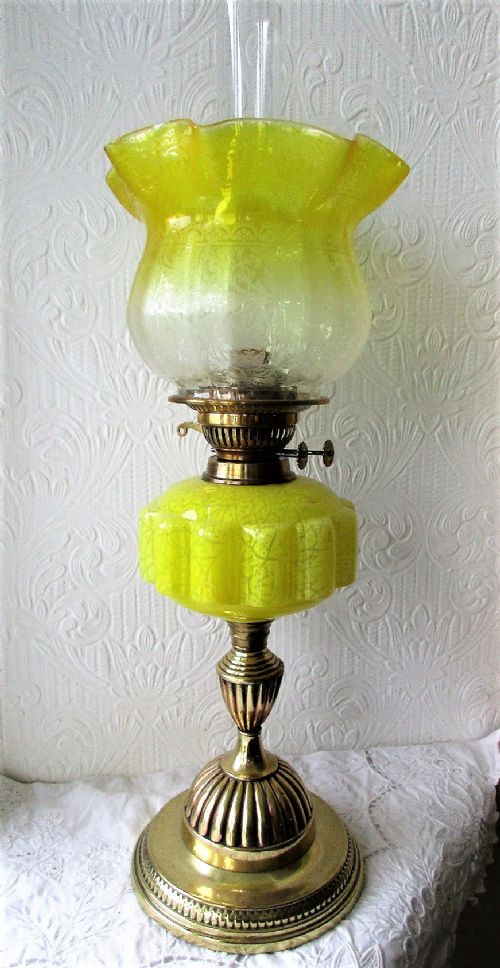


Ruffled Glass Table Lamp
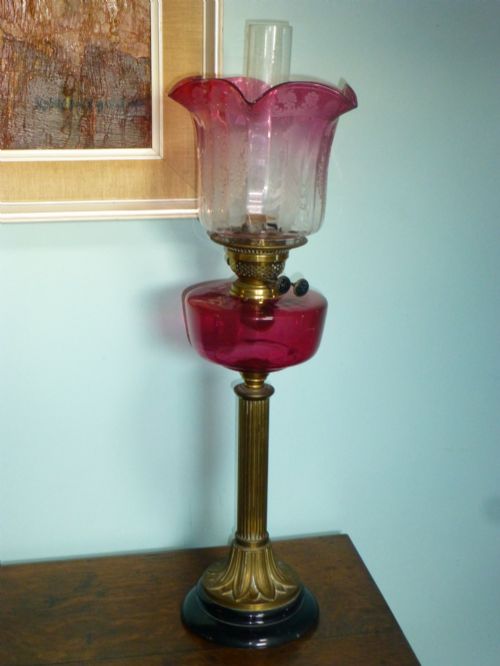
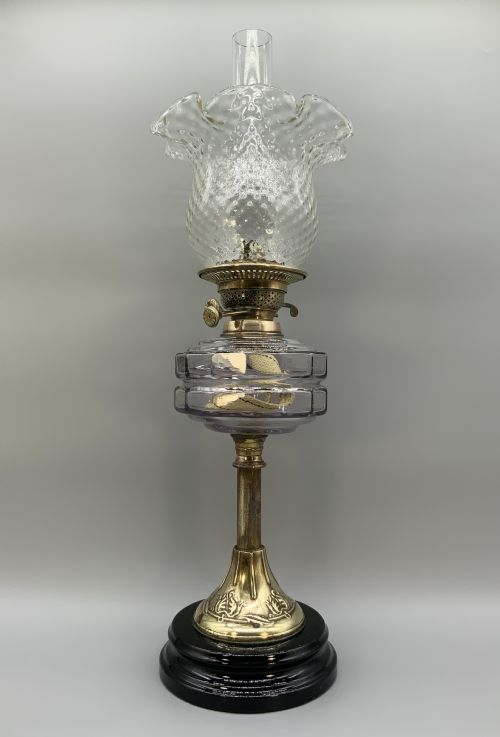
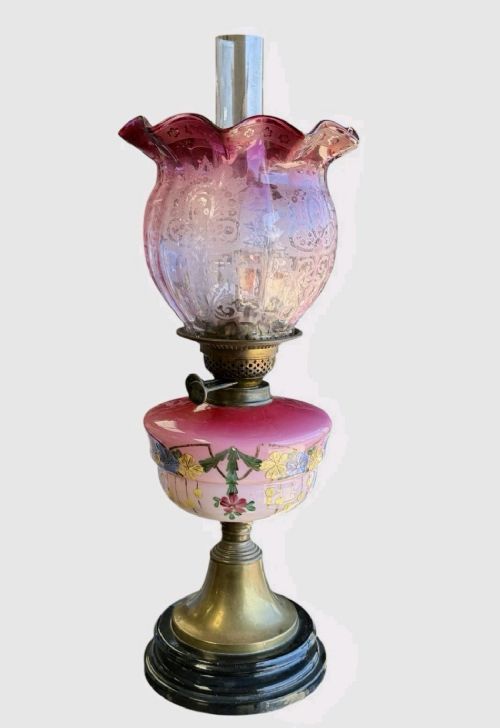
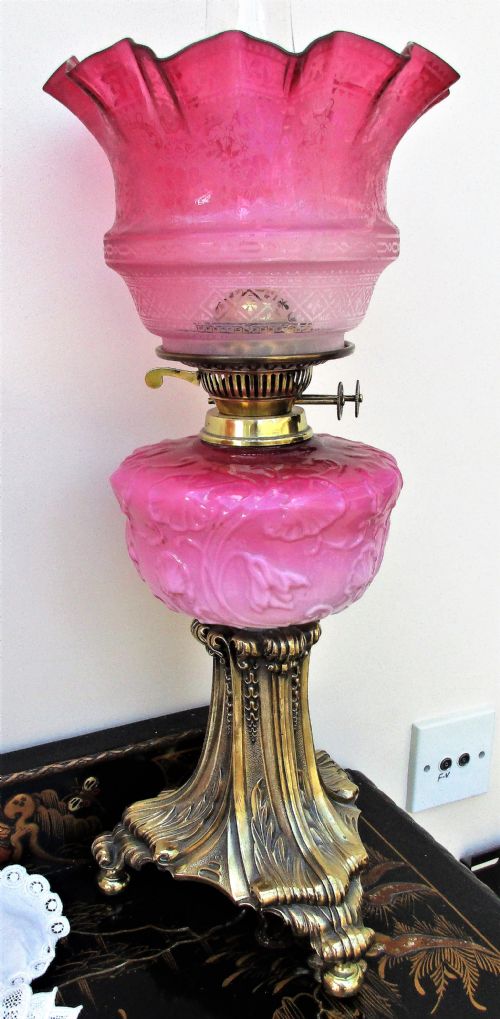
These ruffled glass table lamp examples combine glowing colour with heavy brass bases, offering the warm illumination that collectors prize.
Ruffled Glass Table Lamp
A ruffled glass table lamp brings together the decorative oil lamps of the nineteenth and early twentieth centuries, spanning the Victorian and Edwardian eras. These objects typically survive in forms such as tall duplex double burner designs and desk lamps.
The pieces on this page lean heavily towards nineteenth century and Victorian origins, alongside Edwardian and Art Nouveau examples. Makers shaped these items from materials including cranberry glass, pink glass, yellow glass, and hand-painted glass combined with brass and ceramic.
How they were made
Craftsmen built these lamps using heavy metal foundations of brass and cast iron, sometimes paired with slate. The fonts and shades utilised hand-blown glass, cut glass, and hand-painted glass.
The manufacturing process joined delicate cranberry or yellow glass reservoirs to sturdy metallic columns, often featuring twin-burning burners or duplex mechanisms.
Ruffled Glass Table Lamp Retail Price Guide 2026
Typical asking prices for ruffled glass table lamp among the pieces listed under this phrase on Sellingantiques today, from the lower quarter to the upper quarter. They describe what is for sale here now, not the wider market.
Listings span the nineteenth century, Victorian, and Edwardian periods, featuring materials such as brass, cranberry glass, ceramic, and slate.
What varies in quality
Quality rests in the weight of the metal base and the richness of the glass colouring. Superior examples display deep cranberry hues or intricate hand-painted botanical details across the font and shade.
The presence of twin burners and tall proportions distinguishes the finer productions from simpler desk variants. Finer items integrate brass elements with substantial glass bodies rather than lighter materials.
The Ruffled Glass Table Lamp Glossary
- Duplex burner
- A double-wick mechanism that produced a brighter flame in nineteenth-century lighting. These dual burners required wider fonts to supply oil to both wicks simultaneously.
- Cranberry glass
- A rich red-pink glass created by adding gold chloride to the molten batch. It gained immense popularity during the Victorian period for decorative tableware and lighting.
- Font
- The oil reservoir section of a lamp, positioned beneath the burner. In these pieces, the font is frequently formed from coloured or hand-painted glass.
- Art Nouveau
- A stylistic movement from around nineteen hundred characterised by organic, flowing lines. Lamps from this period often incorporated plant motifs and sinuous brass mounts.
Ruffled Glass Table Lamp: Frequently Asked Questions
How do I date a ruffled glass table lamp?
Dating relies on examining the materials, burner mechanisms, and stylistic markers present in the construction. Victorian examples often feature deep cranberry glass and heavy brass, while Edwardian pieces can show lighter desk lamp forms or later artistic influences.
Changes in metalworking techniques and glass colours help narrow the decade of manufacture. Comparing the burner type against known nineteenth-century patents also provides a reliable guide.
Were these lamps originally used with oil?
Yes, these items served as domestic lighting before the widespread adoption of electricity. They burned paraffin or kerosene in internal fonts connected to burners and fabric wicks.
Many surviving pieces retain their original brass burners and galleries. Collectors frequently adapt them for modern electrical use while preserving the historic glass and metal components.
What is cranberry glass?
Cranberry glass is a transparent red-pink glass produced through the introduction of gold into the molten mixture. It became a defining material for Victorian decorative objects and oil lamps.
The depth of the pink colour varies depending on the gold concentration and the skill of the glassblower. It remains one of the most recognisable glass types from the nineteenth century.
How do I clean an antique glass lamp?
Cleaning requires gentle handling of both the delicate glass shades and the aged brass or silver-plated metal bases. Warm water and mild soap suffice for glass surfaces, avoiding harsh abrasives that might damage hand-painted details.
Metal parts benefit from minimal intervention to preserve their natural patina. Strong chemical polishes should be avoided on historic brass and bronze finishes.