



Ruby Glass Lamps
Ruby glass lamps bring a rich, deep crimson glow to a room, catching the light through various periods and forms.

Ruby Glass Lamps
Ruby glass lamps encompass oil lamps, peg lamps, candle lamps, and table lamps originating from the eighteenth, nineteenth, and early twentieth centuries. The selection includes Victorian and Edwardian examples alongside pieces from Bohemian workshops.
Most entries feature distinct glass components such as shades, fonts, or arms combined with brass, silver-plated metal, or wrought iron. Buyers encounter complete lighting fixtures as well as individual parts and candle holders.
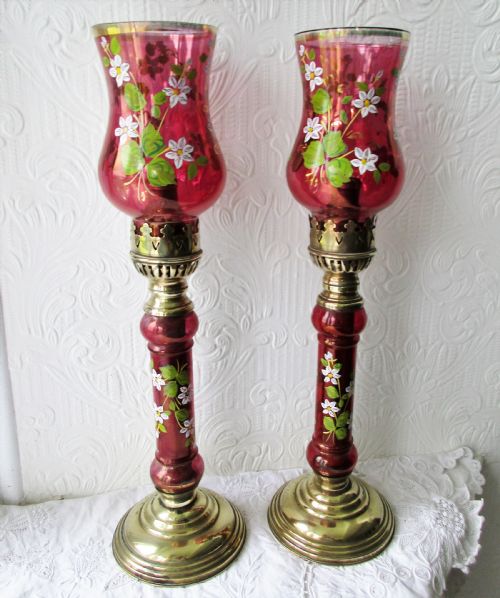
The style ranges from plain coloured glass to heavily decorated pieces featuring etching, gilding, enamel, and hunting themes. Many functional oil lamps from the period have been converted to electricity for modern use.
How they were made
The material combines glass, often referred to as ruby or cranberry glass, with brass, wrought iron, and silver plating for the structural and mounting elements. Artisans utilised gold leaf and enamel for surface decoration.
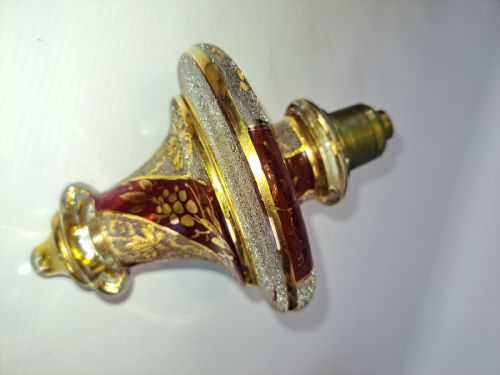
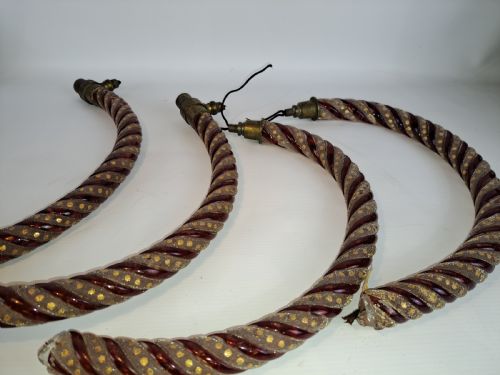
Techniques recorded in the pieces include etching and gilding directly onto the red glass surface, alongside metalworking for brackets, bases, and chandelier arms. Mounts and collars secure the glass reservoirs to metal stands.
Several matched pairs feature hand-painted hunting themes running around the crimson glass reservoirs.
What varies in quality
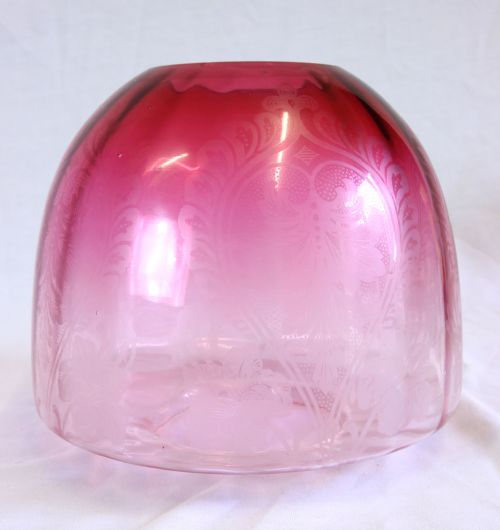
Quality depends on the depth and consistency of the red colouration in the glass, together with the crispness of any etched or gilded detailing. Bohemian pieces often show intricate hand-applied gilding and precise acid etching.
The weight and finish of the brass or metal components, such as the casting of candle-lamps and table lamp bases, determine the overall solidity and period character of the item.
The Ruby Glass Lamps Glossary
- Peg lamp
- A small oil lamp fitted with a narrow metal peg at the base designed to drop directly into a candlestick or wall bracket.
- Cranberry glass
- A transparent pinkish-red glass created with gold chloride. The listings include various shades and forms of this material.
- Etched glass
- Glass decorated by applying acid to eat away the surface design. This technique reveals frosted or clear patterns against the ruby body.
Ruby Glass Lamps: Frequently Asked Questions
How do I wire an old oil lamp?
Many wall-mounted and table oil lamps from the Victorian era undergo conversion to electricity to function safely in modern homes.
Qualified electricians typically run internal wiring through the original burner collars or brass fonts without damaging historical components.
What is a peg lamp used for?
Peg lamps served as flexible lighting sources that fit securely into existing candlesticks, sconces, or dedicated wall brackets.
This design allowed households to move the ruby glass reservoir from room to room as needed.
How do I clean ruby glass?
Cleaning requires warm water and mild soap applied with a soft cloth to protect delicate gilded and etched surfaces.
Harsh abrasives and chemical cleaners must be avoided to preserve the gold leaf and enamel details.
Are these lamps Victorian?
The selection spans several nineteenth-century periods, including Victorian, Edwardian, and earlier eighteenth-century Bohemian pieces.
Matching the mounting style, brasswork, and glass etching helps determine the specific era of manufacture.