

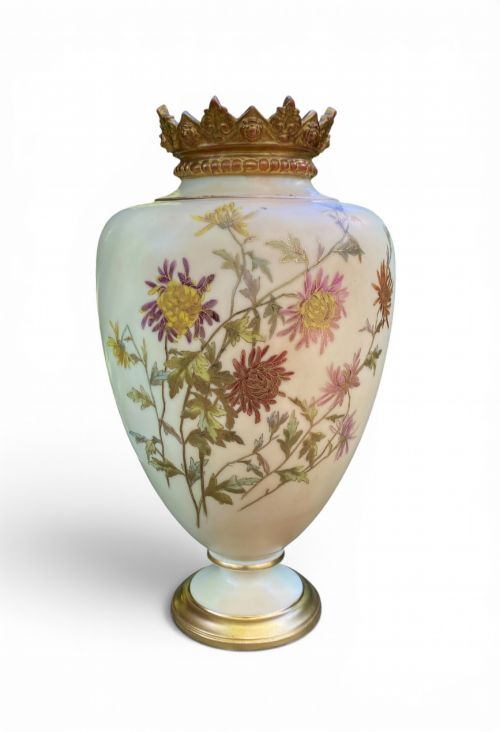

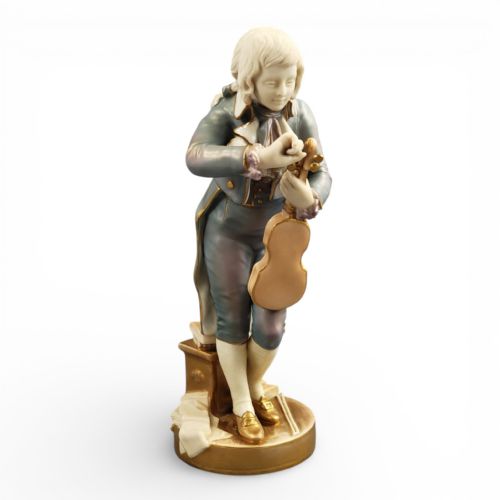


Royal Worcester Collectible
Royal Worcester collectible pieces bring painted fruit, bone china figures and cabinet plates into the home from Victorian times through the mid-twentieth century.
Royal Worcester Collectible
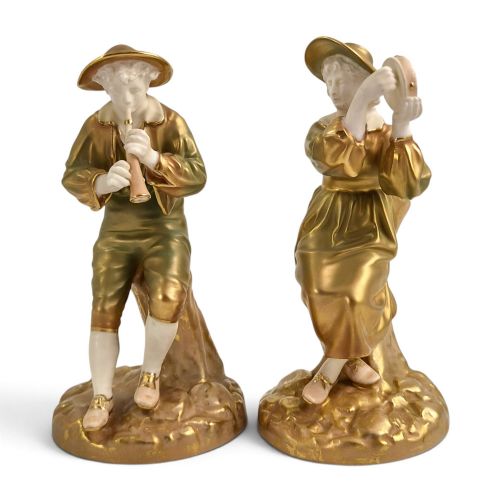
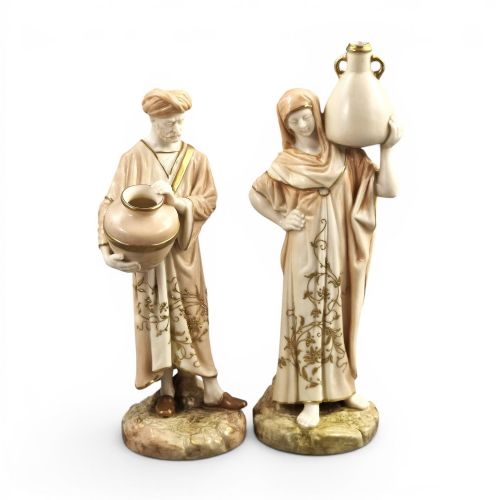
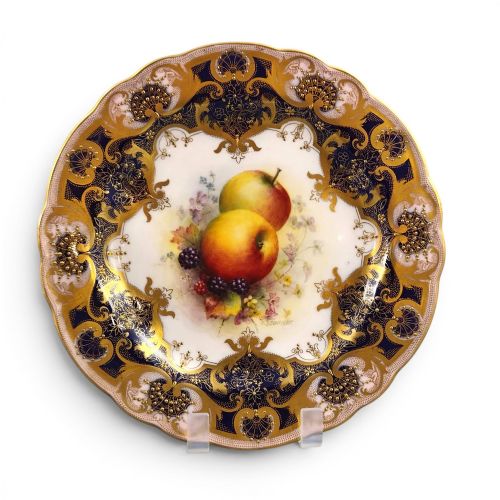
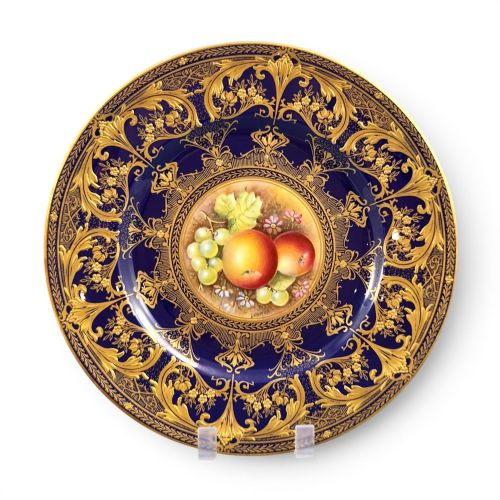
Royal Worcester collectible items encompass a diverse range of porcelain objects spanning from the nineteenth century into the mid-twentieth century. When searching for a royal worcester collectible, buyers encounter refined forms including cabinet plates, vases, figurines, jugs and candle snuffers.
Vessels decorated with naturalistic scenes, such as cattle and sheep, sit alongside traditional figurines and floral plates. This span of forms reflects the factory's long-standing output across multiple aesthetic movements.
How they were made
Makers utilised porcelain and bone china as the primary body for these items, applying glazed surfaces to form the smooth base for subsequent decoration. Craftsmen then employed enamel and gilding, incorporating gold leaf and gold gilding to highlight borders and motifs.
Surface ornamentation involved detailed hand-painting by notable artists, capturing subjects ranging from delicate fruit to rural landscapes with cattle and sheep. These painted elements were fixed through firing before finishing touches of gilt were added.
Royal Worcester Collectible Retail Price Guide 2026
Typical asking prices for royal worcester collectible among the pieces listed under this phrase on Sellingantiques today, from the lower quarter to the upper quarter. They describe what is for sale here now, not the wider market.
Tiny ceramic figures shaped like historical characters double as practical tools for putting out the bedroom candle.
What varies in quality
Quality rests upon the skill of the artist and the complexity of the painted subject matter. Hand-painted fruit studies and detailed animal scenes by recognised painters command greater attention than standard floral patterns.
The precision of the gilding and the crispness of the porcelain modelling also determine the distinction of a piece. Finer items display meticulous brushwork and balanced composition across vases, plates and figurines alike.
James Hadley·Richard Sebright·Harry Stinton·James Stinton·Freda Doughty
The Royal Worcester Collectible Glossary
- Blush ivory
- A soft, matte cream-coloured porcelain finish popular during the late nineteenth and early Edwardian periods, often serving as a background for gilt and enamel floral decoration.
- Cabinet plate
- A decorative ceramic plate intended for display in a cabinet or on a wall rather than for practical dining use, frequently featuring elaborate painted scenes.
- Candle snuffer
- A small ceramic figure with a hollow interior and a handle, designed to extinguish candle flames by placing the hood over the wick.
- Tyg
- A drinking vessel featuring multiple handles, rendered in miniature form in porcelain for decorative display or collection.
- Pot pourri vase
- A lidded ceramic vessel pierced with holes to release the scent of dried flower petals held within.
Royal Worcester Collectible: Frequently Asked Questions
How do I date a royal worcester collectible?
Dating relies on the factory's printed and impressed date codes found on the underside of the porcelain. These symbols and letter codes correspond to specific years of manufacture from the Victorian era onwards.
Style, signature evidence and period characteristics also assist in establishing the approximate decade of production when date marks are worn or absent.
Are painted fruit pieces more desirable?
Items featuring hand-painted fruit compositions by named artists hold a prominent place among collectors. These detailed studies require exceptional painterly skill.
Consequently, cabinet plates and jars decorated with fruit often attract significant interest compared to standard floral designs.
What are candle snuffers used for?
Candle snuffers serve to safely extinguish burning candles by placing the ceramic hood over the flame to cut off oxygen. In modern settings, they function primarily as decorative display objects.
Victorian and Edwardian examples often take the form of modelled character figures, making them popular cabinet pieces.
How should I display cabinet plates?
Cabinet plates suit display within glass-fronted display cabinets or mounted securely on walls using appropriate plate hangers. This protects the painted surfaces and delicate gold gilding from dust and accidental impact.
Keeping them away from direct sunlight preserves the vibrant enamel colours over time.