

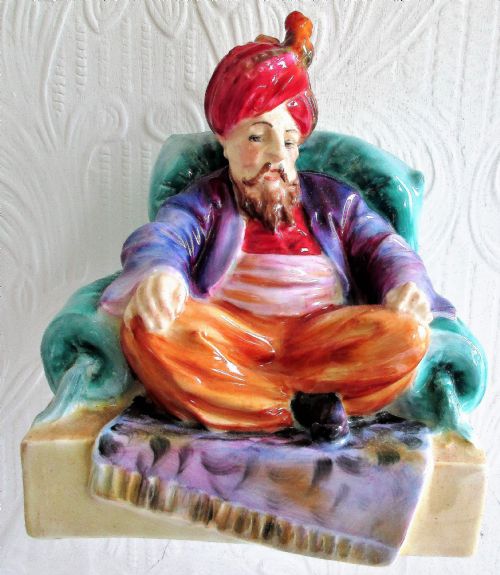


Royal Doulton Statue
A royal doulton statue brings tangible character to a room, offering the distinct modelled forms of earlier decades.
Royal Doulton Statue
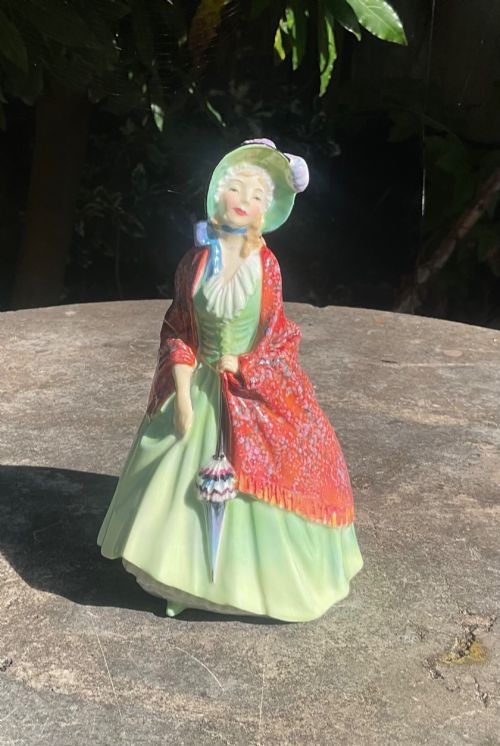
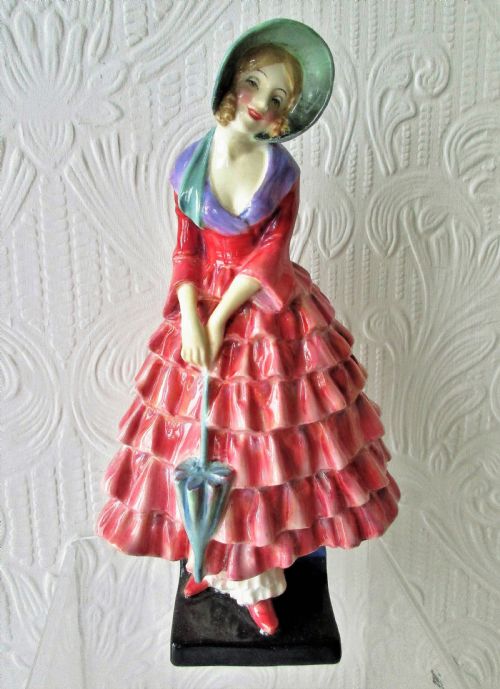
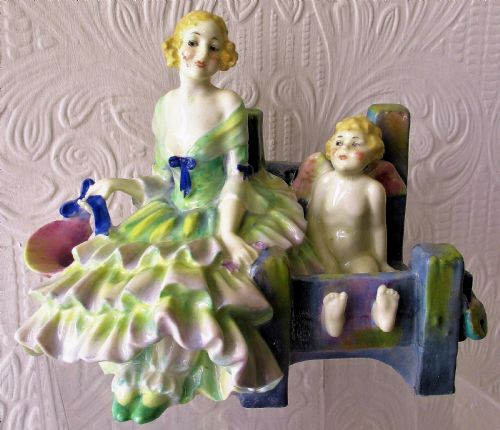
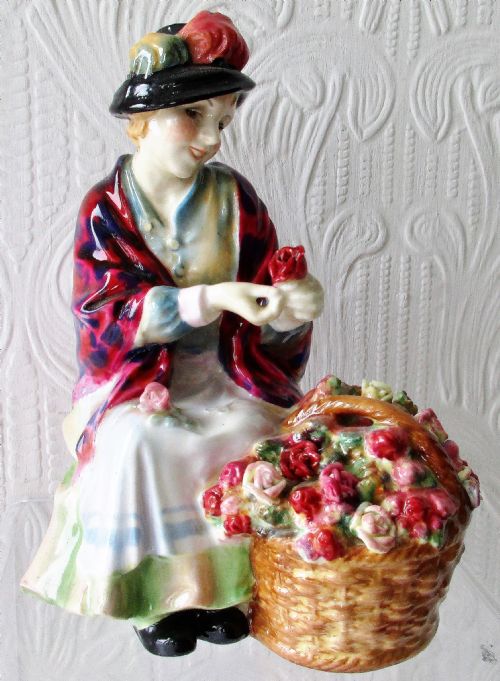
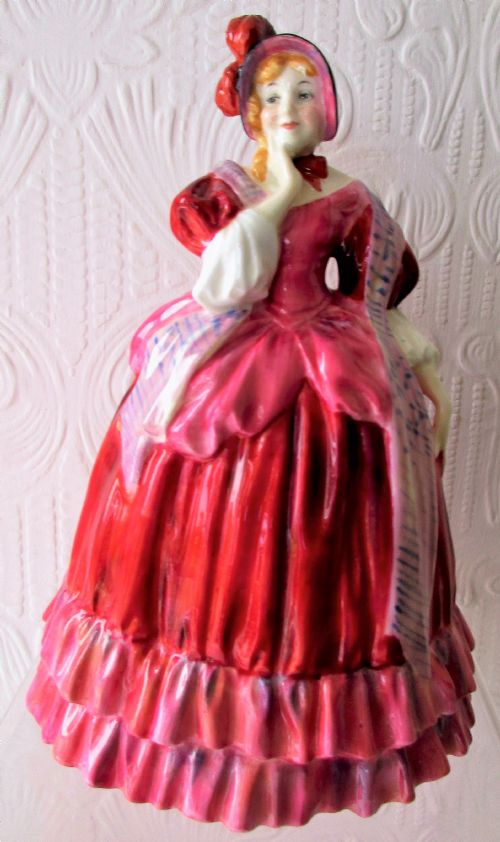
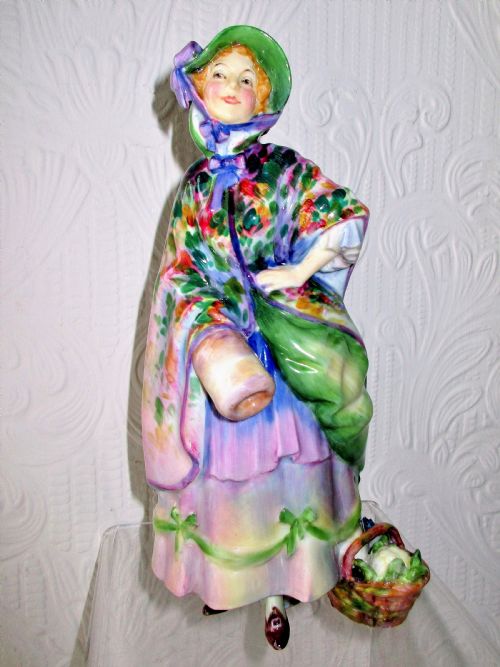
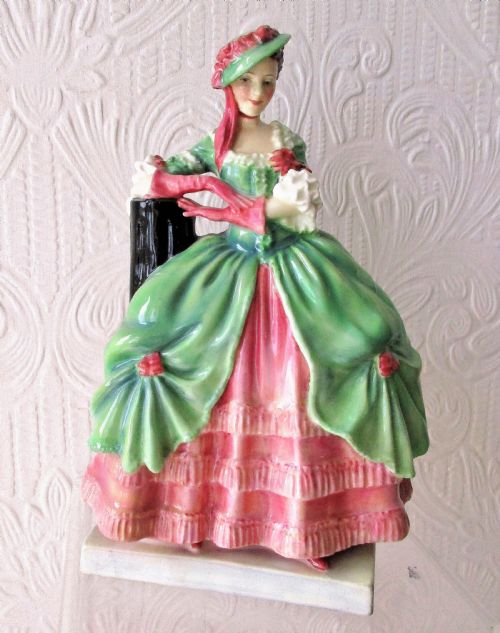
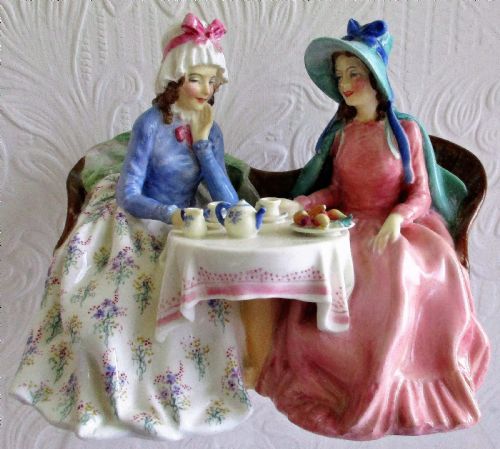
A royal doulton statue on this page typically takes the form of a porcelain figurine modelled during the 1930 and 1940 periods. These pieces represent named figures such as Chloe, Priscilla, and Molly Malone, each bearing specific HN numbers recorded in the listings.
The objects span Art Deco and mid-century decorative styles, showing the distinct dress and posture favoured by modellers of the era. Most examples seen here originate from English production, reflecting domestic ceramic traditions of the early twentieth century.
Buyers encounter both standard production pieces and particular variants, such as the first year version of The Paisley Shawl. These figures serve primarily as decorative items rather than utilitarian objects, designed to sit on mantelpieces and display shelves.
Materials and construction
Production relies on bone china, porcelain, and glazed porcelain, shaped into complex figural forms. Ceramic glaze gives each surface its protective finish, sealing the underlying clay body.
Characters like Dolly Vardon and Molly Malone bring spirited Victorian literary and ballad personalities directly onto the ceramic shelf.
Judging quality and execution
The application of the glaze and enamel affects the visual depth of the piece, with superior specimens showing clean colour separation and an even, glossy finish. Early versions and specific production years can also influence collector interest independently of the basic form.
Royal Doulton
The Royal Doulton Statue Glossary
- Bone china
- A type of soft-paste porcelain containing bone ash, known for its high strength and milky white appearance. It forms the body of many mid-century English figures.
- Ceramic glaze
- A vitrified layer or coating of a vitreous substance fused to a ceramic body by firing. It provides impermeability to liquids and adds a glossy sheen.
- Enamel
- A decorative glassy substance melted onto ceramic surfaces at high heat to add colour. It is used for fine details like eyes, lips, and patterned textiles.
- HN number
- The numbering system used by the pottery to catalogue its figures and decorative designs. Collectors use these digits to verify the specific model and production period.
Royal Doulton Statue: Frequently Asked Questions
How do I identify a specific model?
Each piece is typically identified by a specific name and an associated HN number, such as Chloe or HN 1479.
These alphanumeric codes correspond to factory records detailing when the design was first introduced and produced.
Where were these statues made?
The items originate from English potteries working within established domestic ceramic traditions.
They reflect the regional skills of modellers and painters operating during the early twentieth century.
How should I display a porcelain figurine?
These decorative objects suit stable display surfaces such as mantelpieces, cabinets, or dedicated shelving units.
Positioning them away from high-traffic edges helps protect their delicate glazed and enamelled porcelain structures.