

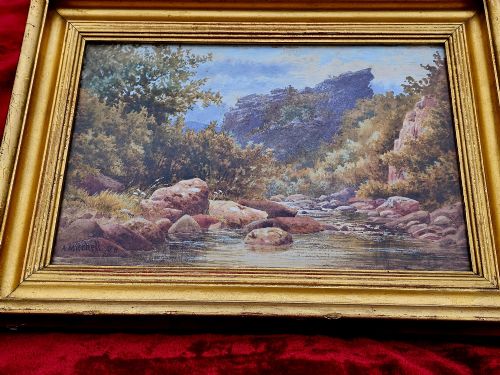
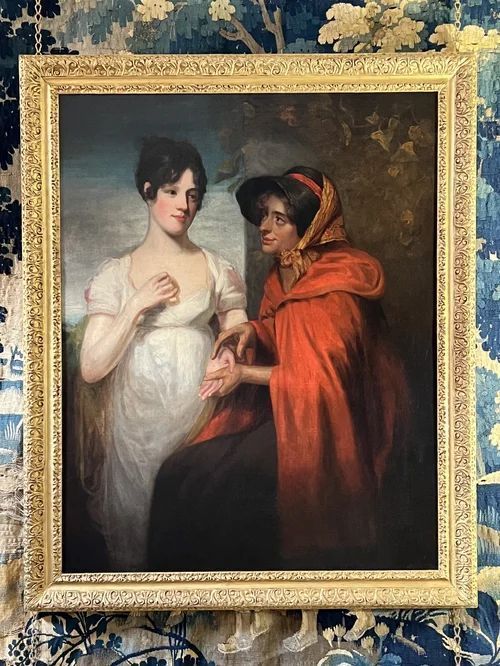


Royal Academy Artist Artwork
These royal academy artist artwork pieces bring centuries of British painting and drawing heritage directly to your walls.
Royal Academy Artist Artwork
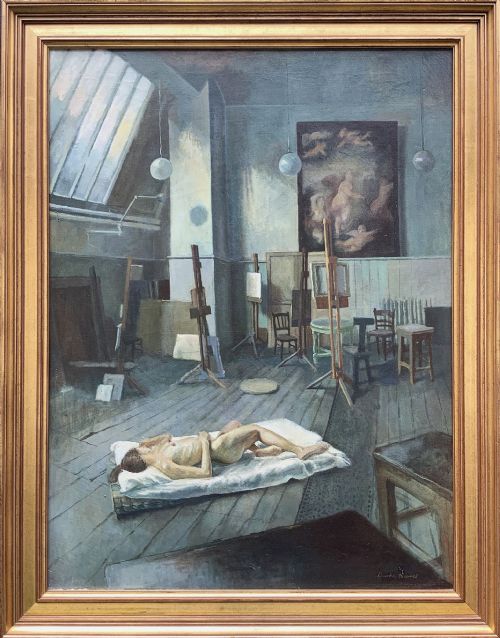
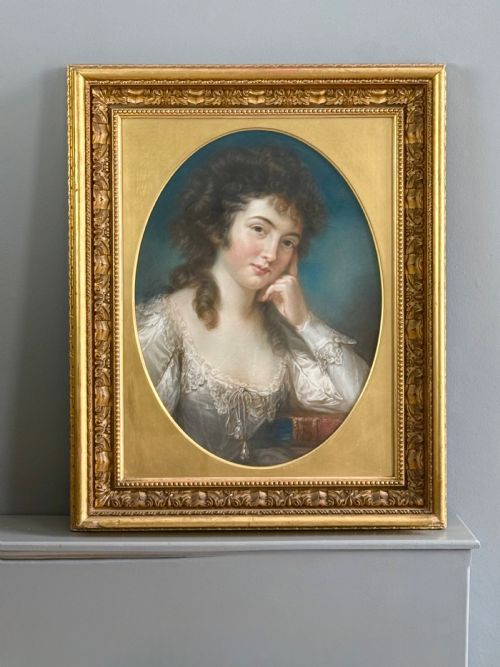
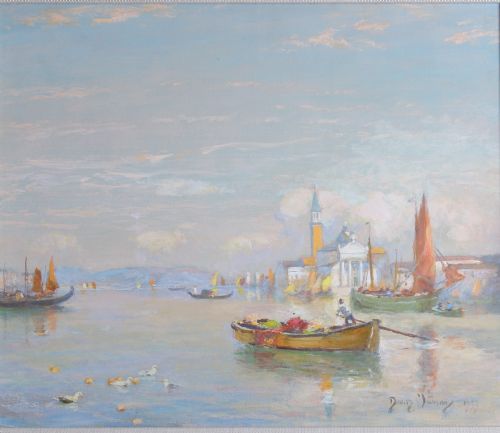
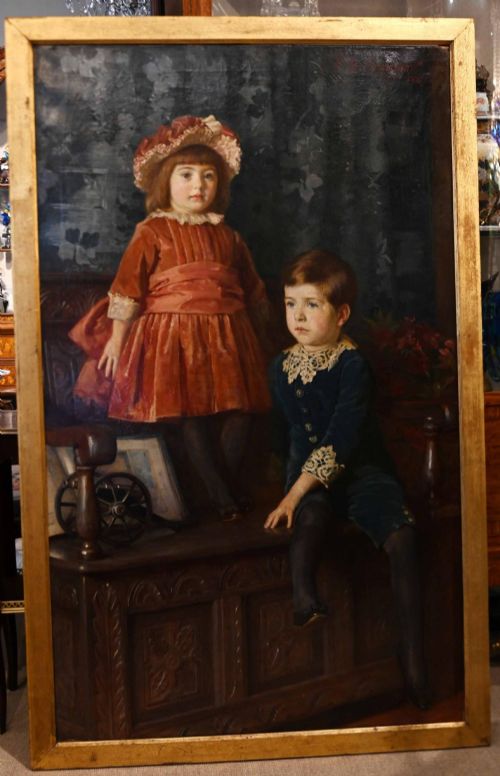
When you search for royal academy artist artwork, you are looking at paintings, watercolours, miniatures, and drawings connected to elected members of the institution. These works span from the eighteenth century through the nineteenth and twentieth centuries, capturing portraits, landscapes, and genre scenes.
You are most likely to meet nineteenth-century oil paintings on canvas and twentieth-century watercolours or pastels within these listings. The selection ranges from large studio landscapes to intimate portrait miniatures and pen drawings.
The periods represented stretch from the seventeenth-century records up to post-war British realism and twentieth-century modernism. Each piece carries the technical accomplishment expected of artists accepted into this established British body.
How they were made
Artists working within this tradition relied primarily on oil paint applied to canvas or wood boards to achieve depth and texture in landscapes and portraits. Watercolours on paper and pastel drawings also feature prominently, allowing for lighter, more immediate studies.
Many of these works are housed in traditional gilt wood frames that complement the period of the painting. The technical execution relies on established academic drawing standards, whether handling a large studio interior or a delicate miniature portrait.
Royal Academy Artist Artwork Retail Price Guide 2026
Typical asking prices for royal academy artist artwork among the pieces listed under this phrase on Sellingantiques today, from the lower quarter to the upper quarter. They describe what is for sale here now, not the wider market.
What varies in quality
The strength of a piece rests on the confidence of the brushwork and the clarity of the composition, distinguishing hurried sketches from fully realised exhibition pieces. Subject matter also plays a role, with complex figurative scenes or notable landscapes commanding greater visual interest.
Condition and originality dictate the standing of an artwork, particularly the preservation of the original oil pigment or watercolour vibrancy. The quality of the framing and the presence of documented artist correspondence further elevate the standing of individual works.
JOHN OPIE R.A·George Vicat Cole·Benjamin Williams Leader RA·Susie Lassam RMS RA·Ronald Ossory Dunlop RA·Joseph Farquharson RA·SIR HERBERT HUGHES-STANTON·Joseph Farrington RA·Thomas Creswick RA·Dame Laura Knight R.A·Reginald Grange Brundrit R.A·Aubrey Sykes RA·Peter Greenham
The Royal Academy Artist Artwork Glossary
- Oil on Canvas
- Pigment mixed with drying oil applied to a woven fabric support stretched over a wooden frame. This medium allowed artists to build rich layers of colour and texture.
- Watercolour Painting
- Pigments suspended in a water-soluble vehicle applied to paper. It is prized for its luminous transparency and direct application.
- Miniature Portrait
- A small-scale painting executed with fine detail, often depicting a specific sitter. These works required immense precision, frequently utilising specialist supports.
- Genre Painting
- Depictions of scenes from everyday life involving ordinary people. These works often tell a narrative story through domestic or social settings.
- Pastel
- A dry medium composed of powdered pigment and a binder, rubbed directly onto paper. It yields velvety textures and immediate colour saturation.
Royal Academy Artist Artwork: Frequently Asked Questions
What defines a royal academy artist?
These are painters and draughtsmen who gained formal recognition and membership within the premier British art institution through election by their peers.
Their works represent the prevailing academic standards and stylistic shifts across several centuries of British art history.
How should I display an oil painting?
Keep oil paintings away from direct sunlight and fluctuating humidity to protect both the canvas support and the traditional pigment layers.
Ensure the piece hangs securely in a room with stable environmental conditions to preserve the integrity of the canvas and frame.
Are watercolours sensitive to light?
Works on paper require careful placement away from intense natural light to prevent the fading of delicate pigments over time.
Using conservation-grade glazing helps shield watercolours and drawings from ultraviolet exposure while displayed in your home.
How do I identify the period of a painting?
Examine the materials used, such as the weave of the canvas, the composition of the frame, and the style of the brushwork.
Signatures, artist dates, and recorded exhibition histories often provide definitive markers for dating an artwork accurately.