


Round Wooden Wine Table
A round wooden wine table brings compact utility and traditional craftsmanship to any corner of a room.
Round Wooden Wine Table
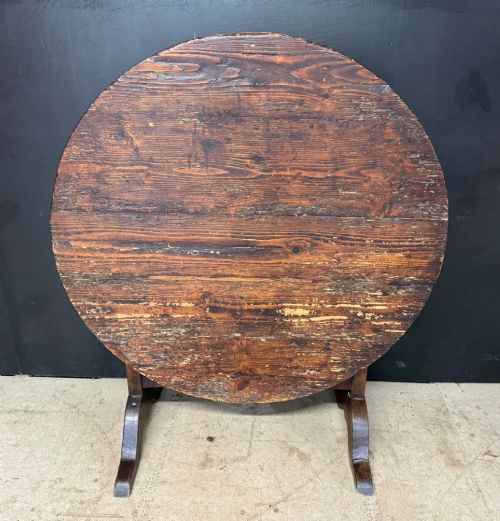
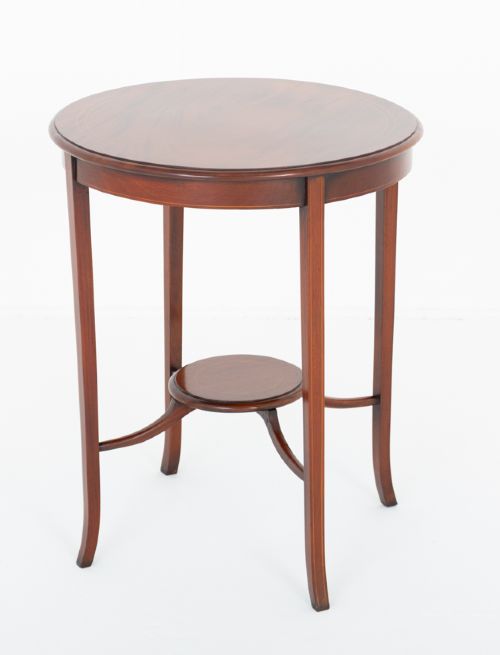
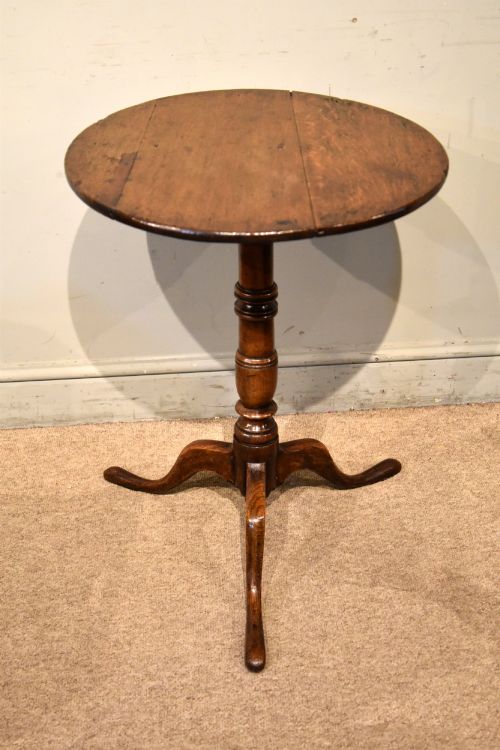
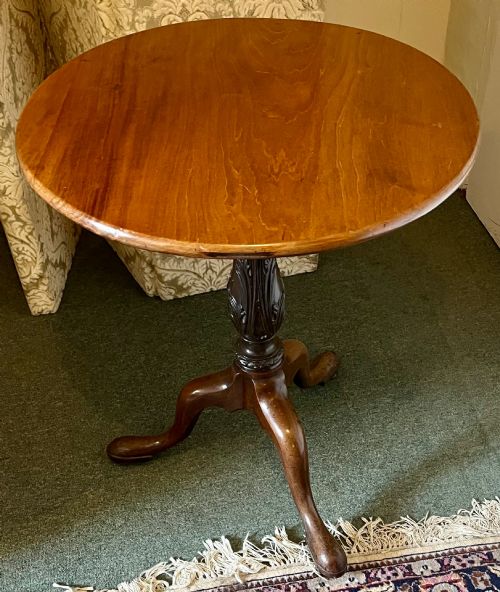
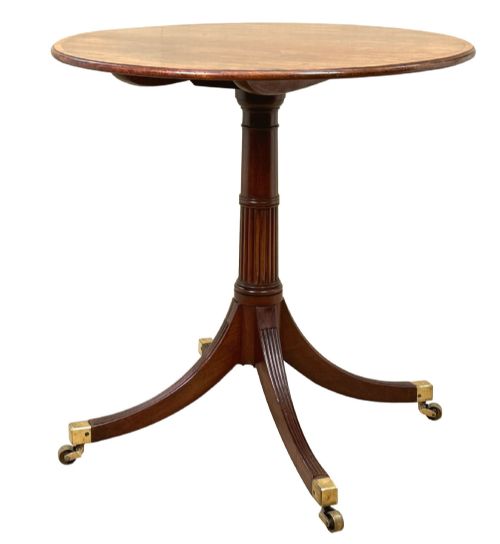
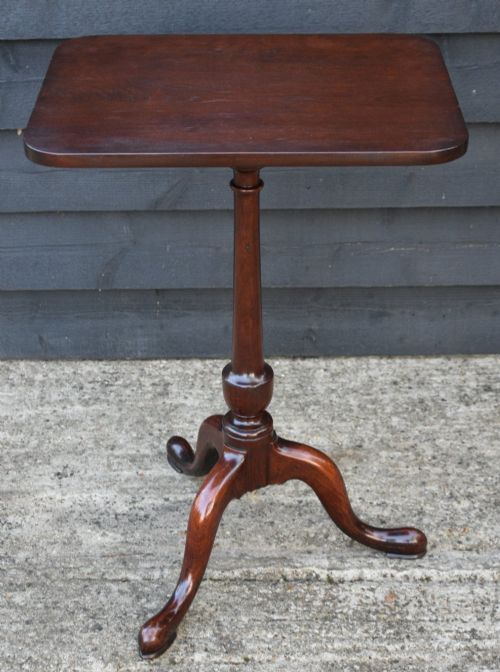
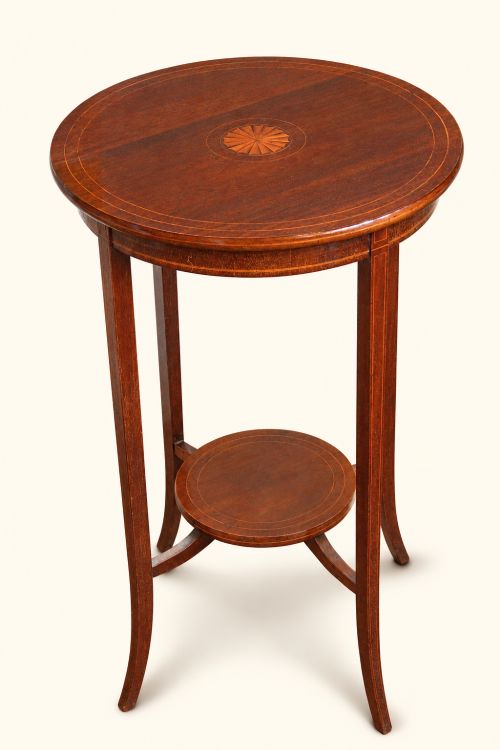
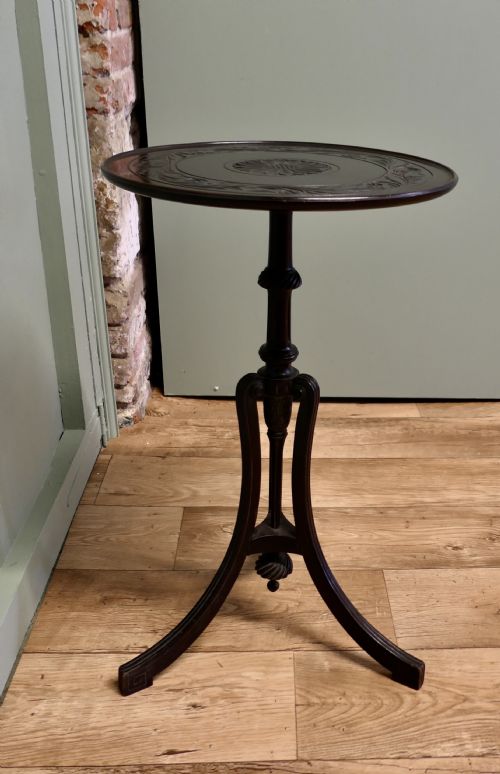
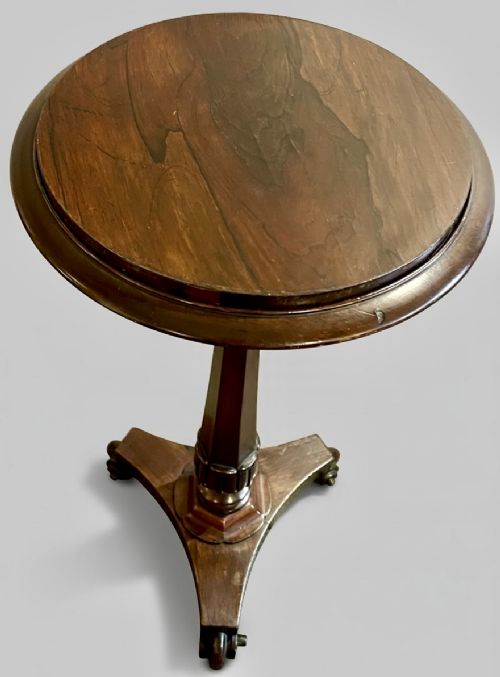
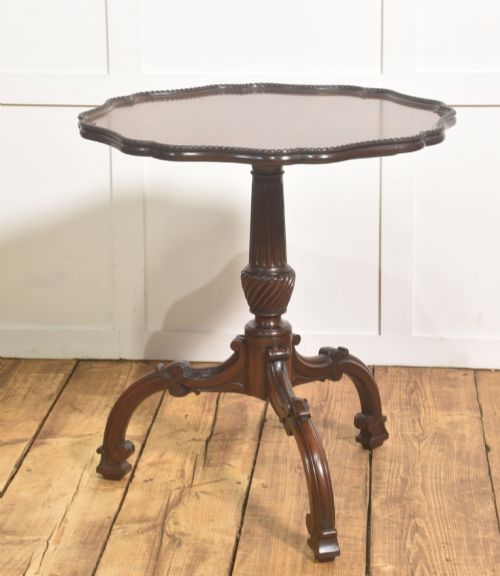
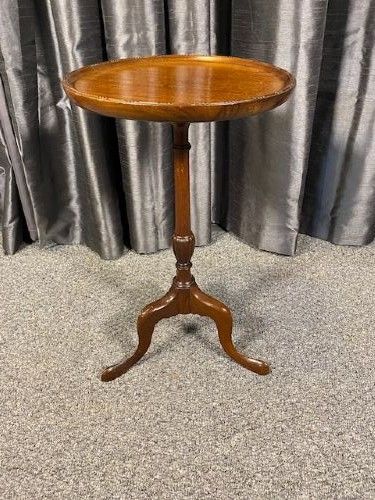
A round wooden wine table serves as a versatile piece for resting glasses, lamps or small decorative items within domestic spaces. These small tables span several eras, including the Georgian, Victorian and Edwardian periods, appearing frequently in forms such as tripod bases and tilt-top designs.
Materials and Construction Methods
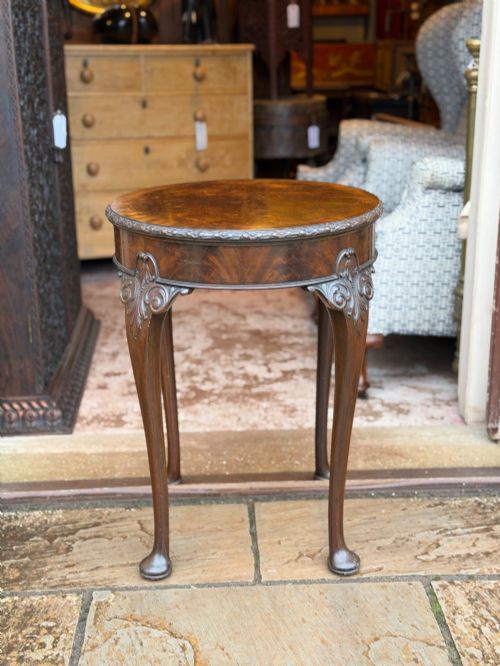
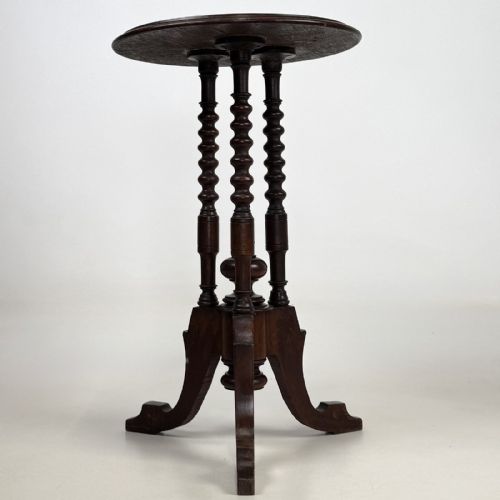
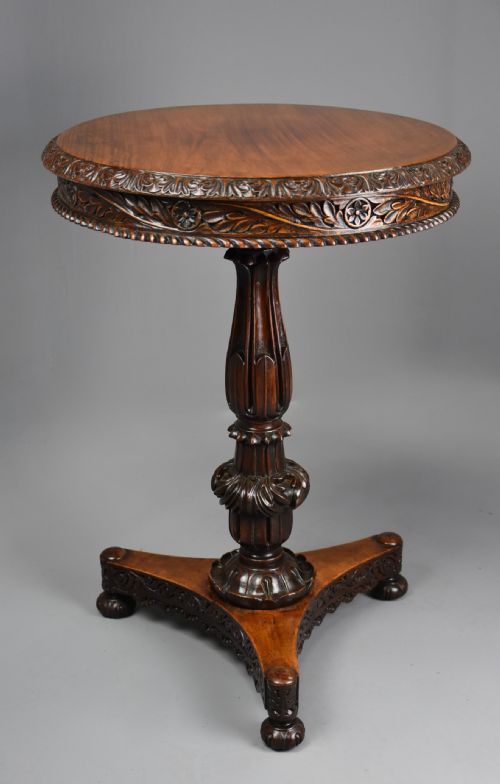
Cabinet makers relied heavily on hardwoods such as mahogany, oak, walnut and yew wood to construct these durable small tables. Solid timber and burr veneers featured prominently, supported by turned central pedestals and three-legged tripod bases.
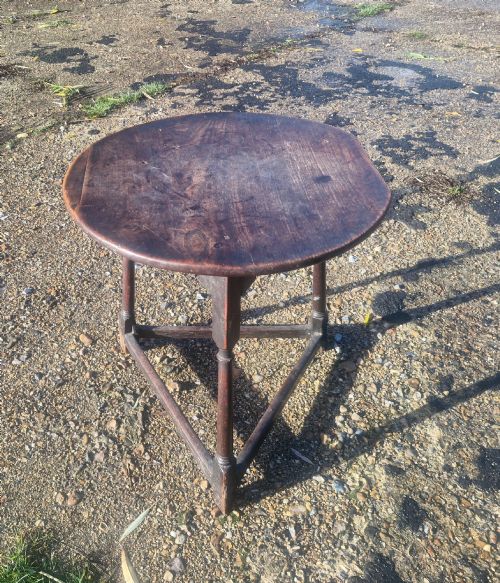
Joinery techniques included pegged joints on earlier cricket tables and secure central pillar mountings on later tilt-top examples. Turned elements like barley twists and carved tripod legs demonstrate the manual skills applied during construction.
Round Wooden Wine Table Retail Price Guide 2026
Typical asking prices for round wooden wine table among the pieces listed under this phrase on Sellingantiques today, from the lower quarter to the upper quarter. They describe what is for sale here now, not the wider market.
Some industrious Victorian diners clearly appreciated a folding coaching table for impromptu afternoon tea in the garden.
Evaluating Quality in Construction and Materials
Superior examples distinguish themselves through the selection of well-figured timber, such as dense mahogany or burr oak, and the precision of the turning on pedestals and legs. The integrity of the tilt-top mechanism and the snugness of the joints indicate the original maker's standard of work.
Tables displaying balanced proportions, substantial timber weight without clumsy execution, and well-preserved patination sit at the higher end of the range. Simpler vernacular items rely on honest country construction rather than refined cabinet making.
Liberty of London
The Round Wooden Wine Table Glossary
- Tripod table
- A small freestanding table supported by a central pillar resting on three legs. This design provides stable placement on uneven floors.
- Tilt-top
- A tabletop hinged to the central pedestal so it can be tipped vertically when not in use. This mechanism allowed tables to be stored flat against a wall.
- Cricket table
- A small, lightweight occasional table featuring three splayed legs and a circular top. These typically date from the eighteenth century and utilise sturdy oak construction.
- Barley twist
- A type of turning shaped like a spiral rope, frequently found on Victorian pedestals and legs. This decorative woodworking technique adds visual movement to structural supports.
- Patina
- The surface sheen and deep colour developed by aged wood through handling, polishing and exposure over generations. It serves as an indicator of genuine age and continuous use.
Round Wooden Wine Table: Frequently Asked Questions
What is a round wooden wine table used for?
These small tables were historically designed to hold wine glasses and bottles beside seating areas during social gatherings. Today, they function effectively as compact lamp tables, plant stands or side surfaces in limited spaces.
Their modest footprint allows them to fit easily into corners, hallways and beside armchairs where larger furniture would overwhelm the room.
What is the difference between an oak cricket table and a mahogany wine table?
Oak cricket tables are typically earlier vernacular pieces featuring three splayed legs pegged directly into a thick circular top or triangular frame. They reflect robust country craftsmanship and practical daily use.
Mahogany wine tables usually date from the Georgian or Victorian eras, showcasing turned pedestals, tripod claw feet and more refined cabinet-making techniques intended for formal parlours.
How do I care for antique timber tables?
Preserving the surface requires keeping wooden tables away from direct heat sources and strong sunlight, which can dry out the timber and fade the finish. Regular dusting with a soft cloth prevents micro-abrasions on the polish.
Applying a traditional beeswax occasionally helps nourish the wood and maintain the natural lustre without building up heavy synthetic residues.