

Round Wooden Tripod Table
These round wooden tripod table examples provide a stable, traditional surface designed for smaller spaces.
Round Wooden Tripod Table
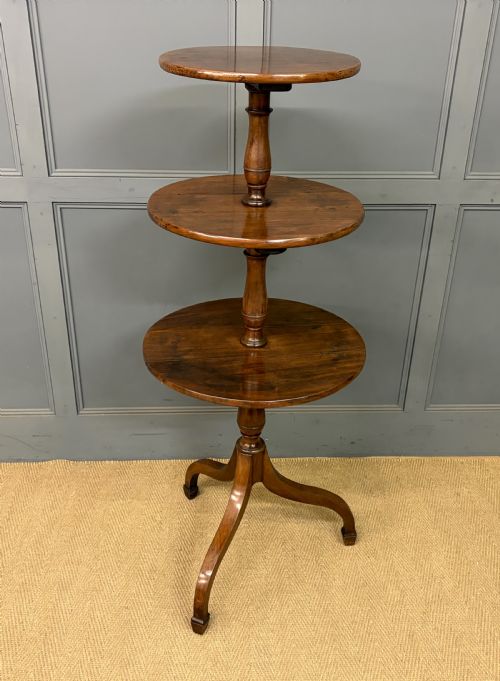
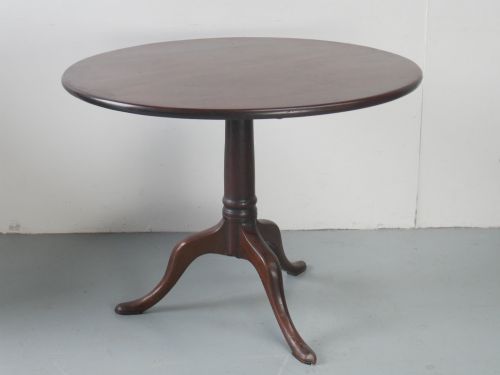
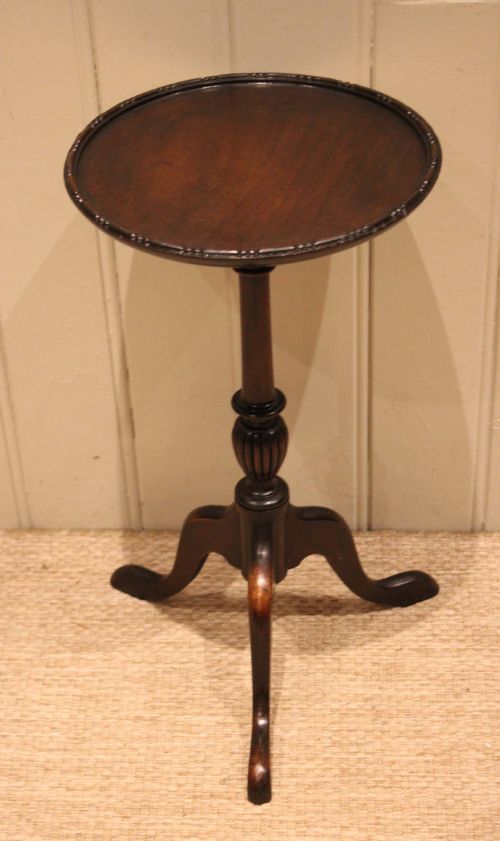
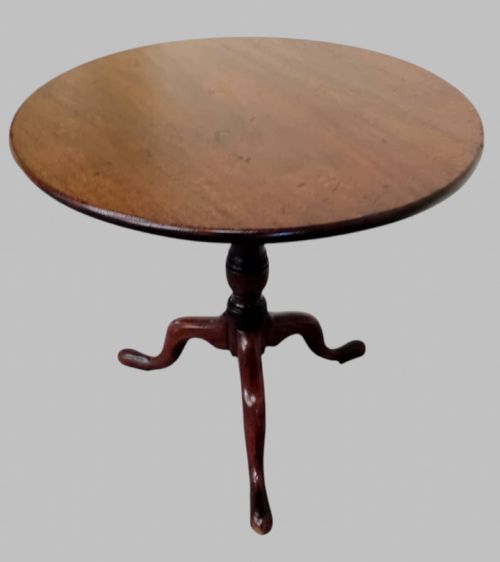
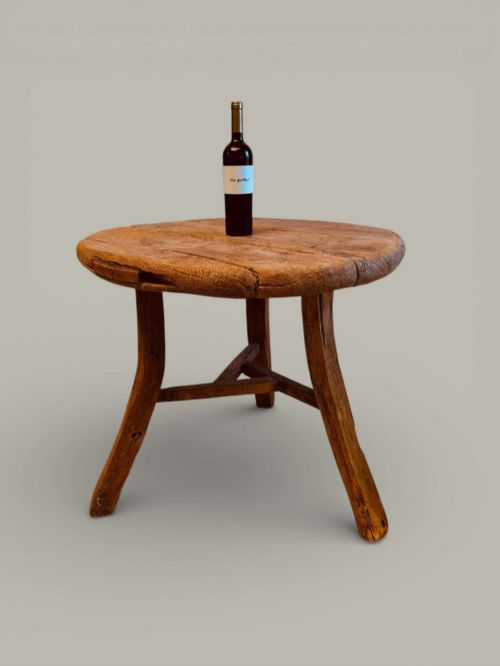
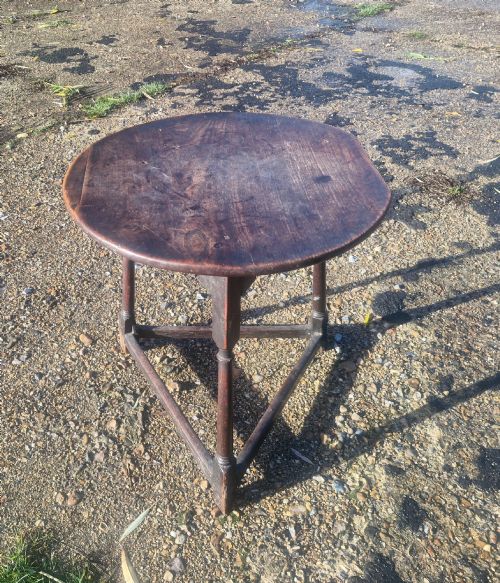
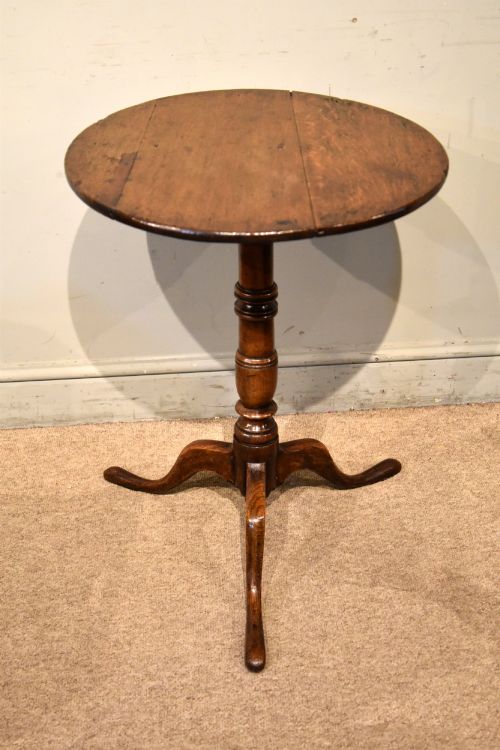
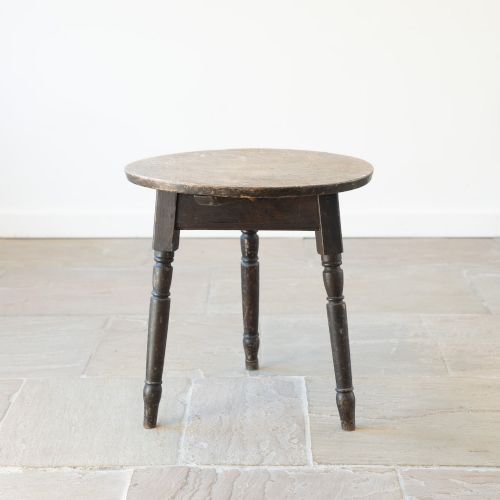
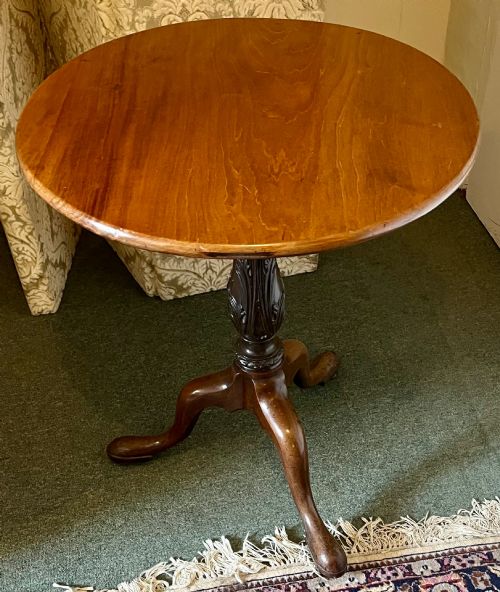
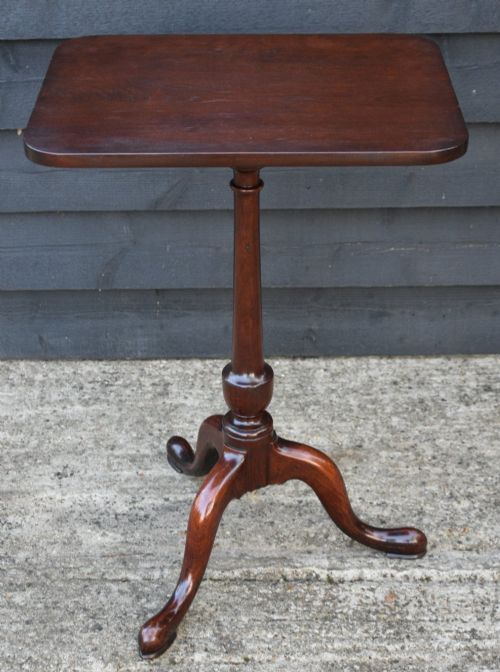
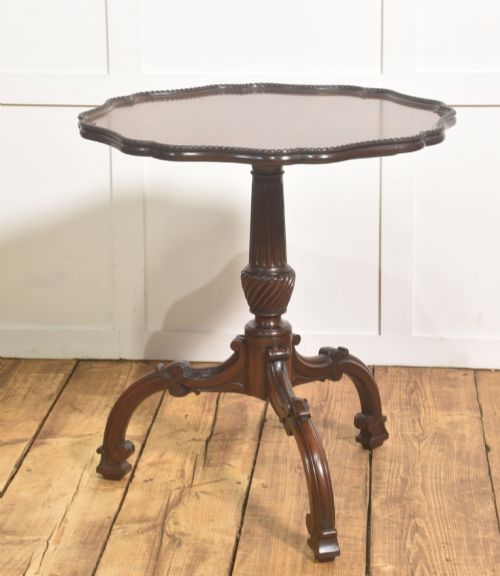
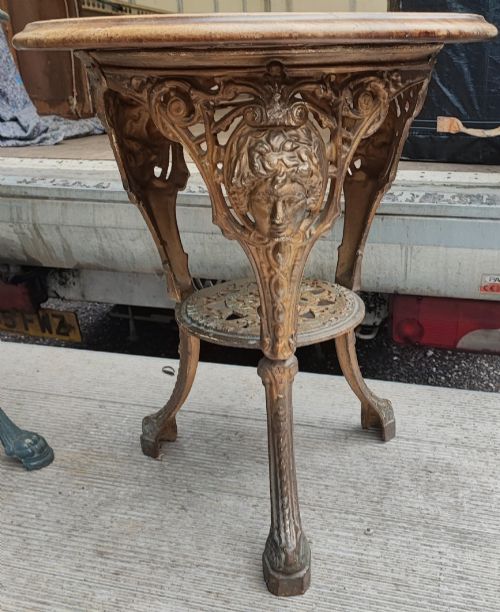
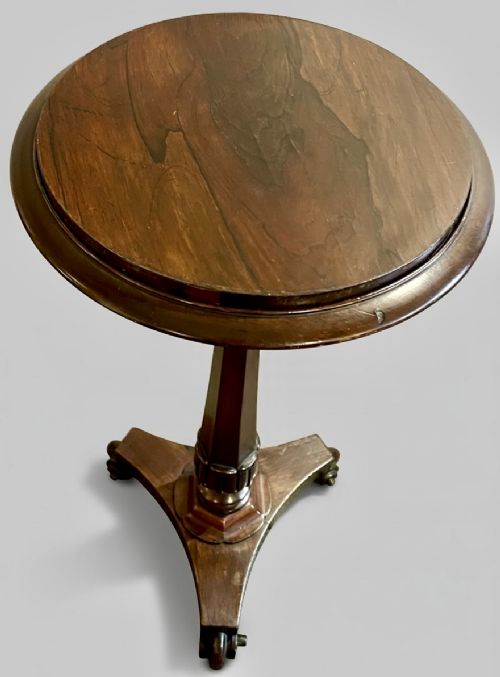
A round wooden tripod table stands upon a central pedestal supported by three legs, forming a compact support utilised for drinks, lamps, or books. Buyers looking at this page encounter smaller occasional formats frequently, including wine tables, lamp tables, and cricket tables.
The selections span multiple eras, with pieces originating from the eighteenth, nineteenth, and early twentieth centuries. Georgian and Victorian examples appear regularly alongside Edwardian and rustic country variants.
Forms include tilt-top mechanisms that allow the circular top to fold flat when not in use, as well as fixed tops. Materials range from native timbers like oak, mahogany, and pine to exotic woods such as rosewood, padouk, and walnut.
How they were made
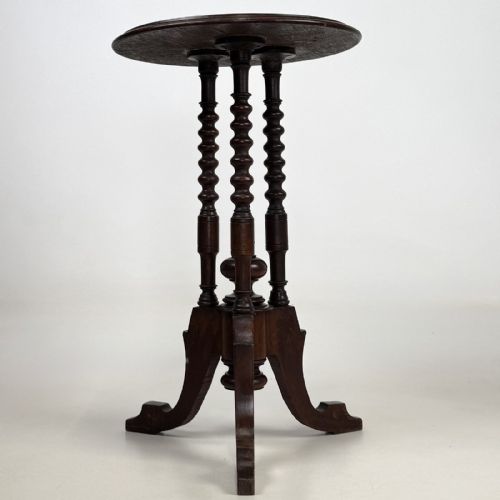
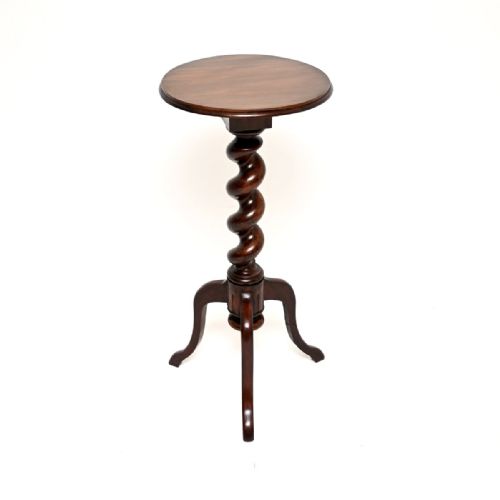
Cabinetmakers utilised dense hardwoods like mahogany, oak, and walnut, frequently turning pedestals on a lathe to create bobbin, barley twist, or column shapes. Tops were fashioned from single planks or joined boards, sometimes featuring tilt mechanisms supported by brass catches.
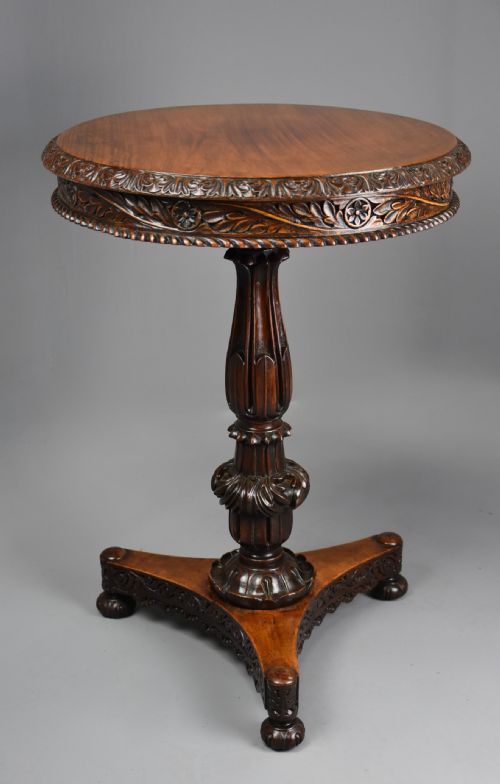
Legs joined the central column through dovetail, mortise and tenon, or dowel joints, terminating in plain feet, pad feet, or occasionally castors. Carving appeared on borders and pedestals of higher-status pieces, while simpler country variants relied on straightforward carpentry.
Round Wooden Tripod Table Retail Price Guide 2026
Typical asking prices for round wooden tripod table among the pieces listed under this phrase on Sellingantiques today, from the lower quarter to the upper quarter. They describe what is for sale here now, not the wider market.
An eighteenth-century table might have spent centuries holding afternoon port before retiring to host a modern reading lamp.
What varies in quality
Quality rests in the selection of timber grain, the crispness of turned or carved details on the pedestal, and the structural integrity of the three-legged base. Tables with well-figured mahogany or burr oak display a visual depth absent in plain utility timber.
The precision of the tilt mechanism and the stability of the central joint determine daily usability. Superior pieces maintain a level top without wobble, while lesser examples suffer from loose joints or warped tops over decades of service.
Bulstrode Cambridge
The Round Wooden Tripod Table Glossary
- Tilt-top
- A hinged table top that pivots to a vertical position for storage against a wall. This mechanism was common on eighteenth and nineteenth-century examples.
- Cricket table
- A small, lightweight three-legged table with a circular wooden top and peg-joined legs. These typically date from the eighteenth and nineteenth centuries.
- Bobbin turned
- A style of furniture leg or column shaped on a lathe to resemble a series of wooden reels or bobbins. This decorative turning appears frequently on nineteenth-century pieces.
- Barley twist
- A spiral turning resembling a twisted rope, cut into table pedestals and legs. The technique became popular during the Victorian era.
- Padouk
- A heavy, durable tropical hardwood with a reddish-orange hue that darkens with age. It appears on Anglo-Indian pieces.
Round Wooden Tripod Table: Frequently Asked Questions
What is a round wooden tripod table used for?
These tables served historically for holding wine bottles, lamps, or tea service in parlours and drawing rooms. Today, they function as compact side tables or bedside surfaces in modern interiors.
Their small footprint permits placement beside armchairs or in hallways where larger furniture fails to fit.
Are these tables solid wood?
The listings show tables constructed from solid timbers such as mahogany, oak, walnut, pine, and rosewood. Cabinetmakers selected these dense woods to ensure the three-legged base could support the circular top without sagging.
Secondary woods sometimes appear in hidden structural components of regional pieces.
How do I date a round wooden tripod table?
Dating relies on observing the turning style, timber species, and construction methods. Georgian examples often display restrained classical lines, whilst Victorian pieces frequently incorporate barley twist pedestals or carved rosewood.
Edwardian and later twentieth-century items reflect simpler domestic utility styles.