


Round Wood Pedestal Table
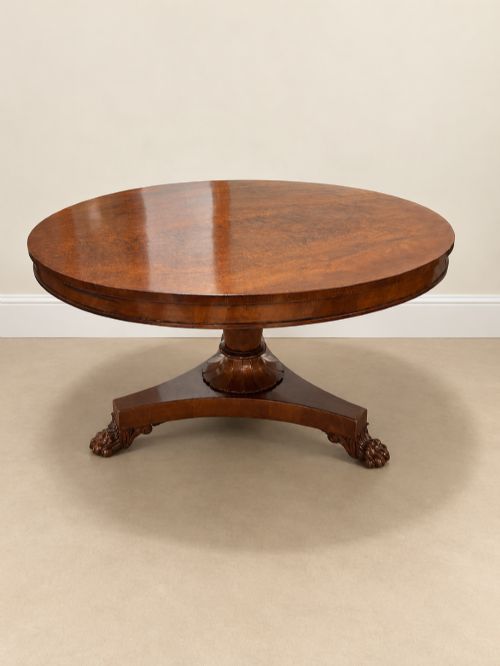
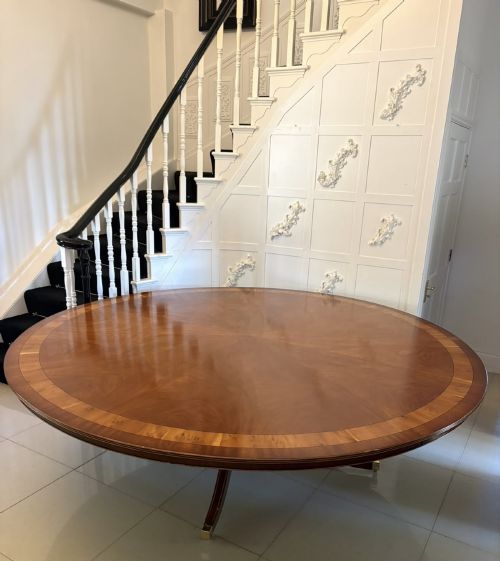
A round wood pedestal table rests on a central pillar and feet, offering a sturdy surface for lamps, wine, or dining.
Round Wood Pedestal Table
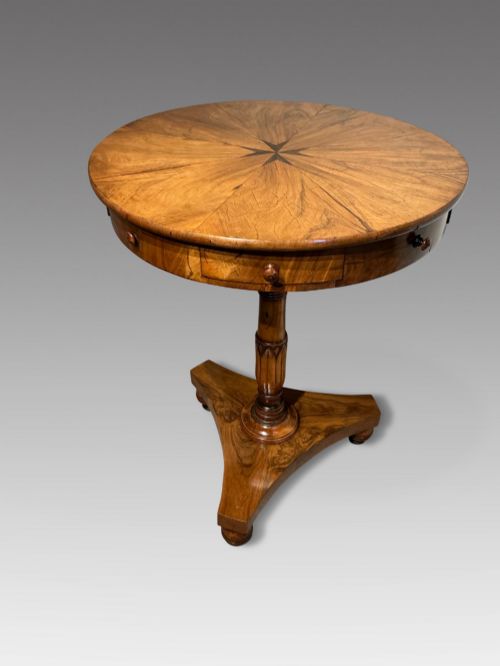
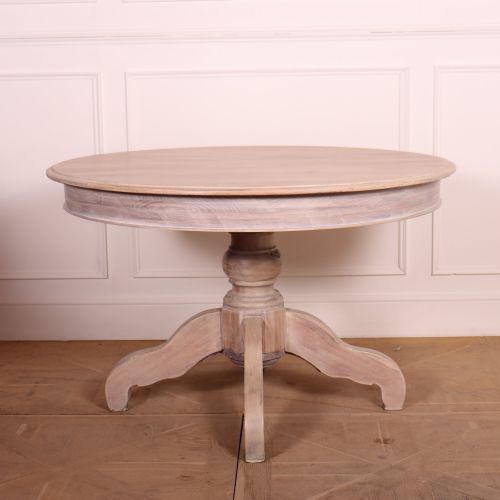
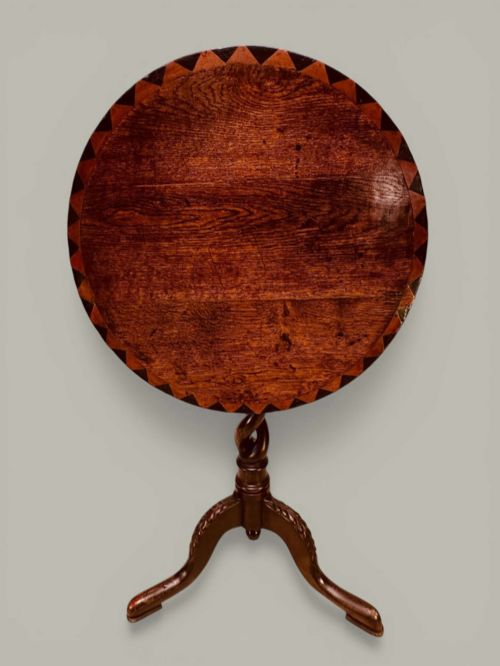
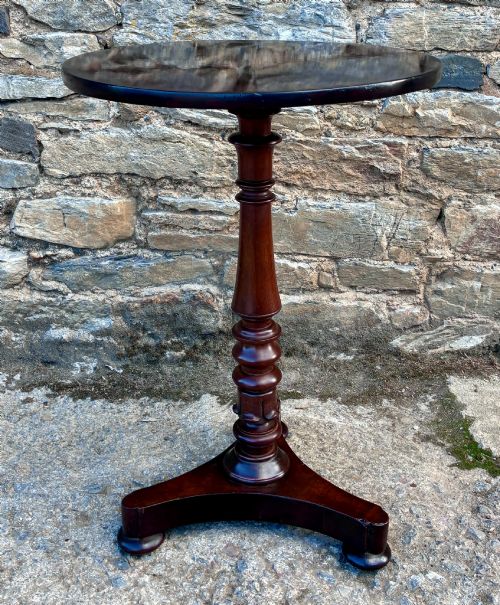
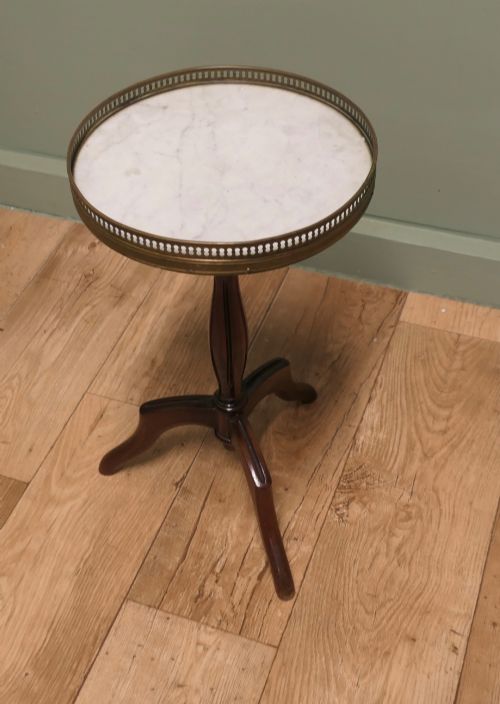
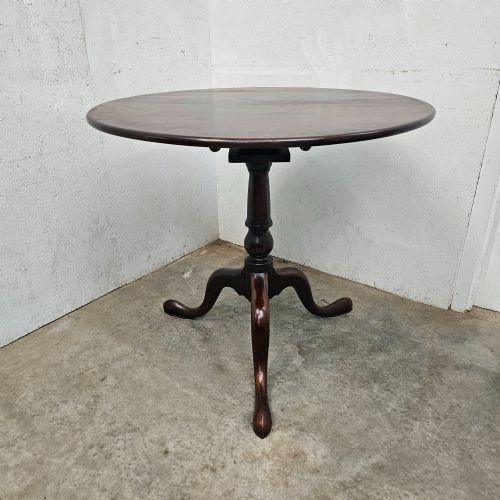
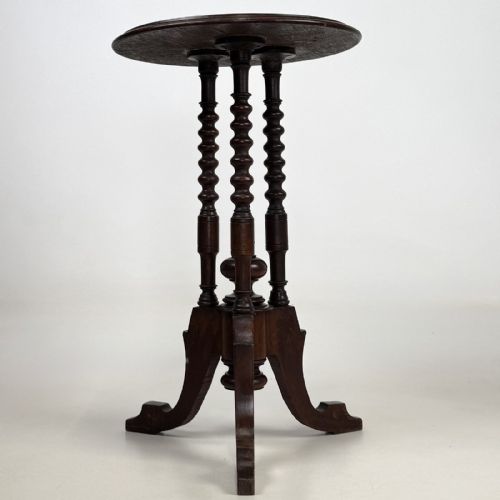
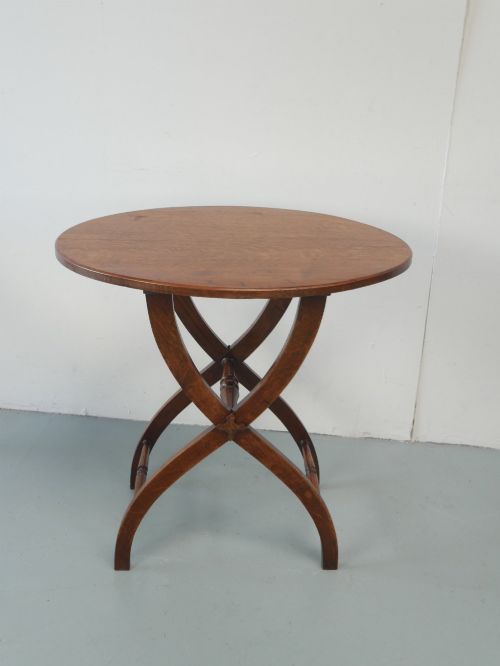
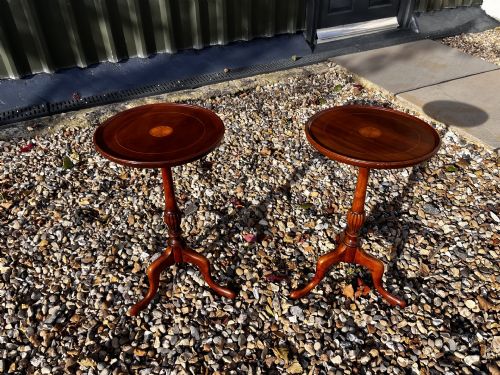
A round wood pedestal table serves multiple domestic functions, appearing as compact wine tables, occasional surfaces, or grand centre and breakfast tables. The selection ranges from compact tripod lamp tables to large circular dining pieces supported by heavy pillars.
Most examples found here date from the eighteenth century through to the early twentieth century, spanning Georgian, Regency, William IV, and Victorian periods. Makers from Britain, France, and Sweden utilised native and exotic timbers to construct these circular top designs.
How they were made
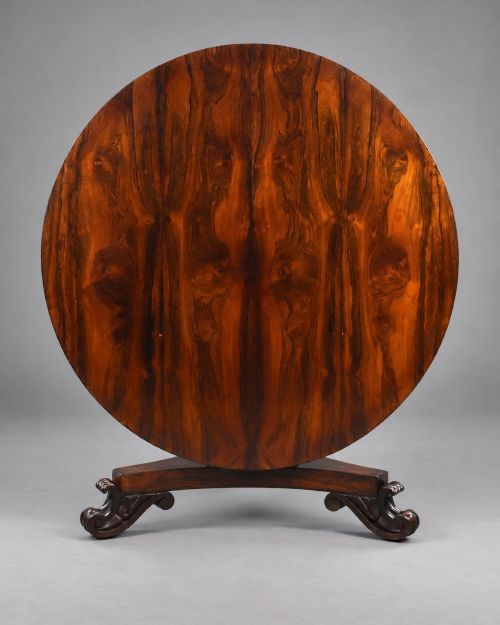
Cabinetmakers constructed these tables using solid hardwoods and decorative veneers applied to secondary timbers. Mahogany, rosewood, walnut, and burr birch provide the primary surfaces, often shaped into tilt-top mechanisms or fixed circular tops.
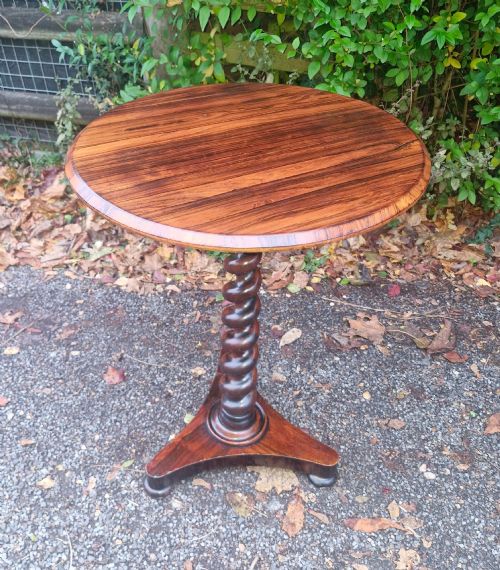
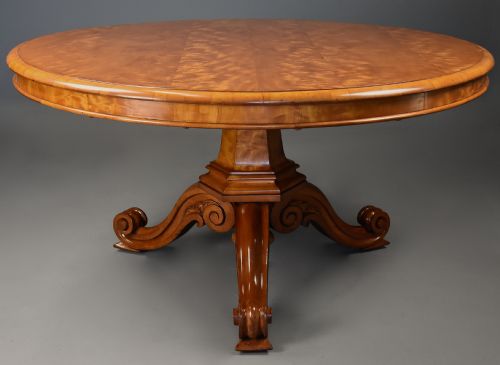
Supports take the form of turned pedestals, tripod legs, or triform bases, occasionally embellished with brass inlay, carving, or barley twist turnings. French polishing and wax finishes protect the wood while highlighting the natural grain.
Round Wood Pedestal Table Retail Price Guide 2026
Typical asking prices for round wood pedestal table among the pieces listed under this phrase on Sellingantiques today, from the lower quarter to the upper quarter. They describe what is for sale here now, not the wider market.
Materials represented across the inventory include mahogany, rosewood, walnut, satin birch, padauk, and oak.
What varies in quality
Quality rests in the selection of timber figures, such as flame mahogany or burr birch, and the crispness of any hand-carved details on the pedestal and legs. Superior pieces demonstrate precise joinery in the tilt-top mechanism and stability in the central pillar.
Proportion and balance dictate the architectural success of each table, ensuring the top diameter matches the weight of the pedestal and the spread of the feet. Original surface patination and minimal timber replacement further distinguish finer examples.
Bulstrode Cambridge
The Round Wood Pedestal Table Glossary
- Tilt-top
- A table mechanism allowing the circular wooden top to pivot vertically for storage against a wall when not in use.
- Tripod base
- A pedestal support terminating in three legs, commonly curved or cabriole, providing stable contact with the floor.
- Triform base
- A three-sided platform base resting on feet, frequently utilised on heavy rosewood breakfast tables from the nineteenth century.
- Flame mahogany veneer
- Sliced timber veneer displaying a distinct flickering flame pattern, prized for decorative tabletop surfaces.
- Gueridon
- A French term for a small round occasional table supported by a single central column.
Round Wood Pedestal Table: Frequently Asked Questions
What is a round wood pedestal table used for?
These versatile tables function as wine tables, lamp stands, occasional surfaces, or larger breakfast and centre tables depending on their height and diameter.
Smaller tripod versions sit beside armchairs or hold bedside lamps, while larger circular tables anchor the middle of a room or serve meals.
What woods were used for these tables?
Cabinetmakers primarily employed mahogany, rosewood, and walnut, often selecting figured veneers like flame mahogany or burr birch for the tabletops.
Other materials include satin birch, oak, padauk, and painted surfaces seen on continental Swedish and French examples.
How do I tell a Georgian table from a Victorian one?
Georgian tables from the eighteenth and early nineteenth centuries often exhibit simpler tripod lines, subtle mahogany grain, and tilt-top functions for dining or wine.
Victorian examples frequently display heavier proportions, elaborate rosewood or walnut timbers, and decorative elements like barley twist stems or triform bases.