





Round Wood Frame
A round wood frame anchors circular mirrors, clocks, and paintings, bringing distinct geometric balance to a room.
Round Wood Frame
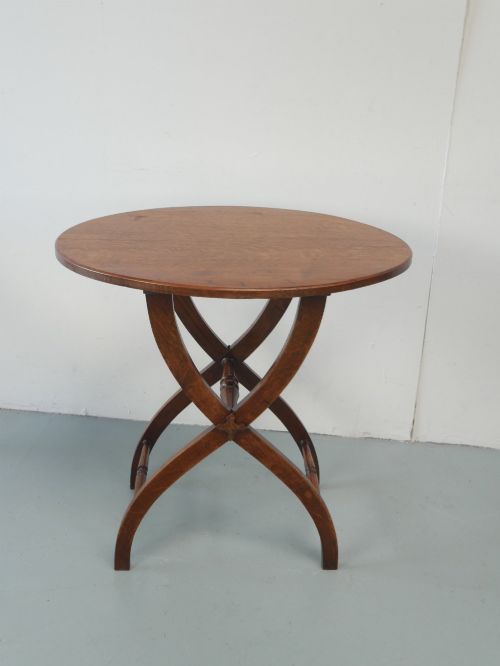
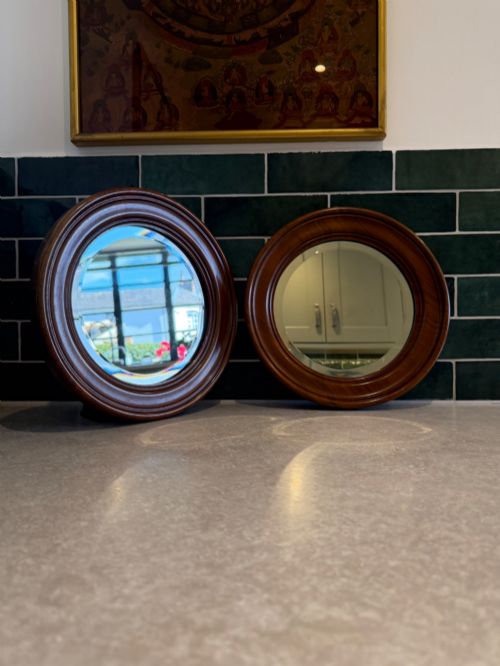
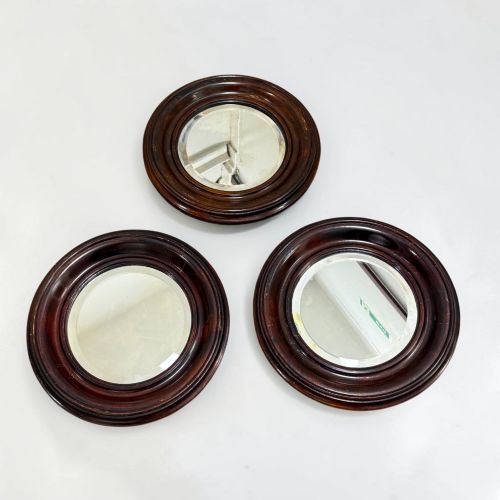
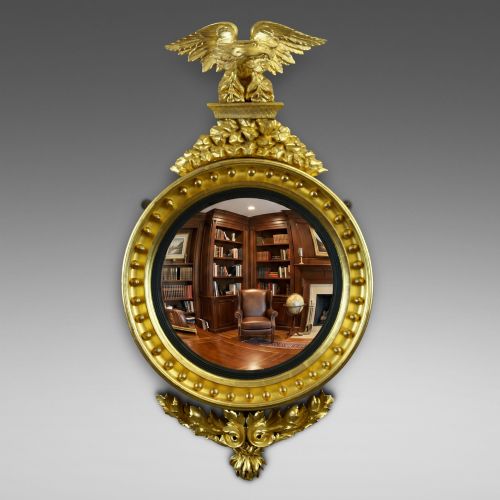
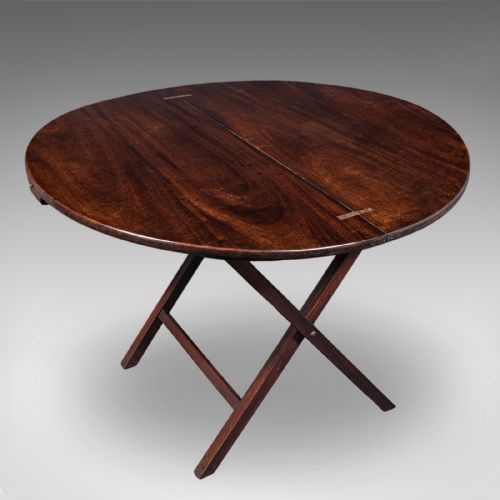
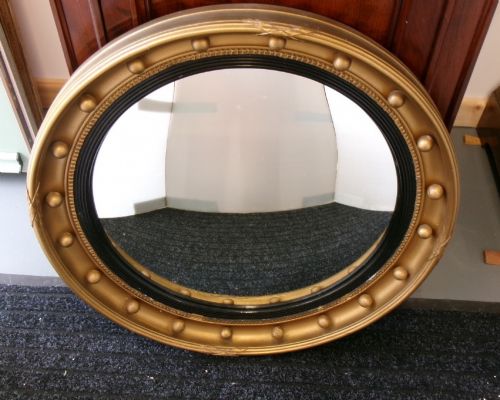
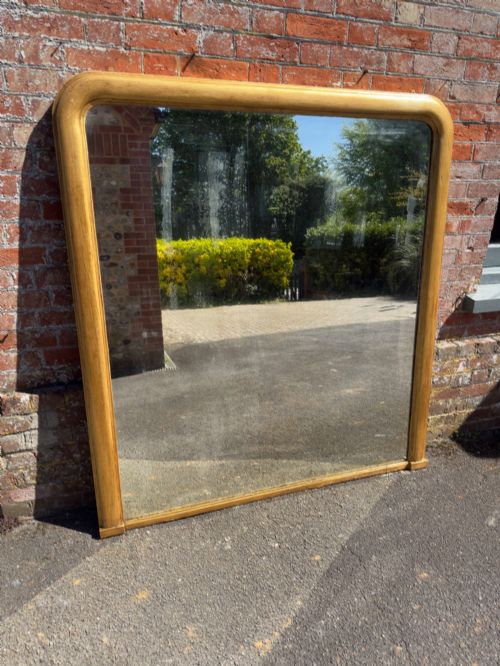
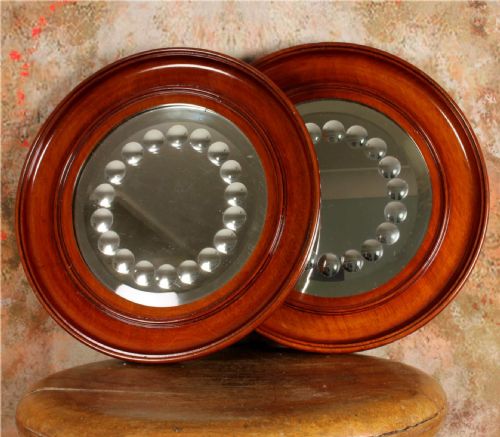
When you search for a round wood frame, you encounter circular wall mirrors, convex porthole designs, and occasional folding tables spanning the nineteenth century up to the nineteen-thirties.
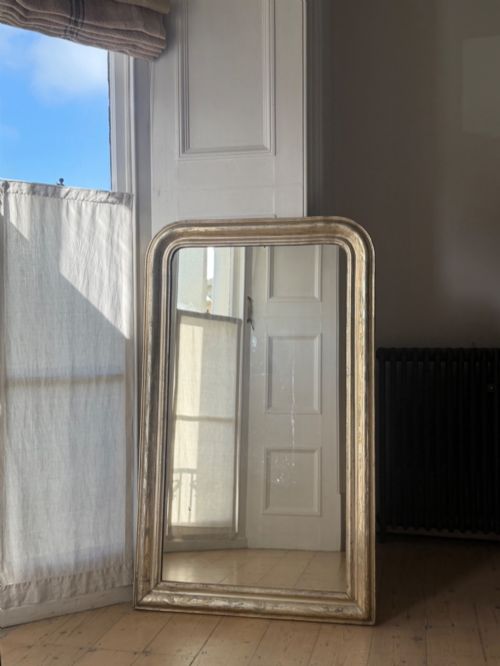
The most common examples on this page are Victorian and nineteenth-century convex and circular mirrors framed in mahogany, walnut, or giltwood.
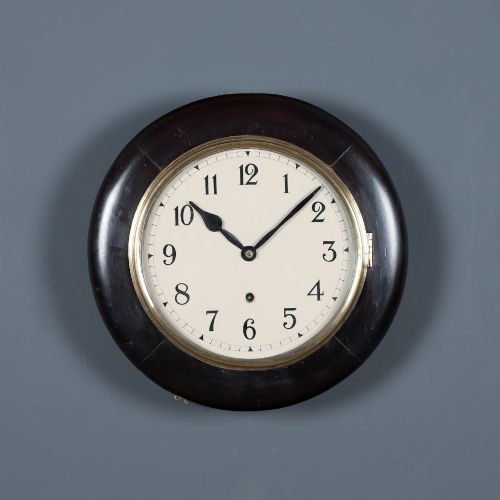
Beyond mirrors, the selection includes circular station clocks, occasional folding coaching tables, and round needlework pictures that utilise timber framing.
How they were made
Cabinetmakers constructed these circular frames using native and imported hardwoods like mahogany, walnut, and oak, often shaping the timber with turned mouldings.
Giltwood and gesso pieces combine carved wood bases with plaster layers that receive gold leaf application, while convex mirrors utilise curved mercury glass plates.
Round Wood Frame Retail Price Guide 2026
Typical asking prices for round wood frame among the pieces listed under this phrase on Sellingantiques today, from the lower quarter to the upper quarter. They describe what is for sale here now, not the wider market.
Listings feature circular mirrors, clocks, and tables from the Victorian, Regency, and Edwardian periods utilising mahogany, walnut, and giltwood.
What varies in quality
The standard of carving and the depth of the giltwood or gesso enrichment separate standard production frames from finer decorative works.
Original mercury glass plates and well-preserved timber patination indicate superior preservation compared to replaced mirror plates or stripped surfaces.
The Round Wood Frame Glossary
- Convex mirror
- A round mirror featuring a curved outward glass plate that reflects a wide-angle view of the interior. These pieces frequently appear in nineteenth-century interiors.
- Gesso
- A plaster mixture applied to carved wood frames before gilding. It allows for intricate decorative relief work.
- Mercury glass
- A silvered glass type utilised in nineteenth-century mirrors before modern vacuum deposition methods. It creates a distinctive mottled reflective quality.
- Coaching table
- A folding occasional table with a circular wooden top designed for portability. These practical items date from the Victorian and Edwardian eras.
- Giltwood
- Timber coated with gold leaf or gold paint for decorative effect. It defines many Regency and Victorian wall mirrors.
Round Wood Frame: Frequently Asked Questions
What is a convex mirror used for?
Convex mirrors were historically placed in reception rooms and halls to monitor activity across a wider space than a flat glass plate permits.
Today they serve primarily as decorative focal points that bounce natural light around a room.
How do I date a round wooden frame?
Dating relies upon examining the timber species, backboards, fixings, and the manufacturing method of the glass or canvas insert.
Nineteenth-century examples often display hand-turned frames and older mirror silvering techniques.
Where should I hang a circular wall mirror?
Circular frames suit above a mantelpiece, in a narrow hallway, or as a counterpoint to rectangular furniture.
Ensure the wall fixings match the weight of the timber and glass construction.
Are folding coaching tables sturdy?
Victorian and Edwardian coaching tables utilise folding X-frame wooden bases designed for easy storage and relocation.
They provide stable surfaces for occasional use as side tables or plant stands.