


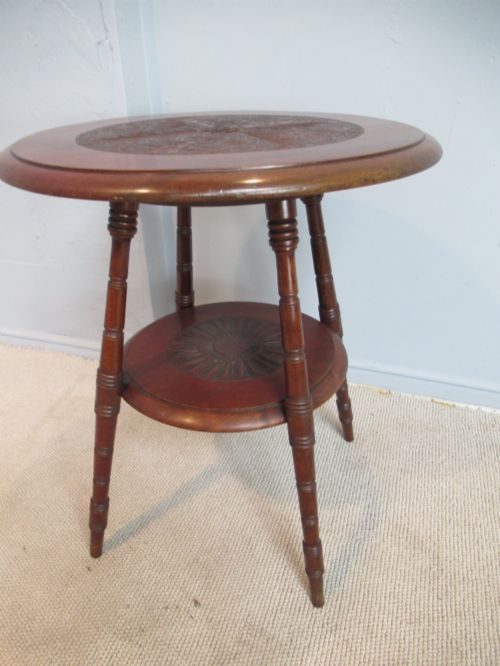
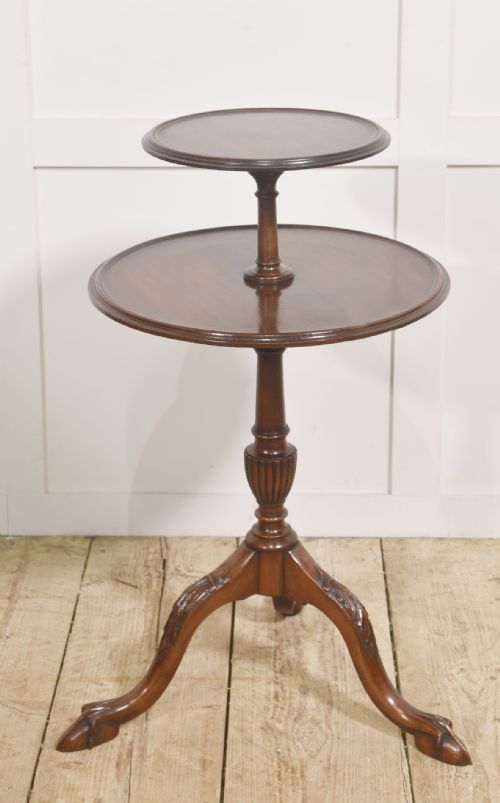

Round Tiered Table
A round tiered table provides useful surfaces across multiple levels, combining practical display space with compact circular proportions.
Round Tiered Table
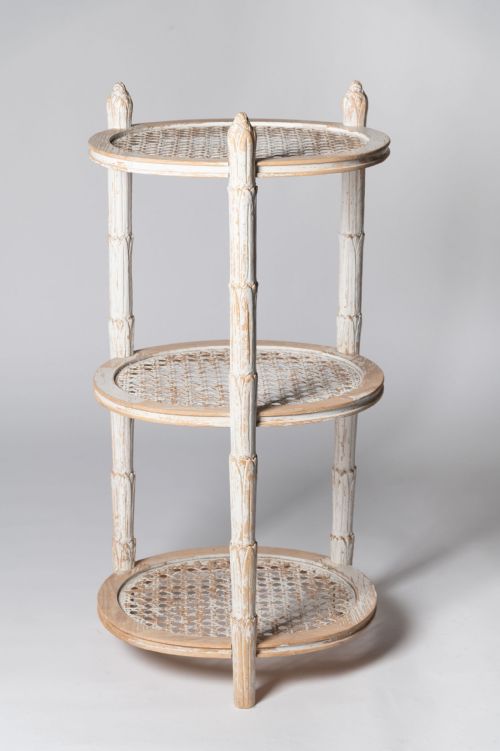
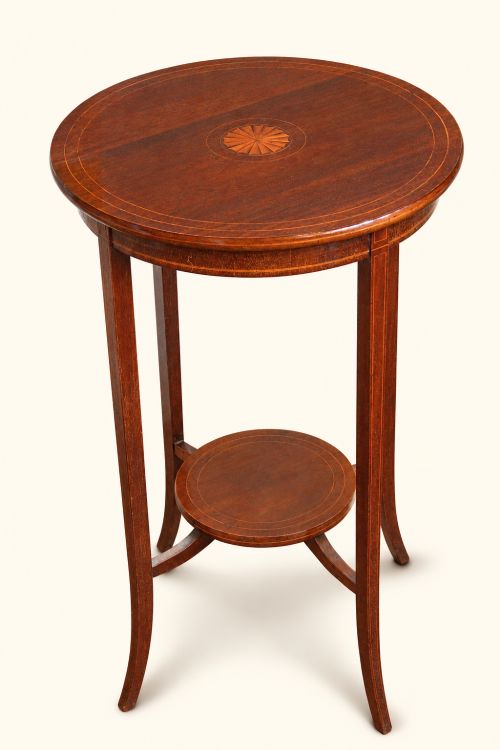
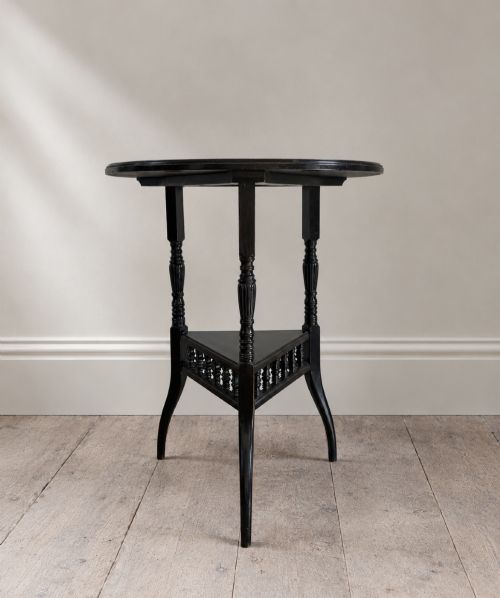
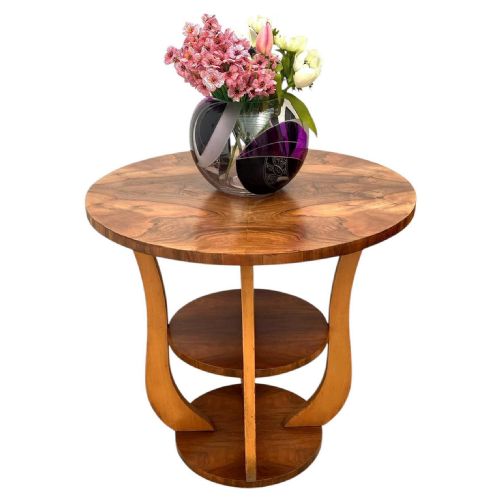
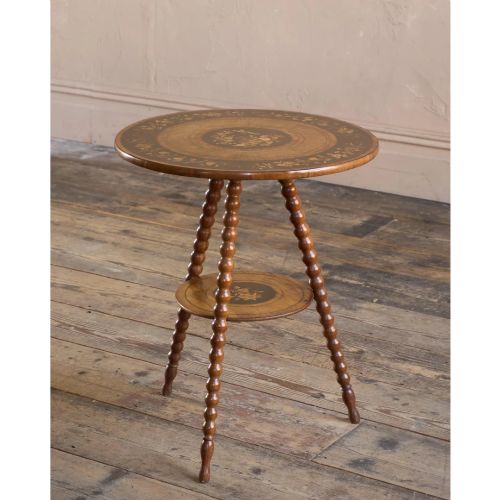
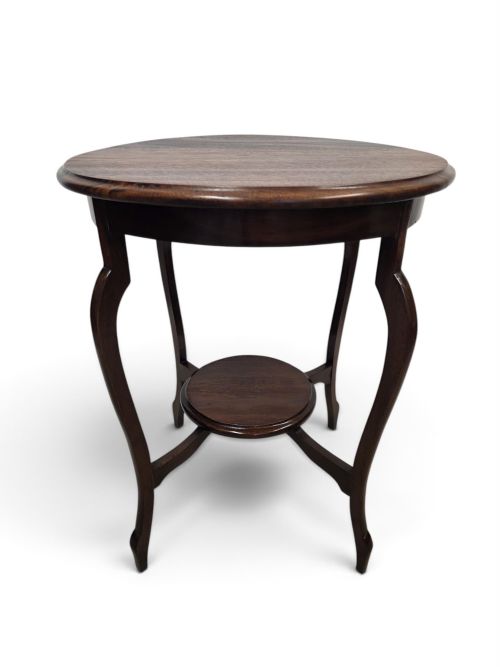
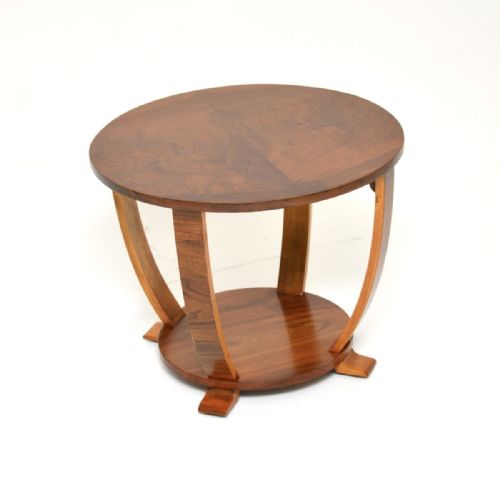
A round tiered table encompasses forms designed for multiple levels of surface space, ranging from two-tier occasional pieces to three-tier centre tables and dumbwaiters. These items appear across periods spanning the eighteenth, nineteenth, and early twentieth centuries, including Georgian, Victorian, Edwardian, and Art Deco eras.
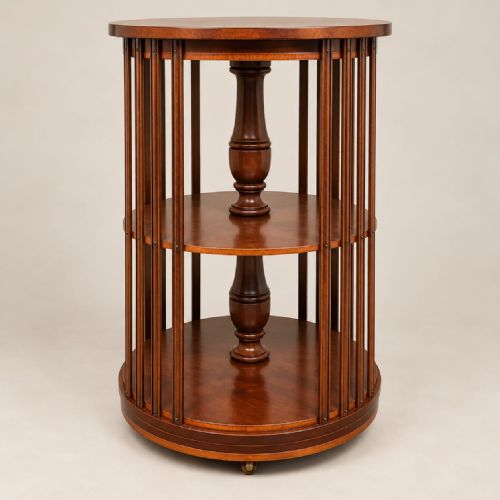
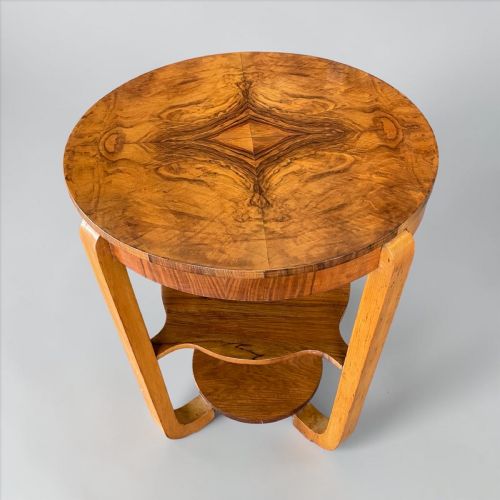
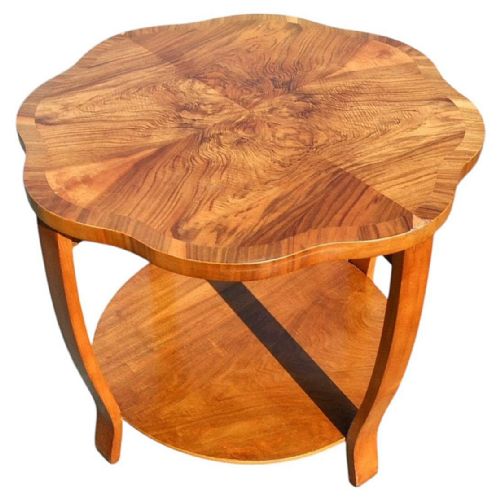
The version most commonly encountered in this selection is the Art Deco walnut or mahogany occasional table from the nineteen-thirties, often featuring distinct stacked circular tiers. Alongside these, buyers find earlier examples such as eighteenth-century cricket tables and dumbwaiters, as well as Edwardian revolving bookcases and occasional stands.
Materials and construction
Makers utilised timber solids and decorative veneers, notably walnut, mahogany, rosewood, oak, and satin birch, frequently supported by secondary framing in oak or mahogany. Surface decoration relies on figured grain patterns, marquetry, and contrasting veneers like maple.
Structural methods involve tiered tiers connected by turned columns, spindles, or central pillars, with some examples incorporating folding shelves, revolving mechanisms, or brass and chrome fittings.
Round Tiered Table Retail Price Guide 2026
Typical asking prices for round tiered table among the pieces listed under this phrase on Sellingantiques today, from the lower quarter to the upper quarter. They describe what is for sale here now, not the wider market.
The selection includes side tables, coffee tables, cricket tables, dumbwaiters, and revolving bookcases.
Distinction in execution
Quality rests upon the selection of timber and veneer figures, where matched grains across multiple tiers demonstrate superior cabinet-making. Fine construction appears in the stability of tiered joins, the precision of turned supports, and the integration of functional elements like revolving mechanisms or folding brackets.
The refinement of decorative details, from marquetry inlay to polished walnut and figured maple surfaces, separates standard utility pieces from high-style examples produced in Georgian, Victorian, or Art Deco workshops.
The Round Tiered Table Glossary
- Cricket table
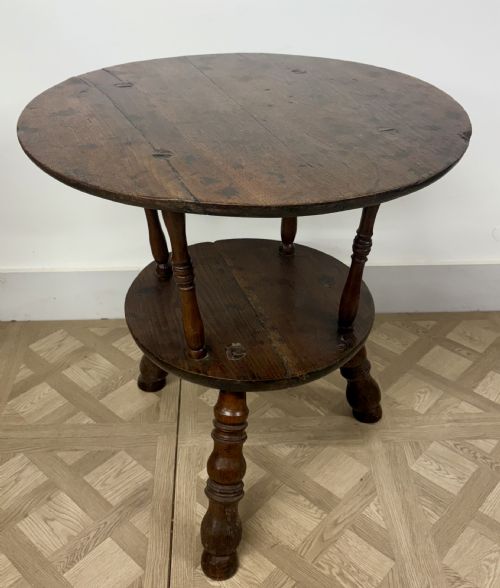
- A small three-legged circular table dating from the eighteenth or nineteenth century, traditionally featuring a low tier and sturdy wooden construction.
- Dumbwaiter
- A multi-tiered freestanding piece featuring graduated circular trays mounted on a central pillar, historically used for serving food and drinks.
- Gueridon
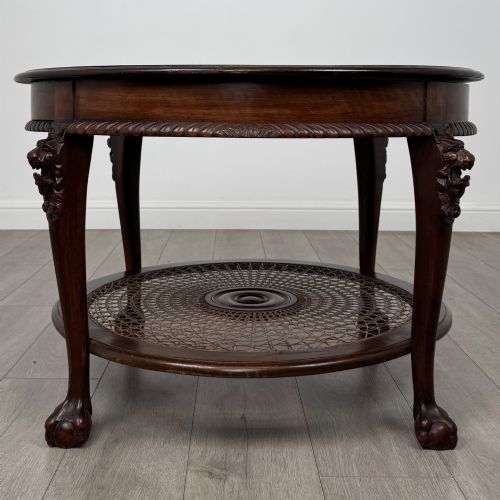
- A small French occasional table supported by one or more columns, often featuring marble tops or canework details.
- Whatnot
- An open set of shelving with multiple tiers designed for the display of ornaments and books, occasionally taking a circular or corner form.
- Veneer
- A thin layer of figured timber applied over a stable secondary wood base to provide decorative grain patterns on table surfaces.
Round Tiered Table: Frequently Asked Questions
Where do I place a round tiered table?
These tables fit easily beside seating furniture or within corners where extra surface space is needed without blocking circulation.
The stacked tiers allow for lamps, books, and decorative objects to be arranged across different levels in smaller rooms.
How do I distinguish an 18th-century dumbwaiter from a later reproduction?
Early dumbwaiters feature hand-turned central pillars and pegged timber joints that reflect period construction methods.
Later revival pieces often display machine-tooled elements and standard modern fixings beneath the tiers.
Are Art Deco tiered tables stable?
Art Deco walnut and chrome pieces distribute weight across their lower tiers to maintain balance during daily use.
Heavier items like revolving bookcases require even placement of books to prevent tipping when turned.
What is the difference between an occasional table and a centre table?
Occasional tables are typically smaller pieces designed to be moved easily and placed beside chairs or walls.
Centre tables are built to stand independently in the middle of a room, often finished with decorative detail on all sides.