
Round Tea Table
A round tea table offers a sturdy pillar for afternoon gatherings, spanning Georgian tripod designs to Art Deco walnut iterations.
Round Tea Table
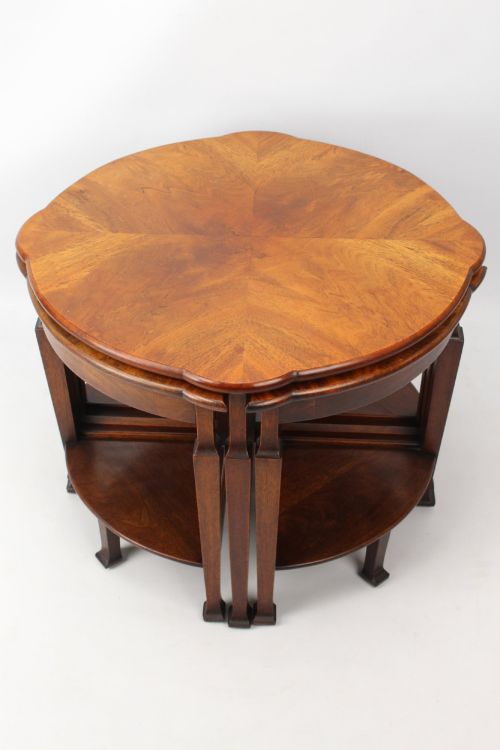
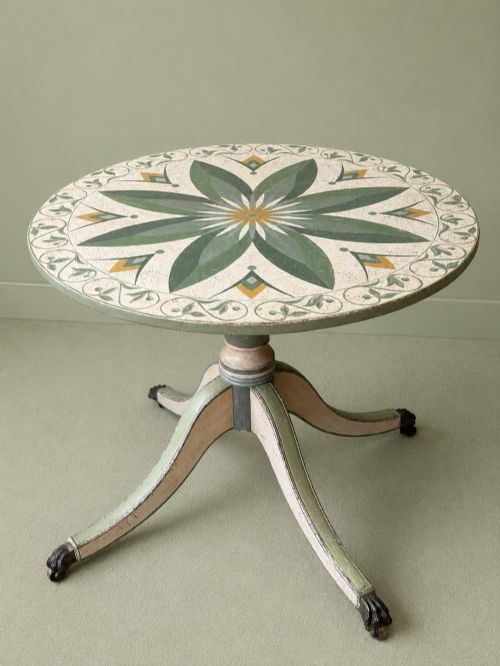
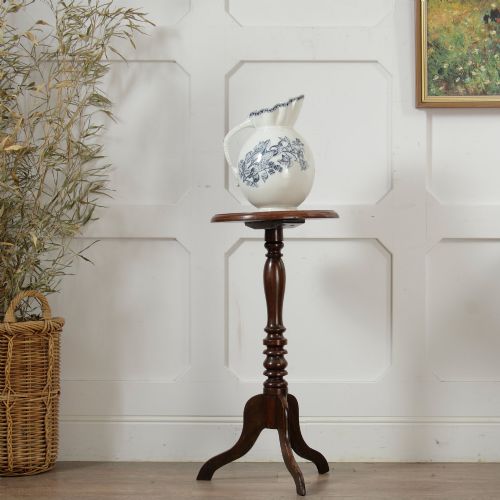
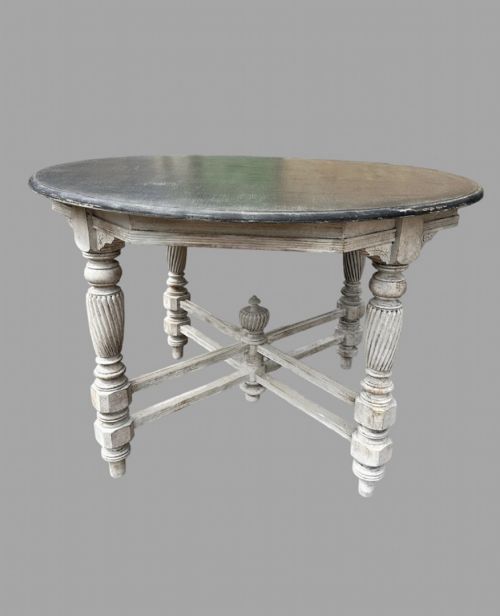
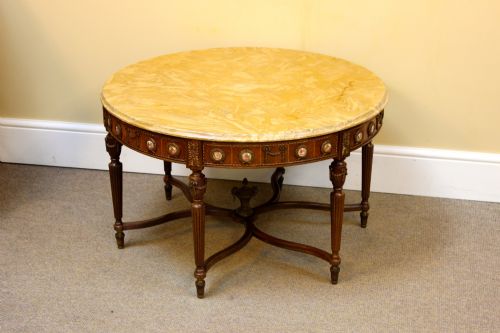
A round tea table provides a central surface designed originally for serving tea and later adapted as an occasional or coffee table. These circular pieces appear across multiple periods, including the Georgian, Victorian, Edwardian, and Art Deco eras.
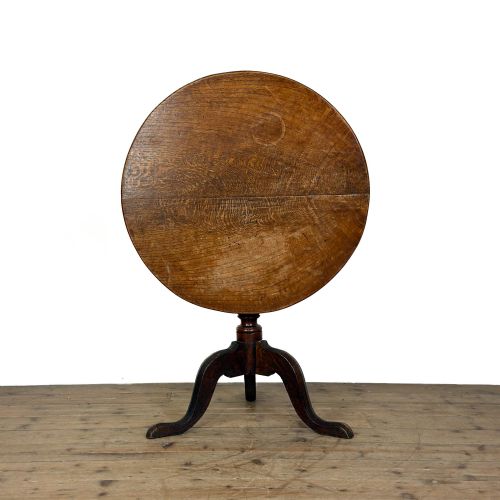
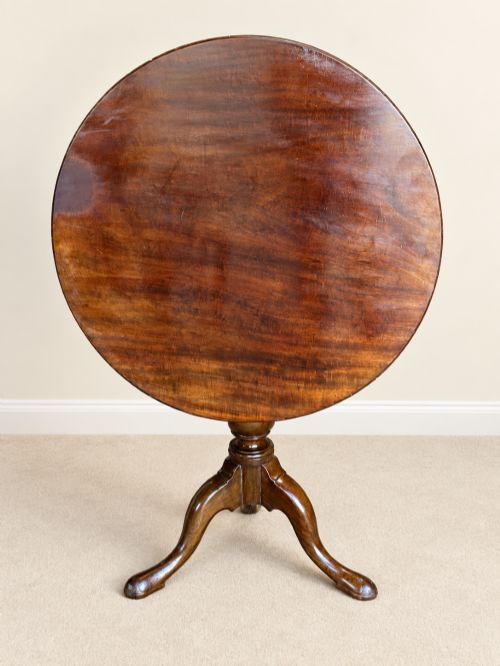
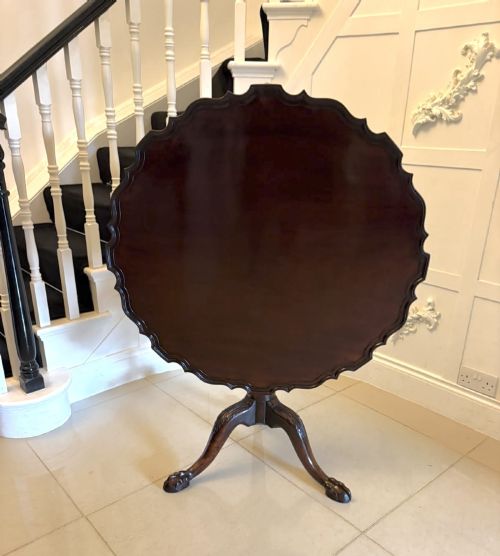
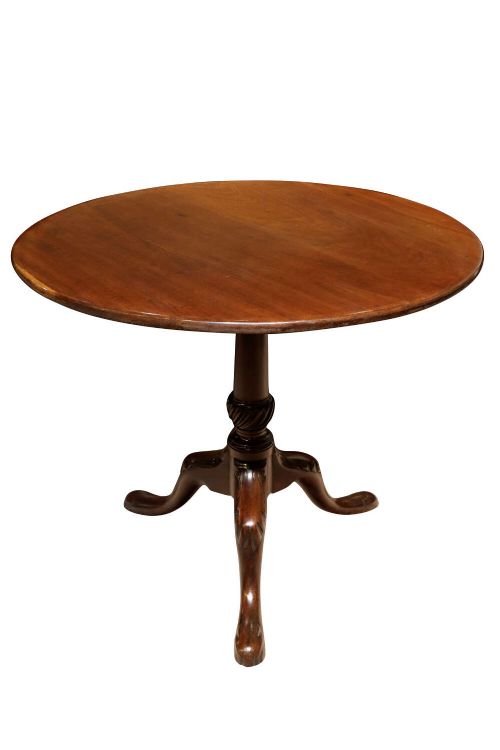
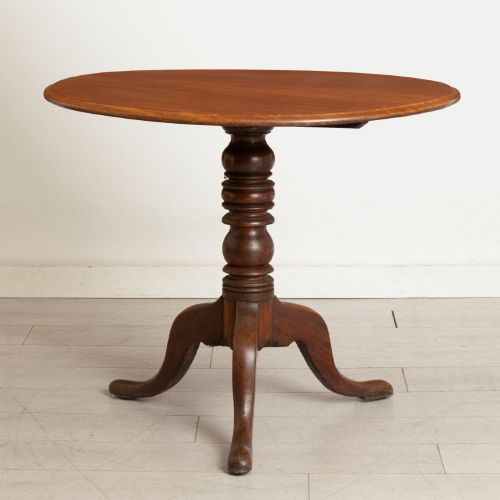
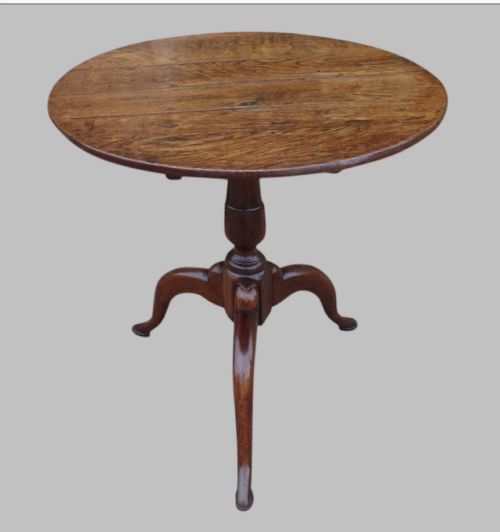
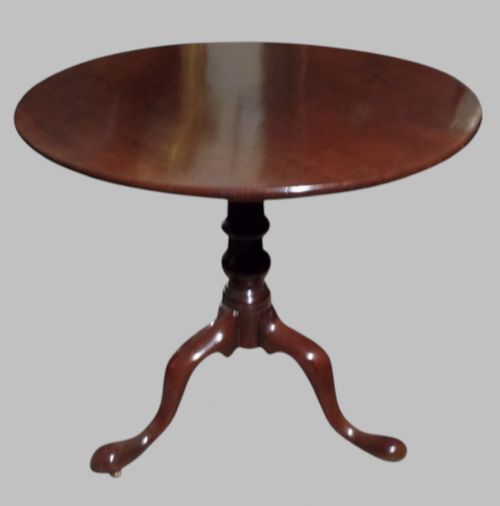
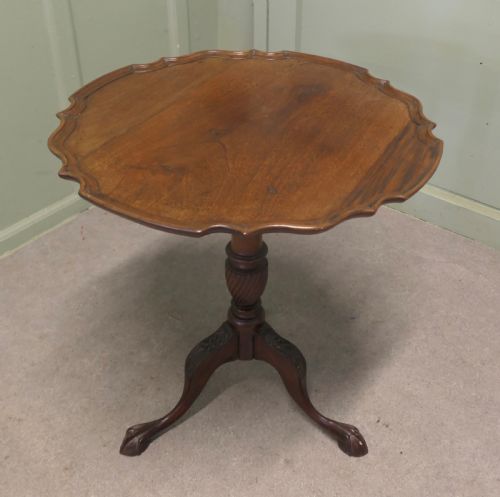
The most common examples on this page are mahogany tripod tables featuring tilt-top mechanisms supported by a central pillar and three legs. Buyers also encounter walnut and oak variants, alongside occasional tables from the nineteenth and early twentieth centuries.
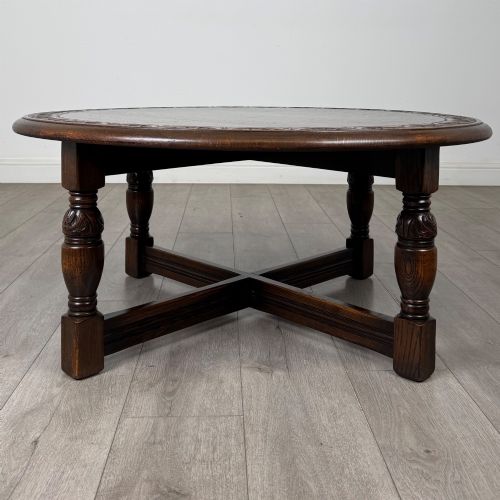
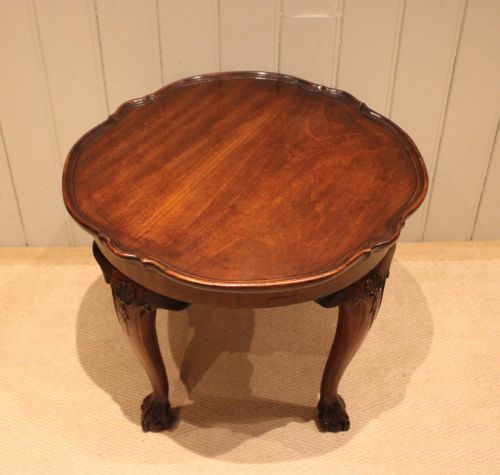
Originating in various regional workshops, these tables fulfill versatile functions in modern interiors as lamp tables, wine tables, or low coffee tables.
How they were made
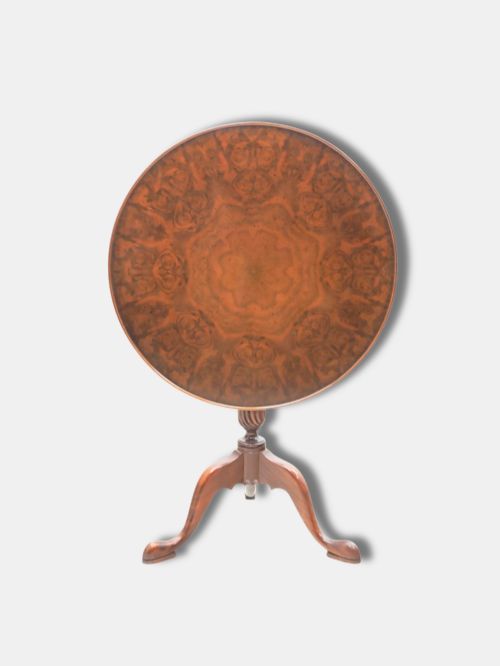
Cabinet makers utilised solid timbers like mahogany, oak, and walnut, frequently applying veneers such as burr walnut or kingwood to enhance the circular top. Regional pieces often combine structural woods like beech with primary display timbers.
Turning and carving shaped the central pedestals and legs, employing mechanisms like birdcage rotations and tilt-top hinges that allowed tops to fold flat when not in use. Brass fittings and carved details such as claw and ball feet complete many of the designs.
Listings feature woods spanning mahogany, walnut, oak, and rosewood, alongside styles from Georgian to Art Deco.
What varies in quality
The refinement of the timber selection distinguishes finer examples, where figured grains and cohesive veneer matching elevate the visual weight of the top. Simpler country pieces utilise local oak or elm with straightforward turned shafts.
The tightness and precision of the tripod mechanism indicate the standard of construction, ensuring the circular top remains stable upon its central column without wobble.
The Round Tea Table Glossary
- Tripod table
- A small circular table supported by a central pillar resting on three legs. This form dominated eighteenth and nineteenth-century occasional furniture.
- Tilt-top
- A mechanism allowing the tabletop to pivot to a vertical position. This saved floor space when the table was not in service.
- Birdcage
- A revolving wooden framework beneath the tabletop that permits the surface to both tilt and rotate. It represents a marker of superior joinery in period pieces.
- Piecrust edge
- A carved, raised decorative border following the undulating circumference of a round top. It requires skilled hand-carving from a solid blank of timber.
- Occasional table
- A light, versatile table intended for intermittent use around a room. These pieces function variously as tea, wine, or lamp stands.
Round Tea Table: Frequently Asked Questions
What is a round tea table used for today?
These tables function effectively as compact coffee tables, lamp stands, or decorative centrepieces in living spaces. Their circular footprints fit comfortably beside seating.
Historically deployed for serving tea, they adapt readily to contemporary rooms needing modest surface space.
What woods are common in these tables?
Mahogany and walnut dominate the formal examples, often displaying rich grain patterns or decorative veneers. Oak and beech appear frequently in earlier country pieces.
Selected models incorporate exotic materials like kingwood or brass accents for a distinct decorative finish.
How do I distinguish Georgian from Victorian examples?
Georgian tables often feature lighter proportions, elegant tripod bases, and restrained carving such as plain pad feet or subtle birdcage supports. Mahogany was the primary timber of choice.
Victorian versions tend to be heavier in build, sometimes employing pedestal bases with bolder turnings and richer surface patination.