


Round Cut Diamond
Round cut diamond jewellery unites centuries of craftsmanship, presenting luminous stones in rings, pendants and earrings that collectors prize for their enduring brilliance.
Round Cut Diamond
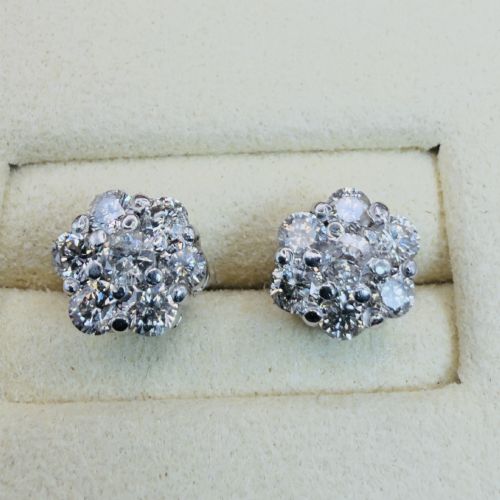
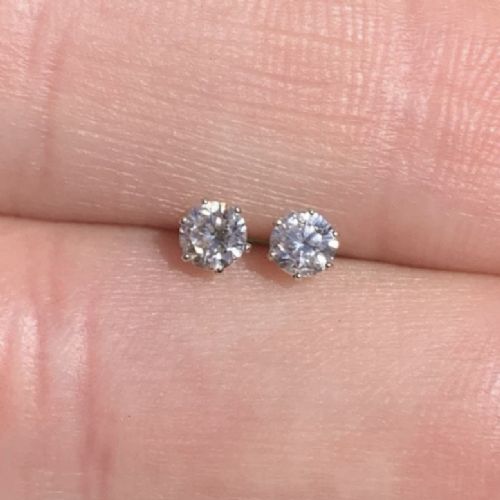
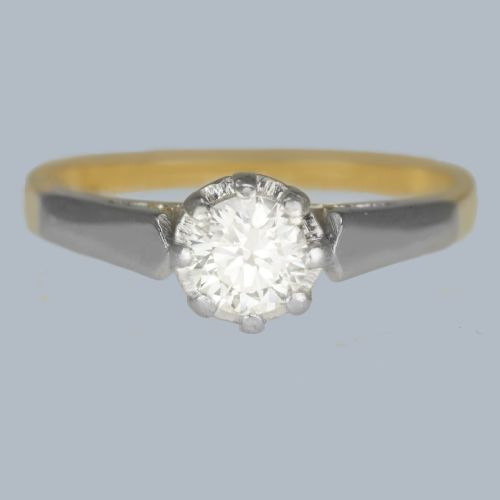
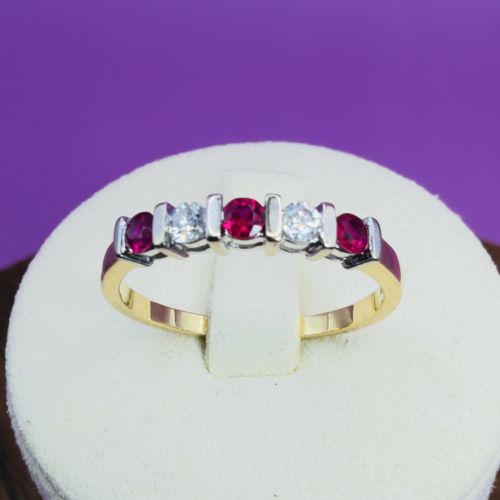
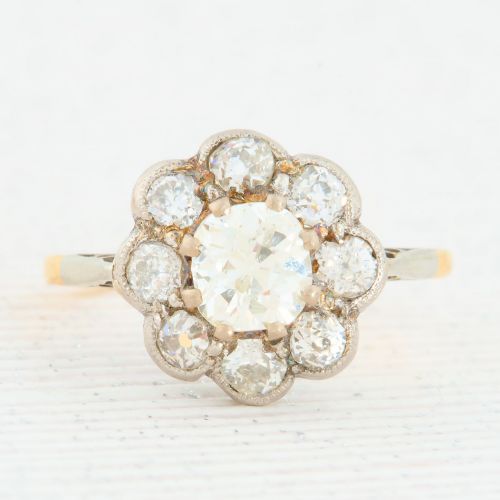
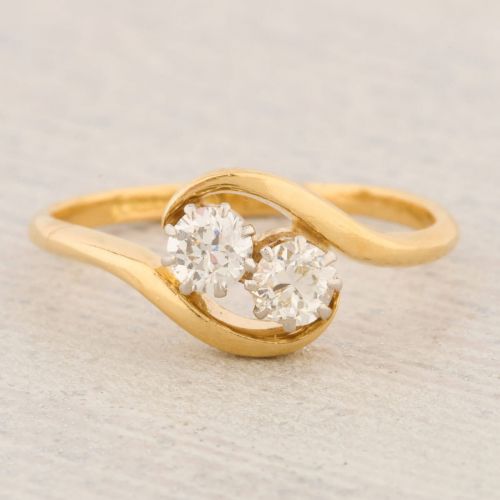
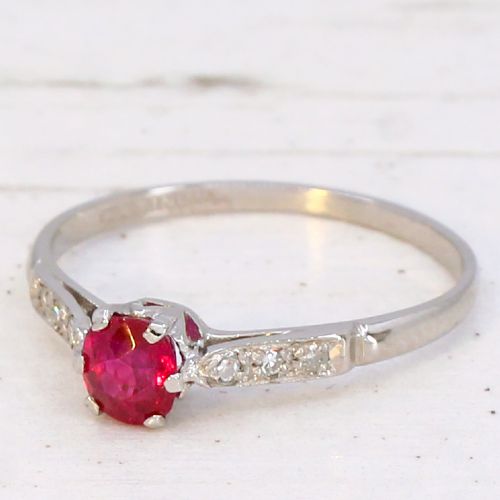
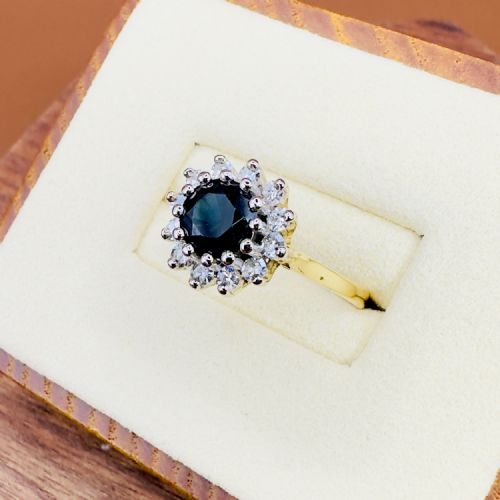
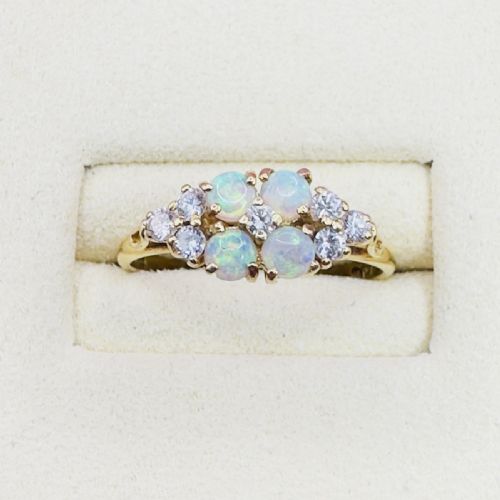
A round cut diamond search brings together fine rings, earrings and pendants spanning from the Edwardian era through the Art Deco period and into the mid-century decades. Buyers encounter classic solitaire engagement rings, multi-stone cluster arrangements and delicate half eternity bands created in these past eras.
The selection ranges from early twentieth-century platinum mounts to 18ct yellow and white gold settings housing traditional old mined stones and later brilliant cuts. These historic jewels demonstrate the evolution of gemstone setting while maintaining the circular symmetry collectors desire.
How they were made
Jewellers utilised durable platinum and various karats of gold, including white, yellow and rose variations, to secure the stones safely within the mountings. Settings often feature intricate bezel work, delicate claw prongs or clustered arrangements designed to maximise light reflection through the diamond facets.
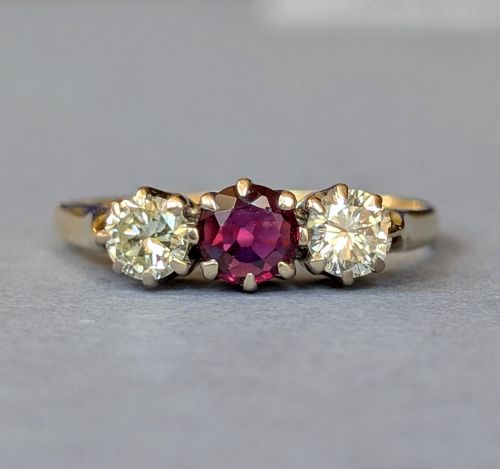
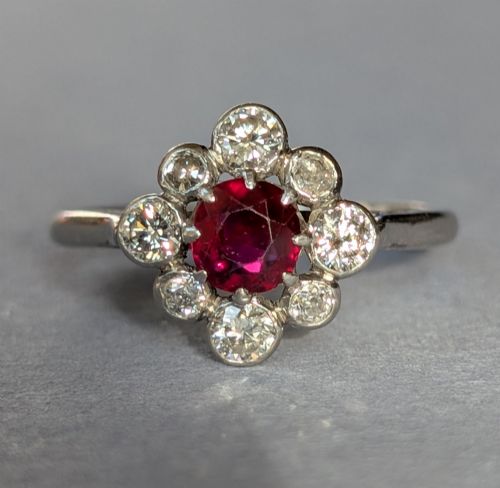
The stones themselves display historical faceting techniques, moving from early old mined and transitional cuts to the precise geometry of mid-century round brilliants. Master artisans combined these brilliant gems with contrasting natural stones such as rubies and sapphires to form balanced, multi-gem compositions.
Several rings sneak in tiny rose cut diamond shoulders, as if the main stone simply refused to travel alone.
What varies in quality
The character of the diamond faceting also dictates the standard of the piece, with well-proportioned symmetry and clear material elevation separating exceptional examples from standard production. Artisanal precision in mounting layout ensures that secondary gems, such as surrounding rubies or sapphires, complement rather than overwhelm the central round diamond.
The Round Cut Diamond Glossary
- Cluster ring
- A jewellery design featuring a prominent central stone encircled by a group of smaller gems. This arrangement magnifies the overall visual presence on the hand.
- Old cut
- An historic diamond faceting style characterised by a smaller table, higher crown and open culet. These vintage cuts produce a distinctive, softer scintillation under candlelight.
- Trilogy ring
- A three-stone ring symbolising the past, present and future through a progression of graduated gems. These pieces frequently pair a dominant centre diamond with matching side stones.
- Eternity ring
- A band set continuously around the finger with gemstones symbolising unending affection. Versions feature round diamonds set fully or halfway across the precious metal hoop.
Round Cut Diamond: Frequently Asked Questions
What periods do these diamond pieces represent?
The available selection spans from Edwardian and Victorian creations through the geometric lines of the Art Deco era up to mid-century modern designs.
Each period imparts distinct stylistic signatures upon the mountings and the specific faceting style of the diamonds.
Which metals are commonly found in these settings?
Platinum and 18ct gold in white, yellow and rose hues form the primary structural foundations for these historic jewels.
Platinum gained immense favour during the Art Deco period for its strength, while gold provided warmth in Edwardian and mid-century pieces.
How do old cut diamonds differ from modern stones?
Historic cuts feature hand-polished facets shaped by earlier artisans, resulting in a deeper pavilion and characteristic broad flashes of light.
Modern round brilliant cuts utilise precise mathematical proportions designed for maximum light return and contemporary sparkle.
How should I care for vintage diamond jewellery?
Maintain these delicate pieces by storing them individually to prevent metal and gemstone abrasion during periods of inactivity.
Professional cleaning by a specialist ensures that historic settings and claw prongs remain secure around the stones.