



Rosewood Marble Top Cupboard
A rosewood marble top cupboard brings rich grain and a cool stone surface together, offering a stately focal point for a formal interior.
Rosewood Marble Top Cupboard
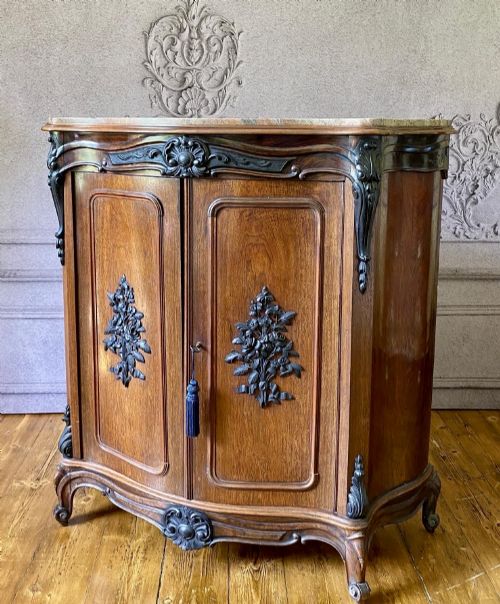
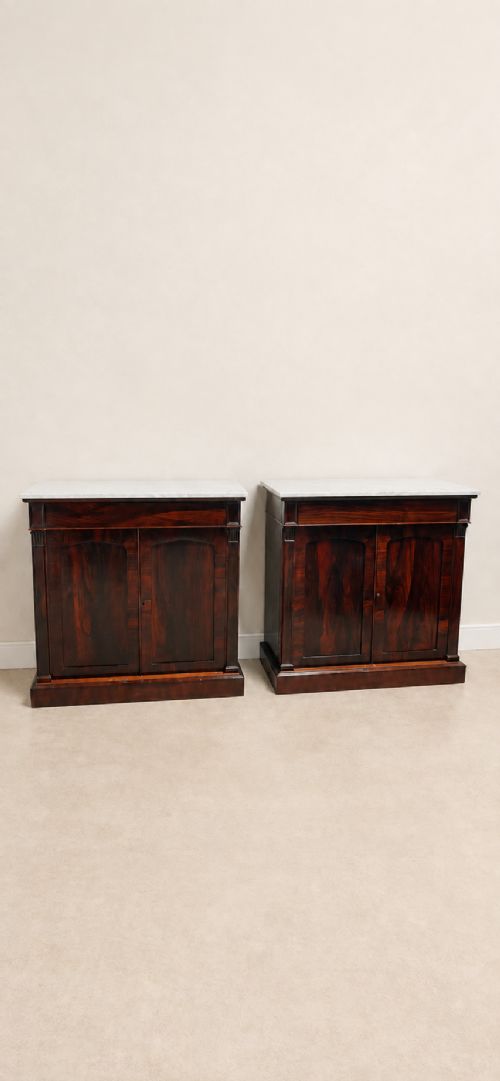
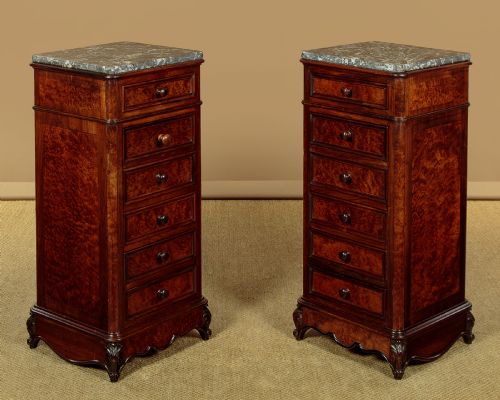
A rosewood marble top cupboard combines dark, heavily figured timber with a smooth stone slab, creating a robust yet refined piece of furniture. When exploring a rosewood marble top cupboard, you encounter diverse nineteenth-century forms ranging from compact bedside pedestals to grand side cabinets.
The selection encompasses distinct stylistic influences, including Regency, Victorian, and French revival designs. Pieces often feature brass inlays, marquetry, or ormolu mounts alongside the primary timber and marble construction.
Origins stretch across English workshops and French ateliers, occasionally including Anglo-Indian colonial examples. These variations ensure that each rosewood marble top cupboard fulfills a specific decorative and storage role within a room.
How they were made
Craftsmen built these cabinets using dense rosewood veneers applied to solid secondary timbers, sometimes incorporating exotic woods like kingwood and amboyna for contrasting detail. Metal elements such as brass inlays, gilt bronze, and ormolu mounts were meticulously fitted into the wooden carcase.
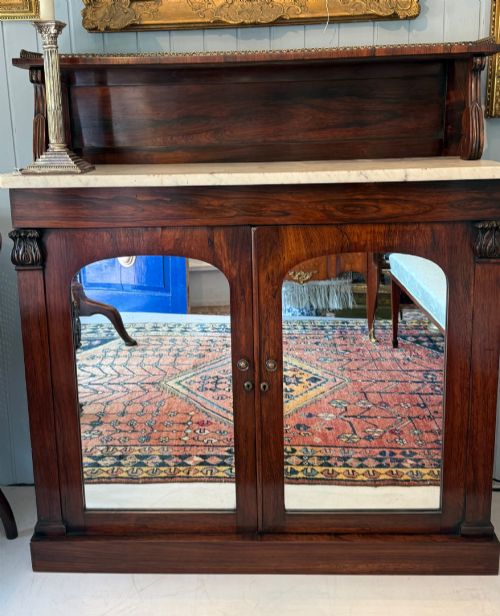
Heavy marble slabs were selected to sit flush upon the upper surface, providing a durable and decorative counter. Additional enrichment came from hand-carved details, ebony stringing, and glazed or fabric-backed door panels.
Rosewood Marble Top Cupboard Retail Price Guide 2026
Typical asking prices for rosewood marble top cupboard among the pieces listed under this phrase on Sellingantiques today, from the lower quarter to the upper quarter. They describe what is for sale here now, not the wider market.
Several cabinets include secret compartments designed to hide valuables from overly curious guests.
What varies in quality
The sophistication of the timber figure and the precision of the cabinetmaking set finer examples apart from simpler utilitarian pieces. Superior items display harmonious grain matching across the doors and drawers, alongside crisply cast ormolu and intricate brass inlay.
The selection and thickness of the marble top also dictate the tier of craftsmanship, with well-matched stone and refined edge profiling marking the most accomplished workshops.
Louis Constantin Le Gaigneur·Gillows
The Rosewood Marble Top Cupboard Glossary
- Ormolu
- Gilded bronze mounts applied to furniture for decorative enrichment. These metallic elements add distinct French flair to nineteenth-century cabinetwork.
- Marquetry
- The art of applying pieces of veneer to a structure to form decorative patterns. Craftsmen utilised various exotic woods to create intricate floral or geometric designs.
- Chiffonier
- A small sideboard or cabinet featuring a raised shelf or superstructure on the top. This form evolved during the nineteenth century to hold glassware and decorative objects.
- Pier cabinet
- A low cabinet designed specifically to fit against the wall space between windows. These pieces frequently incorporate glass doors and detailed mounts.
- Pedestal cabinet
- A tall, narrow freestanding cupboard often utilised as a bedside table or paired flanking a larger piece. They typically house a single door enclosing interior shelves or drawers.
Rosewood Marble Top Cupboard: Frequently Asked Questions
How do I care for marble tops?
Clean the stone surface regularly with a soft cloth and mild, pH-neutral soap to prevent staining from acidic liquids.
Avoid abrasive cleaners and harsh chemicals that can dull the polished finish over time.
Where should I place a side cabinet?
Position your cabinet in a dining room or hallway where the durable stone top can withstand daily use while displaying decorative objects.
Ensure the piece is kept away from direct heat sources to protect the delicate rosewood veneer.
How do I identify Regency pieces?
Look for classical architectural proportions, dark rosewood surfaces, and restrained brass inlay work typical of the early nineteenth century.
Many examples from this period exhibit clean lines inspired by ancient Greek and Roman design.
What is a meuble d'appui?
This term translates from French as a supporting piece of furniture, generally referring to a low freestanding cabinet.
They were designed to stand against a wall and provide both display space and enclosed storage.