


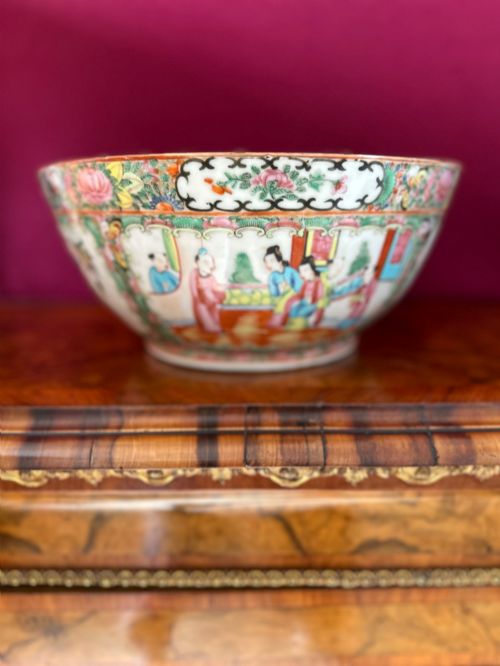
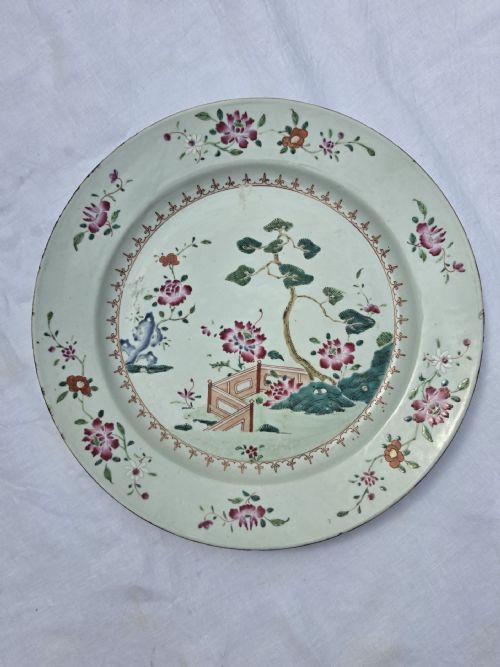


Rose Painted Porcelain Dish
A rose painted porcelain dish brings botanical colour and historic ceramic craft directly to a tabletop, appealing to collectors of fine tableware.
Rose Painted Porcelain Dish
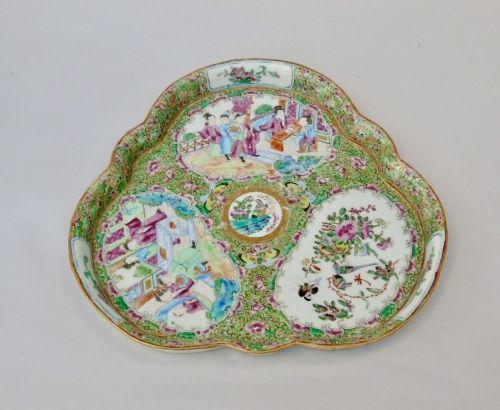
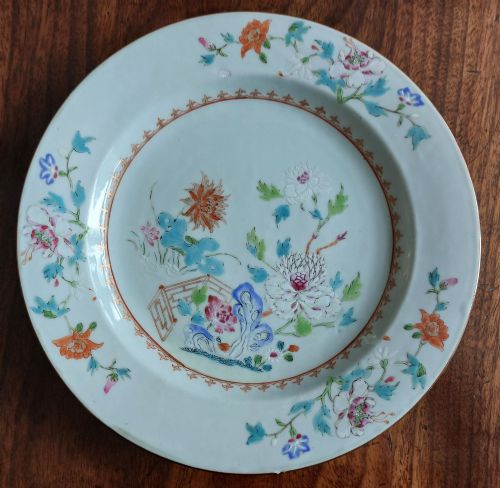
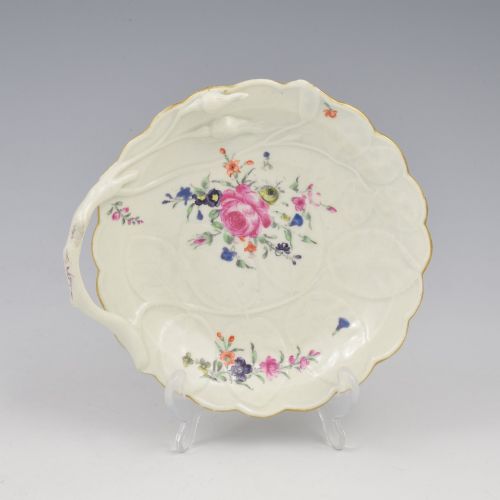
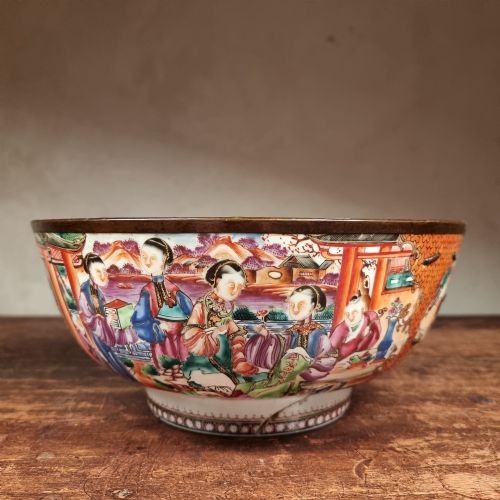
A rose painted porcelain dish encompasses decorative bowls, chargers, dessert plates, and trays originating from multiple centuries and traditions. When searching for a rose painted porcelain dish, buyers frequently encounter pieces from Chinese export workshops of the eighteenth and nineteenth centuries, alongside English factory wares from the Georgian, Victorian, and later periods.
The forms vary widely from lobbed rectangular bowls and trefoil trays to standard round plates and pedestal dishes. Chinese Famille Rose and Canton pieces dominate the selection, often featuring detailed floral motifs and botanical scenes alongside English armorial and floral designs.
How they were made
Potters shaped these objects from hard-paste and soft-paste porcelain before applying complex overglaze enamels by hand. The floral motifs and rose details required precise brushwork executed directly onto the fired ceramic body.
Makers incorporated gold leaf, gilding, and enamel highlights to accentuate the painted surfaces, often firing the pieces multiple times to set the vibrant colours.
Rose Painted Porcelain Dish Retail Price Guide 2026
Typical asking prices for rose painted porcelain dish among the pieces listed under this phrase on Sellingantiques today, from the lower quarter to the upper quarter. They describe what is for sale here now, not the wider market.
Materials documented across the inventory include hard-paste porcelain, soft-paste porcelain, enamel, and gold leaf.
What varies in quality
The refinement of the hand-painted brushwork sets the finer examples apart from standard utilitarian items, particularly in the rendering of botanical petals and plumage. Superior pieces display crisp definition in the enamel work and controlled application of gilding that remains sharp across the surface.
The historical significance of the maker or kiln influences the standing of individual items, with documented English porcelain manufactories and well-attributed Qing dynasty pieces commanding greater attention from serious collectors.
Bloor Derby·Royal Crown Derby·Royal Worcester
The Rose Painted Porcelain Dish Glossary
- Famille Rose
- A palette of opaque rose-pink enamel introduced to Chinese porcelain during the Qing dynasty. This palette defined numerous export wares featuring floral and figural subjects.
- Hard-paste porcelain
- A dense, vitrified ceramic material composed of kaolin and petuntse fired at high temperatures. It forms the durable body of many Asian and European historical dishes.
- Overglaze enamel
- Pigments applied over the fired and glazed ceramic surface before undergoing a subsequent low-temperature firing. This technique allows for a broad spectrum of bright decorative colours.
- Armorial
- A decorative scheme incorporating a family coat of arms or heraldic crest. These bespoke designs were frequently commissioned on export porcelain.
- Charger
- A large decorative plate or platter utilised historically for service or display. They showcase expansive painted compositions across the central well and rim.
Rose Painted Porcelain Dish: Frequently Asked Questions
How do I care for antique porcelain dishes?
Wash these delicate ceramic pieces by hand utilising lukewarm water and mild soap, avoiding modern dishwashers entirely. Dry them thoroughly with a soft cloth to protect the historic enamel and gilding.
Display them securely away from direct sunlight and high traffic areas to prevent accidental impact or surface degradation.
Can I use these antique dishes for food?
Historic porcelain with overglaze enamel and gold leaf is generally recommended for display rather than daily dining use. Acidic foods can interact with older enamels, and cutlery may scratch the glazed surface.
Gentle service during special occasions remains acceptable if handled with appropriate care and washed immediately afterwards.
How do I identify Chinese export porcelain?
Look for characteristic glaze textures, iron-red highlights, and specific palette traits such as the opaque pinks found in Famille Rose wares. The potting style and foot rim characteristics often point towards Qing dynasty production methods.
Comparing motif layouts with documented export pieces helps confirm period authenticity and regional origin.