


Rose Gold Dress Ring
A rose gold dress ring carries the quiet warmth of nineteenth and twentieth-century goldsmithing, offering distinct character for daily wear.
Rose Gold Dress Ring
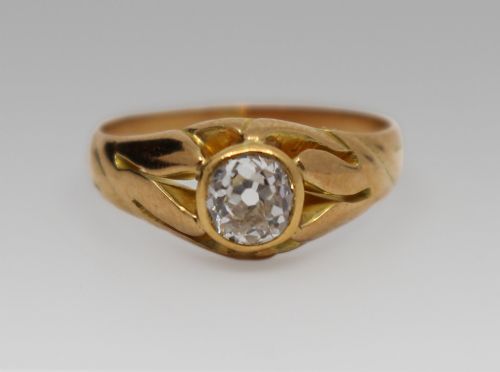
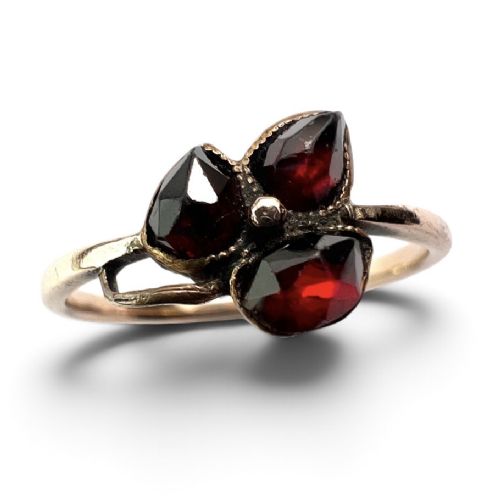
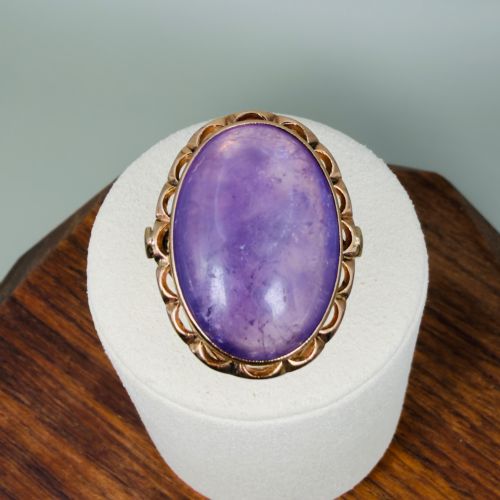
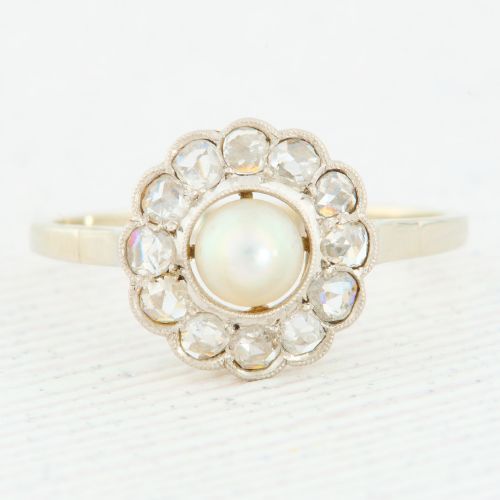
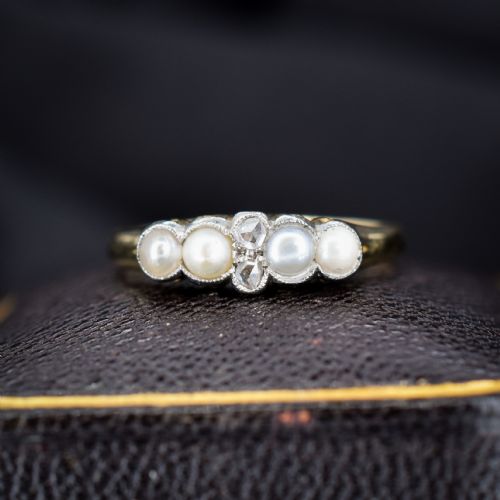
A rose gold dress ring is a decorative hand ornament created to showcase coloured gems, diamonds, and distinctive metalwork across multiple historic periods. You will encounter Victorian flower clusters, Edwardian diamond settings, and mid-century amethyst solitaires among the options gathered here.
The materials span standard gold alloys alongside silver and platinum combinations, frequently paired with rubies, sapphires, garnets, opals, and pearls. These pieces reflect centuries of shifting tastes, from Georgian enamel work to retro twentieth-century designs.
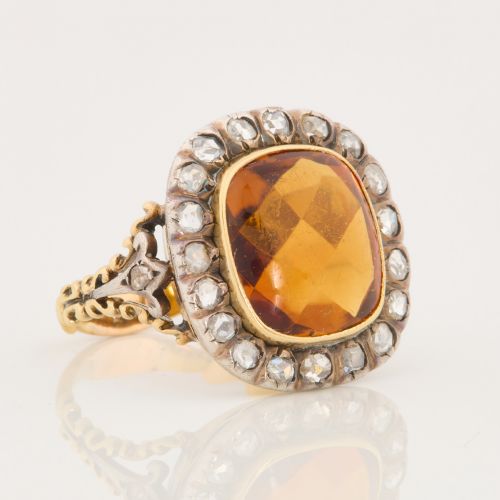
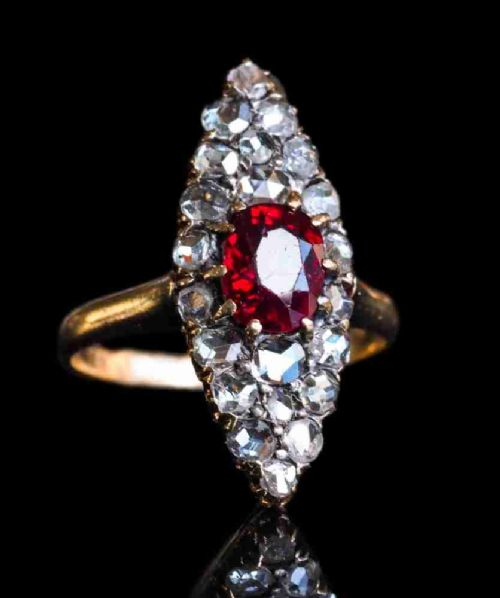
Most examples found on this page lean heavily into Victorian, Edwardian, and mid-century aesthetics, often incorporating rose-cut diamonds and cabochon stones. Each item functions as a wearable piece of history shaped by past artisans.
How They Were Made
Goldsmiths utilised varying caratages of gold, silver, and platinum, frequently combining silver-topped gold in earlier periods to brighten diamond facets against darker metals. Gemstones were hand-set into custom bezels, navette frames, and cluster arrangements using traditional bench tools.
Stones such as rose-cut diamonds, sapphires, and amethysts were shaped and polished by hand rather than mass-produced machinery, resulting in individual irregularities that confirm their age. Enamel work and delicate granulation further augmented the construction of many Victorian and Georgian specimens.
Listings span from the Georgian era through the Victorian, Edwardian, and mid-century periods, showcasing gold, silver, and platinum.
What Varies in Quality
The standard of a rose gold dress ring rests upon the harmony of its design, the integrity of the gemstone settings, and the preservation of original hand-finishing. Superior examples maintain crisp metalwork and securely retained stones without heavy reshaping over the decades.
Finer specimens display balanced proportions, well-matched natural gemstones, and subtle details such as engraved shoulders or intact enamel work. Lesser quality is often indicated by clumsy past repairs, worn-down prongs, or replacement stones that disrupt the original aesthetic.
The Rose Gold Dress Ring Glossary
- Rose-cut diamond
- A vintage diamond cutting style featuring a flat base and a domed crown with triangular facets that resemble an unopened rosebud. This cut was favoured for its soft, candlelight shimmer.
- Navette
- A boat-shaped ring setting that tapers to sharp points at either end, designed to sit lengthwise along the finger. The shape maximises finger coverage and creates an elegant silhouette.
- Cabochon
- A gemstone shaped and polished with a smooth, rounded top rather than faceted edges. This technique is typically chosen for opals, jade, and star sapphires to highlight their internal lustre.
- Cluster ring
- A ring design featuring a central gemstone surrounded by a border of smaller stones, often diamonds. This arrangement maximises visual impact and light reflection.
- Silver-topped gold
- A manufacturing technique where a thin layer of silver is soldered over gold metalwork, traditionally used in Georgian and Victorian jewellery to provide a white background for diamonds.
Rose Gold Dress Ring: Frequently Asked Questions
How do I care for antique rose gold rings?
Clean these pieces gently with warm soapy water and a soft brush, avoiding harsh chemical dips that can damage softer gems like opals or pearls.
Store them individually in fabric-lined boxes to prevent scratching, and remove them before physical work or swimming.
How can I identify the period of a ring?
Dating relies on observing mounting styles, gemstone cuts, and any assay marks or hallmarks stamped inside the band. Georgian and Victorian pieces often show distinct closed-back settings or hand-engraved details.
Comparing the overall silhouette against known historical design eras provides further confirmation of age.
Are these rings suitable for daily wear?
Most sturdy gold dress rings handle regular daily wear well, provided you check the security of the stone settings periodically. Softer gems like opals or turquoise demand extra caution against knocks and moisture.
Consider removing older or more delicate pieces during rigorous activities to preserve their condition.