





Rope Twist Carved Frame
A rope twist carved frame brings tactile depth to interiors, framing glass with a spiralling pattern that catches light across centuries of design.
Rope Twist Carved Frame
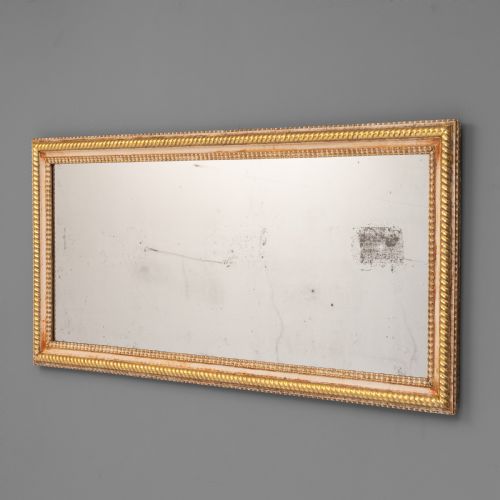
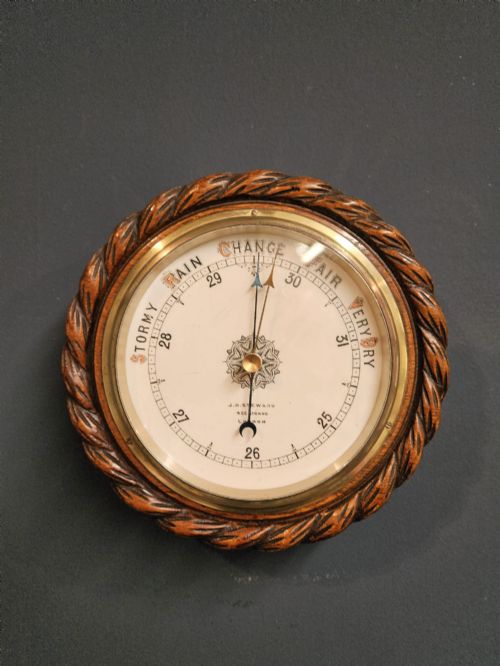
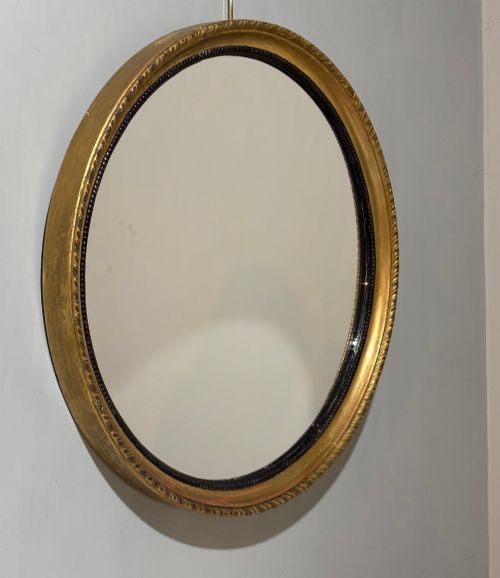
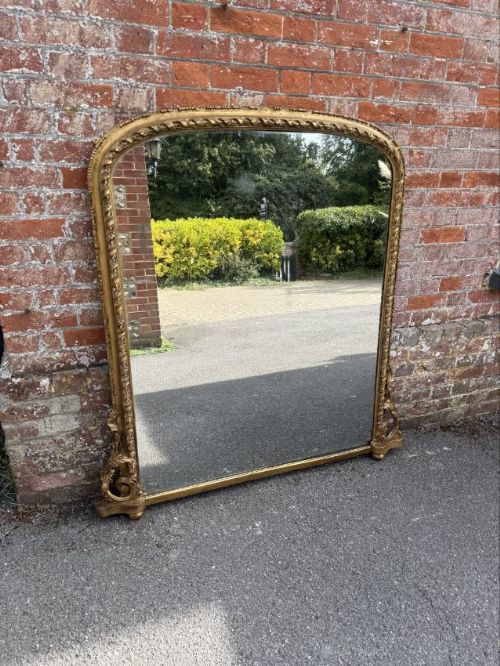
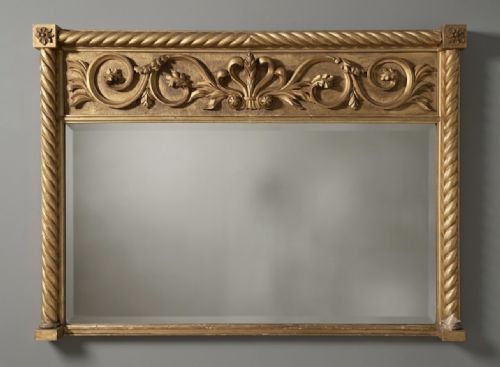
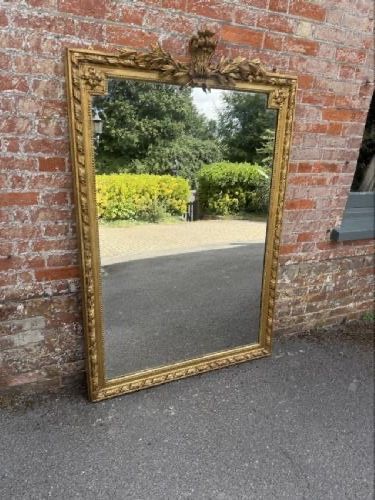
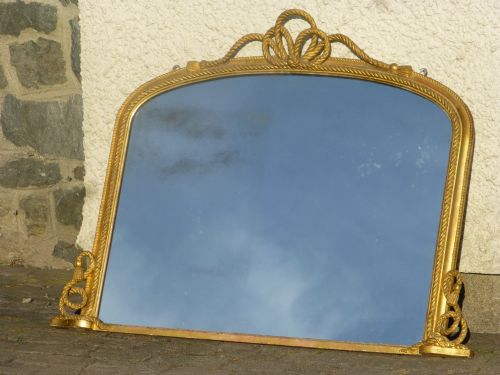
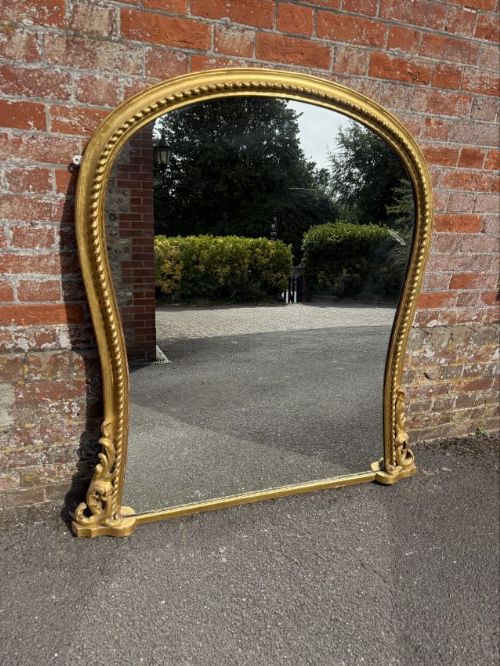
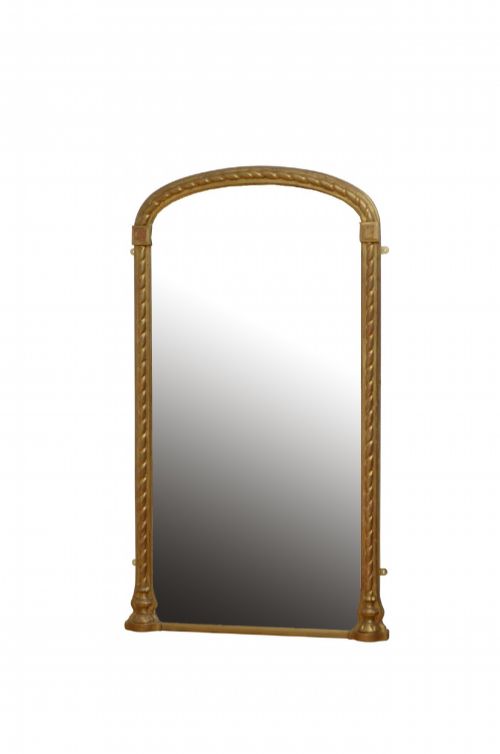
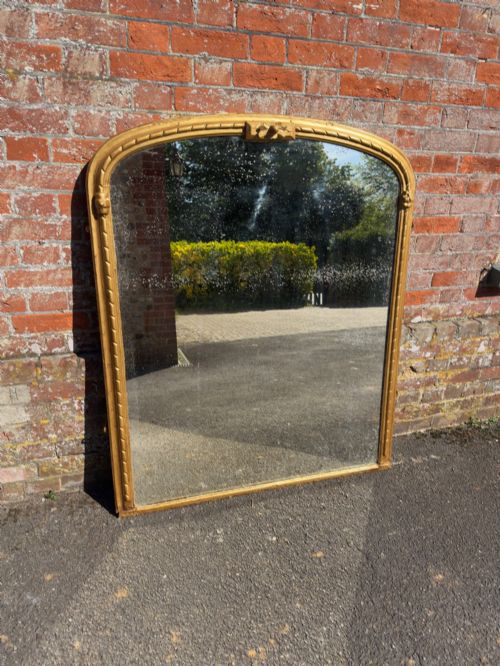
When you search for a rope twist carved frame, you encounter large giltwood and gesso overmantel mirrors alongside wall mirrors, pier mirrors, and ships barometers originating from the eighteenth, nineteenth, and early twentieth centuries. The dominant form on this page is the large nineteenth-century overmantel mirror featuring an arched or shaped top, where the spiralling rope carving frames extensive mirror glass.
Originating predominantly from English and French workshops, these pieces encompass styles such as Regency, George III, and Victorian. Alongside large gilt gesso frames, the selection includes oak barometers and Spanish carved pine mirrors, demonstrating a variety of regional adaptations of the twisted moulding technique.
How they were made
Carvers shaped the foundational wooden structures from timber such as oak, pine, and other native woods, cutting or turning the material to form the characteristic helical rope twist moulding. Over this wooden core, artisans applied layers of gesso to build up crisp relief details before gilding the surface with gold leaf or applying liquid gilding.
Many of the larger overmantel and pier mirrors combine carved wood and gesso frames with original or period mirror glass, securing the heavy plates within the rebated frame backs. Barometers integrate brass components and glass dials directly into the carved wooden housings, combining optical and navigational instruments with decorative joinery.
Rope Twist Carved Frame Retail Price Guide 2026
Typical asking prices for rope twist carved frame among the pieces listed under this phrase on Sellingantiques today, from the lower quarter to the upper quarter. They describe what is for sale here now, not the wider market.
Listings span the eighteenth to the twentieth centuries, featuring oak, pine, gesso, and giltwood across mirrors and barometers.
What varies in quality
The definition and depth of the rope twist carving distinguish finer frames from simpler productions, with hand-chiselled wooden mouldings holding sharper relief than heavily gessoed iterations. The quality of the gilding further separates examples, ranging from warm, hand-laid gold leaf that patinates evenly over time to uniform modern metallic paints.
Structural integrity depends on the preservation of the underlying wooden chassis and the stability of the gesso ornament, which can show shrinkage or separation across the helical twists. The integration of the mirror glass, whether retaining original silvering characteristics or displaying heavy foxing, contributes to the historical integrity of the piece.
Steward
The Rope Twist Carved Frame Glossary
- Gesso
- A plaster-like mixture applied to wood frames to create a smooth surface for gilding. It allows carvers to build up intricate relief details before the application of gold leaf.
- Giltwood
- Timber that has been coated with gold leaf or metallic powder over a preparation base. It provides the reflective golden finish seen on many nineteenth-century frames.
- Overmantel mirror
- A large horizontal or arched glass designed to hang specifically above a fireplace mantelpiece. These frames often incorporate rope twist carving to anchor large wall expanses.
- Pier mirror
- A tall, narrow looking glass designed to hang on the wall space between two windows. They frequently match the architectural scale of nineteenth-century reception rooms.
- Girandole
- A decorative wall mirror featuring attached candle sconces that project outwards. The reflective glass multiplies the candlelight within the room.
Rope Twist Carved Frame: Frequently Asked Questions
Where should I hang an overmantel mirror?
These large mirrors traditionally sit directly above a fireplace mantelpiece, anchoring the focal point of a reception room. Their scale also suits placement along principal living room walls to reflect natural light.
Ensure the wall construction supports the considerable weight of timber, gesso, and glass frames. Secure them using appropriate heavy-duty fixings attached directly to wall studs or masonry.
How do I care for giltwood frames?
Dust the carved rope twist mouldings gently with a dry, soft-bristled brush to prevent particulate buildup in the recesses. Avoid chemical cleaning products, water, or abrasive cloths that can strip the delicate gold leaf or gesso layers.
Keep the mirrors away from direct, harsh sunlight and excessive moisture fluctuations to protect the timber substrate from warping. Stable indoor environments preserve both the gilded surfaces and the historic glass.
Are ships barometers accurate?
Historic barometers record atmospheric pressure changes using mechanical aneroid or mercury systems housed within carved wooden bodies. While many retain their working mechanisms, they function primarily as decorative instruments rather than precise modern meteorological tools.
Calibration requires minor adjustments against known local pressure readings using the visible brass indicators. Their primary appeal lies in maritime heritage and nineteenth-century domestic science.
How do I distinguish Regency from Victorian frames?
Regency frames often display neoclassical restraint, cleaner architectural lines, and influences from George III design. They favour balanced proportions and crisp, classical detailing within the gilded mouldings.
Victorian pieces frequently scale up in size, incorporating heavier gesso ornamentation, arched crests, and more exuberant rope twist or beaded motifs. They reflect the industrial expansion and decorative confidence of the later nineteenth century.