

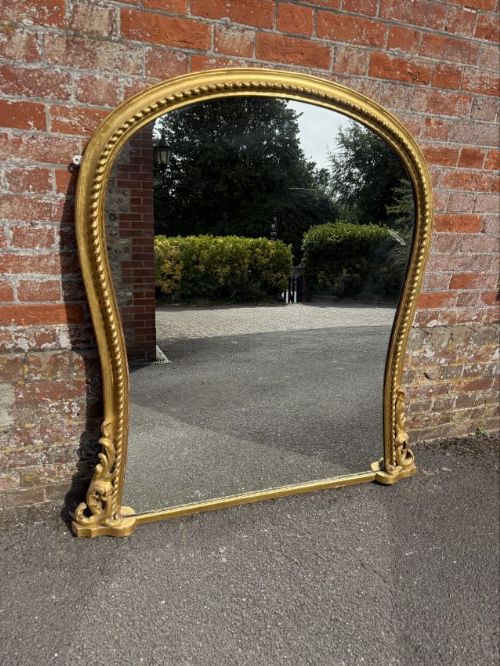
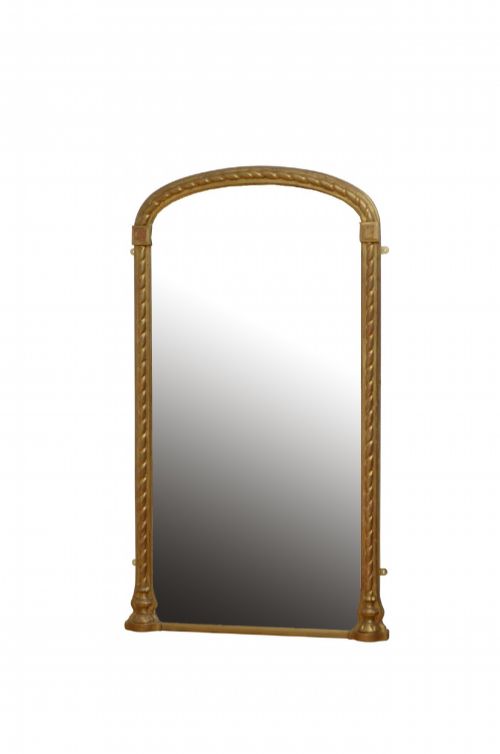


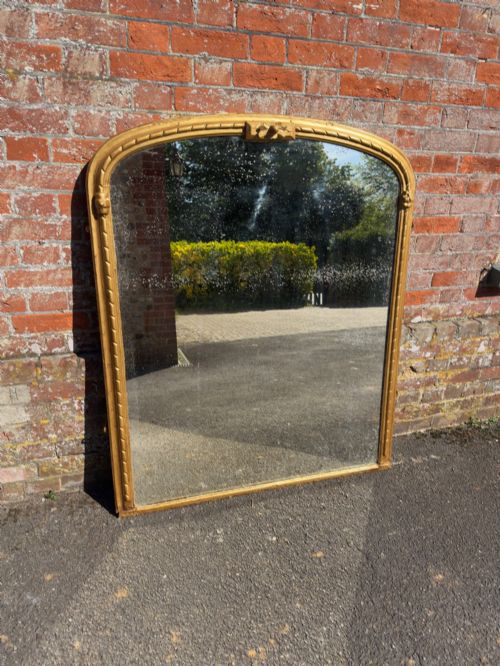


Rope Carved Mirror
A rope carved mirror brings warmth and texture to an interior through intricately turned framing.
Rope Carved Mirror
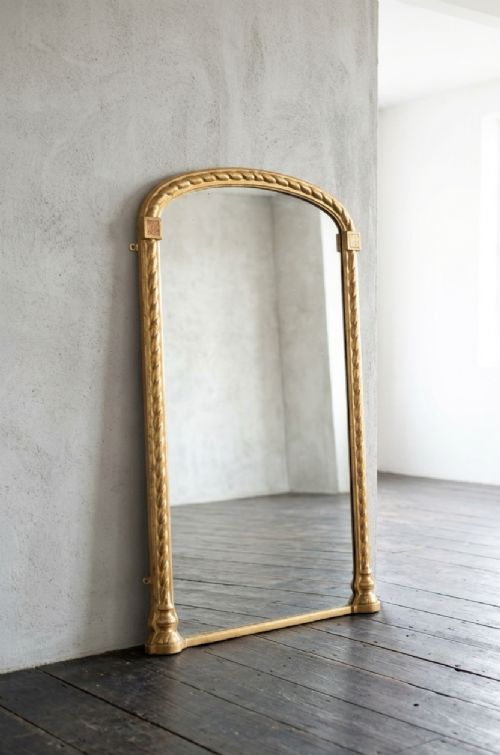
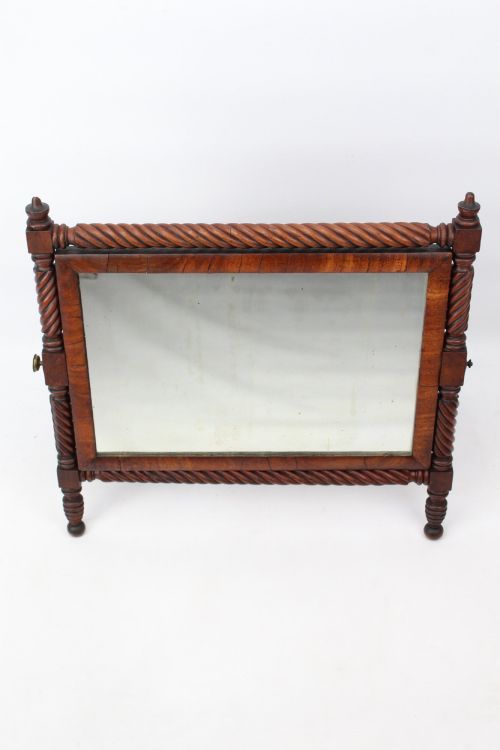
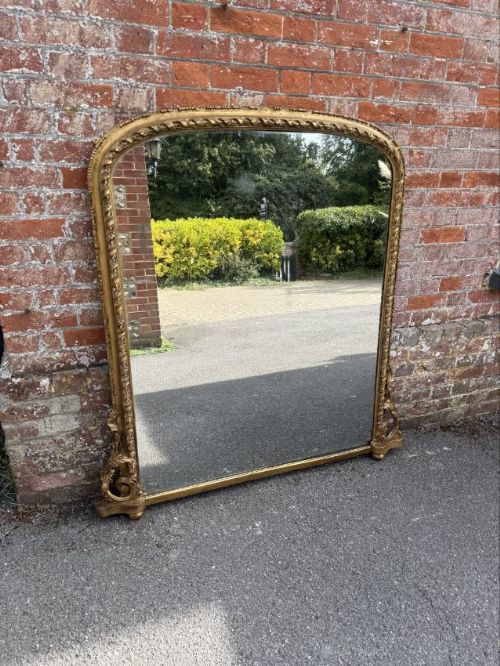
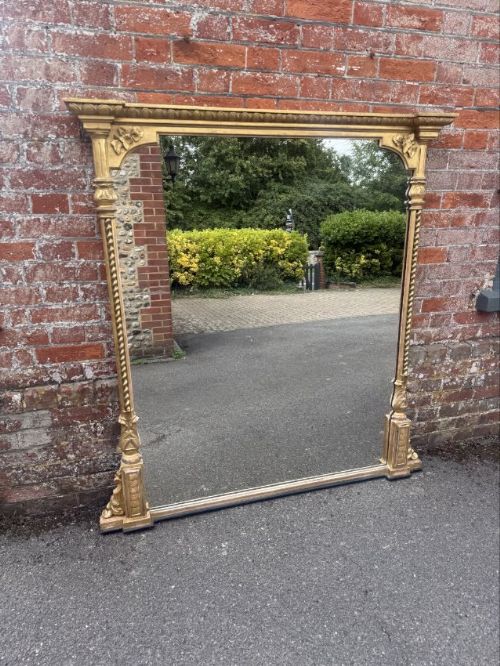
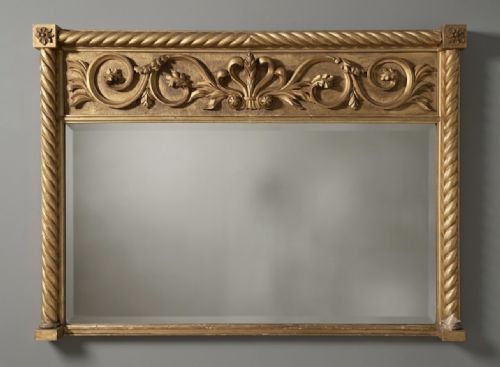
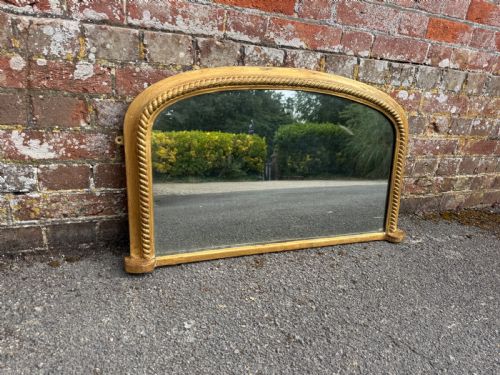
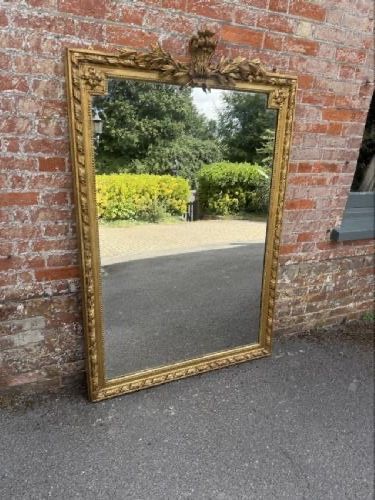
A rope carved mirror is a framed looking glass defined by twist or cable motifs carved directly into the border. The selections on this page centre heavily on nineteenth century overmantel and wall mirrors, alongside pier mirrors and girandoles.
Most examples originate from English and French workshops of the nineteenth century, spanning the Regency, Victorian, and later periods. Builders constructed these items to anchor principal reception rooms, often mounting them above mantelpieces or between windows.
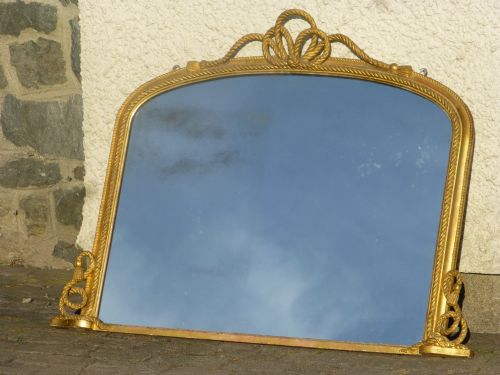
Forms include large arched top overmantels, portrait shapes, and round girandole configurations. While the overwhelming majority of pieces date to the eighteen-hundreds, occasional regional pine or walnut variations appear.
How they were made
Artisans built the primary structure from timber such as carved wood, pine, or walnut, shaping the central core before applying surface ornamentation. They utilised gesso layers moulded over the wooden base to build up crisp relief details for the twist or rope motifs.
Makers finished these surfaces with gold leaf, giltwood, or water gilding, applying thin metallic sheets over the prepared gesso ground. Certain items display painted finishes or exposed wood grain instead of metallic leaf.
Glaziers set original mirror glass into the rabbet behind the frame, frequently utilising heavier plates with bevelled or flat edges suited to large scale overmantels.
Rope Carved Mirror Retail Price Guide 2026
Typical asking prices for rope carved mirror among the pieces listed under this phrase on Sellingantiques today, from the lower quarter to the upper quarter. They describe what is for sale here now, not the wider market.
One exceptional girandole brings a nautical twist to the parlour, proving that even strict Victorians enjoyed a bit of maritime flair.
What varies in quality
Quality rests on the depth and sharpness of the hand-carved rope twist and the integrity of the underlying gesso. Finer pieces maintain crisp helical ridges without the flattening or softening caused by worn moulds or heavy over-restoration.
The application of the gilding further separates standard items from exceptional ones. True water gilding on bole shows a rich, burnished depth that ages with a warm patina, whereas coarser bronze paints appear flat and uniform.
The Rope Carved Mirror Glossary
- Gesso
- A plaster mixture applied to wood frames to create a smooth surface for carving or gilding. Artisans built up intricate relief motifs using this compound before applying metallic leaf.
- Giltwood
- Timber coated with gold leaf or gold paint for a decorative metallic finish. This material characterises the majority of nineteenth century frames.
- Overmantel Mirror
- A large looking glass designed specifically to hang above a fireplace mantel. These pieces frequently feature arched tops to match architectural proportions.
- Girandole
- A wall mirror fitted with attached candle sconces or arms. The reflective surface multiplies the candlelight within a darkened room.
- Pier Mirror
- A tall, narrow looking glass built to hang on the wall space between two windows. These items often sat above low console tables.
Rope Carved Mirror: Frequently Asked Questions
How do I identify the period of a mirror?
Examine the construction methods visible on the reverse of the frame, including timber types and assembly pegs.
Stylistic cues such as Regency proportions or Victorian crestings help narrow down the manufacturing decade.
Are the mirror plates original?
Many nineteenth century frames retain their original glass, which often exhibits minor foxing and subtle distortion.
Replacement glass appears in some pieces where the original silvering degraded beyond practical use.
How do I clean a gilded frame?
Dust the carved rope twists gently with a soft dry brush to prevent accumulation in the recesses.
Avoid liquid cleaners and moisture, as water or harsh chemicals will damage historic gesso and gold leaf.