


Rococo Wooden Table
These rococo wooden table pieces bring ornate fluidity to a room through asymmetric scrolls and carved organic lines.
Rococo Wooden Table
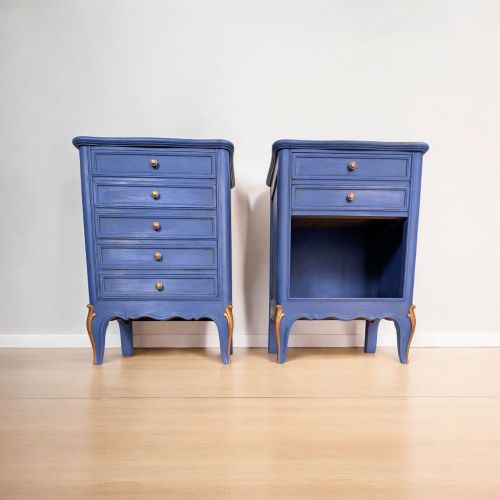
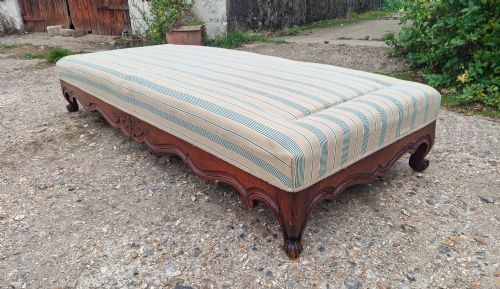
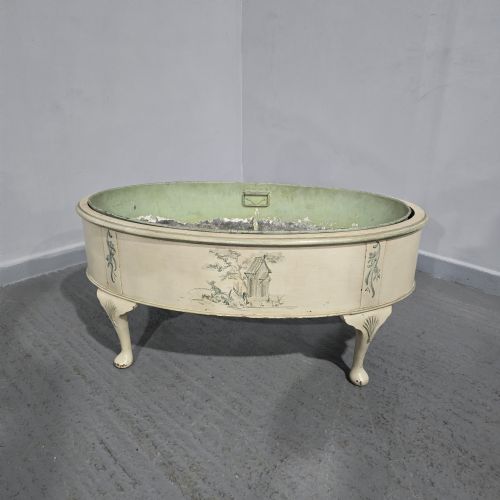
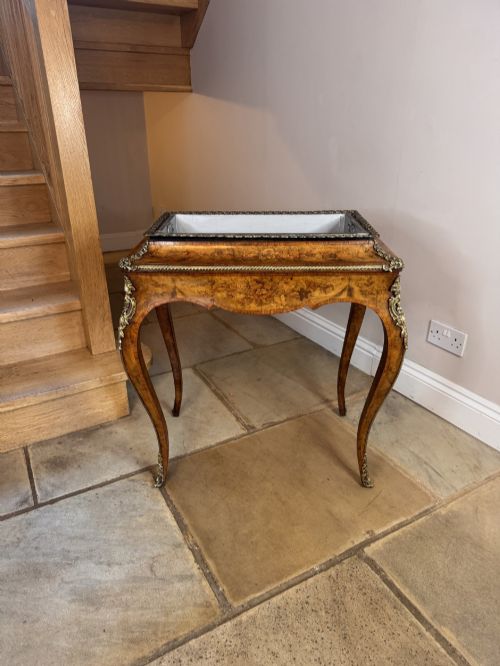
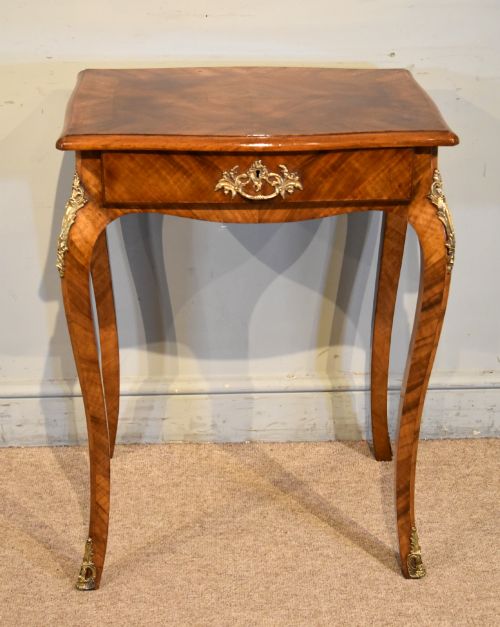
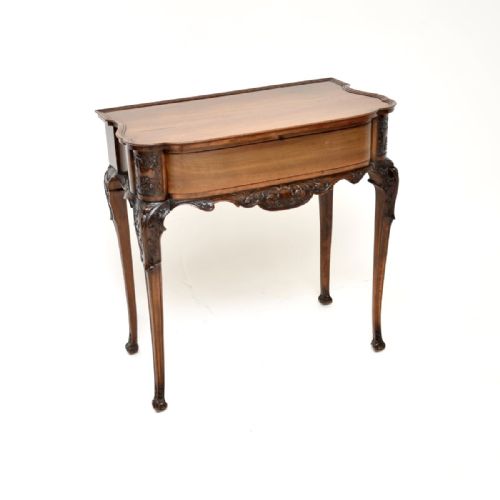
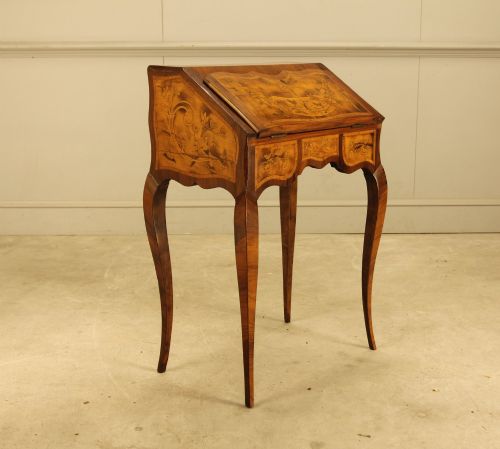
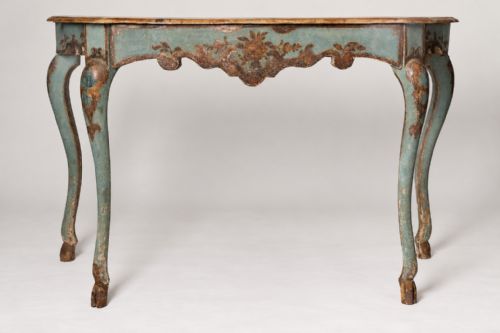
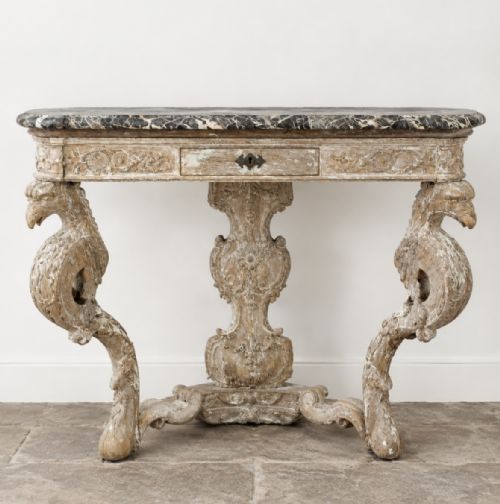
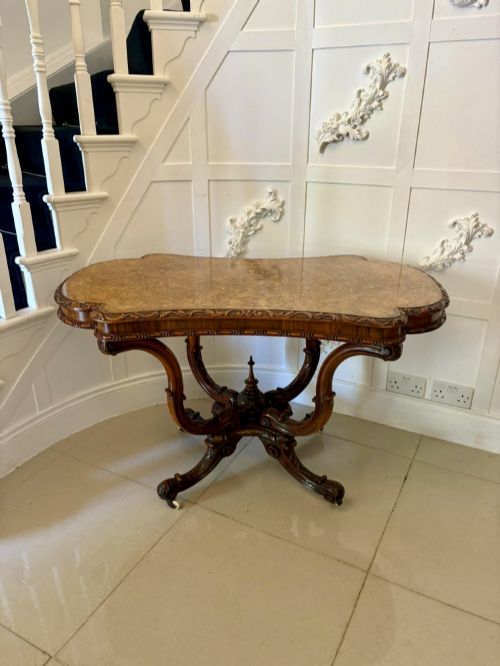
A rococo wooden table unites the sinuous carving of the French revival movements with practical household surfaces. Buyers searching this phrase encounter console tables, centre tables, occasional tables, coffee tables, and bedside cabinets.
The most common forms on this page stem from the nineteenth century, including Victorian interpretations and French Louis XV revival pieces. Italian iterations also appear, spanning console formats and smaller lamp tables.
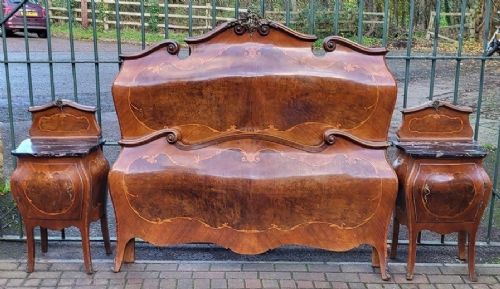
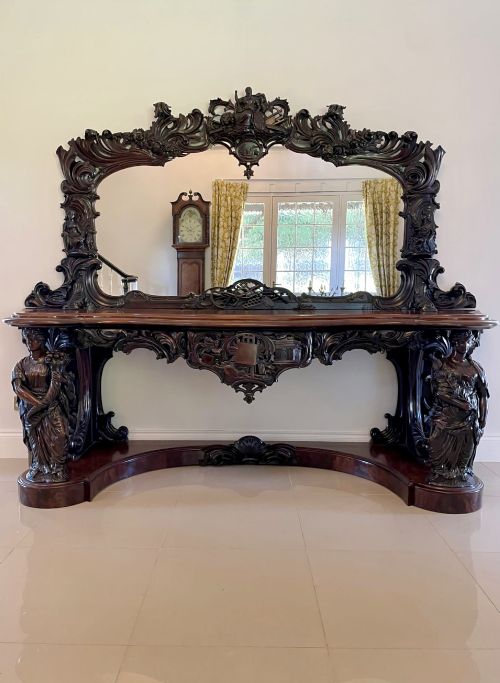
These items range from wall-mounted console ledges designed for mirrors to freestanding centre tables and compact bedside chests. The underlying woodwork relies on walnut, burr walnut, kingwood, and painted finishes.
Materials and construction
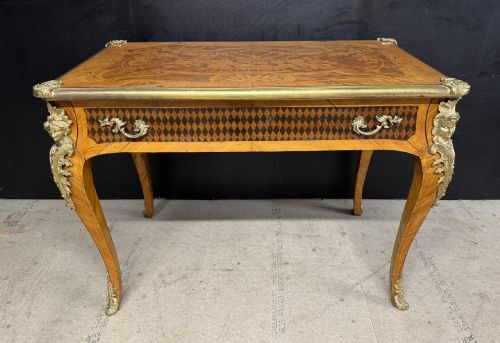
Makers utilised solid timbers alongside veneered surfaces, favouring walnut, burr walnut, and kingwood for rich grain patterns. Marquetry inlay adds geometric or floral decoration to table tops, while other surfaces receive paint or gilt finishes.
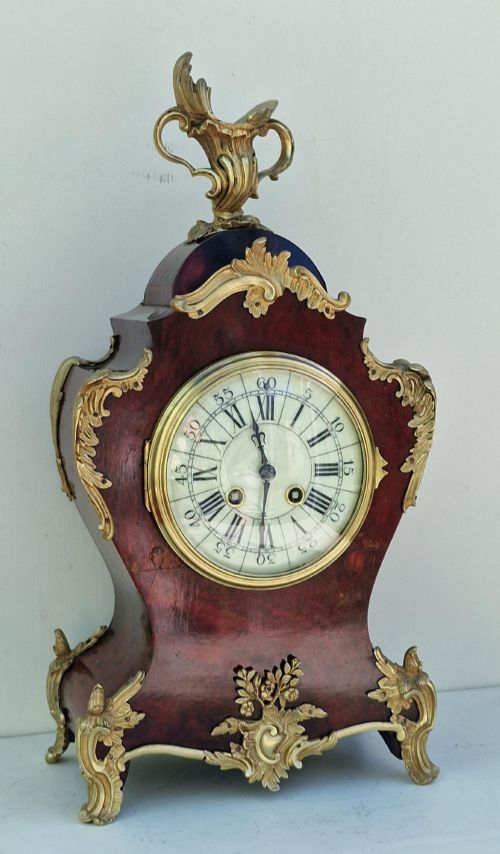
Carved structural elements rely on manual dexterity to shape cabriole legs and scrollwork, sometimes incorporating marble tops or ormolu mounts. The combination of dense hardwoods and cast bronze ornamentation defines the physical weight of these pieces.
Rococo Wooden Table Retail Price Guide 2026
Typical asking prices for rococo wooden table among the pieces listed under this phrase on Sellingantiques today, from the lower quarter to the upper quarter. They describe what is for sale here now, not the wider market.
Listings feature walnut, kingwood, and burr walnut, alongside ormolu mounts and marble tops.
Distinctions in execution
Quality rests in the depth and crispness of the hand-carving along the apron and legs. Sharply defined acanthus leaves and fluid scrolls separate superior craftsmanship from soft, mechanical moulding.
The selection of timber veneers and the precision of marquetry inlay dictate visual hierarchy. Finer examples balance robust structural joinery with delicate surface ornamentation and intact original mounts.
François Linke
The Rococo Wooden Table Glossary
- Console table
- A table designed to stand against a wall, frequently fixed with brackets or resting on front legs. These items often support heavy marble tops and mirror frames.
- Cabriole leg
- A furniture leg that curves out and then in, mimicking the shape of an animal's leg. This form underpins much of the rococo aesthetic.
- Marquetry
- Decorative patterns formed by the insertion of pieces of veneer into a wood base. This technique creates complex pictorial or geometric designs on table tops.
- Ormolu
- Gilt bronze mounts applied to furniture for decorative accent. These metal elements enhance the contours of cabinet work and table frames.
- Demi-lune
- A half-moon or semicircular shape. Console tables frequently adopt this footprint to fit flat against interior walls.
Rococo Wooden Table: Frequently Asked Questions
How were console tables used historically?
Console tables served as decorative architectural fixtures in formal reception rooms and hallways. They were traditionally positioned against walls beneath large mirrors or paintings.
Their surfaces held decorative objects such as clocks, candelabra, and porcelain, while the tables themselves contributed to the symmetrical balance of an interior scheme.
How do I care for an antique wood table?
Maintain antique wooden surfaces by keeping them away from direct sunlight and sudden temperature shifts, which can dry out timber and crack veneers. Dust regularly with a soft, dry cloth.
Avoid commercial silicone sprays and waxes that build up residues, opting instead for traditional beeswax applied sparingly when the wood appears dry.
How can I tell a nineteenth-century revival piece apart?
Nineteenth-century revival pieces display machinery marks, standardised construction methods, or timber preparations distinct from eighteenth-century originals. Close inspection of joinery reveals the technological shifts of the later period.
Stylistic proportions also tend to reflect Victorian or Edwardian interpretations of Louis XV and sixteenth-century aesthetics rather than pure period execution.