
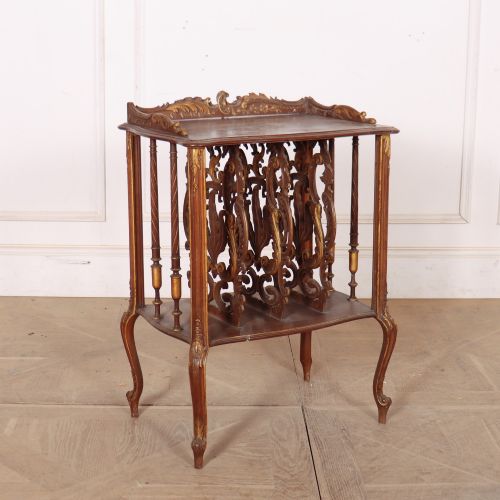


Rococo Walnut Cabinet
A rococo walnut cabinet brings fluid, organic lines and rich timber grain into a room, offering both practical storage and sculptural presence.

Rococo Walnut Cabinet
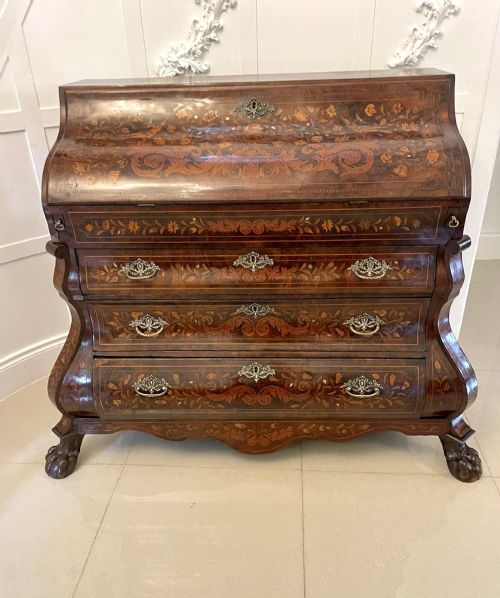
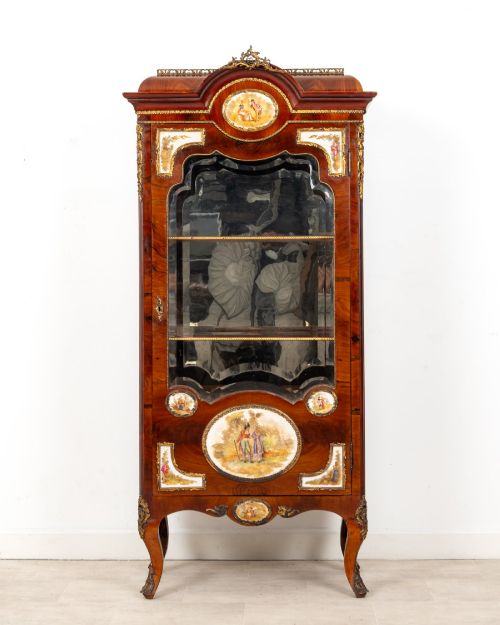
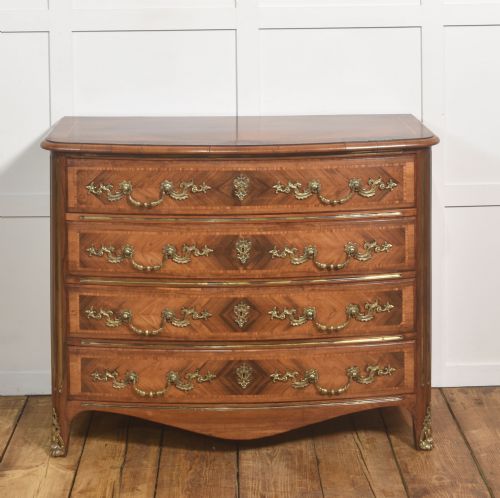
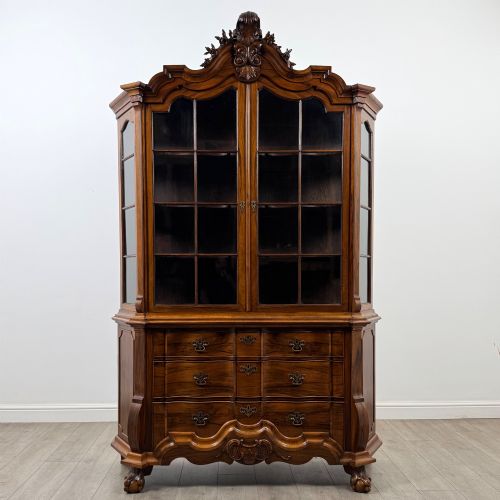
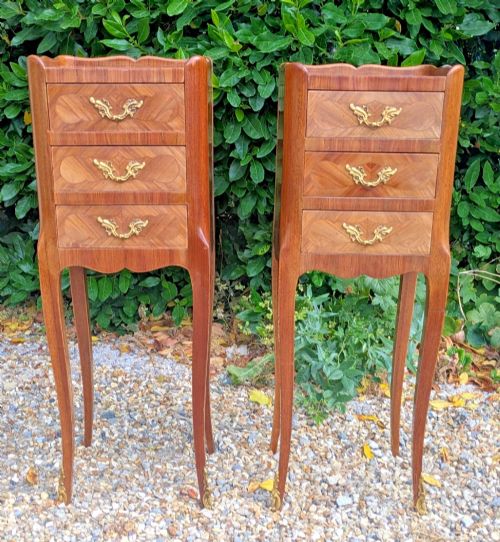
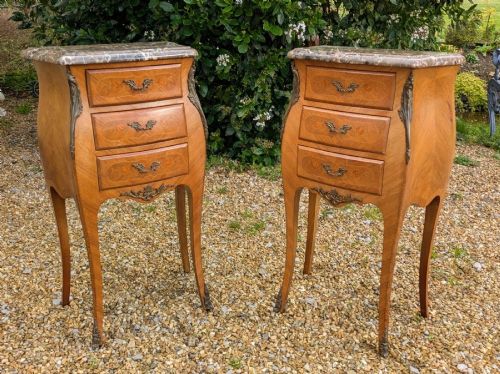
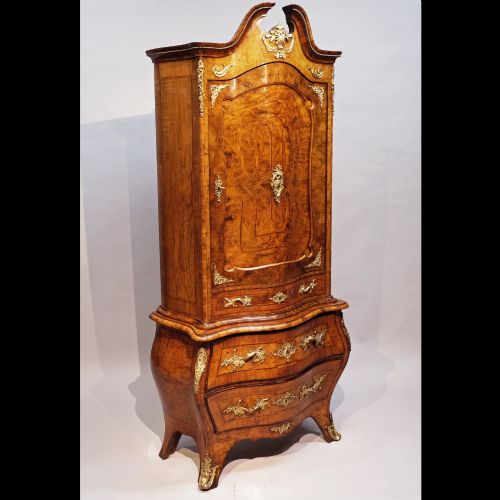
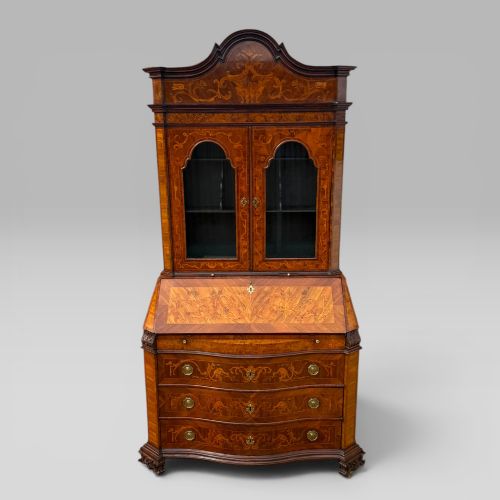
When you search for a rococo walnut cabinet, you encounter a selection spanning the eighteenth century through to later revival periods, including French Louis XV styles, Italian Venetian pieces, and Dutch designs. These items appear in various forms, from large bureau bookcases and commodes to bedside tables and display cabinets, reflecting diverse European cabinet-making traditions.
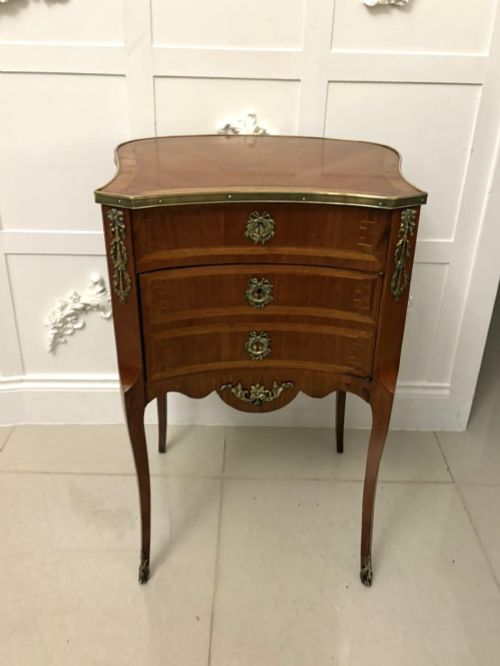
The eighteenth-century originals showcase period craftsmanship, whilst nineteenth-century and early twentieth-century revivals adapt the same flowing silhouettes and decorative schemes for later interiors. Bedside cabinets, commodes, and side cabinets dominate the available examples, often featuring serpentine fronts and bombé shapes.
Originating from workshops across France, Italy, Germany, and the Netherlands, these pieces demonstrate how regional makers interpreted the asymmetrical curves and shell motifs characteristic of the style. Walnut serves as the unifying medium, paired occasionally with exotic timbers in marquetry details.
How they were made
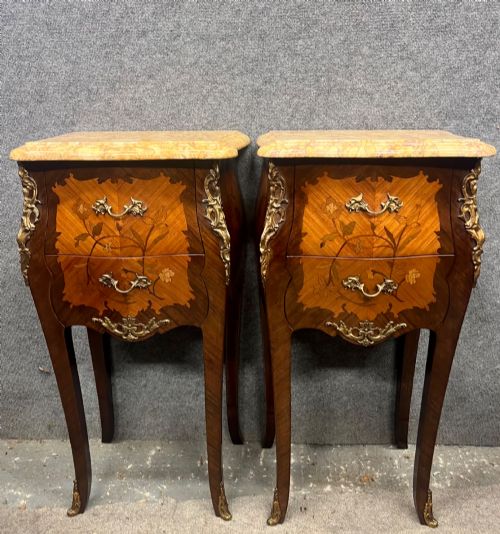
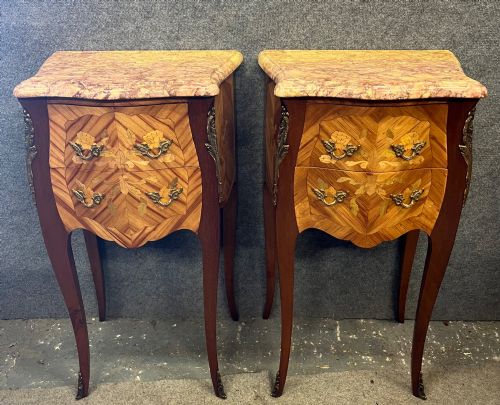
Cabinet-makers constructed these pieces using solid walnut and burr walnut veneers, often laying intricate floral marquetry patterns across curved surfaces using timbers like tulipwood, kingwood, and rosewood. The underlying carcase work required specialist skill to achieve the characteristic serpentine and bombé contours.
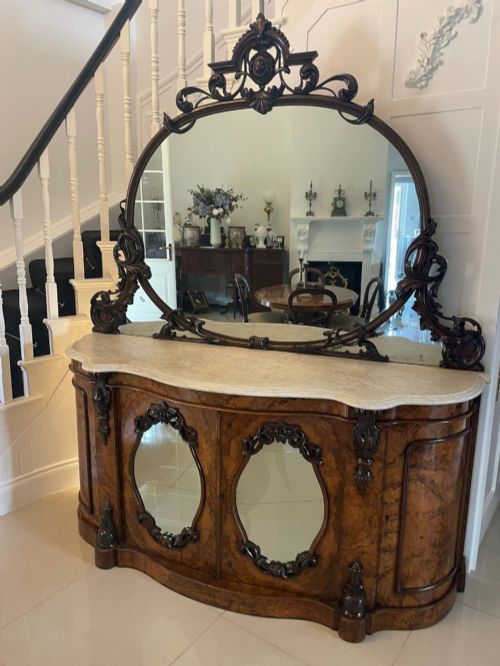
Mounts in cast or chased ormolu and inset slabs of marble frequently complement the woodwork on commodes, sideboards, and bedside tables, requiring precise carpentry to support heavy stone tops. Brass hardware and hinges complete the construction, whilst porcelain plaques appear on specific display cabinets.
Several bedside chests arrive with unexpected marble tops, ready to host your morning tea with seventeenth-century flair.
What varies in quality
The sophistication of the marquetry inlay and the choice of figured burr walnut set exceptional examples apart from simpler items, separating standard production from master craftsmanship. Grain selection and symmetry across curved drawer fronts demonstrate the artisan's intent.
The weight and finish of the cast ormolu mounts, alongside the thickness and veining of the fitted marble tops, indicate the original tier of production. Refined carving on structural elements and door frames further distinguishes superior workshop output.
The Rococo Walnut Cabinet Glossary
- Bombe
- A bulging or swelling out shape on the front and sides of a cabinet or commode. This curved contour requires advanced veneer work to follow the sweeping lines.
- Marquetry
- Decorative patterns formed by inserting thin pieces of wood, veneer, and other materials into a wooden carcase. Floral designs and geometric motifs frequently adorn the surfaces.
- Ormolu
- Gilt bronze mounts applied to furniture for decorative effect. These cast metal details highlight corners, feet, and key escutcheons.
- Credenza
- A sideboard or display cabinet designed for domestic storage and surface display. These items often feature mirrored backs or marble tops.
- Bureau bookcase
- A writing desk with a sloping fall-front combined with shelving enclosed by doors above. Eighteenth-century examples frequently incorporate double dome structures.
Rococo Walnut Cabinet: Frequently Asked Questions
What is a bombe commode?
A bombe commode is a chest of drawers characterised by its outward-curving sides and front, creating a swollen silhouette.
Cabinet-makers achieved this shape through complex joinery and careful application of walnut or burr walnut veneers.
How do I identify a revival piece?
Revival pieces date from the nineteenth or early twentieth centuries and emulate the distinct forms of eighteenth-century furniture.
Examination of the secondary timbers, construction methods, and hardware typically reveals whether a piece originates from the original period or a later revival.
Where were these cabinets made?
These pieces originated in various European centres, with significant output from French, Italian, Dutch, and German workshops.
Regional differences appear in the carving styles, choice of secondary veneers, and overall proportions of the cabinetry.
How should I care for walnut veneer?
Walnut veneer requires protection from direct sunlight and excessive humidity to prevent fading and lifting of the timber.
Regular dusting with a dry, soft cloth maintains the finish without moisture damage.