
Rococo Style Pendant Light
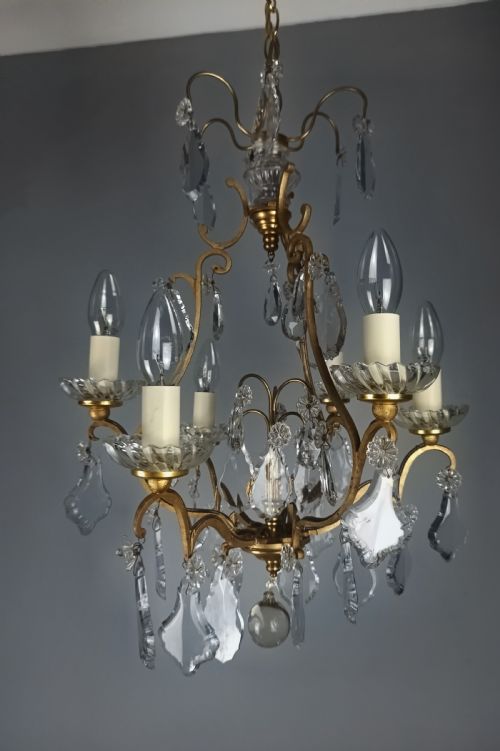
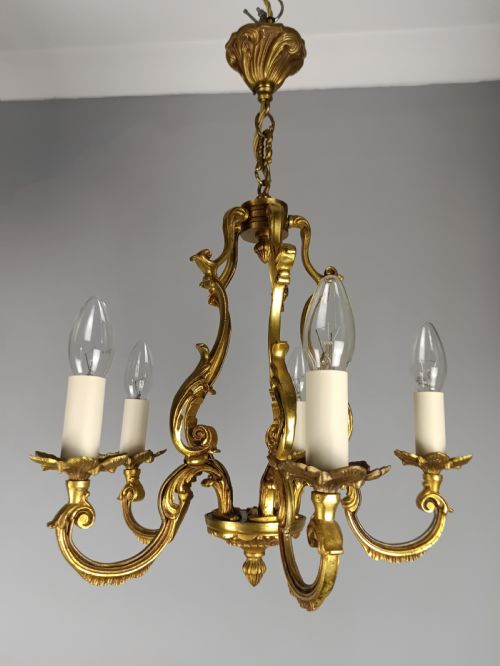
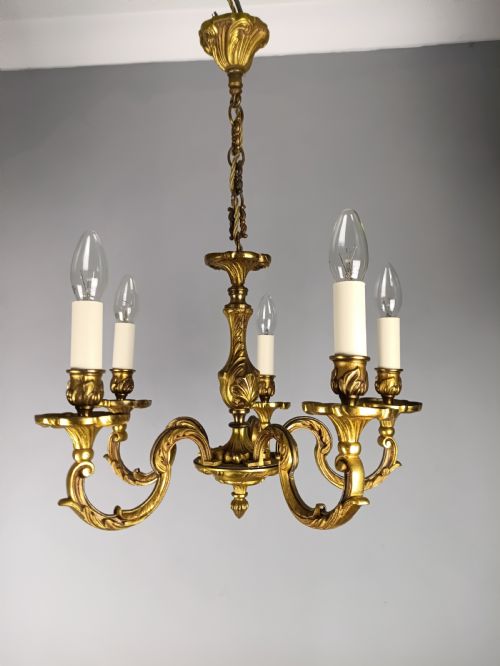
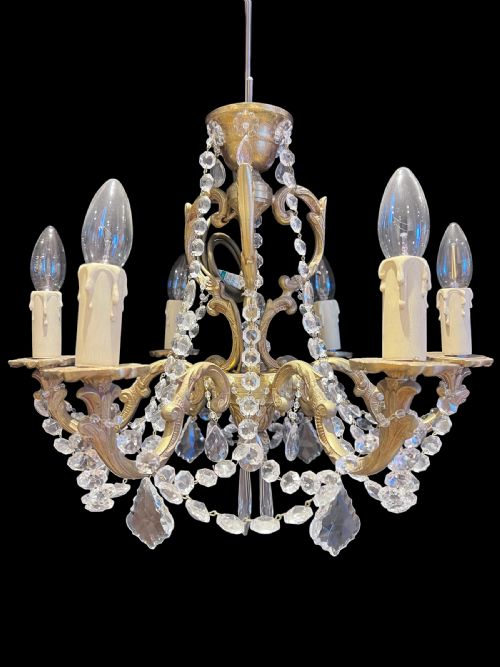
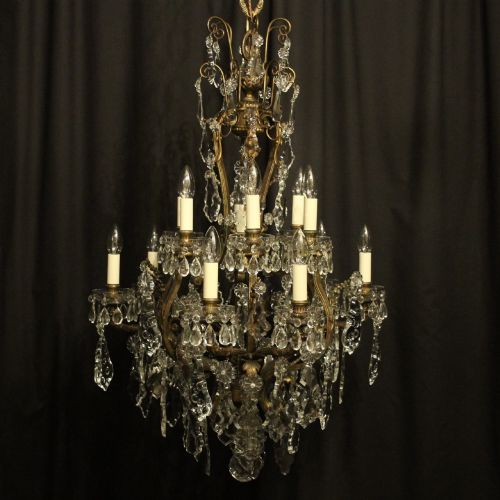
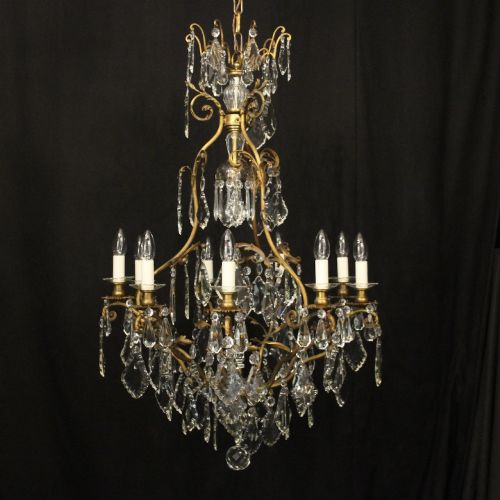
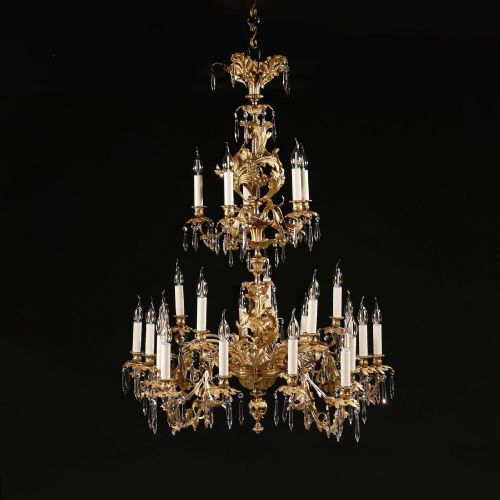
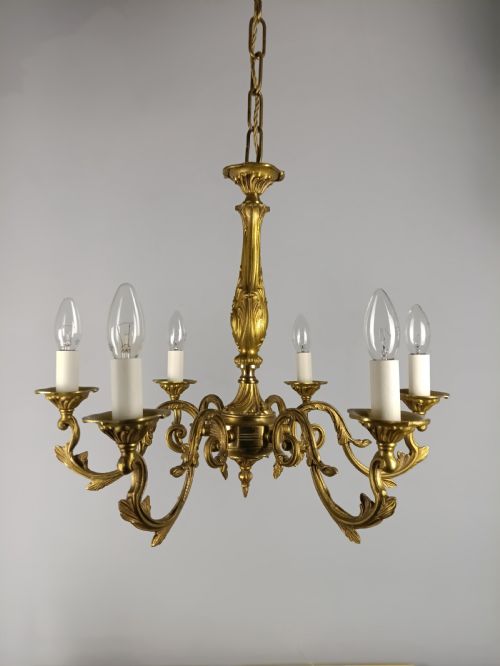
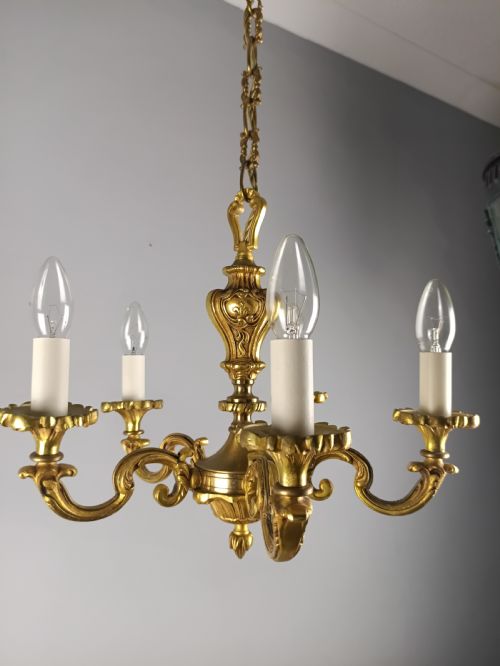
These rococo style pendant light fixtures bring elaborate French and Italian curves into a room, offering striking illumination with hanging crystal and gilt metal.
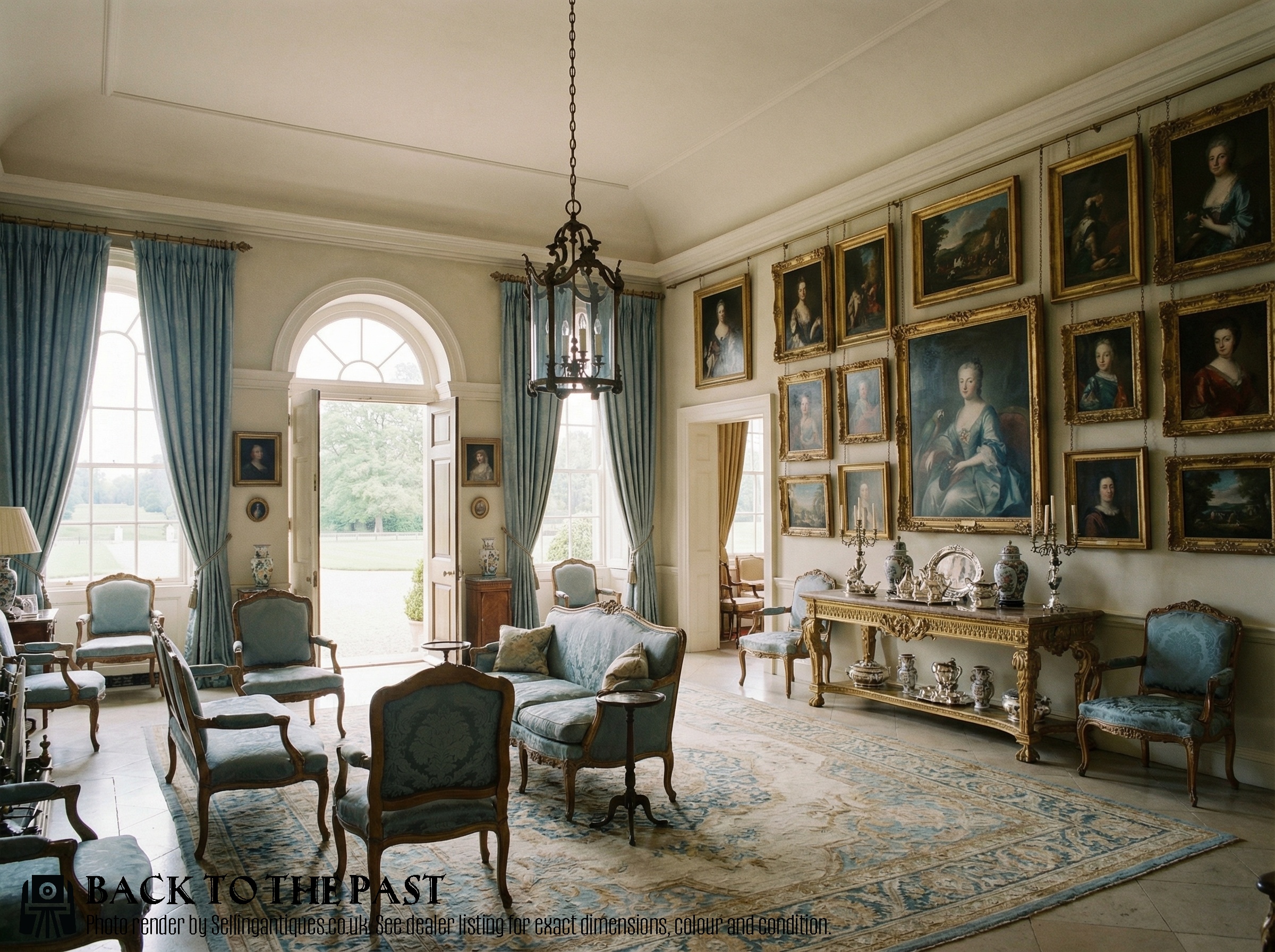
Rococo Style Pendant Light
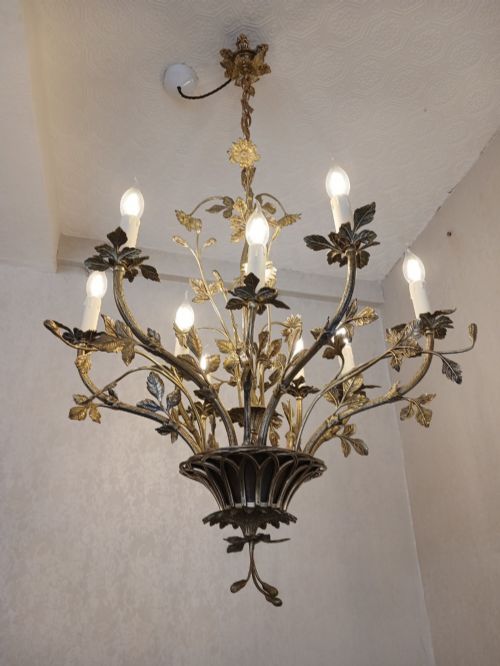
A rococo style pendant light delivers ornamental ceiling illumination dominated by asymmetrical scrolls, botanical motifs, and cascading crystal drops. Buyers searching this phrase meet hanging lanterns and multi-arm chandeliers spanning the nineteenth and early twentieth centuries.
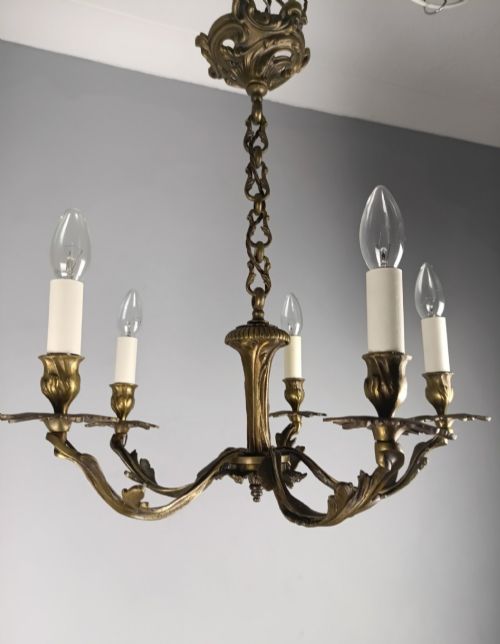
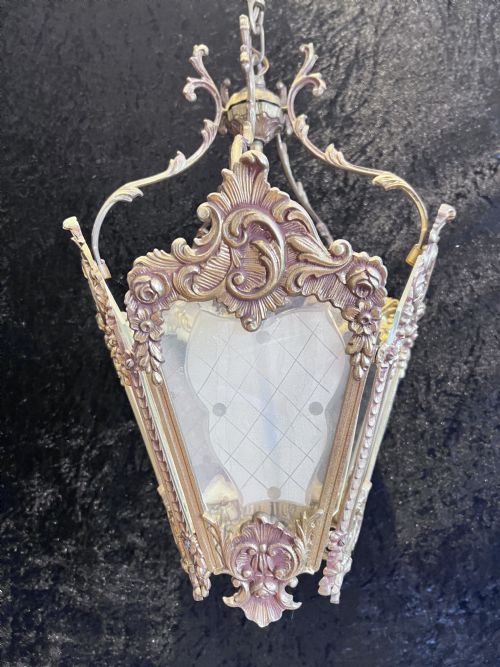
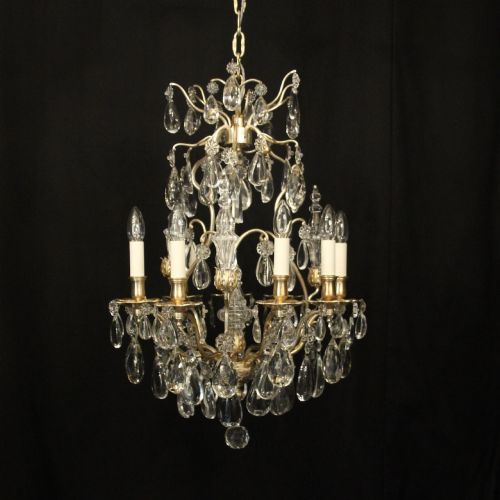
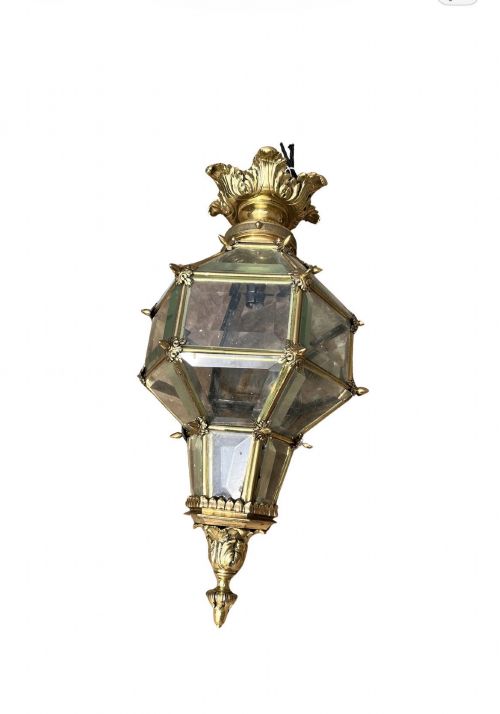
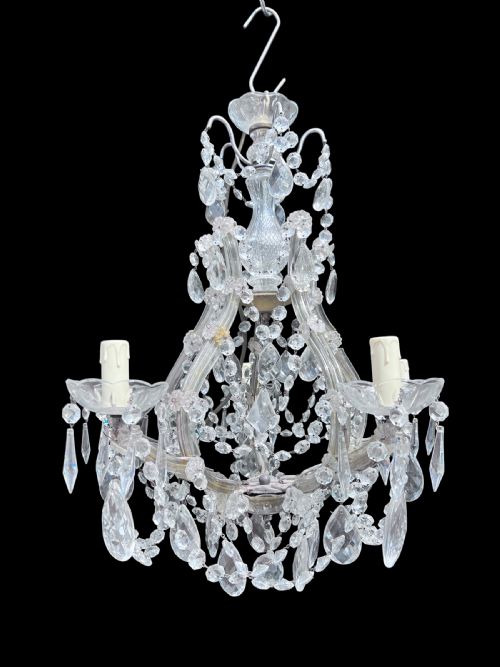
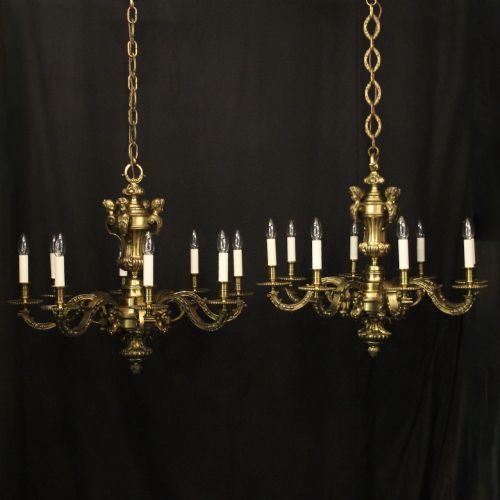
The pieces recorded here lean heavily toward French origins, featuring birdcage frames, multi-tier candle arms, and polished brass or bronze structures. Examples range from single-light brass hall lanterns to grand multi-light crystal chandeliers dated across the nineteen-hundreds and nineteen-thirties.
Materials and Construction
Makers utilised cast bronze, brass, and wrought iron to form the structural frames, applying surface gilding or dark bronze finishes to achieve rich metallic tones. Crystal drops and cut glass elements were wired or pinned directly into the metal armature to catch and refract light.
Many pieces integrate detailed castings depicting cherubs, acanthus leaves, and floral swags alongside glass bobeches that collect wax beneath artificial or converted candle sleeves.
The listings span periods from the 18th Century through the 1930s, constructed in brass, bronze, glass, and crystal.
Craftsmanship and Proportion
Superior examples display crisp chasing on the gilt bronze mounts and heavy crystal drops with clean facets that disperse light evenly. Lesser pieces rely on simpler pressed sheet metal and thin glass pendants with minimal hand-finishing on the metalwork.
Proportion and arm count dictate the visual weight of each fixture, distinguishing modest single-light hallway lanterns from expansive double-tiered chandeliers carrying sixteen or twenty-five lights.
The Rococo Style Pendant Light Glossary
- Birdcage Chandelier
- A central frame shaped like an open cage, strung with vertical crystal strands radiating from a central metal band. This form is common in French lighting of the early twentieth century.
- Gilt Bronze
- Bronze metal coated with a thin layer of gold or gold-coloured alloy to produce a bright, lasting finish. It is frequently seen on nineteenth-century French light fittings.
- Bobeche
- A small collar or shallow dish fitted beneath the candle nozzle to catch melting wax. In antique pieces, these are often cut from crystal to match hanging prisms.
- Hall Lantern
- An enclosed pendant light designed primarily for corridors or entryways, usually featuring glazed glass panels set within a brass or bronze frame.
- Rococo Revival
- A nineteenth-century artistic movement that returned to the exuberant, curving ornamentation of the eighteenth-century Louis XV period. It defines the scrolling arms and asymmetrical foliage on these fittings.
Rococo Style Pendant Light: Frequently Asked Questions
Are these lights wired for modern electricity?
Most antique light fittings found here have been adapted for contemporary electrical systems during their working life.
Buyers should check individual listings to confirm whether wiring meets current standards or requires professional rewiring by an electrician.
How do I clean a crystal chandelier?
Dusting the metal frame and individual crystal drops regularly with a soft cloth preserves the reflective quality of the glass.
For thorough cleaning, delicate removal of crystal prisms allows for gentle washing in warm soapy water before reattachment.
What is the difference between a chandelier and a lantern?
Chandeliers feature multiple open arms designed to hold candles or electric bulbs radiating outwards from a central stem.
Lanterns are enclosed within glass panels or side walls, directing light downwards through a protective metal housing.
How can I tell the period of a light fitting?
Dating relies on examining the casting techniques, the method of wiring integration, and the specific metal alloys used in the frame.
Nineteenth-century examples generally show heavier hand-chased bronze work, whereas twentieth-century pieces often employ lighter brass and standard construction methods.