

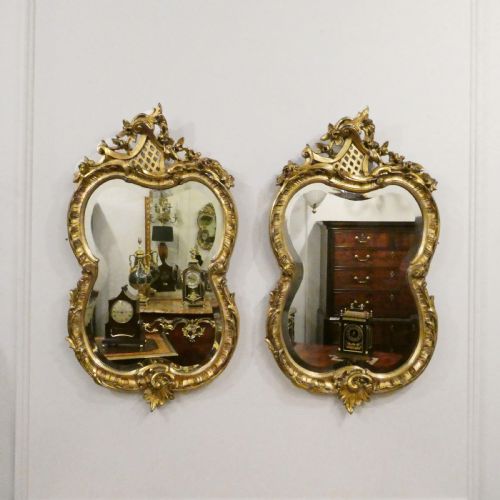


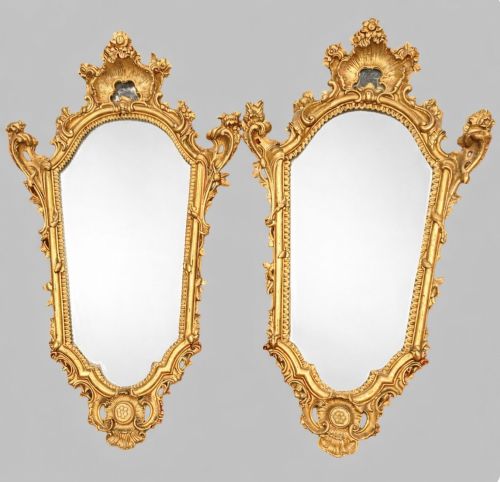


Rococo Style Looking Glass
A rococo style looking glass brings swirling asymmetrical frames and brilliant gilded surfaces into a room, offering both practical reflection and dramatic interior decoration.
Rococo Style Looking Glass
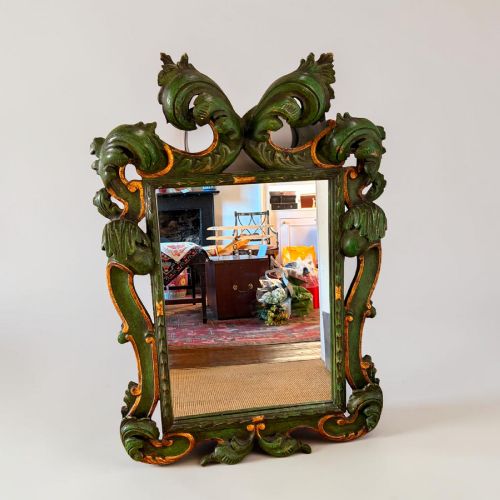
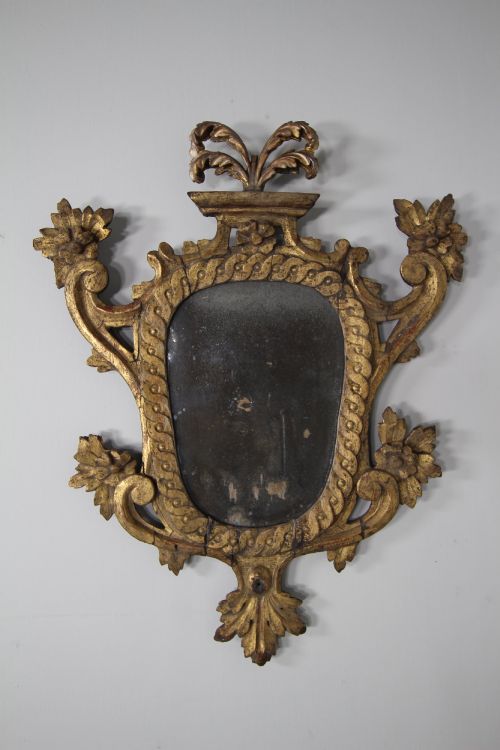
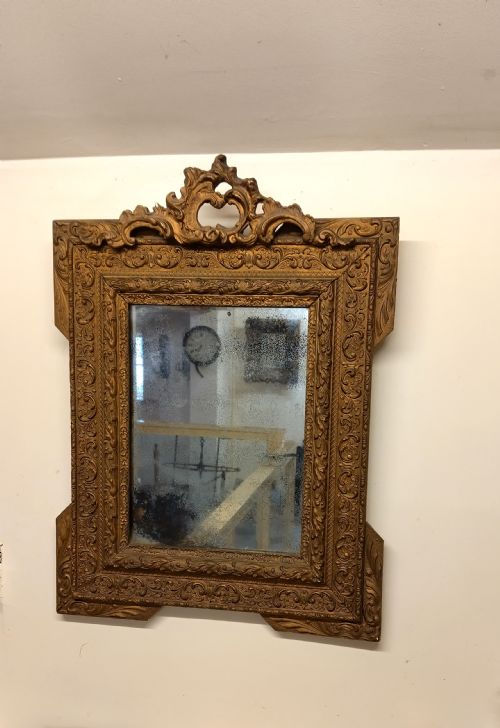
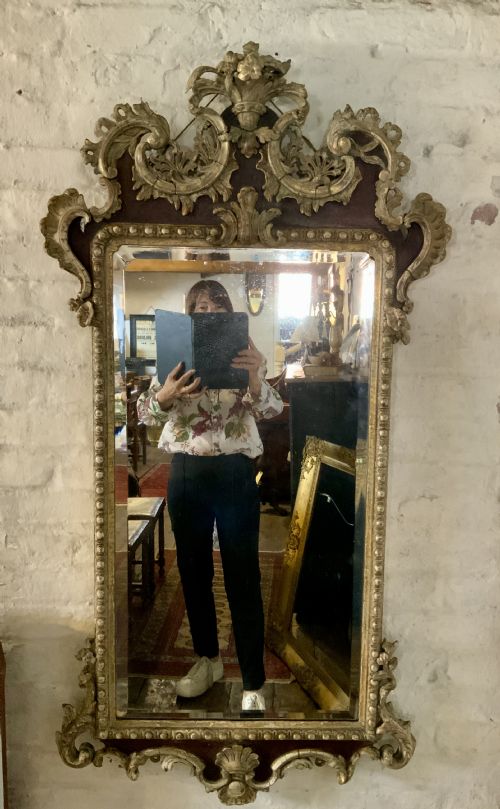
A rococo style looking glass is a wall mirror characterised by ornate, flowing ornamentation drawn from 18th century design. The selection includes examples spanning the 18th century, Victorian era, and early 20th century.
Most items on this page take the form of wall mirrors executed in carved wood, giltwood, or gesso. You will encounter rectangular, oval, and paired configurations originating from French, Italian, and English traditions.
The style encompasses Georgian Rococo, Chippendale Rococo, and later revivals in the Louis XV manner. Buyers seek these mirrors for their ability to brighten rooms and anchor period interior schemes.
How they were made
Craftsmen built the foundations of these frames using timbers such as walnut, oak, and general carved wood. Gesso was frequently applied over the wooden base to build up intricate relief decoration before gilding.
Surfaces received finishes of gold leaf, paint, or giltwood to achieve a lustrous metallic sheen. Mirror plates range from standard glass to engraved plates, occasionally framed by cast brass or sand moulded gesso.
Listings feature items spanning the 18th century through to the 1930s, incorporating materials such as walnut, oak, gesso, and gold leaf.
What varies in quality
Quality rests in the depth and sharpness of the carved detail within the gesso or wood. Crisp, undercut foliage and scrolls demonstrate superior artisan skill compared to softer, more rounded moulding.
The integrity of the original gilding and the preservation of the antique mirror plate dictate the overall character. Elements like engraved plates and matching pairs elevate the desirability of a piece.
The Rococo Style Looking Glass Glossary
- Giltwood
- Wood that has been coated with gold leaf or a gold-coloured finish. This technique creates the brilliant reflective surfaces seen on classical and revival frames.
- Gesso
- A plaster-like mixture applied to wood frames and carved or moulded into relief details. It provides a smooth base for subsequent gilding or painting.
- Chippendale
- A style of English furniture and mirrors named after cabinetmaker Thomas Chippendale. It often incorporates asymmetrical rococo carving and natural motifs.
- Louis XV Manner
- A design style reflecting French 18th century aesthetics with exuberant curves and C-scrolls. Revival pieces from the 19th and 20th centuries frequently adopted this vocabulary.
- Sand Moulded Gesso
- Gesso decoration shaped with the aid of sand or specialised casting techniques. It results in textured, durable relief patterns on the mirror frame.
Rococo Style Looking Glass: Frequently Asked Questions
How do I hang a heavy antique wall mirror safely?
Heavy carved wood and giltwood mirrors require robust fixings secured directly into wall studs or masonry. Professional mirror hangers use weight-rated brackets that support the frame evenly without straining the joints.
Ensure the hanging wire or strap at the back matches the substantial weight of the timber and glass. Checking the stability of the frame construction before mounting protects both the piece and the wall.
What is the difference between Georgian and Victorian rococo mirrors?
18th century Georgian rococo mirrors exhibit hand-carved depth and authentic period joinery. Victorian interpretations from the 19th century often utilise gesso moulding techniques and machine-assisted production.
While both share the characteristic scrolls and asymmetrical foliage, the earlier pieces display the tool marks and wood types specific to their century of origin.
Can I place these mirrors in a modern interior?
Placing an ornate gilt mirror inside a contemporary room creates a striking focal point through historical contrast. The reflective glass and metallic finish bounce natural light across minimalist spaces.
Pairing the elaborate carved frames with simple modern furnishings allows the craftsmanship of the antique to stand out without visual competition.
How should I clean the antique mirror plate?
Clean mirror glass with a soft microfibre cloth and a minimal amount of mild glass cleaner applied to the cloth rather than the glass. Avoid getting moisture into the edges of the plate where silvering deterioration often begins.
Keep liquids away from the giltwood or gesso frame entirely, as moisture can damage historical gold leaf and softened plaster reliefs.