
Large Wood Mirror
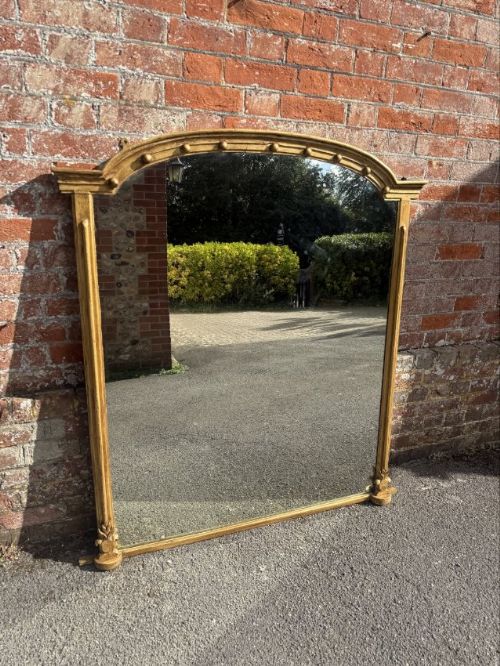
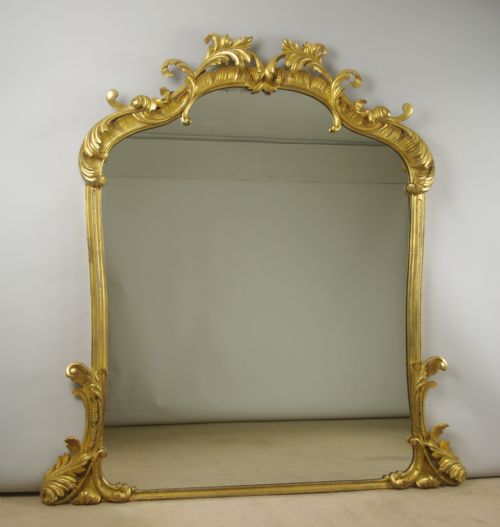
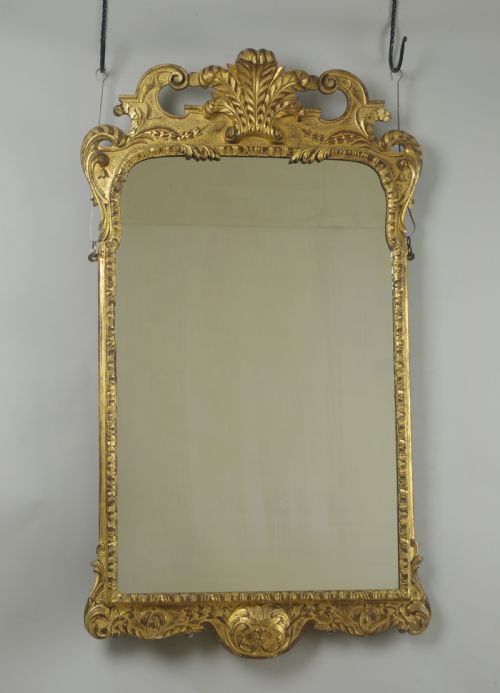
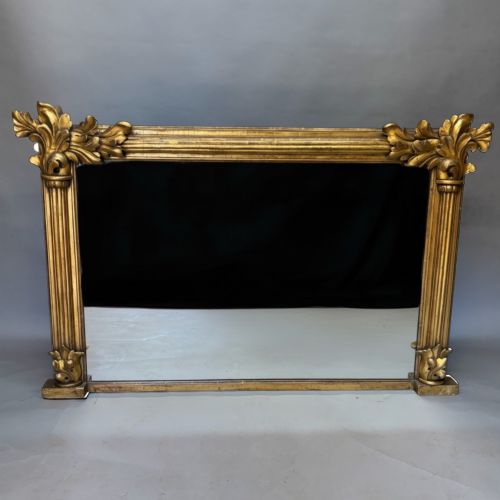
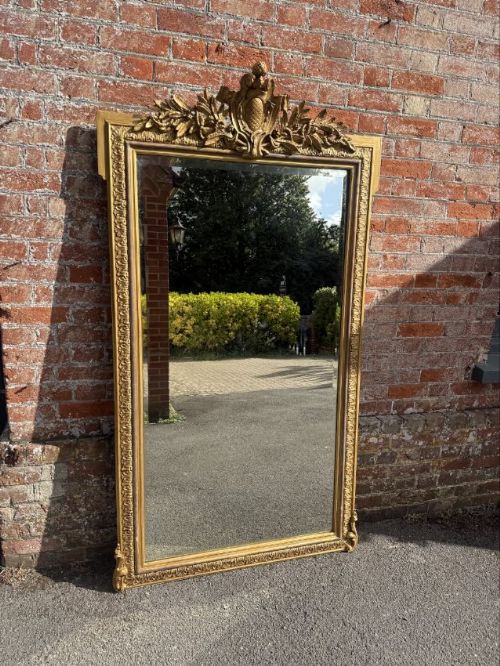
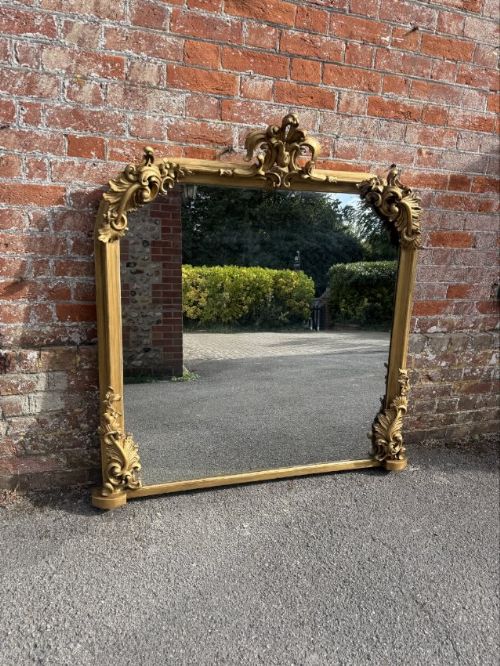
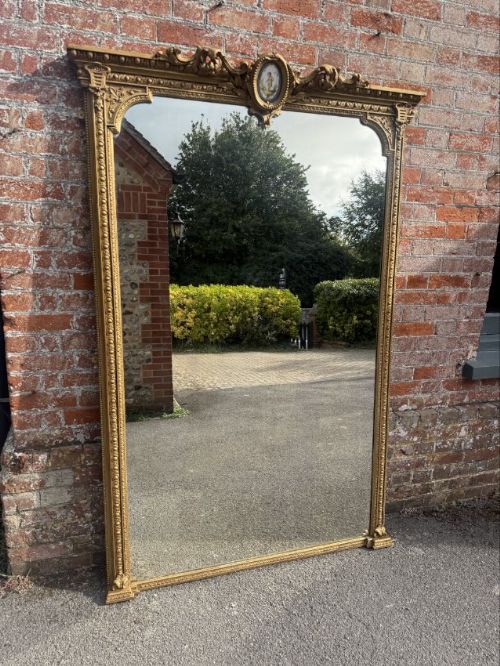
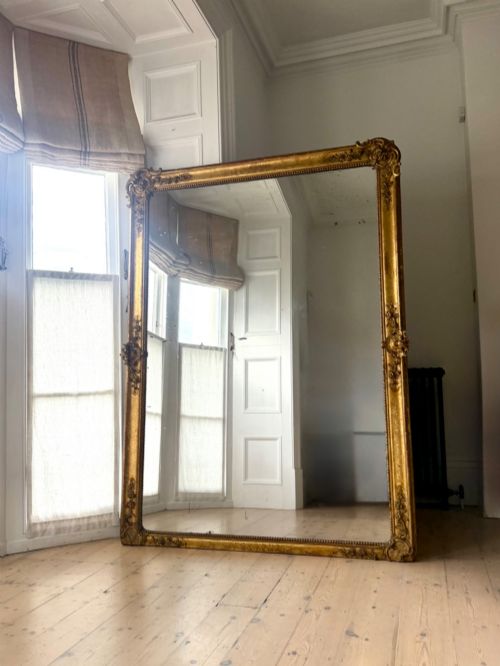
A large antique wood mirror brings monumental presence and reflective depth to a room, spanning grand Victorian overmantels, tall French pier glasses and solid mahogany country house frames.
Large Wood Mirror
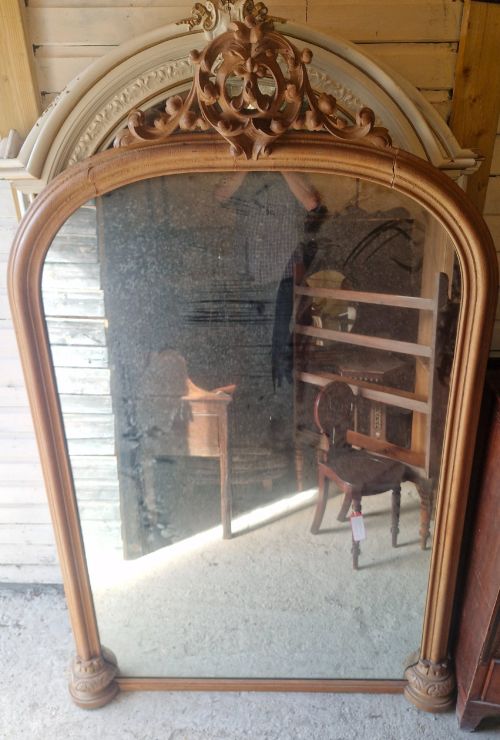
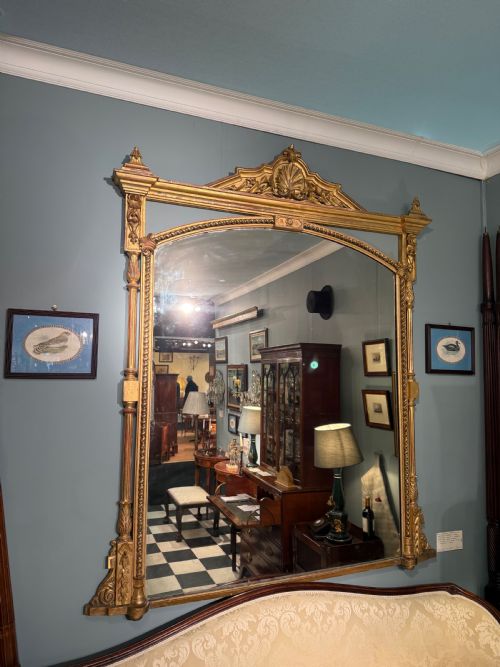
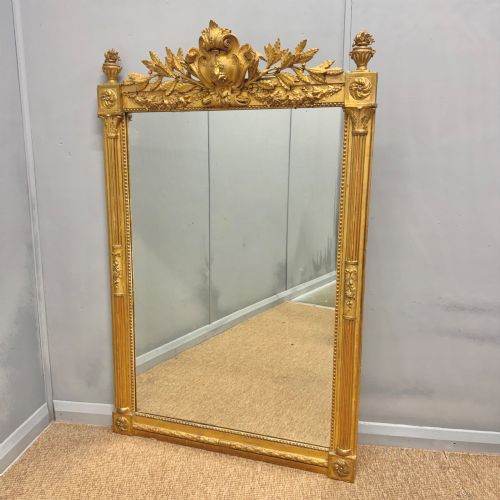
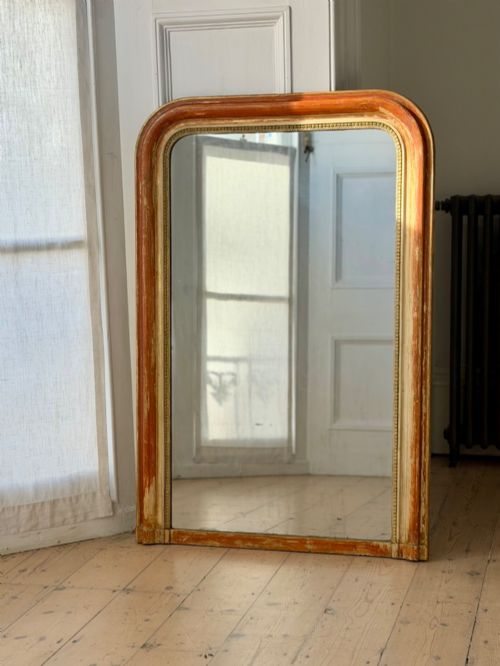
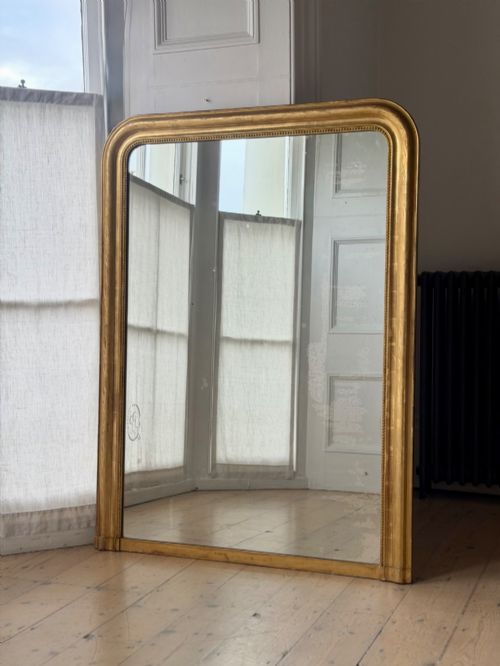
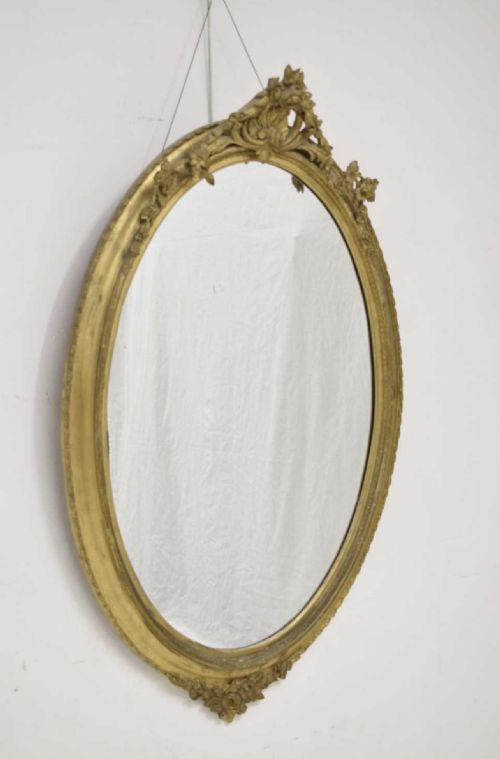
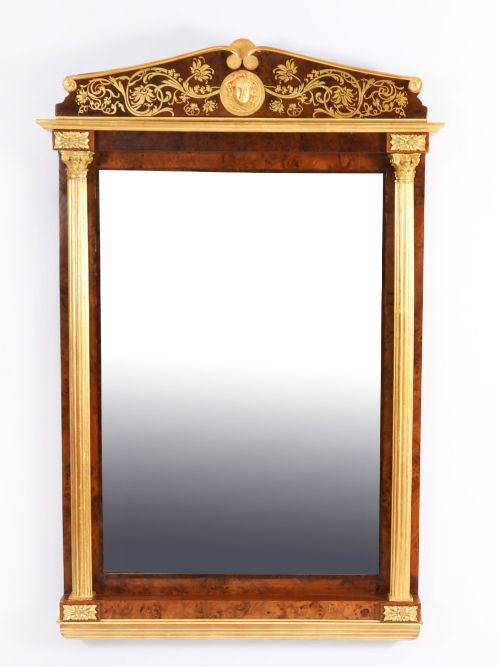
When searching for a large antique wood mirror, buyers encounter a diverse selection of wall-hanging, overmantel and floor-standing cheval forms originating primarily across the nineteenth century. The inventory spans English country house mahogany, ornate giltwood and gesso pieces, and substantial French chateau and Florentine models.
The most common formats on this page are substantial overmantel mirrors designed to sit above a fireplace, alongside tall architectural wall mirrors and freestanding floor models. These pieces draw on Georgian, Regency, Victorian, and Rococo Revival design traditions, utilising timber frames ranging from carved oak to parcel-gilt walnut.
How they were made
Cabinetmakers and carvers constructed these frames from native hardwoods such as mahogany, oak, and walnut, often applying layers of gesso over carved timber to build up intricate surface ornamentation. Gilding was subsequently applied using gold leaf or paint to achieve reflective metallic finishes on the intricate mouldings.
Many of the period pieces incorporate heavy plate glass or historic mercury glass secured within rebated wooden frames, backed with traditional timber panel boards. Structural joinery relies on period techniques including pegged mortise and tenon joints for heavy structural frames and mitred corners for decorative surrounds.
Formats range from compact convex wall mirrors surmounted by spread eagles to monumental overmantels exceeding two metres in height.
What varies in quality
The degree of crispness in the hand-carving and the depth of the gesso mouldings distinguish standard production from exceptional examples, where details like rope twists, acanthus leaves, and crests retain sharp relief. Superior pieces demonstrate meticulous timber selection, such as figured mahogany or quarter-sawn oak with harmonious grain patterns.
Originality of components heavily influences overall standard, specifically whether the mirror plate, backboards, and gilt surfaces remain undisturbed from the period of manufacture. Master craftsmanship shows in the structural stability of heavy overmantel frames and the seamless integration of applied decorative crests and eagles.
Gillow
The Large Wood Mirror Glossary
- Gesso
- A plaster-like mixture applied to carved wooden frames to create a smooth surface for gilding and fine detailing. It accepts intricate moulding work before metal leaf is applied.
- Overmantel Mirror
- A wide mirror specifically proportioned to hang on the wall directly above a fireplace mantelpiece. These frames often feature arched or shaped tops to fit architectural chimney breasts.
- Pier Glass
- A tall, narrow mirror designed to be hung on the strip of wall between two windows, frequently placed above a matching console table. They maximise ambient light in nineteenth-century interiors.
- Cheval Mirror
- A freestanding floor-standing mirror mounted on a pivoting frame between two vertical pillars, allowing the glass to tilt. They became popular for dressing rooms during the Georgian and Victorian eras.
- Parcel Gilt
- A finishing technique where portions of a wooden object are highlighted with gold leaf while the underlying wood grain remains visible elsewhere on the piece.
Large Wood Mirror: Frequently Asked Questions
How do I hang a heavy overmantel mirror safely?
Heavy antique frames require robust wall fixings anchored directly into masonry or substantial timber studs rather than standard plasterboard. Professional mirror hangers typically use heavy-duty steel brackets or French cleats rated for the specific weight of the timber and glass.
Because nineteenth-century frames possess considerable mass due to dense hardwood and thick gesso ornamentation, weight distribution must be carefully calculated across multiple points. Ensuring the hanging wire or brackets engage the primary structural frame rather than secondary decorative elements prevents catastrophic failure.
What is mercury glass in antique mirrors?
Historic mercury glass refers to mirrors manufactured by applying a tin and mercury amalgam behind the glass plate, producing a distinctive mottled, dark reflective quality. This technique was largely superseded by safer silver nitrate chemical processes in the mid-nineteenth century.
The presence of original mercury glass often exhibits characteristic foxing, where tiny dark spots and soft oxidation appear within the reflective layer. Collectors value these authentic ageing patterns as indicators of early nineteenth-century or eighteenth-century production.
How do I identify a Victorian overmantel mirror?
Victorian overmantels typically feature heavy carved wood and gesso frames with arched or shaped tops, frequently finished in gilt or painted details. They were designed to command attention above nineteenth-century hearths, utilising robust joinery to support large expanses of glass.
Stylistic markers include deep relief carvings of floral motifs, rope twists, or architectural scrolls reflecting Rococo Revival tastes. Examining the construction of the timber backboards and the composition of the gesso helps confirm nineteenth-century manufacturing methods.
Can I lean a large mirror instead of hanging it?
Large mirrors designated as leaner or chateau styles are engineered to stand securely against a wall without wall fixings. Their substantial weight and broad base provide natural stability when positioned at a slight backward angle.
Floor-standing leaner mirrors should still be secured with hidden anti-tip safety anchors at the top to prevent accidental toppling. This approach allows rooms to benefit from full-length reflections without drilling heavy weight-bearing fixings into ornamental plaster.