
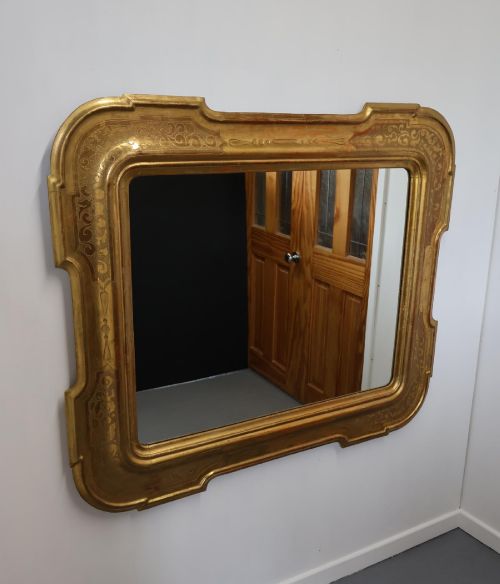
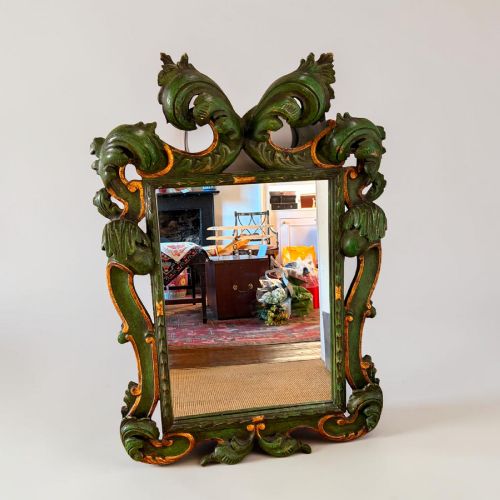
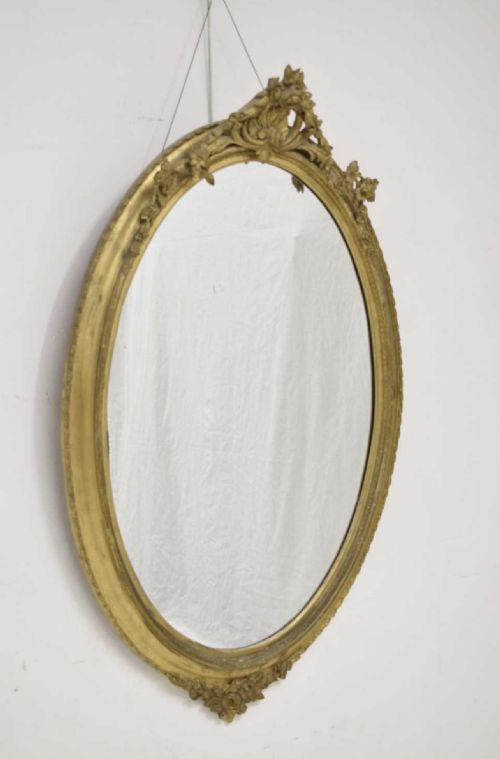
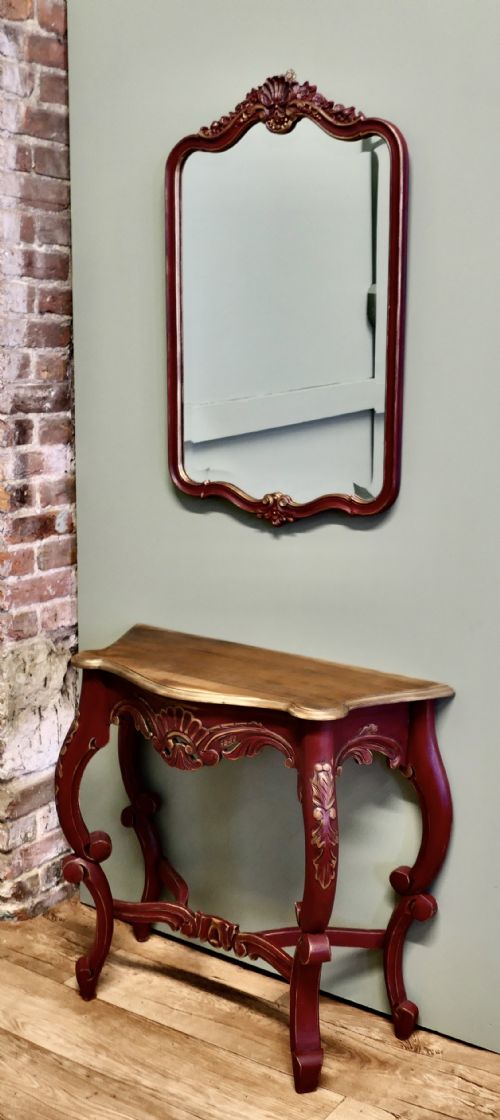
Rococo Style Carved Mirror
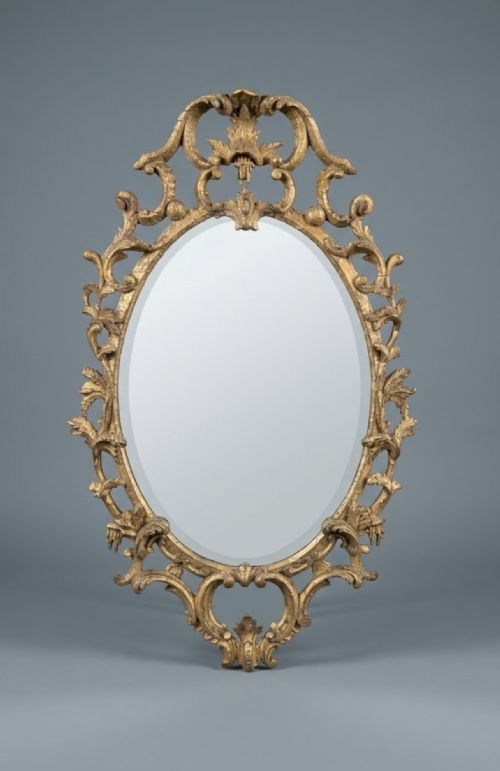
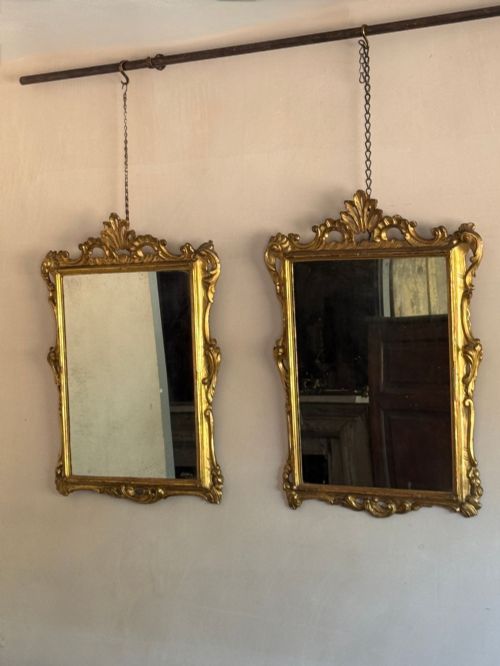
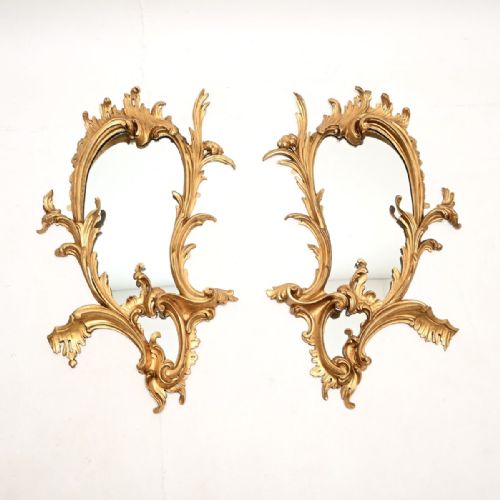
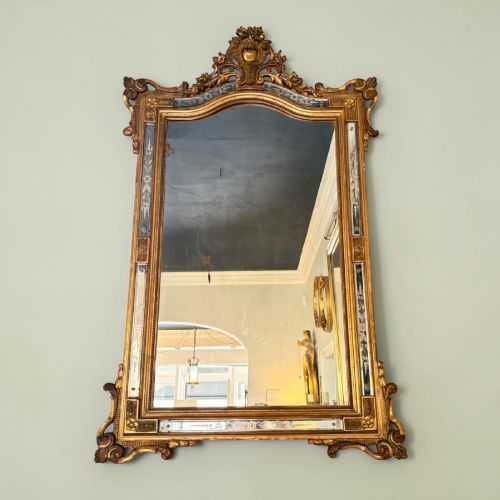
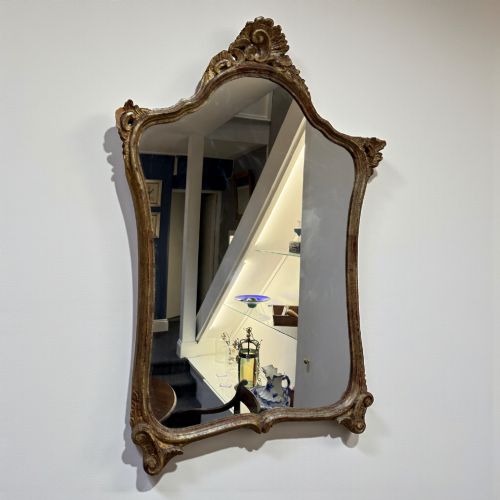
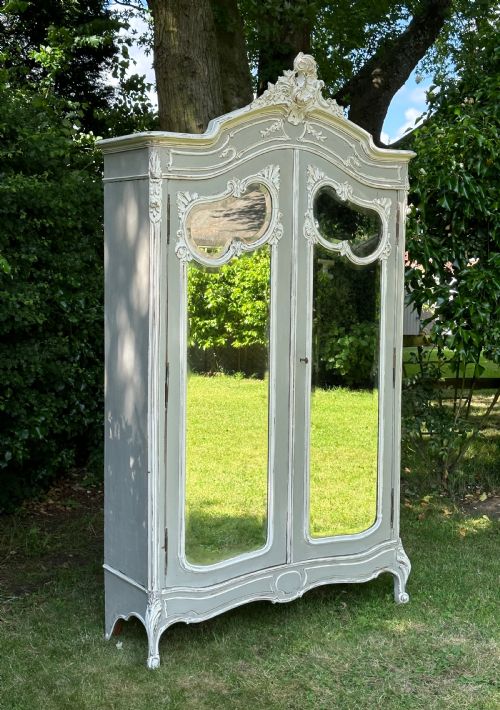
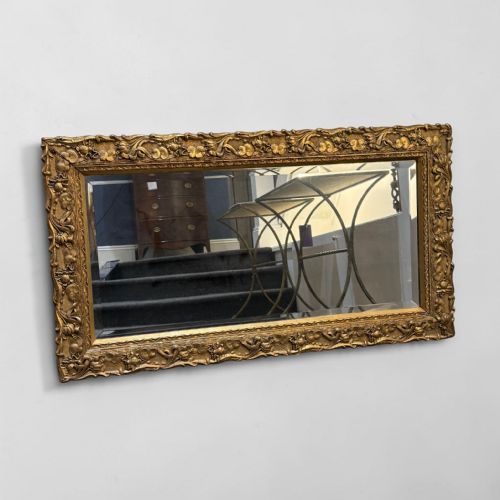
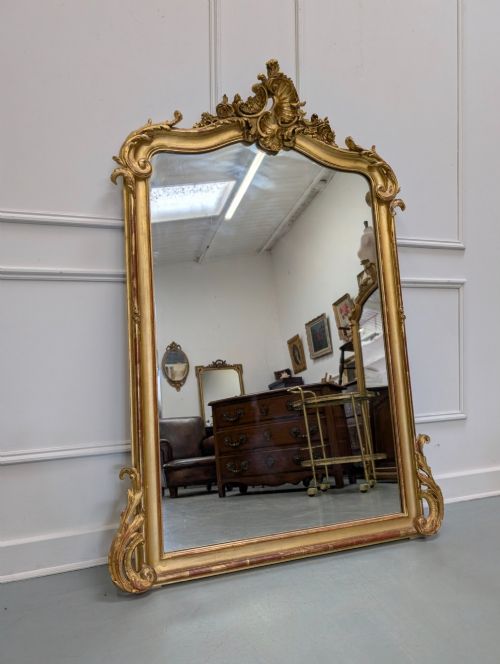
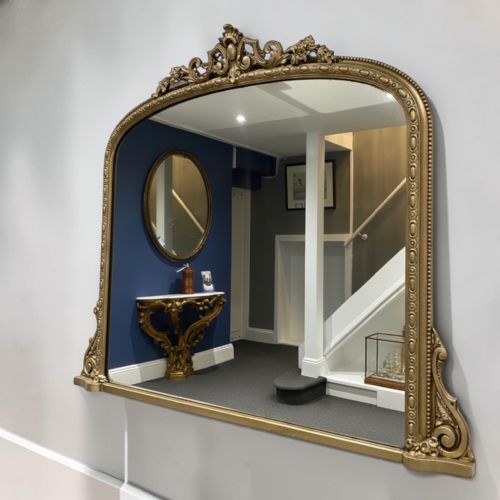
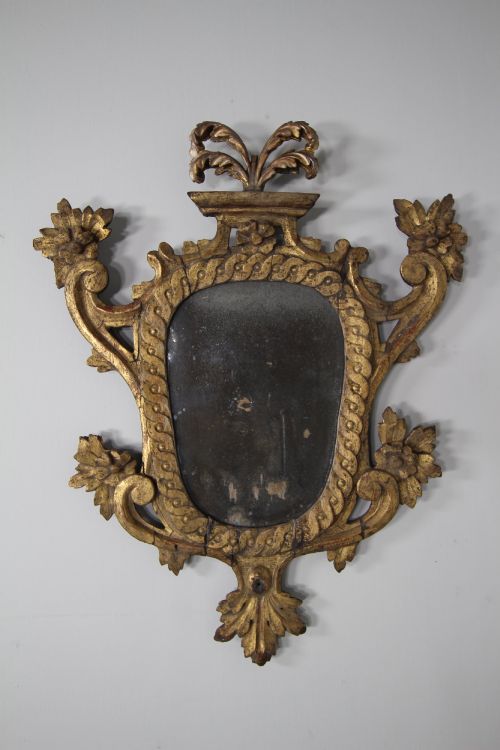
These rococo style carved mirror designs bring theatrical 18th-century French and Italian exuberance to a room through asymmetrical frames, C-scrolls and naturalistic foliage.
Rococo Style Carved Mirror
A rococo style carved mirror draws heavily on the decorative vocabulary of the mid 18th century, mixing asymmetrical cartouches, shell motifs and organic leaf scrollwork. Buyers pursuing this search phrase meet a vast majority of 19th-century interpretations, particularly French and Italian revival pieces, alongside occasional genuine 18th-century examples.
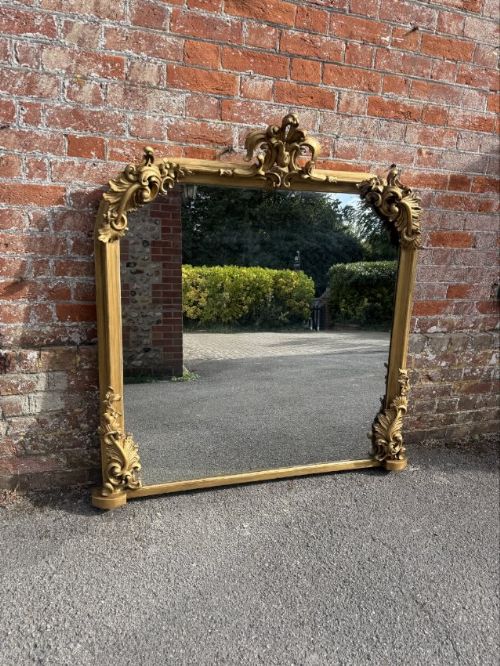
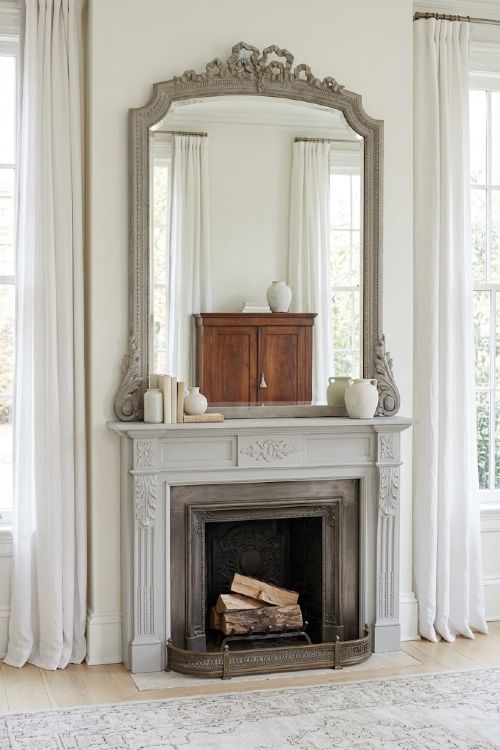
The formats vary from grand overmantel and pier mirrors designed for stately drawing rooms to smaller girandoles, toilet mirrors and console-paired plates. Most survivors take the form of substantial wall-hanging or leaner mirrors with deeply profiled crests and shaped or serpentine top edges.
The lineage spans several stylistic cousins, including Chinese Chippendale, French chateau, and Georgian rococo revivals executed in walnut, mahogany, or heavily gilded softwood frames. These objects serve the same architectural purpose today as they did centuries ago: bouncing ambient light and anchoring a room's decorative scheme.
Materials and construction methods
Makers shaped the core structures from timber such as oak, beech, mahogany, and walnut, often applying a layer of gesso directly to the wood to build up crisp sculptural relief. This plaster-like ground was meticulously carved and tooled before receiving layers of gold leaf, silver-gilt, or liquid gilding.
Many 19th-century revival frames incorporated composition, a moulded paste pressed into intricate decorative runs to speed up production while retaining deep undercuts. The reflective plates themselves range from early foxed mercury glass and antique handmade plates to bevelled modern glass updates.
Assessing craftsmanship and depth of relief
The hierarchy of quality rests primarily on the depth and sharpness of the hand-carved detail within the gesso and wood, as opposed to heavy reliance on moulded composition ornaments. Superior frames display undercut foliage and crisp scrolls where the maker's chisel work remains distinct and spirited.
Original mercury glass plates exhibiting natural foxing and age spots command higher regard than replaced or uniformly modern mirror plates, provided the silvering remains stable. The integrity of the original gilt surface, showing honest patination without unsympathetic over-painting, determines the piece's preservation level.
The Rococo Style Carved Mirror Glossary
- Giltwood
- Timber that has been coated with a thin layer of gold leaf over a prepared gesso and bole ground. It provides a warm, reflective metallic finish that patinates gracefully over centuries.
- Gesso
- A mixture of gypsum or chalk and animal glue applied to wood frames to create a smooth surface for gilding. It also allows artisans to carve intricate relief details directly into the ground.
- Overmantel mirror
- A large horizontal mirror designed specifically to hang on the wall directly above a fireplace mantelpiece. They frequently incorporate triple plates or grand architectural crestings.
- Girandole
- A decorative wall mirror featuring integrated candle sconces attached to the frame. The polished glass reflects and magnifies the candlelight around the room.
- Foxed glass
- Mirror glass that has developed spots, clouding, or discolouration due to the degradation of the reflective backing over time. This ageing process is valued by collectors for its authentic antique character.
Rococo Style Carved Mirror: Frequently Asked Questions
Are these mirrors genuinely from the 18th century?
True 18th-century examples exist but form a minority compared to the widespread 19th-century revival pieces produced during the Victorian and Belle Époque periods. Revival makers enthusiastically copied earlier French and Italian designs.
Examining the construction of the wood backing, nails, and the chemical composition of the mirror plate helps determine whether a piece is an original 18th-century artefact or a later homage.
How should I clean a gilded frame?
Dust the intricate carved gesso and giltwood surfaces gently using a very soft, dry artist's brush or feather duster. Avoid commercial sprays, abrasive cloths, or water entirely.
Moisture and harsh chemicals will quickly strip fragile gold leaf and soften the underlying gesso foundation, causing permanent damage to the antique finish.
What is a pier mirror?
A pier mirror is a tall, narrow glass designed to fit precisely onto the wall space, or pier, situated between two windows. They were traditionally paired with matching console tables.
This placement maximised natural daylight in dimly lit period drawing rooms by reflecting light back into the centre of the interior space.