


Rococo Revival Ceramic
Rococo revival ceramic pieces bring flamboyant 18th-century curves and elaborate ornamentation to 19th-century interiors.
Rococo Revival Ceramic
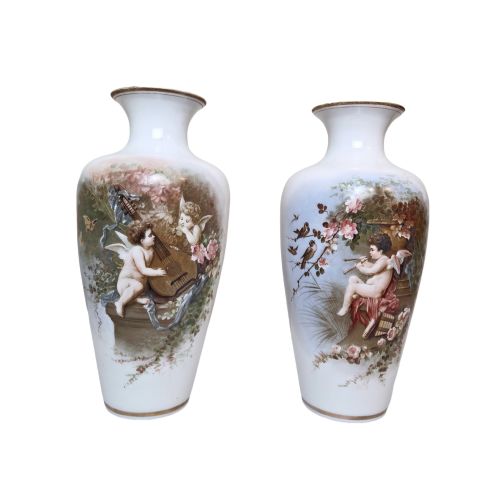
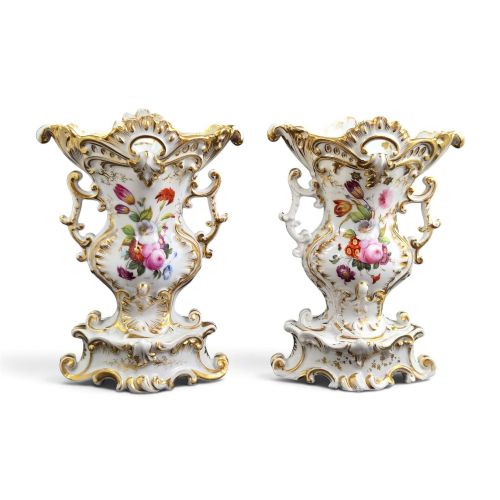
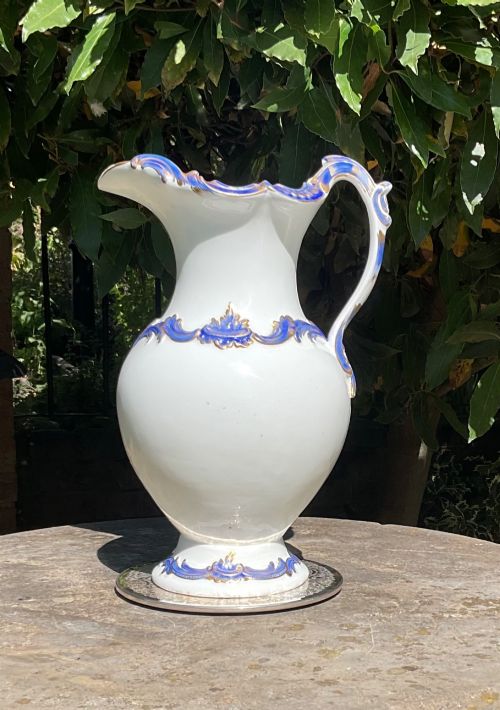
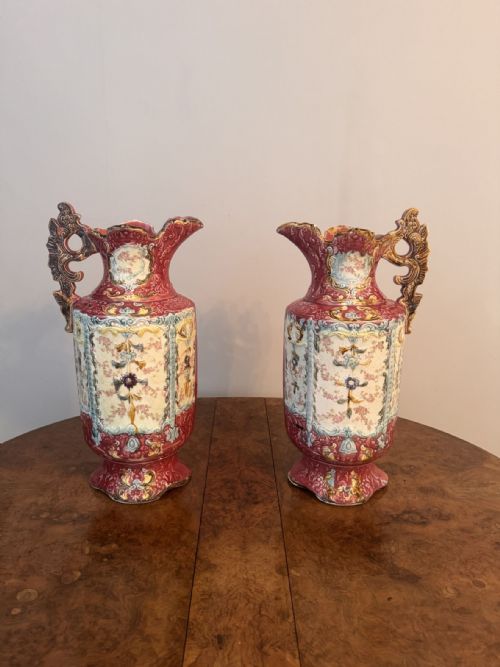
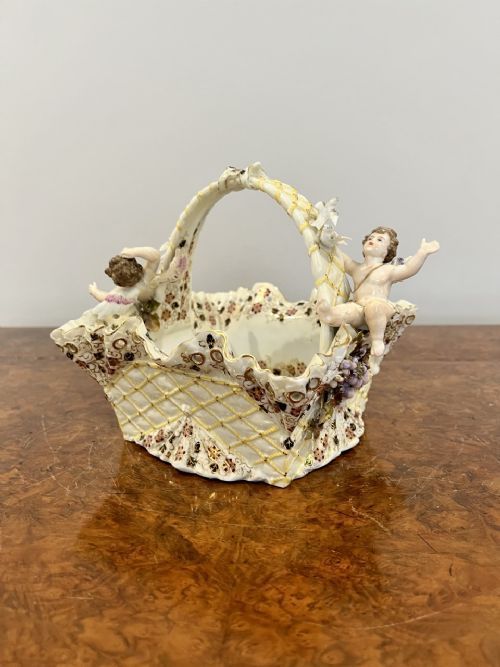
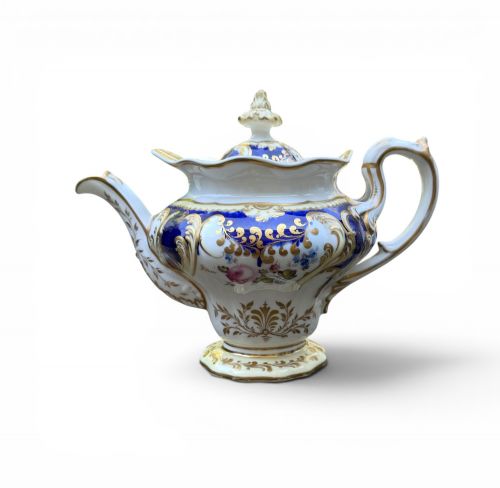
When looking for rococo revival ceramic objects, you encounter a diverse range of ornamental and functional forms shaped by 19th-century taste. The selection on this page centres on items produced across European factories during the Victorian and preceding eras, spanning decorative vases, ewers, and tableware.
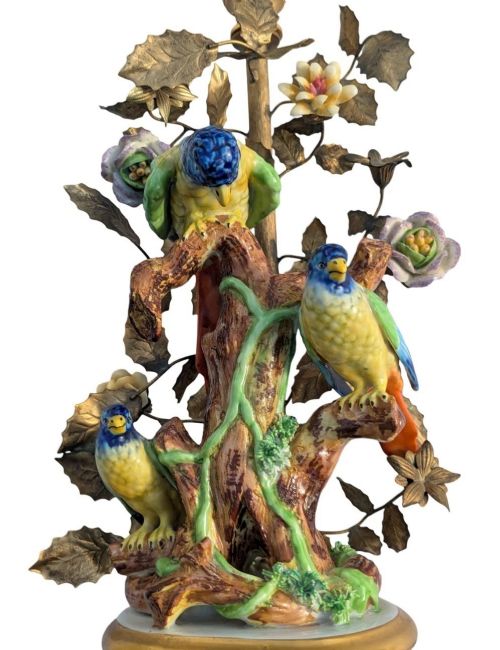
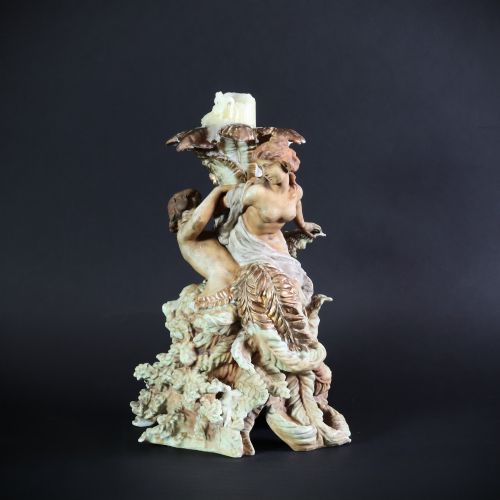
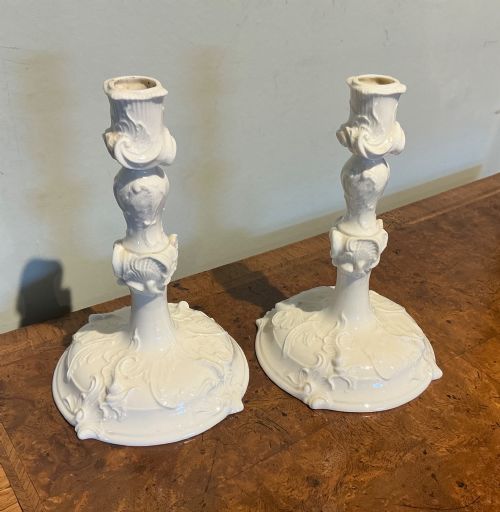
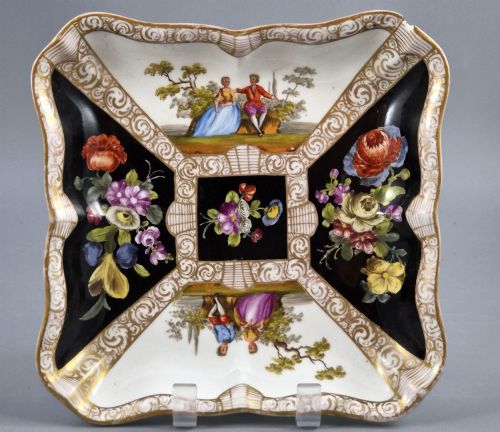
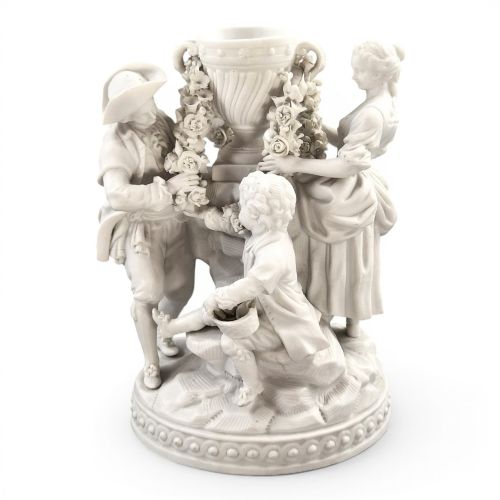
The most common forms on this page include porcelain figurines, candlesticks, and painted dishes, often mirroring earlier French and German designs. Makers drew heavily on asymmetric scrolls, floral garlands, and gilt highlights to recreate the exuberant aesthetic associated with the mid-19th century.
How they were made
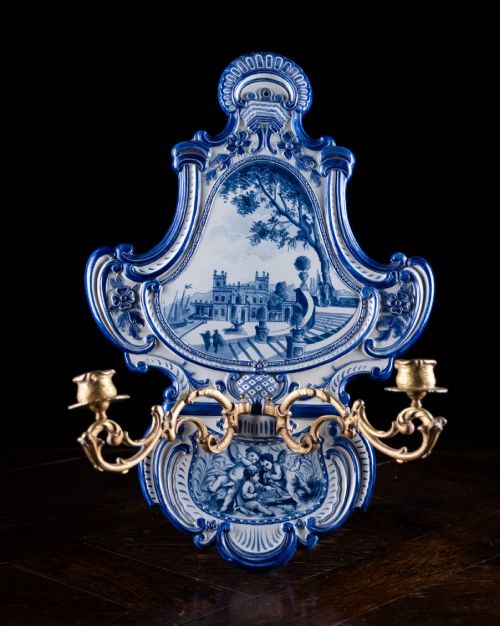
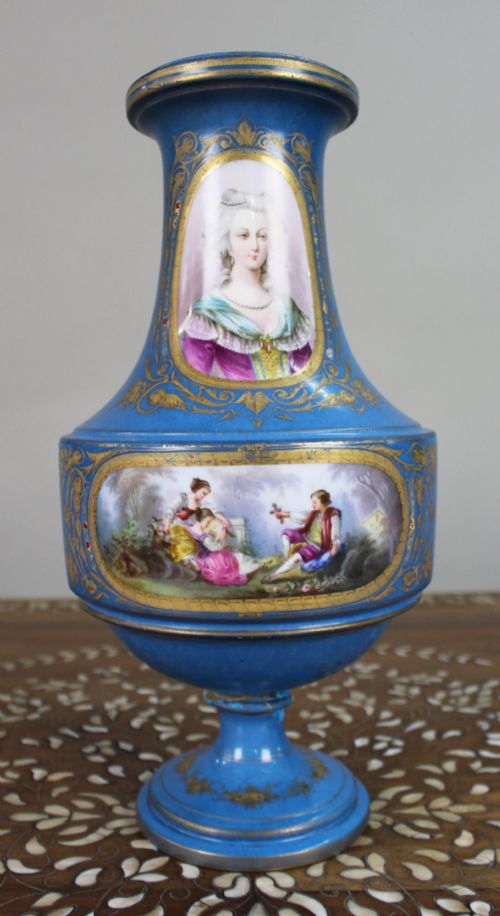
Production relied on hard-paste porcelain shaped through moulding and hand-modelling, supplemented by applied floral garlands and sculptural figures. Artisans utilised intricate glaze techniques, laying down cobalt blue or bleu céleste grounds before adding hand-painted scenes and botanical motifs.
Gilding and gold leaf were applied to accentuate the characteristic asymmetric scrolls and raised mouldings of the style. Many pieces integrated contrasting materials, mounting porcelain bodies within cast gilt bronze mounts or pairing them with brass hardware.
Rococo Revival Ceramic Retail Price Guide 2026
Typical asking prices for rococo revival ceramic among the pieces listed under this phrase on Sellingantiques today, from the lower quarter to the upper quarter. They describe what is for sale here now, not the wider market.
Form categories span functional tea services and tableware alongside purely decorative figurines, ewers, and wall sconces.
What varies in quality
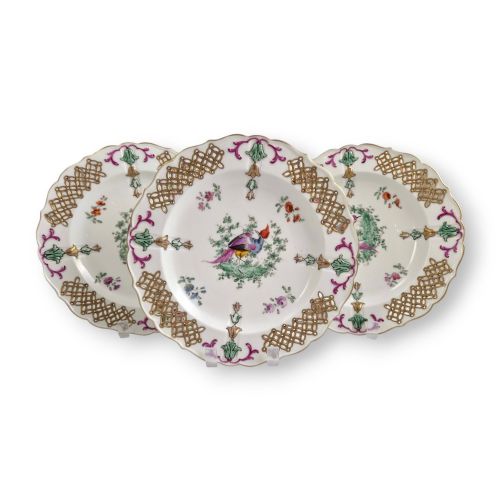
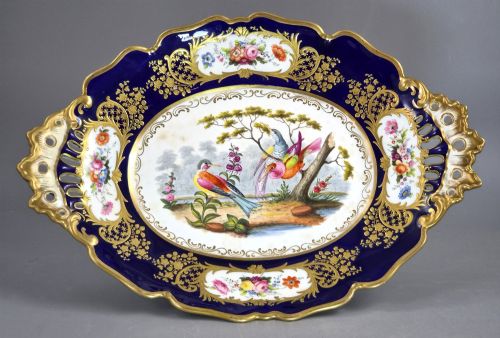
The standard of painting on the ceramic surface largely separates standard factory wares from exceptional collector pieces. Precision in hand-painted Watteau scenes, exotic birds, and armorial crests reveals the skill of the studio artist.
The crispness of the moulded scrollwork and the application of heavy gilding dictate the overall visual depth. Pieces retaining intact, vibrant enamel colours alongside fine sculptural detail stand at the upper end of the range.
Jacob Petit·Nymphenburg·Coalport·Meissen·Samson Paris·Vieux Paris·Copeland and Garrett·Doe and Rogers·Mintons·H and R Daniel·Dresden·Chelsea·Volkstedt·Triebner Ens and Eckert·Richard Eckert·Vion and Baury
The Rococo Revival Ceramic Glossary
- Hard-paste porcelain
- A dense, vitrified ceramic compound fired at high temperatures, composed of kaolin and petuntse. It provides a durable, bright white body ideal for detailed enamel painting and intricate moulding.
- Bleu céleste
- A bright sky-blue ceramic ground colour popularised by French factories. It serves as a vibrant backdrop for gilt highlights and hand-painted cartouches.
- Biscuit porcelain
- Unglazed ceramic fired once to preserve a matte, marble-like texture. It highlights delicate sculptural modelling and facial expressions on figurative works.
- Gilt bronze
- Metal cast and finished with a thin layer of gold amalgamation or leaf. It frequently frames porcelain bodies on mirrors, ewers, and decorative vases.
- Potpourri bowl
- A lidded vessel pierced to release the fragrance of dried flower petals and spices. These containers often feature elaborate floral appliques and pierced scrollwork.
Rococo Revival Ceramic: Frequently Asked Questions
How do I identify a reproduction?
Examine the application of the gilding and the crispness of the moulded scrollwork under magnification. Earlier pieces display hand-mixed enamel pigments and subtle variations inherent to period studio production.
Compare factory marks against established reference guides for the period. While marks offer a useful starting point, handle and paste characteristics ultimately confirm the era of manufacture.
Can I use these plates for dining?
Most decorative plates, dessert sets, and painted dishes from this era serve primarily for display rather than daily modern dining. The delicate overglaze enamel painting and extensive gilding easily sustain wear from cutlery.
Wash these ceramics strictly by hand using mild soap and warm water. Avoid soaking pieces with gilt bronze mounts or delicate applied porcelain flowers.
How should I display porcelain figures?
Place figures within enclosed cabinets or stable shelving units away from direct sunlight and high foot traffic. Ensure the supporting surface is entirely level to prevent accidental tipping of top-heavy candelabras or mirrors.
Keep ceramics away from heat sources like radiators to protect older glazes and fragile applied elements. Dust surfaces gently using a soft, dry brush.