



Rococo Revival Bracket
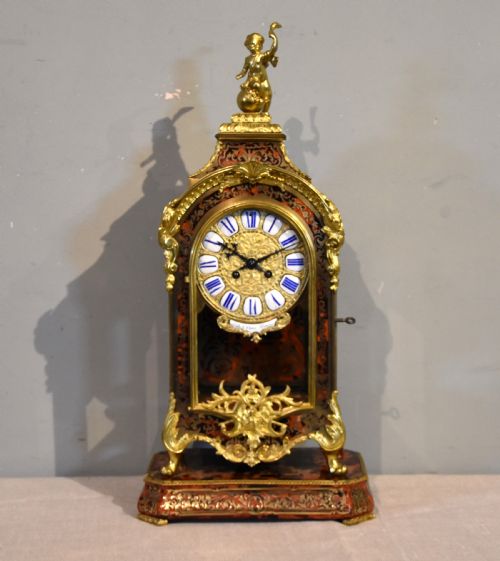
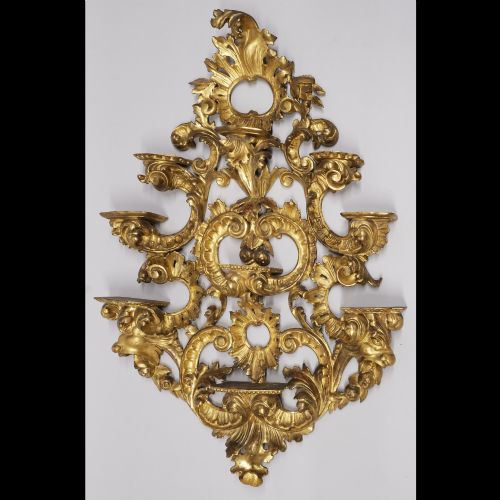
These rococo revival bracket pieces bring flamboyant French taste into nineteenth century interiors through pierced brass, scrolling ormolu and carved giltwood.
Rococo Revival Bracket
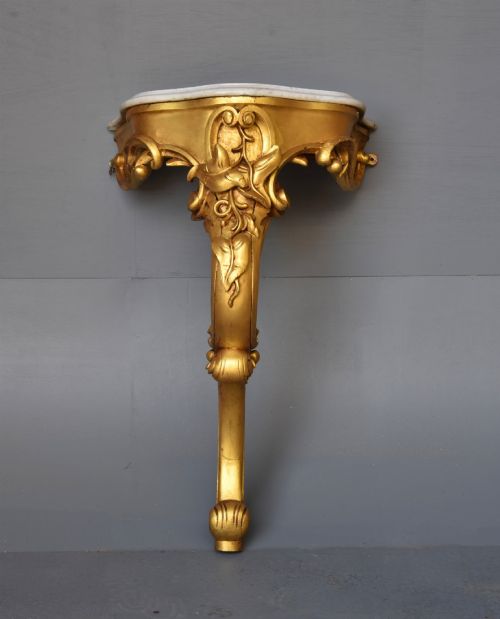
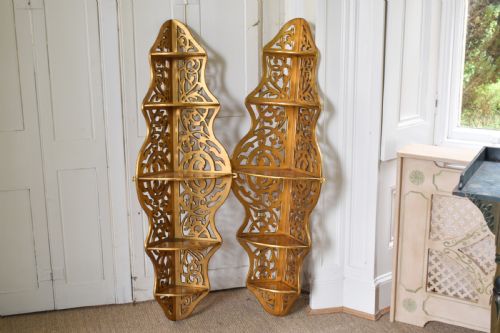
A rococo revival bracket or wall shelf supports clocks and ornaments while echoing the asymmetrical curves of mid eighteenth century Louis XV design. You will find nineteenth century Victorian wall brackets, corner shelves and console tables adopting these swirling, organic contours.
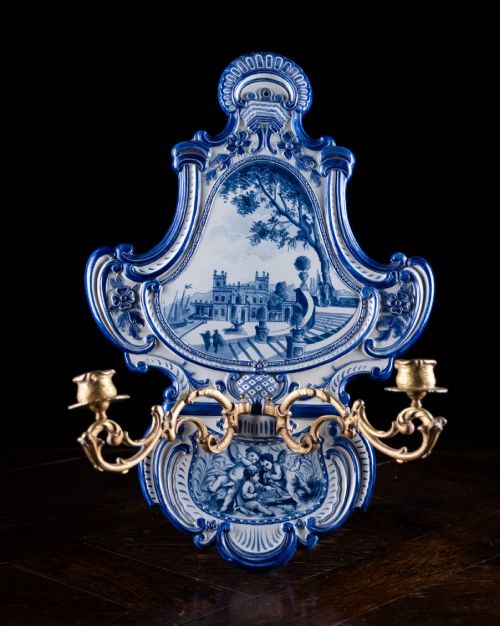
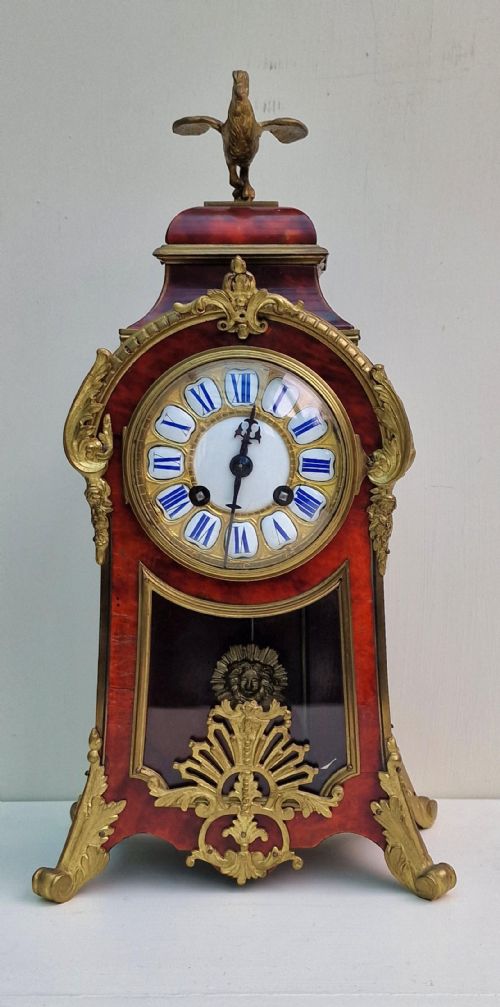
Makers of this revival drew heavily upon French Rococo Revival, Louis XV Revival and Chinoiserie styles. The resulting forms range from porcelain wall corbels to massive gilt bronze mounted clock brackets designed to project from the wall.
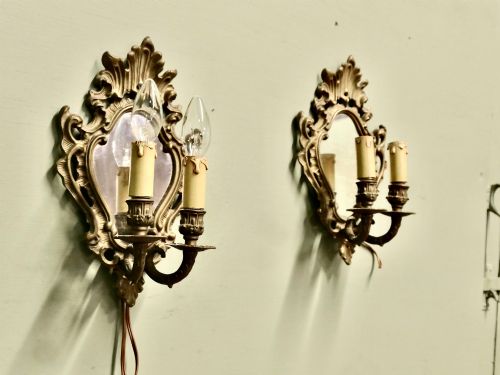
The selection includes decorative console mirrors with shelves underneath, carved giltwood wall brackets and ceramic mounts. These pieces were built to command attention in principal reception rooms.
Materials and construction
Gilt bronze and ormolu provide the shimmering metallic highlights essential to the style, shaped into C-scrolls and foliage. Brass and cut brass combine with tortoiseshell in Boulle work to create intricate patterned surfaces.
Giltwood and carved gesso form the lighter wooden brackets and frames, providing a rich gilded base that catches the light. Enamel, glass and porcelain elements appear as dial faces, decorative panels and sculptural corbels.
Rococo Revival Bracket Retail Price Guide 2026
Typical asking prices for rococo revival bracket among the pieces listed under this phrase on Sellingantiques today, from the lower quarter to the upper quarter. They describe what is for sale here now, not the wider market.
Some nineteenth century clock brackets deploy four glass sides so light can illuminate the movement from every possible angle.
Judging quality and execution
Depth of carving and sharpness of chasing separate ordinary items from exceptional work. In ormolu and gilt bronze, crisply defined foliage and deep relief indicate superior workshop production.
The integration of materials dictates value, particularly where cut brass and tortoiseshell meet seamlessly on a clock case or bracket. Precision in the joinery of carved giltwood and the stability of porcelain attachments mark the better examples.
Leon Message·Jollet et Cie·William Payne
The Rococo Revival Bracket Glossary
- Ormolu
- Gilded bronze cast and chased to produce ornate decorative mounts. It requires skilled hand-chasing after casting to achieve sharp detail.
- Giltwood
- Timber, usually soft or gesso-coated, covered with thin gold leaf. This finish gives a bright, reflective surface suited to formal interiors.
- Boulle
- Marquetry technique using tortoise-shell and brass inlay developed in France. The contrasting materials create rich, patterned surfaces.
- Wall bracket
- A projecting architectural shelf designed to hold decorative objects or clocks. These pieces secure directly to the wall surface.
Rococo Revival Bracket: Frequently Asked Questions
What is a rococo revival bracket?
A decorative wall shelf or architectural support designed in the nineteenth century, mimicking the asymmetrical scrolls and organic motifs of the eighteenth century French Louis XV period.
These pieces were constructed to display clocks, porcelain or small sculptures, adding ornamental weight to interior walls.
How do I style these brackets?
Mount them at eye level or above console tables to display mantel clocks, small bronzes or porcelain figures. Ensure the wall fixing is secure, as heavier materials like gilt bronze and marble require proper anchorage.
Pair them with complementary gilded mirrors or wall lights to echo the nineteenth century aesthetic.
How do I date these pieces?
Examine the backplates, fixing screws and underlying woods to determine age. Nineteenth century Victorian and Edwardian examples often show characteristic machine-cut elements alongside hand-chased ormolu.
Stylistic markers such as strict Louis XV revival proportions point toward the mid to late nineteenth century.
What materials were used?
Common materials include gilt bronze, ormolu, carved giltwood, brass, tortoiseshell and porcelain. Makers frequently combined these elements to achieve rich surface textures and contrasting colours.
Glass panels and enamel dials also appear on clock brackets and associated wall lights.