



Rococo Putti Sculptures
These rococo putti sculptures capture the exuberant charm of the eighteenth century through playful cherubic figures cast in bronze, carved in wood, or shaped in porcelain.
Rococo Putti Sculptures
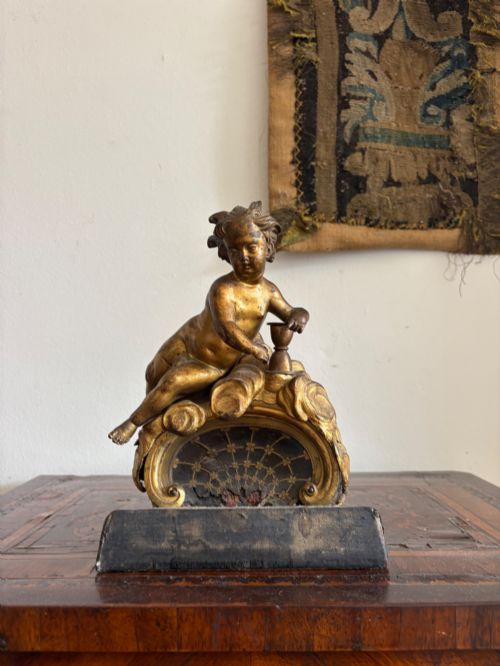
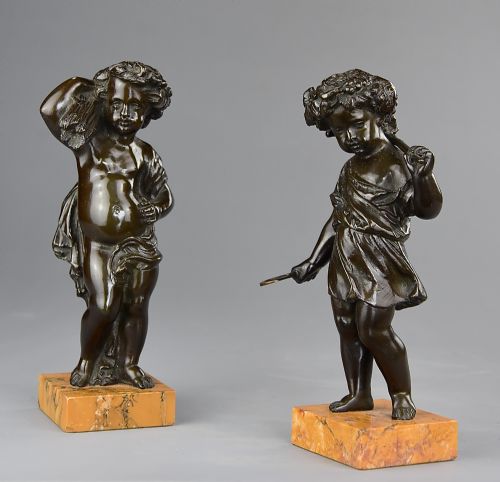
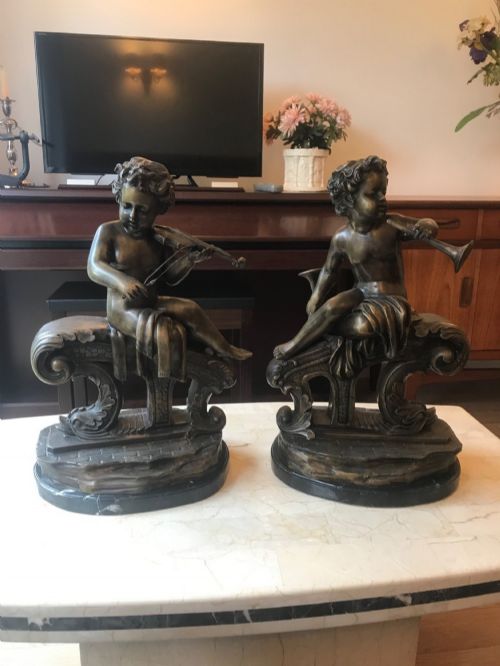
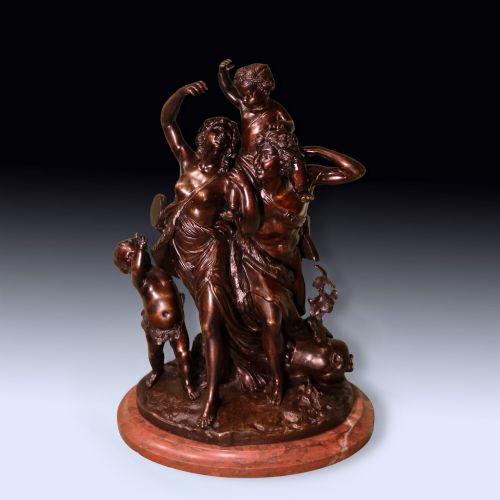
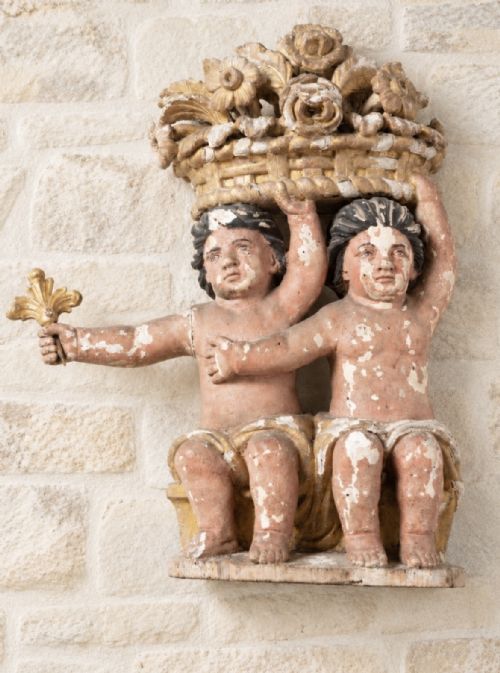
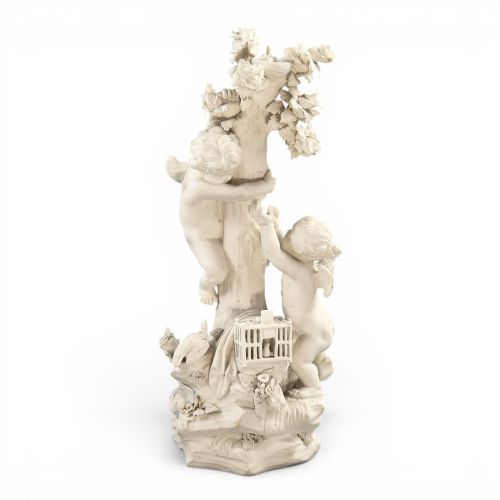
When you search for rococo putti sculptures, you encounter decorative figures that span from the eighteenth century through to later revivals in the nineteenth and twentieth centuries. The pieces on this page appear in various forms, including freestanding bronze figure groups, carved wood wall elements, and detailed porcelain table centrepieces.
You are most likely to meet nineteenth-century interpretations modelled after classical sculptors alongside authentic eighteenth-century works. These sculptural objects frequently depict allegorical themes, musical cherubs, or seasonal motifs mounted on marble bases or integrated into clock cases.
Materials and Methods
The makers of these works relied on traditional casting, carving, and moulding techniques to achieve their fluid forms. Bronze and ormolu pieces utilise lost-wax casting methods finished with fine chasing, while wooden examples show hand-carved polychrome surfaces.
Ceramic versions employ hard-paste porcelain and biscuit porcelain fired in kilns to capture delicate facial expressions and drapery. Gilt bronze mounts and gold leaf finishes provide the characteristic surface brilliance associated with the style.
Rococo Putti Sculptures Retail Price Guide 2026
Typical asking prices for rococo putti sculptures among the pieces listed under this phrase on Sellingantiques today, from the lower quarter to the upper quarter. They describe what is for sale here now, not the wider market.
Listings span from the eighteenth century to the mid-twentieth century, featuring bronze, marble, carved wood, and porcelain.
Assessing Quality and Execution
Quality rests entirely in the crispness of the modelling and the finesse of the finishing work. Superior bronze castings retain sharp detail in the hair, wings, and musculature without losing definition in the softer contours.
The integrity of the original surface patination, whether fire gilt or polychrome paint, dictates the visual depth of the piece. Base materials, particularly the selection of veined marble plinths and seasoned timber, further distinguish standard production from exceptional studio work.
Leon Message·Jollet et Cie·Meissen
The Rococo Putti Sculptures Glossary
- Putto
- A chubby male infant, often winged, depicted in classical and revival art. These figures form the primary subject matter across these sculptural works.
- Ormolu
- Finely ground high-carat gold applied to a bronze base using a mercury amalgamation technique. This finish creates a rich, warm metallic lustre.
- Polychrome
- Painted in several colours. This decorative treatment appears on carved wood and ceramic pieces to enhance realism.
- Finial
- A decorative ornament that terminates the top of an object such as a clock or mount. These elements anchor the design composition.
Rococo Putti Sculptures: Frequently Asked Questions
What distinguishes a putto from a cherub?
Art historical conventions often use these terms interchangeably to describe infant winged figures in decorative compositions.
In practical terms, both appear frequently in the titles and descriptions of these sculptural works regardless of strict theological definitions.
How do I care for bronze putti?
Bronze surfaces require only gentle dusting with a dry microfibre cloth to prevent the accumulation of airborne particles.
Avoid using chemical polishes or water, which can damage historic patination and remove protective wax coatings.
Where were these sculptures displayed?
Original eighteenth-century pieces often functioned as architectural mounts, clock ornaments, or intimate table sculptures in wealthy drawing rooms.
Later revival versions served similar decorative roles on mantelpieces and side tables within period interiors.
How can I tell a later copy from an older piece?
Examination of the casting seams, tool marks, and material wear provides clear indicators of manufacturing age and technique.
Nineteenth-century revival works often display distinct casting methods and base construction that separate them from eighteenth-century originals.