



Rococo Porcelain Jar
A rococo porcelain jar brings flamboyant scrolls, painted garden scenes, and gilt bronze mounts into a room.
Rococo Porcelain Jar
A rococo porcelain jar encompasses lidded vessels, potpourri bowls, and ginger jars created during the nineteenth century in styles revivalist of French eighteenth-century designs.
The selections on this page span diverse forms such as lidded urns, decorative bowls, and covered vases originating from continental and English workshops.
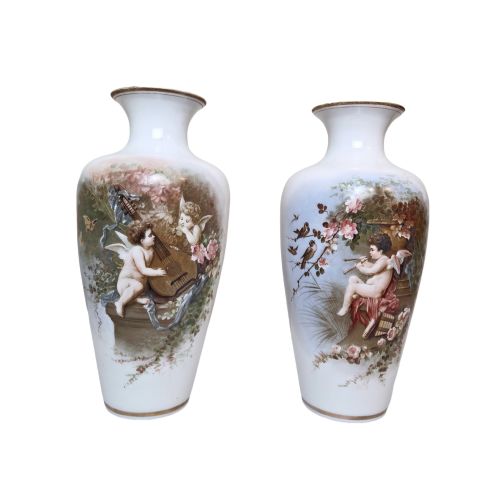
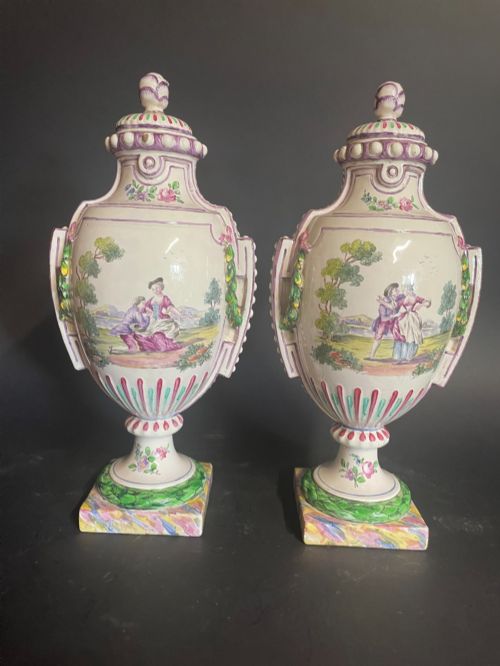
Makers drew heavily on earlier Meissen traditions, incorporating Watteau-style painted scenes, cherubs, and rich blue grounds beneath elaborate pierced covers.
How they were made
Potters shaped fine ceramic bodies before applying tin glaze, enamel pigments, and meticulous hand-painted pastoral or figural vignettes.
Many examples incorporate cast or chased ormolu, gilt bronze, and gold leaf mounts that frame the porcelain body with asymmetrical scrollwork characteristic of the revival period.
Rococo Porcelain Jar Retail Price Guide 2026
Typical asking prices for rococo porcelain jar among the pieces listed under this phrase on Sellingantiques today, from the lower quarter to the upper quarter. They describe what is for sale here now, not the wider market.
Many lidded jars are stuffed with invisible history, designed with tiny pierced holes specifically to let dried rose petals secretly perfume the parlour.
What varies in quality
Quality rests in the crispness of the porcelain modelling and the finesse of the hand-painted details, distinguishing standard factory output from masterwork painting.
The integration and weight of the gilt bronze or ormolu mounts also set examples apart, with heavier, more deeply chased mounts indicating superior manufacture.
Samuel Alcock·Helena Wolfsohn·Augustas Rex·Sitzendorf Porcelain
The Rococo Porcelain Jar Glossary
- Potpourri
- A lidded vessel pierced with small holes to release the scent of dried flower petals and spices contained within. These jars often feature elaborate openwork covers.
- Ormolu
- Finely ground high-carat gold applied to a bronze base using a mercury amalgam technique, or simply cast and gilt bronze. It provides ornamental mounts for nineteenth-century ceramics.
- Faience
- Tin-glazed earthenware produced in European potteries. Sceaux produced notable examples of this glazed ceramic ware.
- Gilding
- The application of gold leaf or gold paint to ceramic surfaces or bronze mounts. It highlights the raised scrolls and borders typical of revivalist decorative objects.
Rococo Porcelain Jar: Frequently Asked Questions
What is a rococo porcelain jar used for?
These lidded vessels served primarily as decorative ornaments on mantelpieces and side tables, sometimes holding fragrant dried flower mixtures inside pierced covers.
Over time, they functioned as cabinet showpieces designed to display wealth, artistic taste, and refined manufacturing techniques within formal nineteenth-century interiors.
How do I identify a revival style?
Revival pieces draw inspiration from earlier eighteenth-century French and German designs, incorporating characteristic asymmetrical scrolls, shell motifs, and naturalistic flower painting.
Nineteenth-century makers often combined these traditional decorative elements with heavier bronze mounts and brighter enamel colours than their historical predecessors.
Where were these decorative jars made?
Production centres spanned across France, Germany, and England during the nineteenth century, with major porcelain factories imitating earlier Meissen and Sèvres styles.
Specific regional houses such as Dresden potteries and English firms produced these ornamental lidded vases for an eager domestic and international market.
How should I display them at home?
Place lidded jars and urns on sturdy surfaces where their delicate painted panels and gilt bronze mounts can be admired from a distance.
Keep them away from direct sunlight and heavy foot traffic to protect the hand-painted enamel scenes and fragile applied porcelain details from accidental damage.