


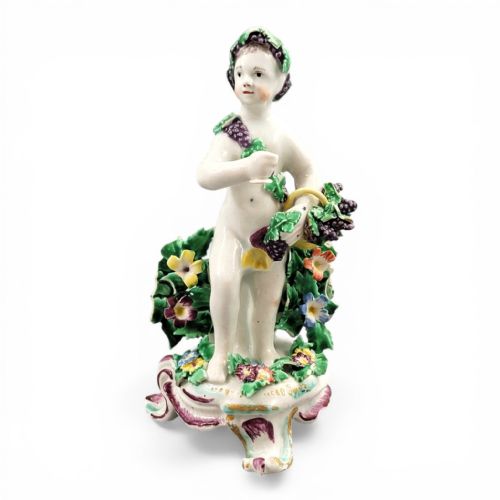

Rococo Porcelain Cherubs
Rococo porcelain cherubs bring playful 18th-century putti into 19th-century mantel clocks, lamps and mirrors for decorative display.
Rococo Porcelain Cherubs
When you search for rococo porcelain cherubs, you find figural ceramics and mounted decorative objects spanning the eighteenth to the early twentieth century. The selection leans heavily toward nineteenth-century revival pieces from continental factories alongside earlier English figures.
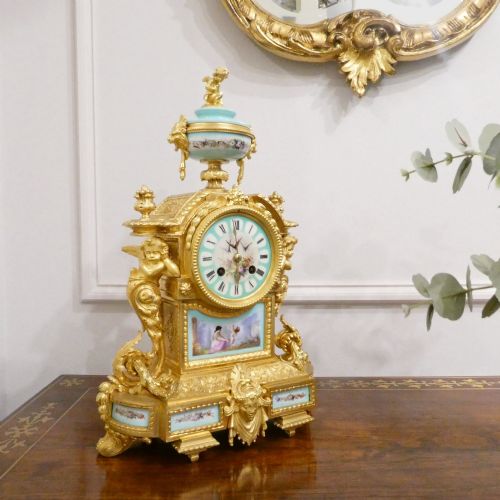
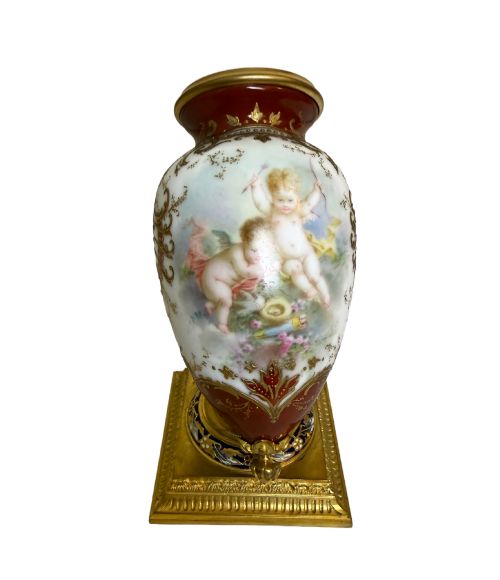
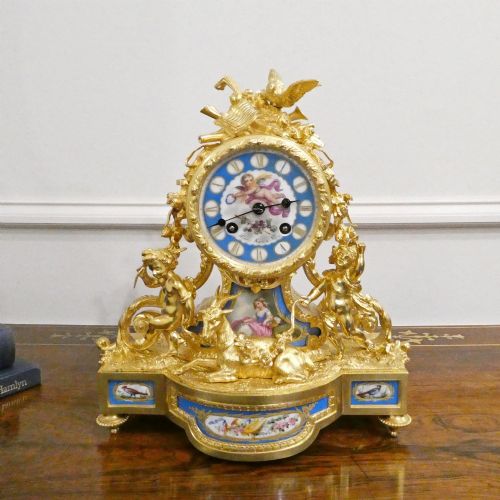
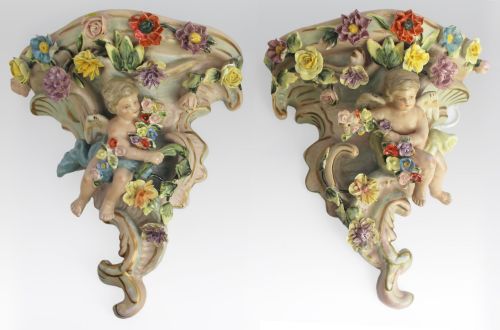
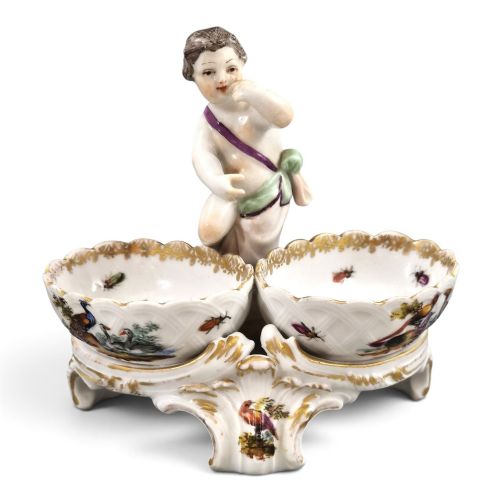
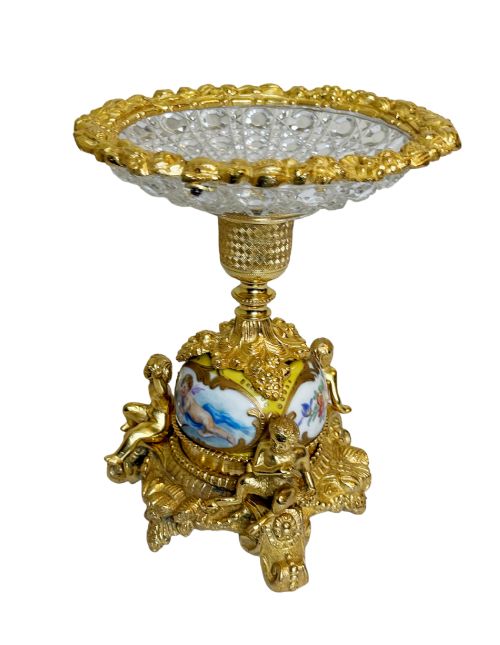
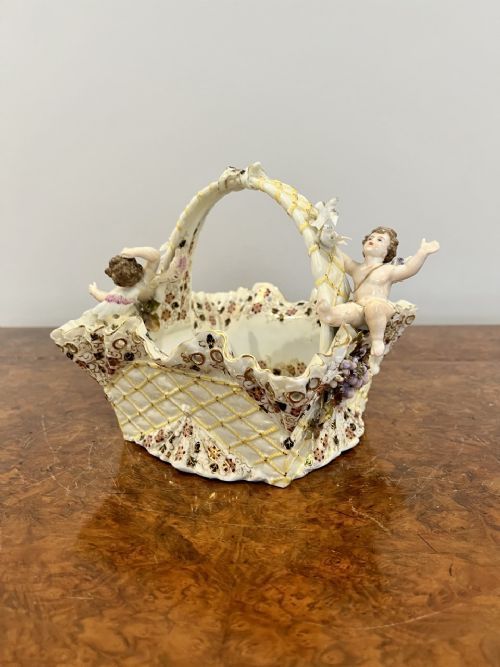
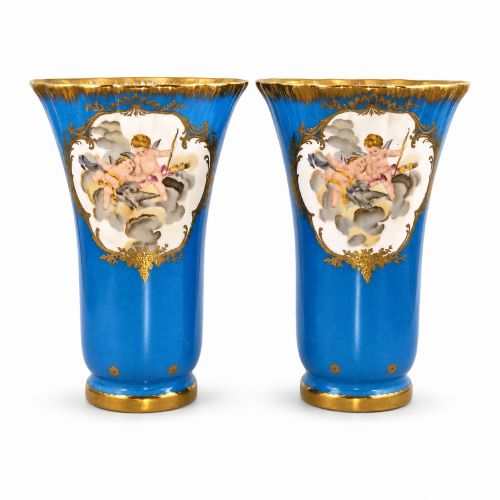
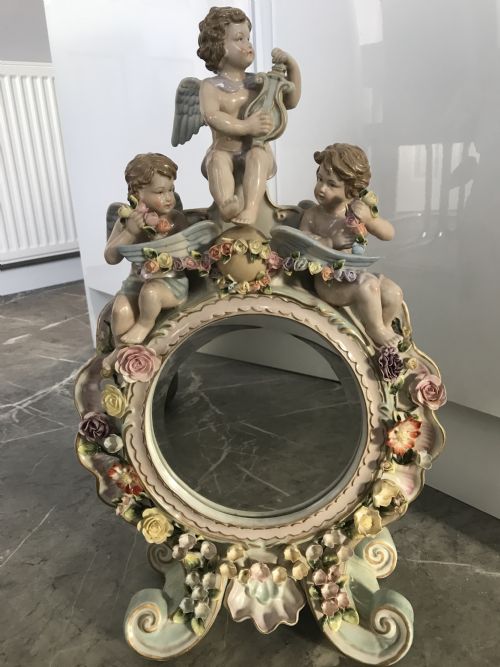
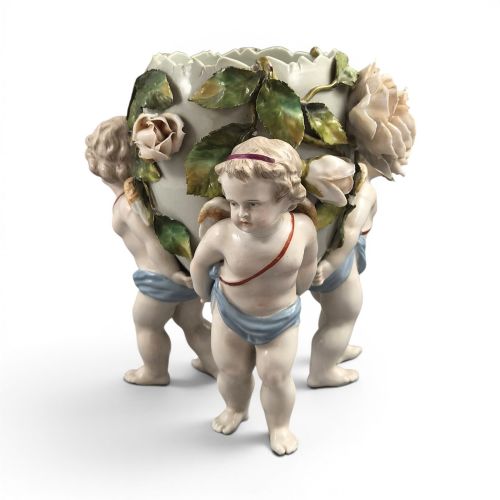
The physical forms include mantel clocks, centrepieces, wall corbels, candelabra, dressing table mirrors and oil lamps. Putti and winged angels appear modelled in the round, perched on gilt bronze mounts or holding porcelain flowers.
German and French factories dominate the current selection, particularly through Sitzendorf, Meissen and Dresden pieces. These items translate the theatrical flourishes of the French Rococo and Victorian Rococo Revival into domestic ornamentation.
How they were made
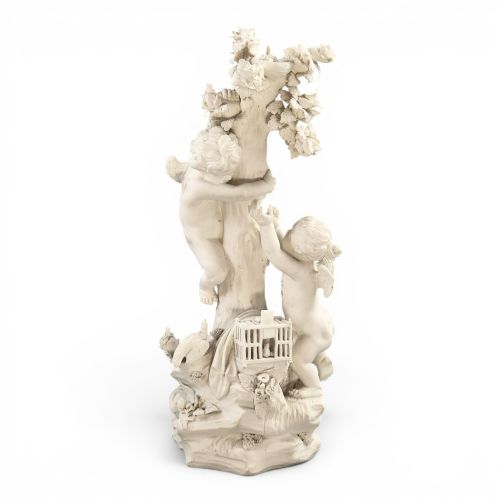
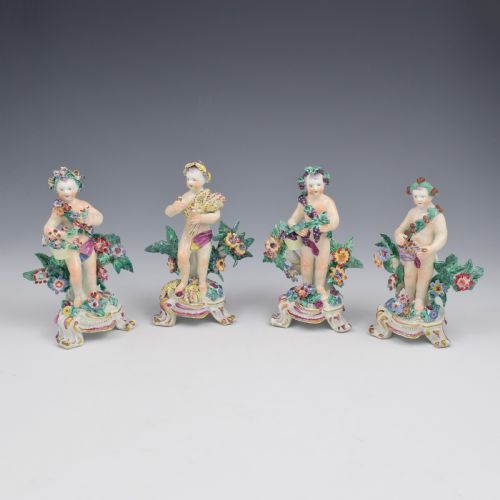
Makers shaped the figures from soft-paste or hard-paste porcelain, frequently hand-painting the surfaces with enamel colours and gilding details with gold leaf. Biscuit porcelain also appears in unglazed biscuit figures.
Metal components such as gilt bronze, ormolu, brass and gilt toleware provide structural frames for clocks, lamps and mirrors. Cut crystal and glass occasionally accompany the porcelain and metal elements in centrepieces and chandeliers.
Several cherubs bravely balance on oil lamps, hold tricorn hats, or wrangle goats across the centuries.
What varies in quality
The integration of porcelain with gilt bronze or ormolu mounts dictates the piece's overall status. Heavier, finely chased bronze mounts paired with well-fired, hand-painted porcelain bodies represent the higher tier of these decorative items.
Henry Marc·Japy Frères·KPM Berlin·Sitzendorf·Meissen·Volkstedt
The Rococo Porcelain Cherubs Glossary
- Putto
- A plump, naked male child figure often depicted with wings, frequently referred to as a cherub. These figures populate rococo designs in both painting and three-dimensional porcelain.
- Ormolu
- Gilded bronze used widely for mounts on clocks, vases and mirrors during the eighteenth and nineteenth centuries. The technique involves applying a gold amalgam to a bronze base.
- Soft-paste porcelain
- An artificial ceramic paste fired at lower temperatures than true porcelain, used extensively by early English factories. It produces a warm texture beneath the glaze.
- Biscuit porcelain
- Unglazed ceramic fired once to create a matte, marble-like surface texture. Figures produced in this medium showcase fine sculptural detail without enamel distraction.
- Sweetmeat figure
- A small decorative ceramic dish or container held by a modelled figure, designed for holding small confectioneries. These pieces combine utility with figurative ornamentation.
Rococo Porcelain Cherubs: Frequently Asked Questions
What are putti in porcelain?
Putti are winged infant figures derived from classical art that gained immense popularity during the rococo period. In ceramics, they appear as playful attendants clambering over clocks, holding floral garlands or serving as lamp bases.
These figures embody the lighthearted, theatrical spirit of the revival styles. Sculptors used them to add narrative charm and movement to otherwise static decorative objects.
How do I date these pieces?
Dating relies on factory marks, the composition of the paste and the style of the metal mounts. Eighteenth-century examples often feature early underglaze blue marks and softer potting, while nineteenth-century revival pieces display heavier gilding and machine-tooled bronze.
Examining the wear on the base and the attachment methods of the metal components also helps establish the era of manufacture. Revival pieces from the Victorian era frequently mimic earlier eighteenth-century aesthetics closely.
Where were these pieces made?
Production centred primarily in Germany, France and England during both the historical periods and the later revival eras. Major factories included Meissen and Sitzendorf in Germany, alongside Sèvres and various Parisian workshops in France.
English contributions came from historic sites such as Bow, Chelsea and Derby, producing distinct soft-paste figures. Continental makers often exported large quantities of gilt-bronze mounted ceramics to the British market.