


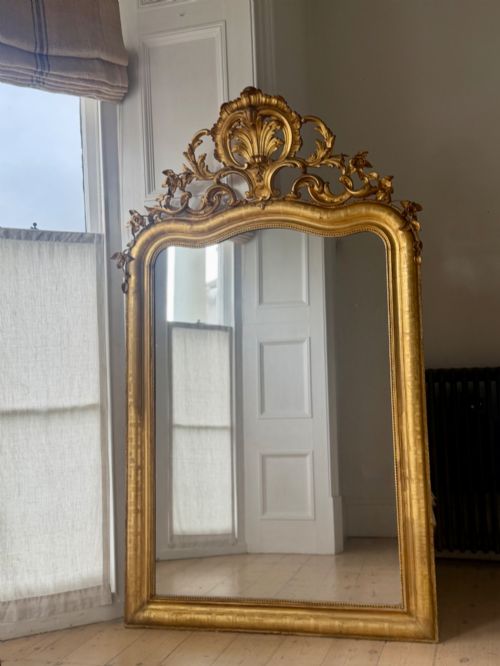
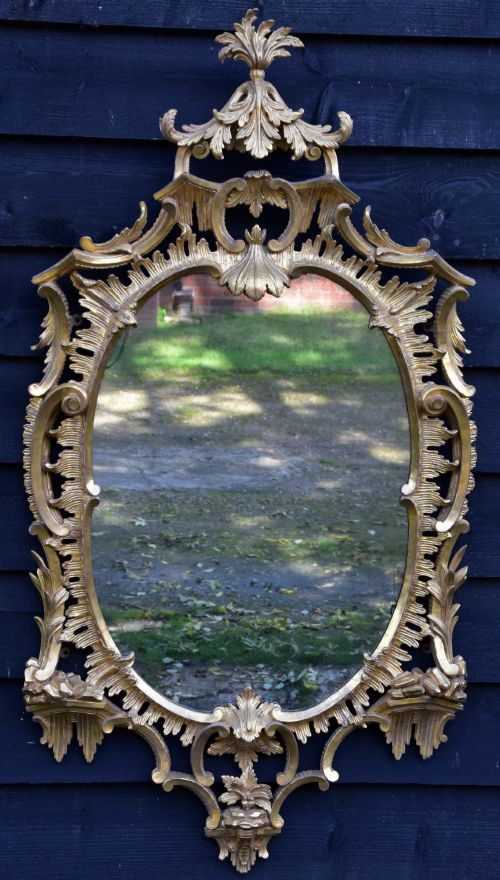
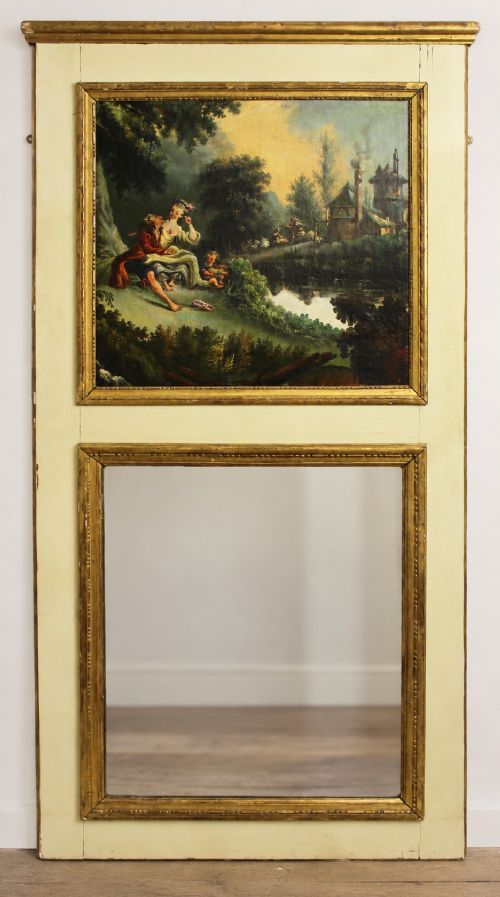

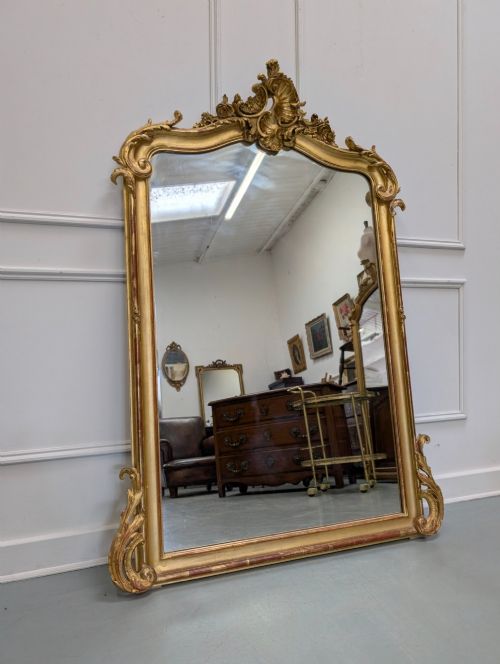

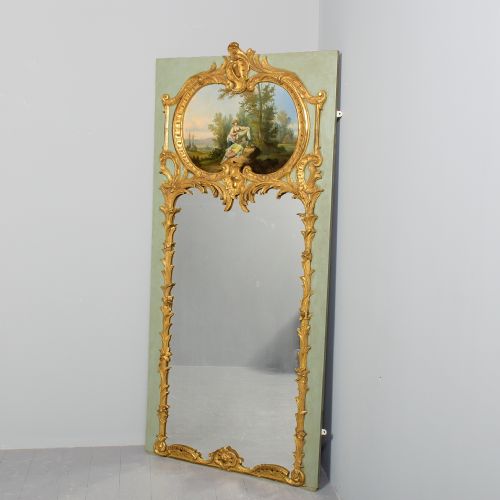
Rococo Pier Glass
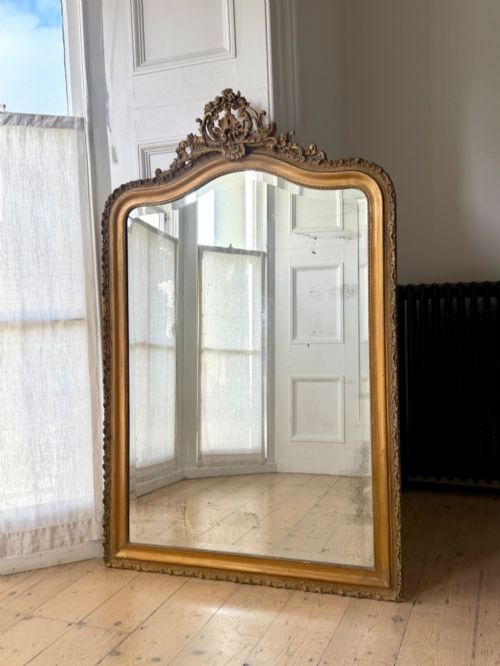
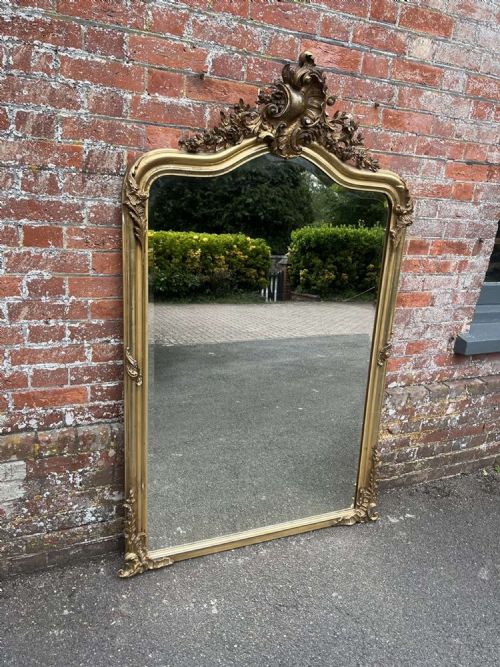
A rococo pier glass brings extravagant asymmetry and reflected light to a room, designed historically to hang on the narrow wall between two windows.
Rococo Pier Glass
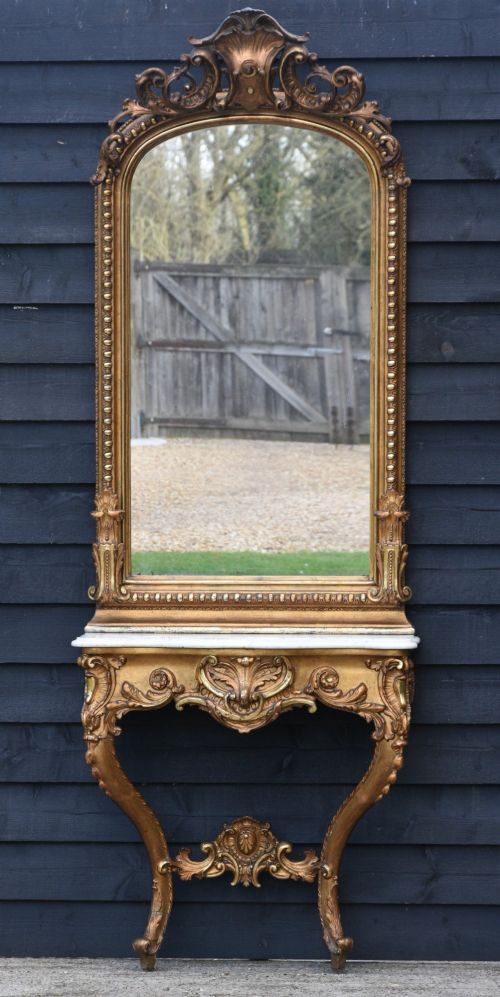
When searching for a rococo pier glass, buyers encounter tall wall mirrors, console table sets, and trumeau panels spanning the eighteenth and nineteenth centuries. These pieces originate primarily from English, French, and Italian workshops adhering to historic revival styles or period manufacturing.
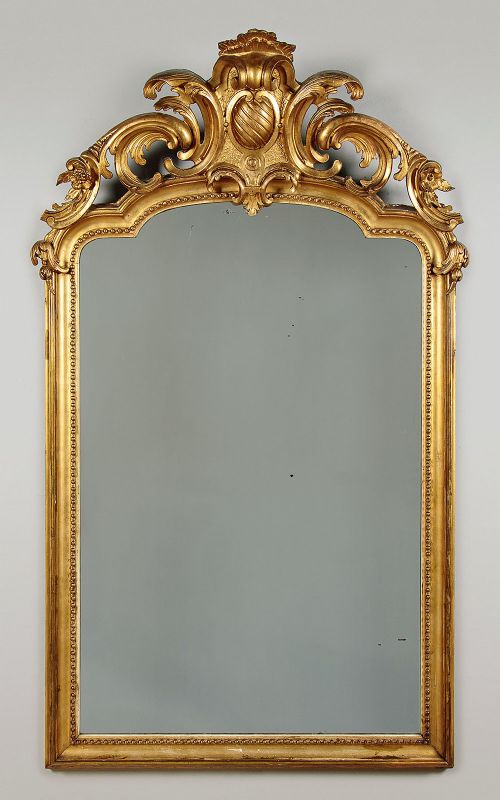
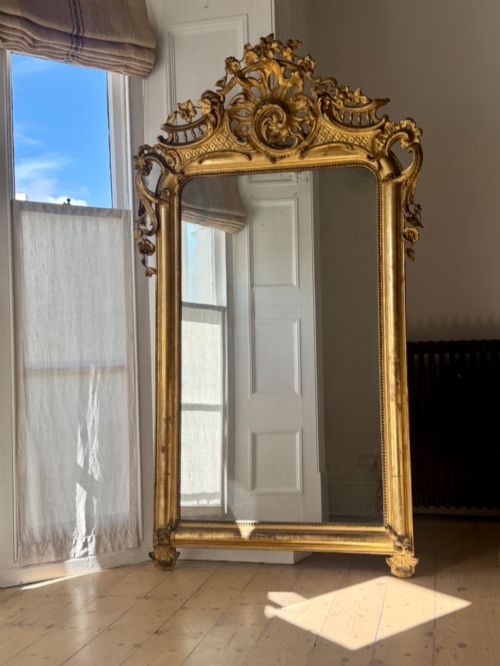
The version most commonly met on this page is the nineteenth-century French or Italian giltwood wall mirror, frequently featuring carved wood and gesso frames with shaped or arched tops. Alongside these stand eighteenth-century Georgian examples and larger console table combinations designed for formal interiors.
How they were made
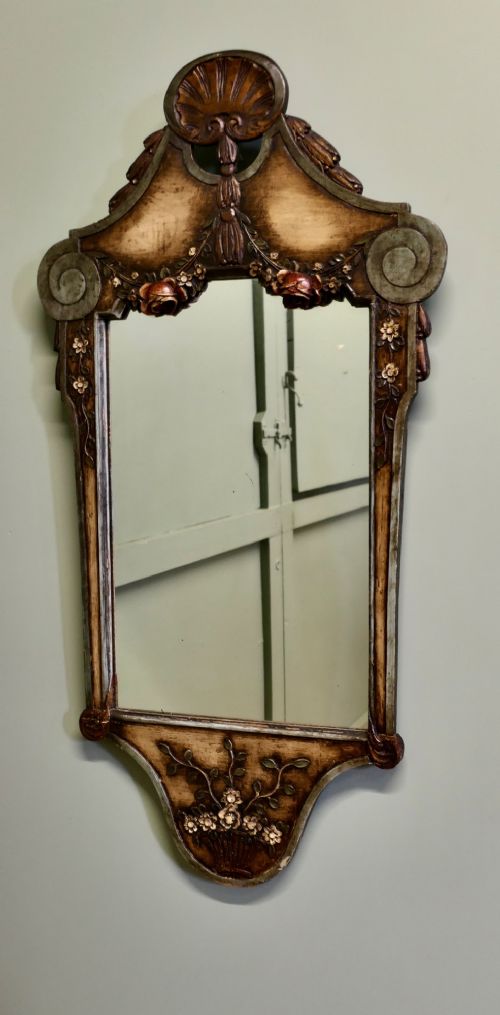
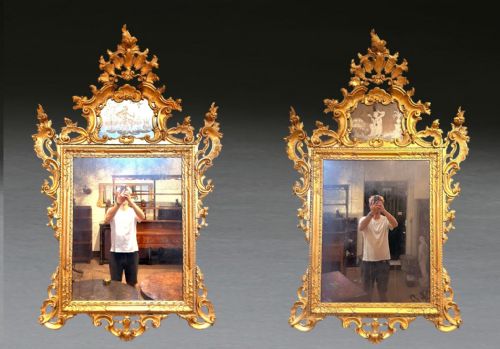
Makers constructed these frames from carved wood, sycamore, or walnut, applying layers of gesso to build up intricate scrollwork, asymmetrical foliage, and shell motifs before gilding them with gold leaf or silver leaf. Some examples incorporate hand-painted panels or pastoral oil paintings set into trumeau frames above the glass.
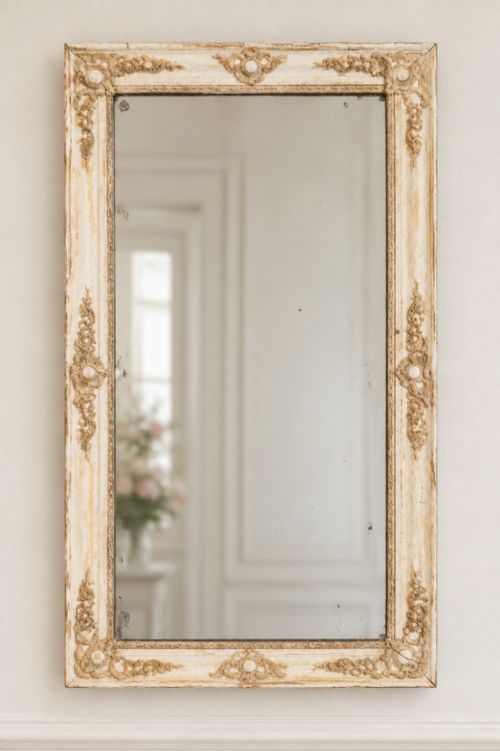
The reflective plates themselves utilise traditional mirror glass or mercury glass, occasionally showing natural foxing from age. Frames also appear with parcel gilding, paintwork, or silver gilt finishes applied over the carved wooden structures.
Rococo Pier Glass Retail Price Guide 2026
Typical asking prices for rococo pier glass among the pieces listed under this phrase on Sellingantiques today, from the lower quarter to the upper quarter. They describe what is for sale here now, not the wider market.
Listings span the eighteenth, nineteenth, and early twentieth centuries, incorporating materials such as giltwood, gesso, marble, and mercury glass.
What varies in quality
The distinction between ordinary and exceptional examples lies in the depth and crispness of the wood carving, particularly where delicate scrolls and asymmetrical rococo motifs define the frame. Hand-carved execution displays sharp relief and fluid movement, whereas lesser pieces rely on heavy, uniform composition.
Quality also rests in the preservation of the original gilding and the character of the mirror plate itself. Intact mercury glass with authentic age spots commands greater interest than modern replacement glass within historic frames.
The Rococo Pier Glass Glossary
- Pier glass
- A tall mirror designed specifically to hang on the wall pier between two windows. They often sat directly above a matching console table.
- Trumeau
- A decorative wall panel containing a mirror, a painted scene, or both within a carved wooden frame. These French wall fixtures became popular during the eighteenth and nineteenth centuries.
- Mercury glass
- An early type of silvered mirror glass created by pouring a mercury amalgam behind the glass plate. It develops distinctive dark speckles, known as foxing, over time.
- Gesso
- A plaster-like mixture applied to wood frames to provide a smooth base for gilding and intricate low-relief carving. Artisans moulded this material to create elaborate scrollwork.
- Parcel gilt
- A finishing technique where only specific raised portions of a carved wooden frame receive gilding, leaving the underlying wood or paint exposed elsewhere.
Rococo Pier Glass: Frequently Asked Questions
Where should I hang a pier glass?
These mirrors suit narrow wall spaces, hallways, or the wall space between two windows where they can maximise natural light. They also function effectively above low console tables or mantelpieces.
Ensure the wall structure can support the substantial weight of carved wood and glass frames, particularly for larger nineteenth-century examples.
What is mercury glass?
Mercury glass is an older type of mirror plate made using a silvering method that often produces dark spots and mottled patches called foxing. This ageing process is characteristic of eighteenth and nineteenth-century mirrors.
Modern mirror plates lack these natural irregularities and the soft reflection produced by historic glass.
How do I tell an eighteenth-century mirror from a nineteenth-century revival piece?
Eighteenth-century mirrors typically display hand-carved details specific to Georgian or Louis XV periods, showing subtle tool marks and older construction methods. Timber types like walnut or sycamore often appear in these earlier pieces.
Nineteenth-century revival pieces often utilise heavier gesso over carved wood, reflecting the ornate tastes of the Victorian era and later decorative movements.
What is a trumeau mirror?
A trumeau mirror combines a vertical looking glass with an integrated decorative panel, which frequently contains a pastoral oil painting or carved woodwork. Originating in French interior design, they served as permanent architectural wall decorations.
They bring both art and reflected light into a room within a single unified frame.