
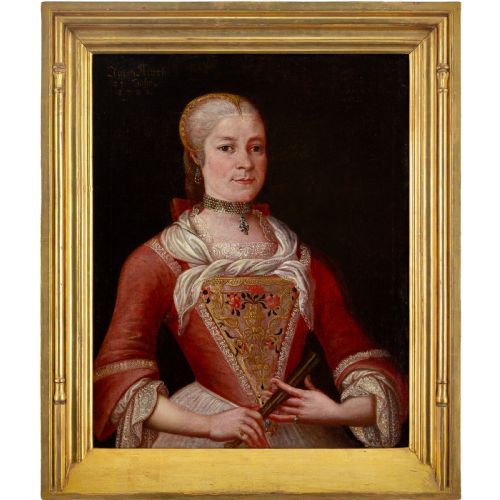
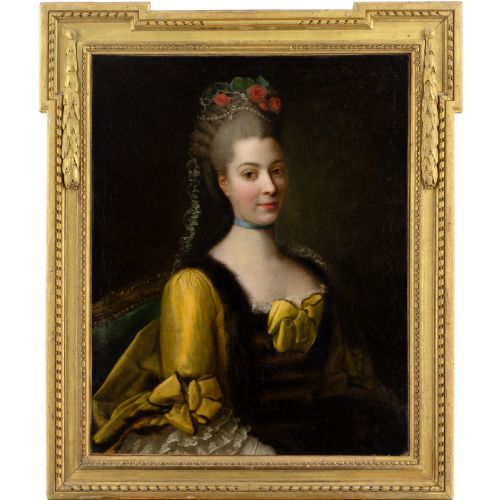
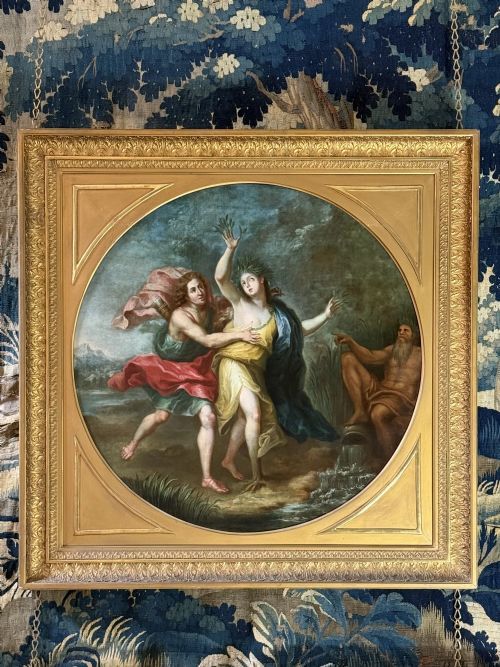
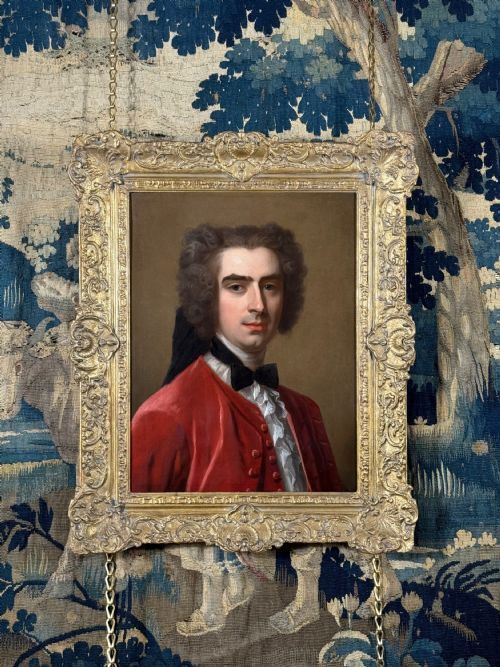
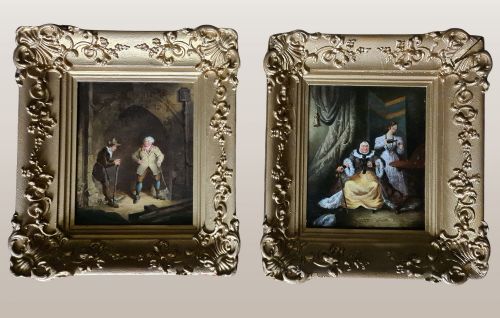
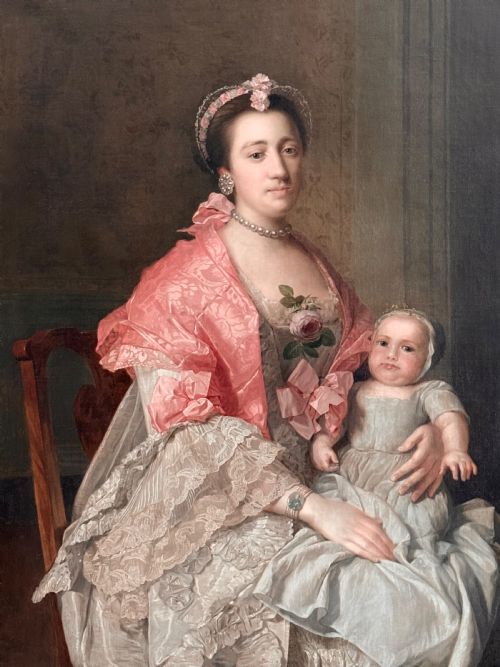
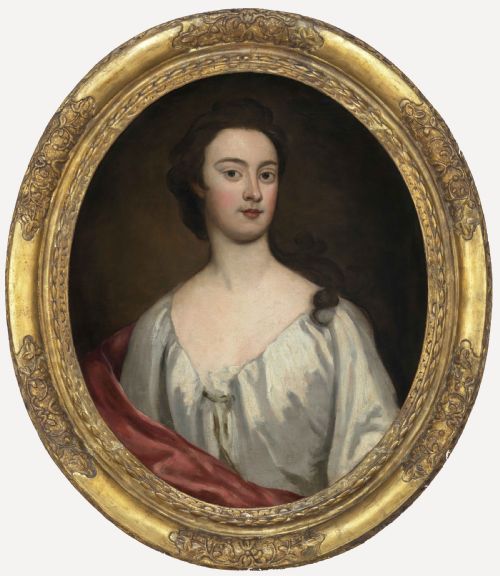
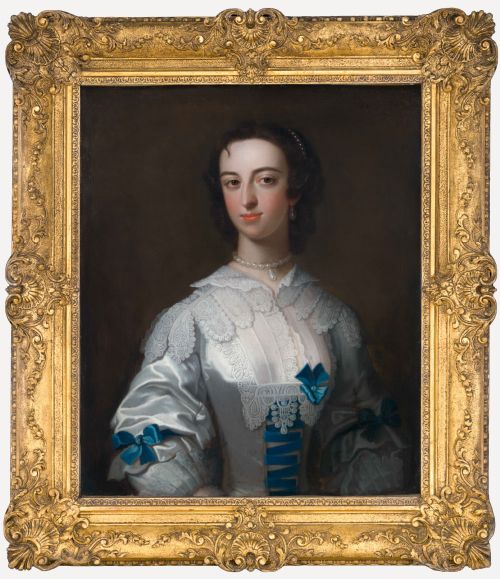
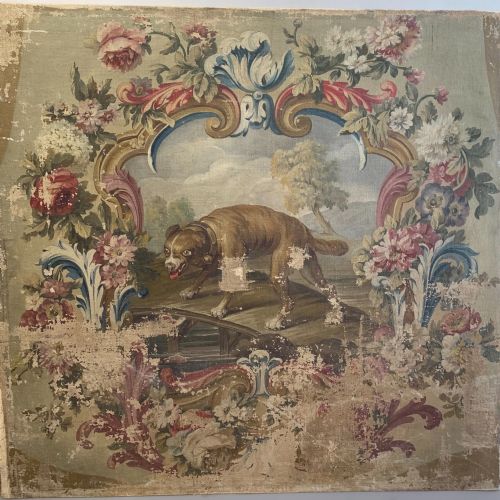
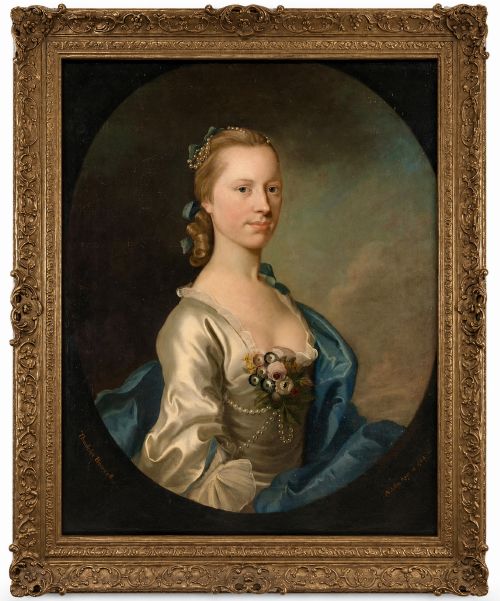

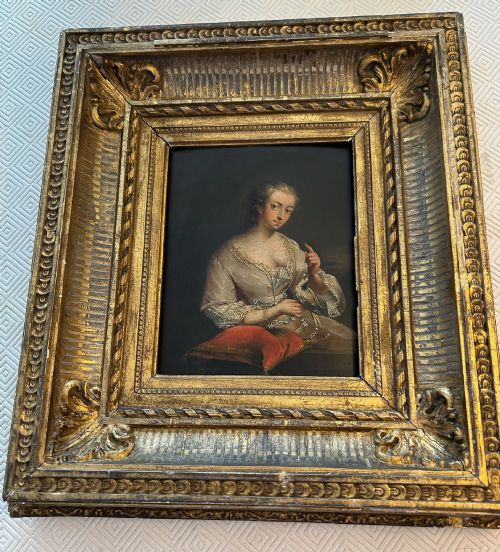
Rococo Oil on Canvas
A rococo oil on canvas brings theatrical elegance, delicate pastoral scenes, and finely painted portraiture into a room.
Rococo Oil on Canvas
Most pieces date from the eighteenth century, presenting period portraiture and mythological works executed in oil paint. Later nineteenth-century interpretations and twentieth-century decorative pieces also appear within the offerings.
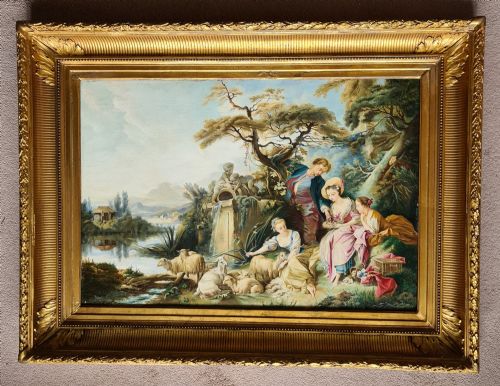
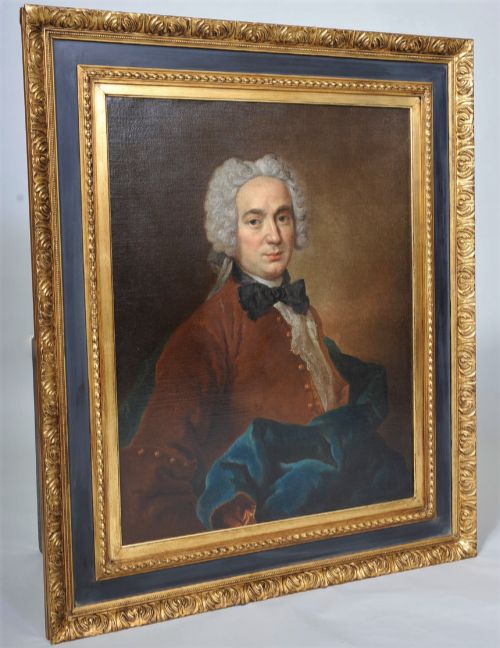
The subjects range from aristocratic figures in silk dresses to playful cherubs and interior ballroom scenes. These works function as historic wall art, often housed in period frames.
Materials and construction
The works utilise oil paint applied to stretched canvas surfaces, capturing soft flesh tones, rich fabrics, and delicate atmospheric details. Many eighteenth-century compositions rely on a palette that supports theatrical or pastoral narratives.
Surviving paintings frequently retain their original or period frames constructed from wood, gesso, and giltwood. Elaborate ornamentation often incorporates gold leaf and swept gesso mouldings designed to complement the curves of the canvas.
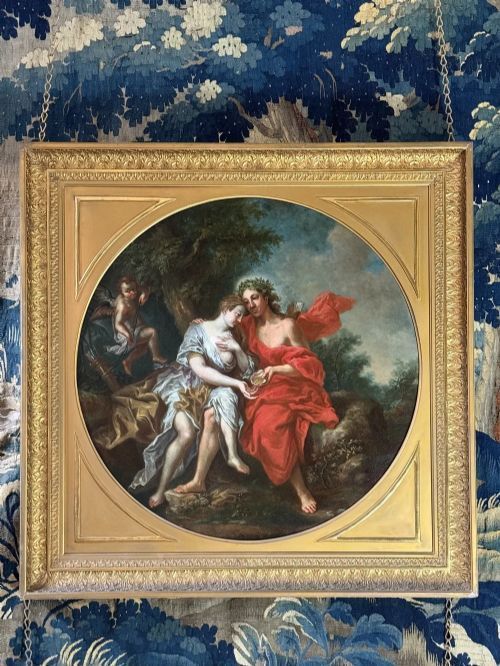
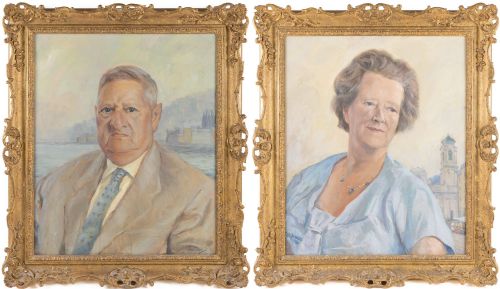
The selection includes portraits of ladies and gentlemen, classical mythological pairs, and trompe l'oeil scenes of cherubs playing.
Distinctions in quality
The craftsmanship of the accompanying frame significantly influences the overall piece. Hand-carved giltwood and gesso frames with deep relief detailing elevate the status of the canvas they enclose.
Charles Antoine Coypel·Jean Baptiste Van Loo·Sir Allan Ramsay·Jeremiah Davison·Henry Pickering·Nicolas Fouche·Louis De Silvestre·Christian Lindner
The Rococo Oil on Canvas Glossary
- Grisaille
- A painting executed entirely in shades of grey or neutral monochrome. This technique often mimics stone sculpture or serves as a preparatory study for larger decorative schemes.
- Camaieu
- A monochrome painting executed in a single colour other than grey, such as blue. It creates a unified tone that resembles a cameo.
- Giltwood
- Wood that has been coated with a thin layer of gold leaf or powder. It provides a reflective, ornate border for formal portraits and mirrors.
- Gesso
- A paint mixture consisting of a binder mixed with chalk, gypsum, or pigment. It is applied to wooden frames to create a smooth surface for gilding.
Rococo Oil on Canvas: Frequently Asked Questions
How do I identify a true eighteenth-century canvas?
Examine the weave of the canvas, the ageing of the oil paint, and the style of the stretcher bars behind the work. Period materials typically show natural oxidation and craquelure consistent with age.
Compare the portrait style and costume details with historical records from the period. Attributions to known schools or artists often help confirm the date.
Where should I hang a large oil painting?
These works suit formal living rooms, dining spaces, or hallways with controlled natural light. Ensure the wall can support the weight of the canvas and its heavy giltwood frame.
Keep paintings away from direct sunlight and heat sources to protect the oil paint and canvas from drying out or warping.
What is the difference between original and revival pieces?
Original eighteenth-century works carry the direct aesthetic and material history of the period they depict. They frequently feature period pigments and canvas preparations.
Revival pieces, often created in the nineteenth century, imitate the earlier style using later manufacturing methods and materials. They offer a similar decorative impact with slightly different ageing characteristics.
How should I care for a giltwood frame?
Dust the gesso and giltwood surface gently with a soft, dry brush to prevent dirt buildup. Avoid using water or chemical cleaners, which can damage the delicate gold leaf.
Maintain stable humidity levels in the room to prevent the wooden frame and gesso from cracking or separating over time.