
Rococo Giltwood Carving
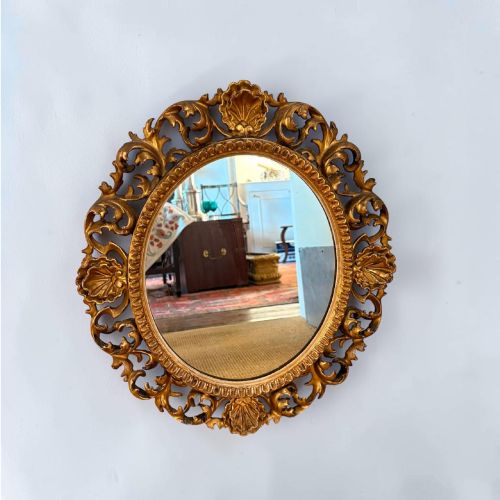
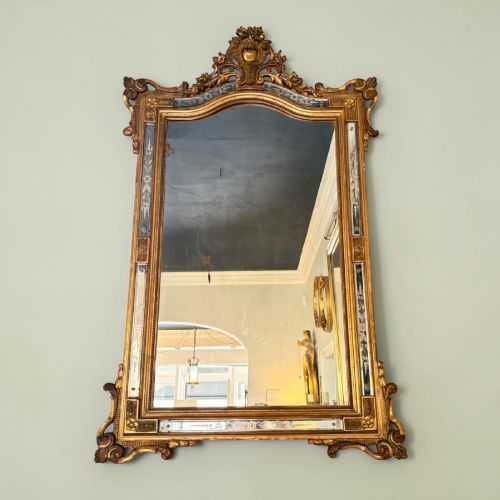
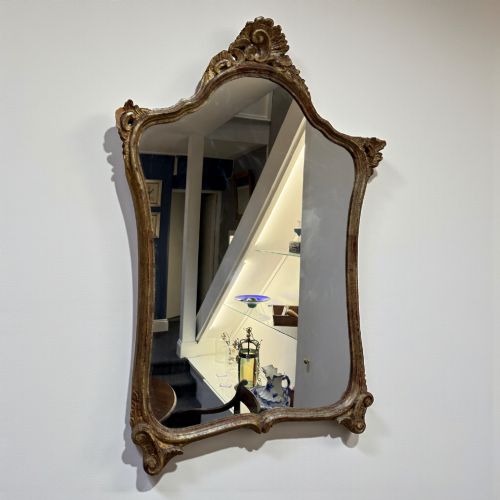
Rococo giltwood carving brings together ornate asymmetrical scrolls, gilded surfaces, and grand mirrors or tables designed for formal interiors.
Rococo Giltwood Carving
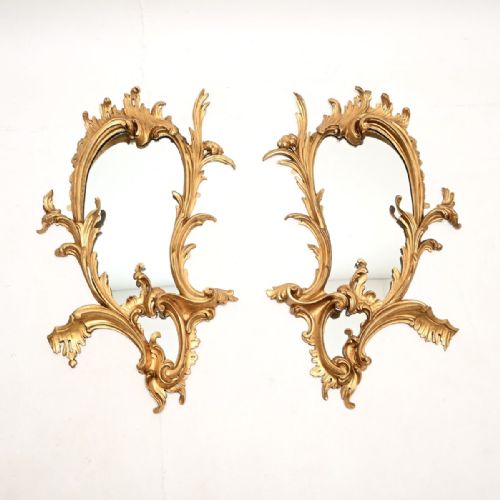
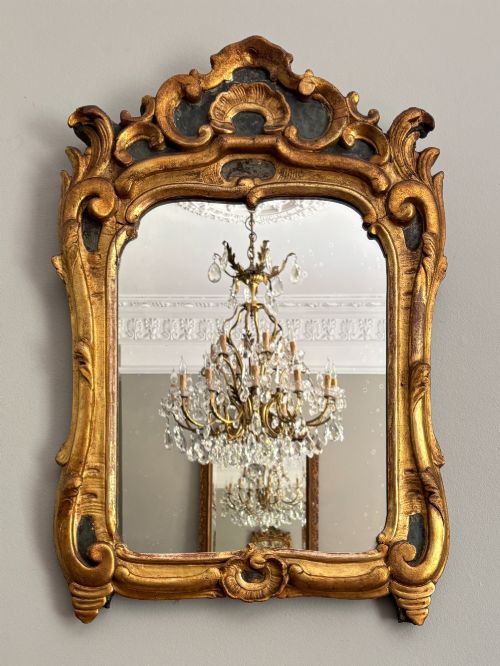
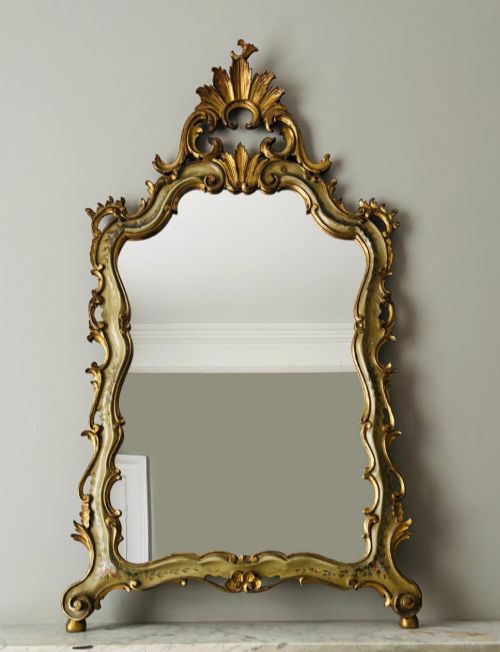
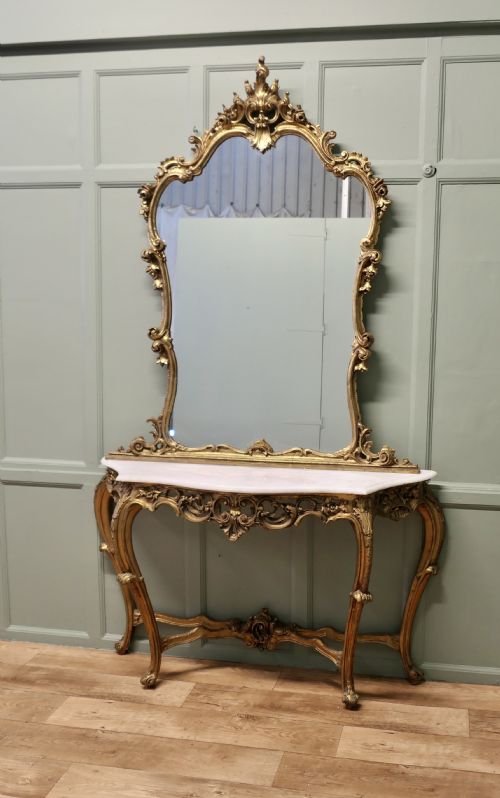
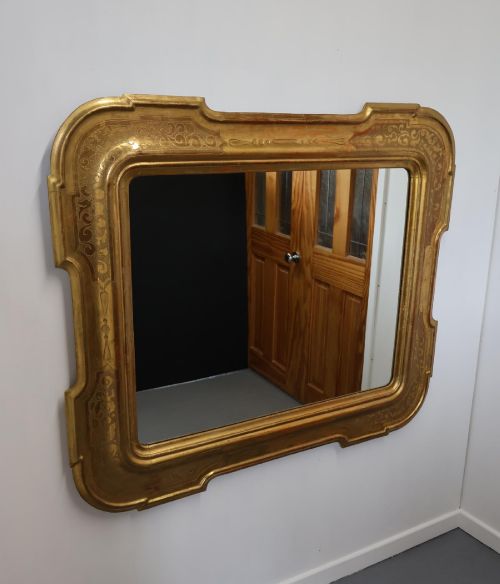
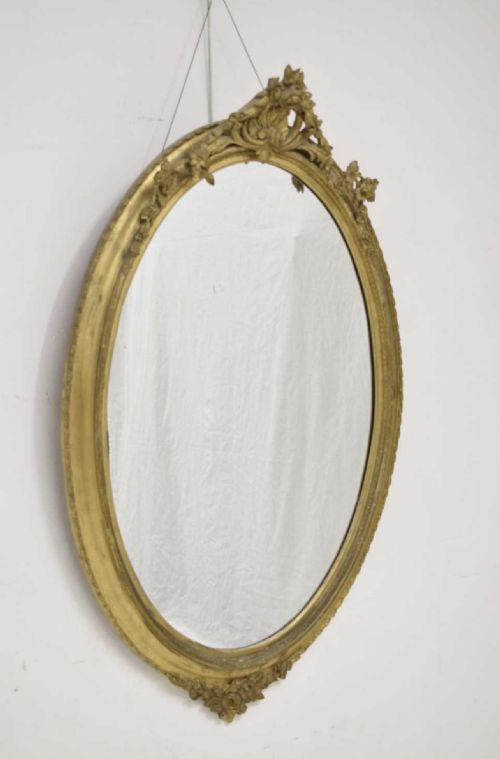
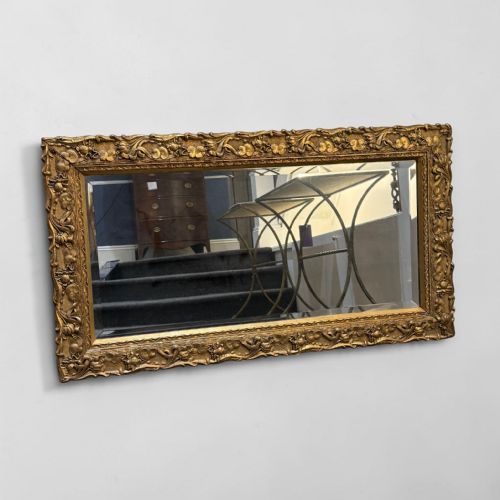
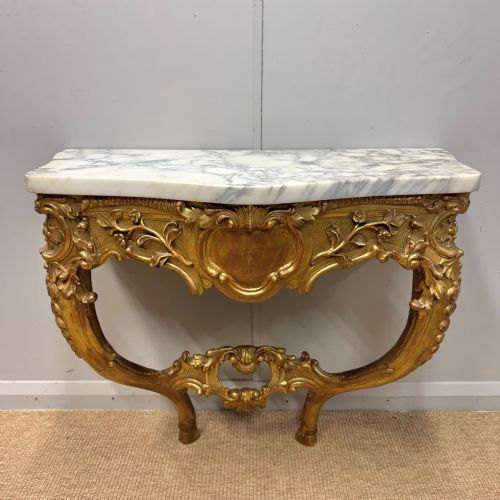
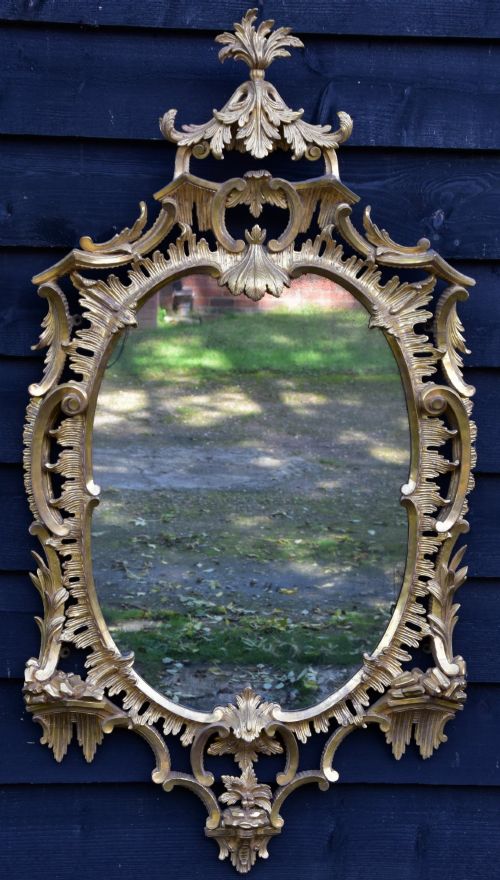
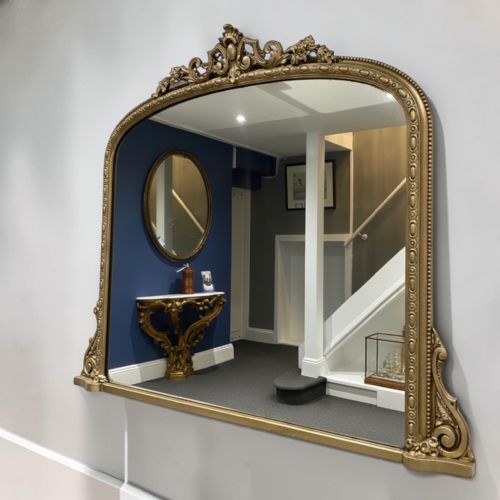
When someone searches for rococo giltwood carving, they encounter heavily ornamented furnishings shaped by nineteenth-century revivals of eighteenth-century French and Italian designs. The items gathered here consist primarily of large wall mirrors, overmantel mirrors, pier mirrors, and carved console tables fitted with marble tops.
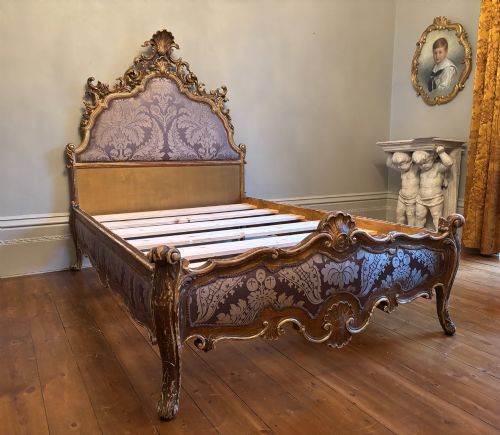
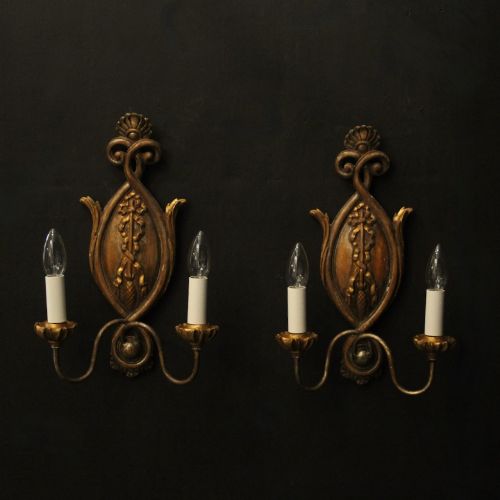
Most examples originate from the nineteenth century, including specific dates such as 1860, 1870, and 1880, alongside Victorian and Edwardian interpretations. Alongside mirrors and consoles, the selections include open armchairs, wall lights, window seats, and coffee tables displaying organic motifs.
Origin points span French, Italian, and English workshops, with distinct regional preferences appearing in the carving style and frame construction. French pieces often lean towards Louis XV and Regence interpretations, while Italian variants include Florentine girandoles and polychrome accents.
How they were made
The foundation of these objects typically relies on carved timber, often pine, walnut, or other hardwoods shaped by hand. Craftsmen applied gesso over the wooden base to create a smooth, receptive ground for subsequent ornamentation and gilding.
Gold leaf or composition metal was applied to the prepared surfaces, often burnished to achieve varied levels of reflection. Mirror plates within these frames frequently include bevelled edges, while older examples feature period mercury glass.
Listings feature items spanning the 18th century, 19th century, Victorian, Edwardian eras, and early 20th century up to 1930.
What varies in quality
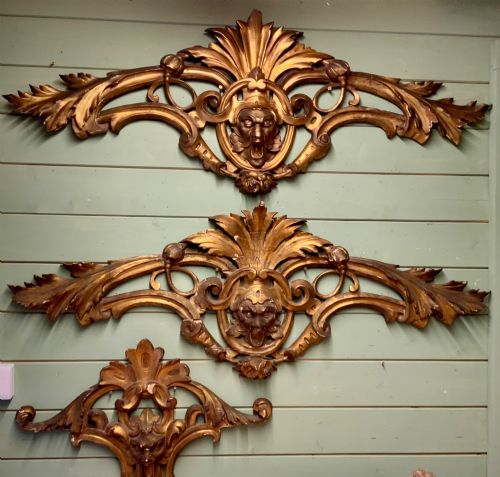
The depth and crispness of the hand-carving separate standard production from superior examples, as skilled carvers achieved deep undercut scrolls and naturalistic floral asymmetry without rigidity. The quality of the gesso preparation dictates how cleanly the fine details hold their definition beneath the gold leaf over decades of existence.
The integrity of the underlying wood and the retention of original gilding rather than later repainting determine the historical value of a piece. Furthermore, the weight and clarity of the glass, particularly original mercury plates, influence the overall character of mirrors in this category.
The Rococo Giltwood Carving Glossary
- Giltwood
- Wood that has been coated with gold leaf or a gold-coloured finish. This material forms the primary visual element across the frames, consoles, and seating found in this category.
- Gesso
- A plaster-like mixture applied to wood surfaces to provide a smooth base for carving and gilding. Artisans used this compound to build up relief details before applying gold leaf.
- Overmantel mirror
- A large mirror designed to hang specifically above a fireplace mantel. These pieces frequently incorporate extensive carved crests and wide frames.
- Console table
- A wall-mounted or freestanding table supported by decorative brackets or legs, often topped with marble. They frequently accompanied matching pier mirrors in formal nineteenth-century interiors.
- Mercury glass
- An early type of silvered glass produced by pouring a mercury amalgam between double-walled blown glass globes. It yields a mottled, atmospheric reflection distinct from modern silvered mirrors.
Rococo Giltwood Carving: Frequently Asked Questions
Where should I hang a large overmantel mirror?
These mirrors were originally scaled to sit directly above fireplace mantels in high-ceilinged reception rooms. Placing them in similar positions anchors the room and reflects ambient light across the space.
Ensure the wall structure can support the substantial weight of carved timber and glass. Many examples also function effectively as leaner mirrors placed directly on the floor against a wall.
How do I care for giltwood surfaces?
Giltwood requires gentle maintenance to preserve the thin layers of gold leaf and underlying gesso. Dust the carved areas lightly with a soft, dry brush without applying pressure or cleaning solutions.
Keep these items away from direct sunlight and damp environments to prevent the wood from warping and the gilding from flaking.
What is the difference between French and English rococo styles?
French interpretations tend to emphasise asymmetrical C-scrolls, floral sprays, and fluid cartouches derived from Louis XV designs. These pieces often exhibit a lighter, more exuberant decorative vocabulary.
English variants, such as those inspired by Chippendale, sometimes incorporate heavier timber construction or subtle nods to other aesthetic movements alongside the standard rococo foliage.
Are console tables designed to stand alone?
Console tables often function as standalone architectural furniture items beneath wall art or windows. Many nineteenth-century examples were built specifically to pair visually with an associated pier mirror.
Their fitted marble tops provide a durable surface for decorative objects while maintaining the formal proportions of the room.