

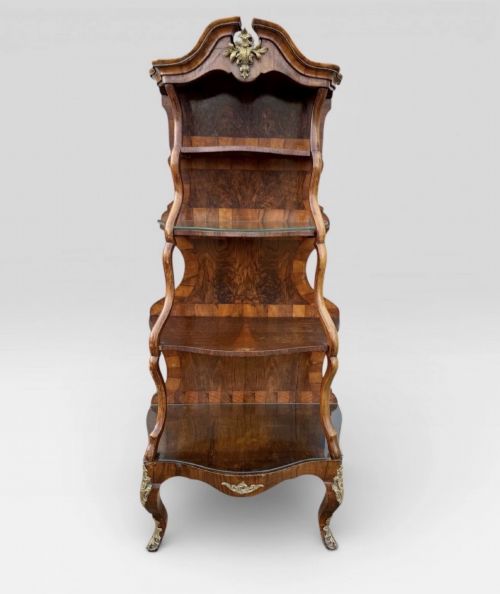


Rococo Gilt Shelf
These rococo gilt shelf designs and related wall brackets bring ornate French revival curves and gilded surfaces into domestic interiors.
Rococo Gilt Shelf
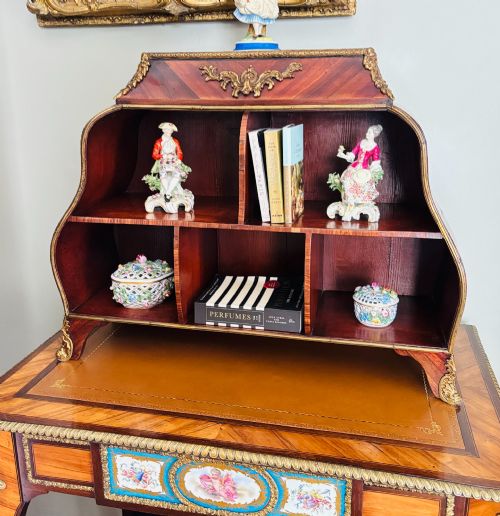
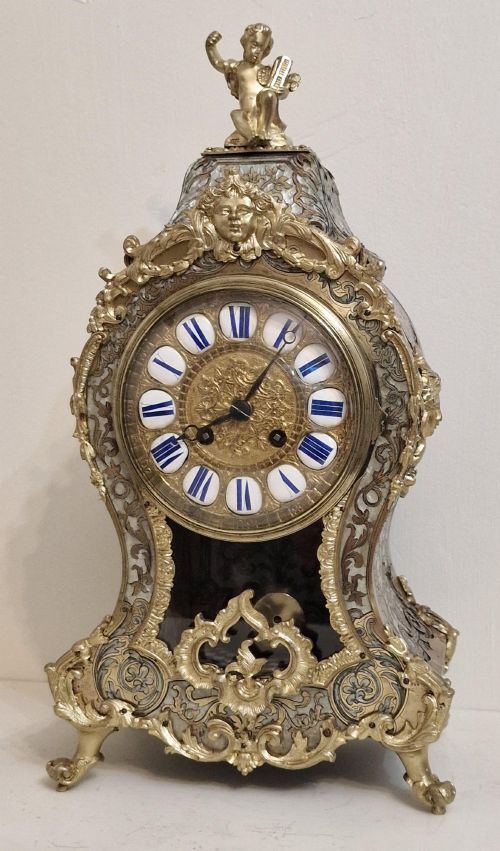
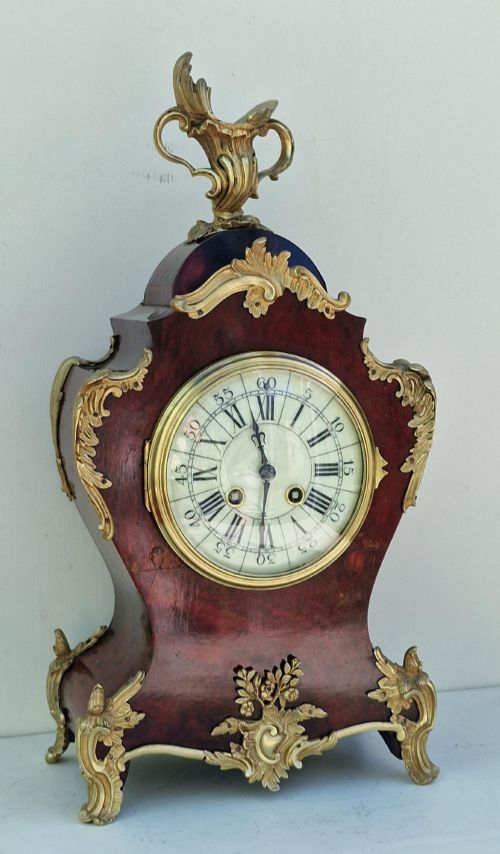
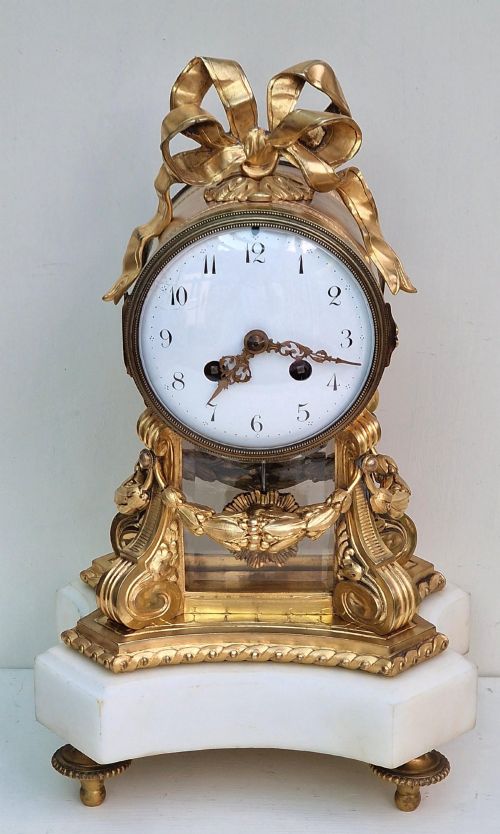
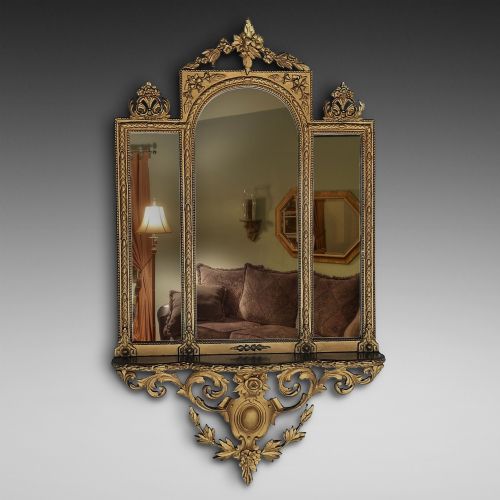
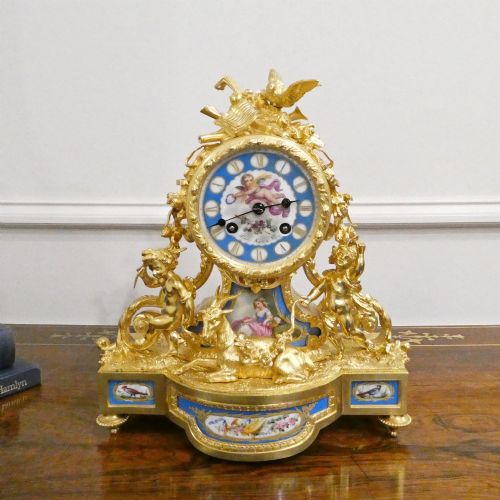
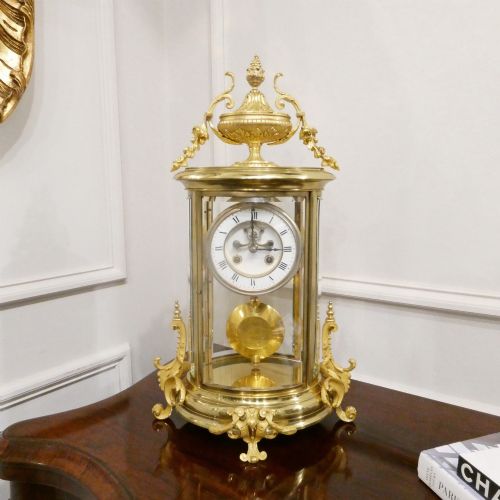
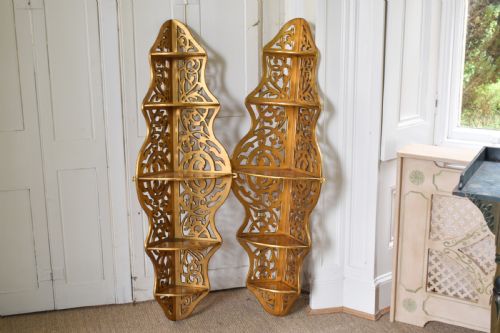
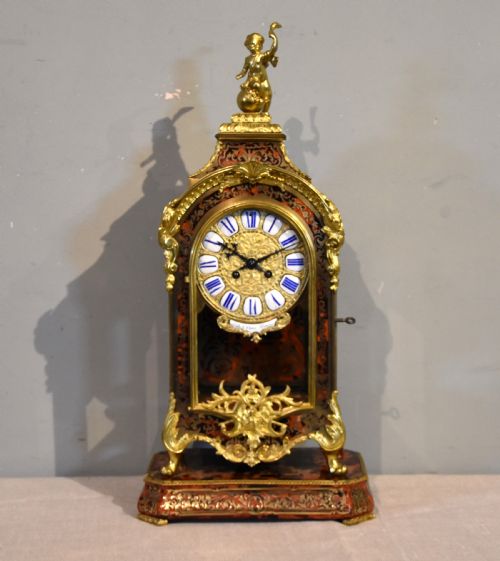
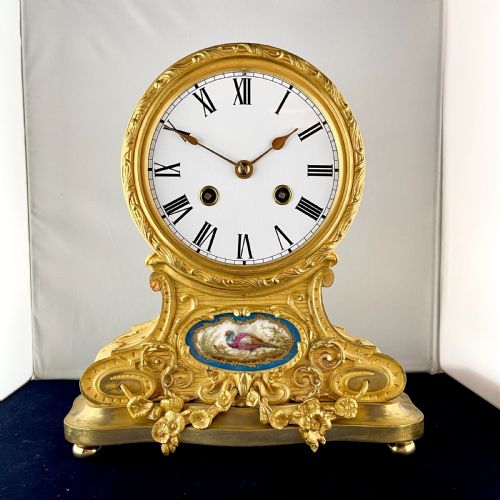
When searching for a rococo gilt shelf, buyers encounter a selection of 18th century, Victorian, and 19th century decorative objects including wall brackets, corner shelves, console tables, and mantel clocks with gilt finishes.
The objects stem from revival movements such as French Rococo Revival, Italian Rococo, and Louis XV Revival, frequently featuring carved wood, gesso, or ormolu mounts.
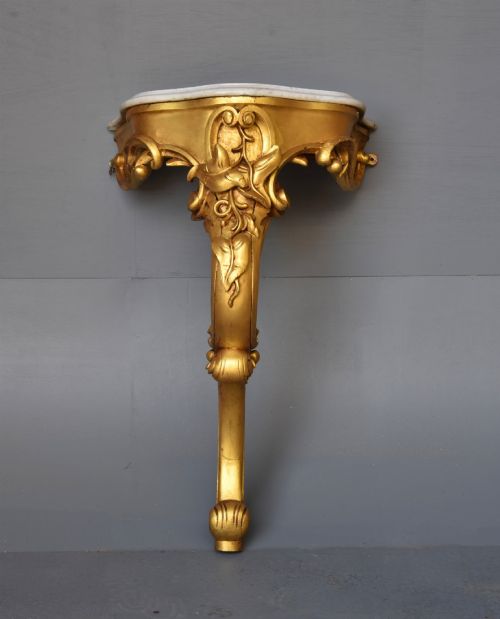
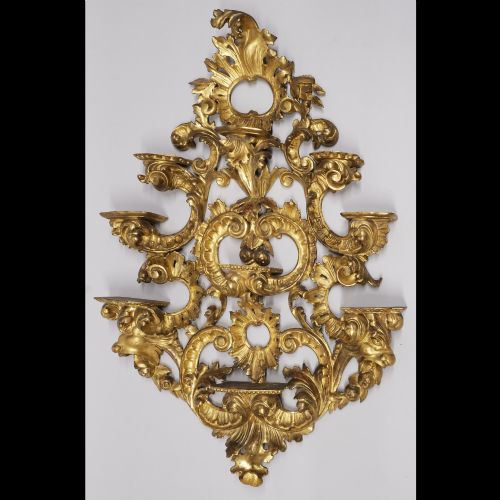
The most common forms on this page are carved giltwood wall brackets and corner shelves dating from the Victorian era and the late 19th century.
How They Were Made
Maker workshops utilised carved giltwood, gesso, and cast bronze or ormolu to achieve the characteristic asymmetric curves of the style.
Surfaces were frequently gilded over wood or cast metal, occasionally paired with marble tops, porcelain panels, and enamel dials.
Rococo Gilt Shelf Retail Price Guide 2026
Typical asking prices for rococo gilt shelf among the pieces listed under this phrase on Sellingantiques today, from the lower quarter to the upper quarter. They describe what is for sale here now, not the wider market.
Several pieces feature singing birds and mechanical clocks that once chimed softly across Victorian parlours.
What Varies in Quality
The distinction between tiers rests upon the crispness of the carving in wood or the precision of the casting in gilt bronze and ormolu.
Subtlety in the application of the gilding and the weight of the supporting materials separate standard decorative pieces from finer revival examples.
Samuel Marti·Henry Marc·Delettrez·Samson Paris·Phillipe H Mourey
The Rococo Gilt Shelf Glossary
- Giltwood
- Wood that has been treated with gold leaf or a metallic substitute. This finish is typical of many brackets and mirrors from the 19th century.
- Ormolu
- Finely ground high-carat gold cast on a bronze base. This technique was widely employed by French makers during the revival periods.
- Gesso
- A paint mixture consisting of a binder mixed with chalk, gypsum, or pigment. It served as a smooth base for gilding carved wooden forms.
- Wall Bracket
- A projecting support fixed to a wall to hold an ornament or clock. Examples in this inventory often display carved scrollwork.
Rococo Gilt Shelf: Frequently Asked Questions
What periods do these pieces date from?
The selections span from the 18th century through to the Victorian era and the early 20th century.
Most items originate from the mid-to-late 19th century during the height of the French and Victorian revival movements.
How do I identify a wall bracket?
A wall bracket is designed to be mounted directly onto a vertical surface to support small objects.
They typically feature a flat top platform supported by ornate carved or cast brackets adhering to rococo design principles.
What materials were commonly used?
Craftsmen relied primarily on giltwood, gesso, gilt bronze, and ormolu for the structural and decorative elements.
Secondary materials such as porcelain, enamel, and marble frequently appear in tandem with the metal and wood components.
How do I style these items at home?
These decorative fixtures work well mounted on plain walls where their intricate curves and gilded surfaces can stand out.
They can function independently as sculptural wall ornaments or serve as small display surfaces for porcelain and clocks.