


Rococo Gilt Brackets
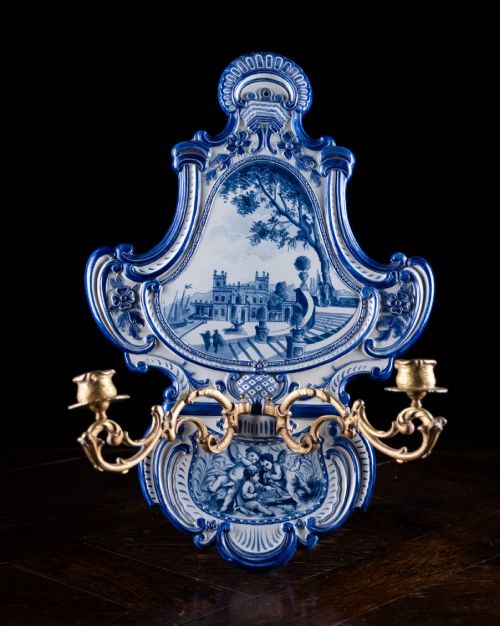
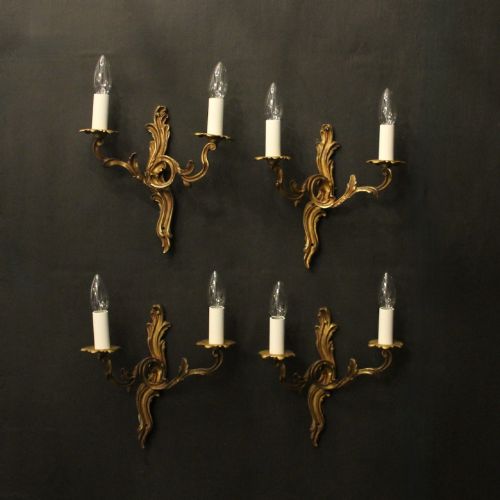
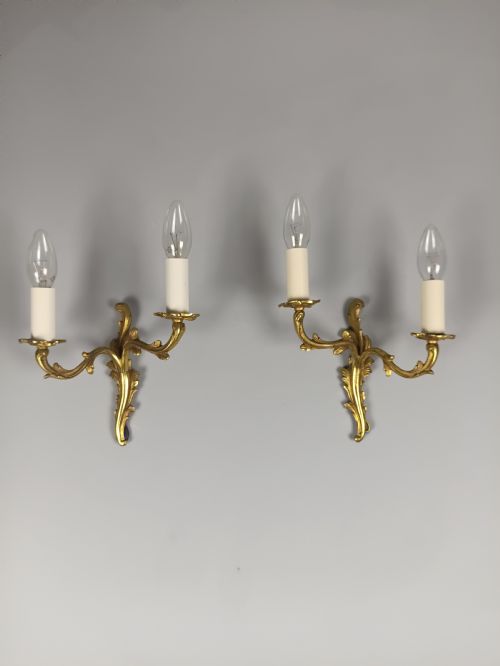
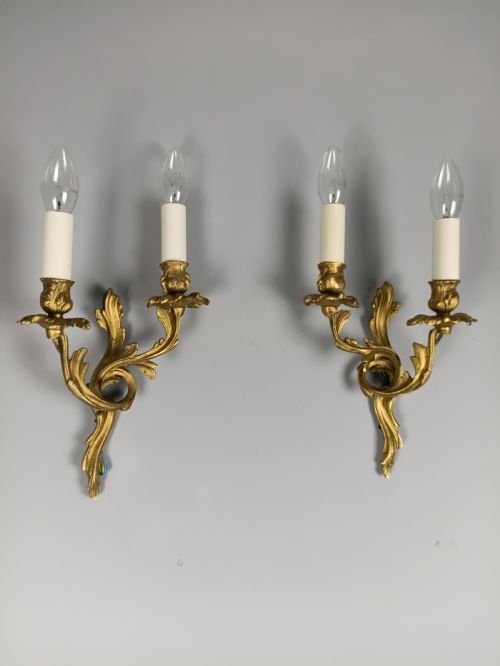
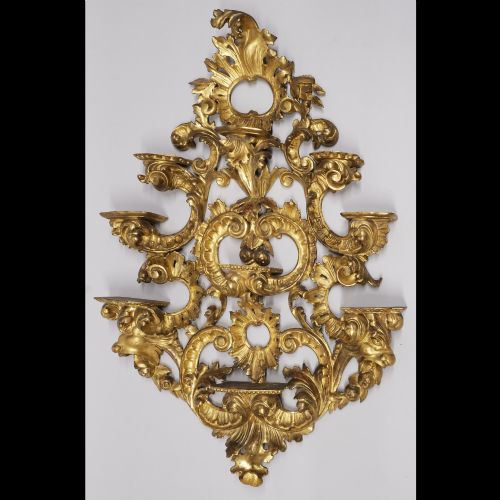
These rococo gilt brackets and related fixtures deliver exuberant, scroll-heavy ornamentation designed to project light or support decorative objects in a formal interior.
Rococo Gilt Brackets
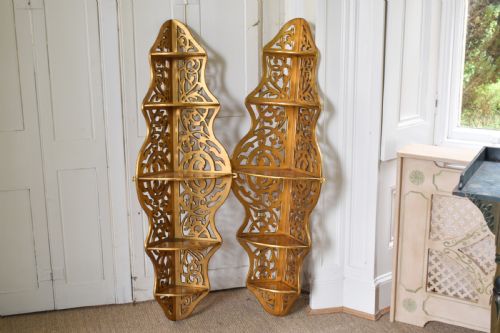
When buyers search for rococo gilt brackets, they encounter a range of ornate furnishings, from small wooden display shelves to elaborate wall lights and clocks designed for domestic display. The pieces met most often on this page date from the nineteenth and early twentieth centuries, drawing heavily on French and Italian revival styles.
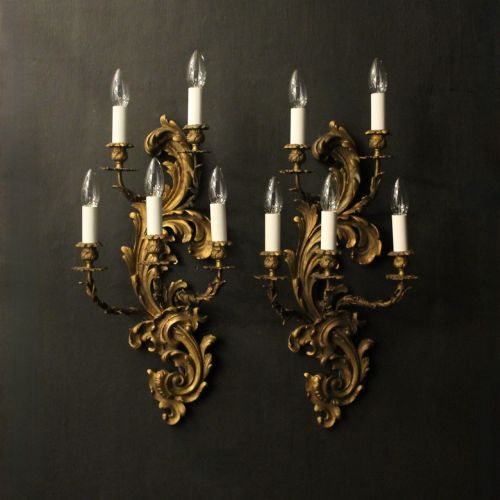
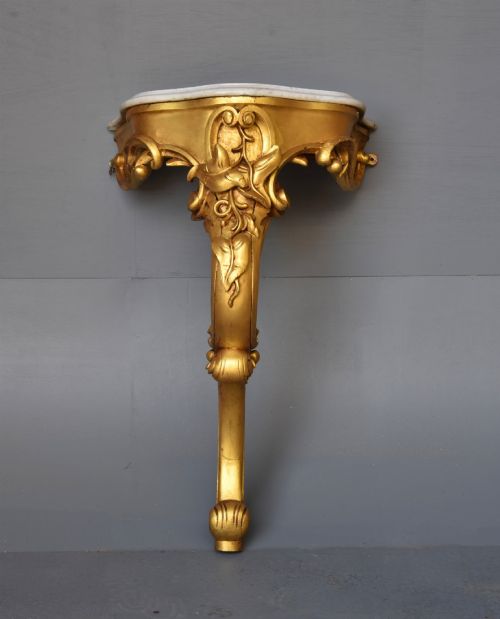
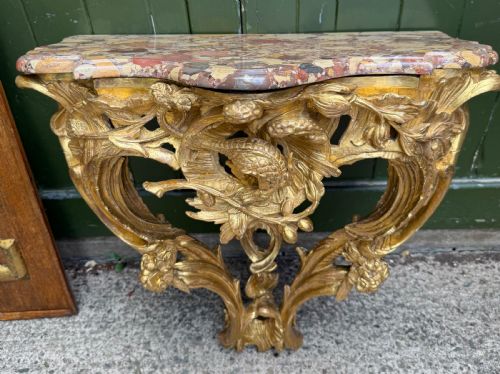
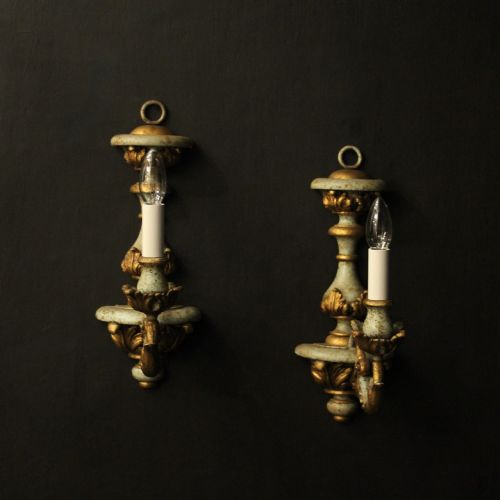
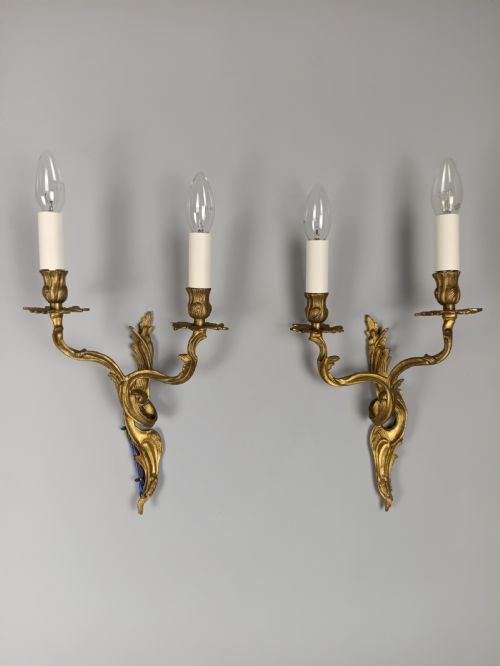
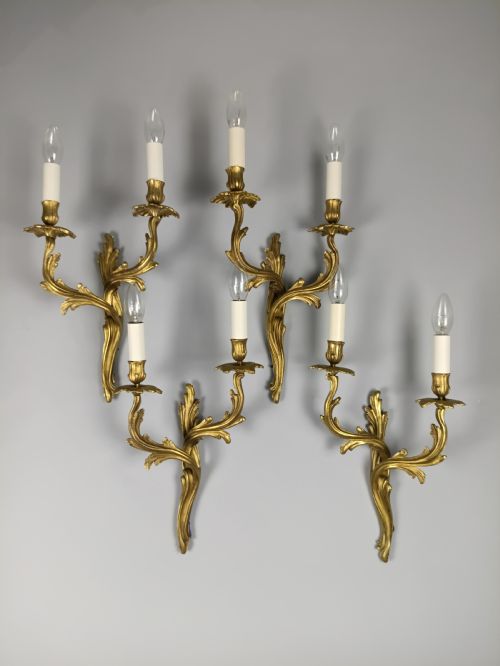
Forms include wall lights, sconces, console tables, mirrors and mantel clocks paired with matching wall brackets. These objects utilise curving asymmetrical lines, shell motifs and leaf scrolls characteristic of the style.
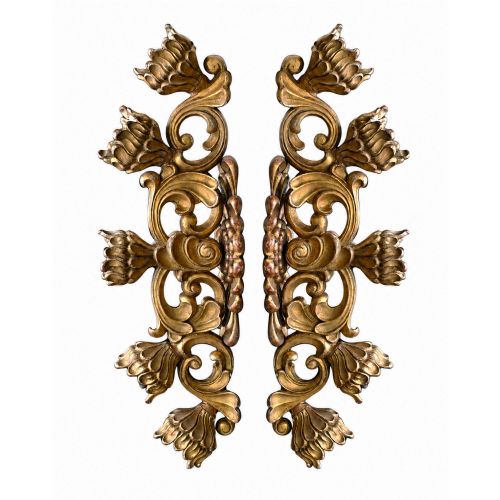
Origins span French workshops and Italian makers, alongside British adaptations such as Chinese Chippendale mirrors. Materials range from carved giltwood and gesso to cast brass, ormolu and gilt bronze.
How They Were Made
Carved wooden pieces rely on timber foundations coated in gesso before receiving layers of gold leaf or gilt. Hand-carving provides crisp relief depth along the acanthus leaves and C-scrolls.
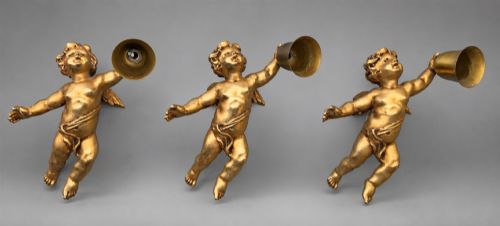
Metal components utilise brass, bronze or ormolu, often cast in sections and chased by hand to sharpen details like putti and floral garlands. Gilding techniques unite the metal surfaces with a warm, reflective sheen.
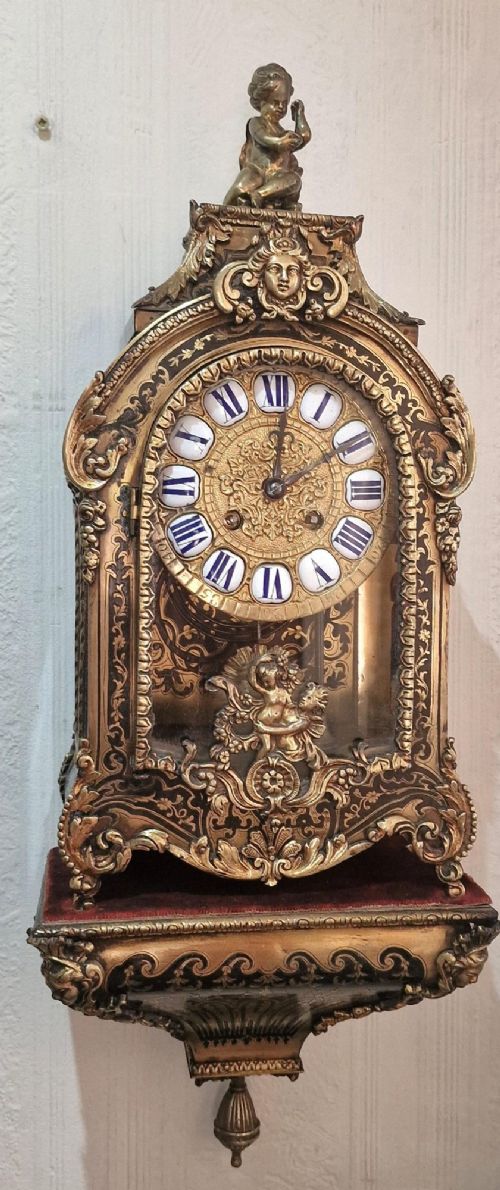
Clock housings and wall brackets incorporate tortoiseshell, enamel dials and porcelain plaques, fixed to brass or wooden frames with traditional joinery and mechanical fittings.
Rococo Gilt Brackets Retail Price Guide 2026
Typical asking prices for rococo gilt brackets among the pieces listed under this phrase on Sellingantiques today, from the lower quarter to the upper quarter. They describe what is for sale here now, not the wider market.
Object forms include wall lights, console tables, mantel clocks, tortoiseshell brackets and mirrored sconces.
What Varies in Quality
The application and retention of the gilding dictate visual impact. Thickly applied gold leaf or well-preserved ormolu outlasts thin paint substitutes or degraded surface treatments.
Structural integrity depends on the quality of the original timber framing or metal casting thickness, ensuring that wall lights and heavy brackets support their own weight securely.
HENRI MARC OF PARIS·Leon Message·Jollet et Cie·William Payne
The Rococo Gilt Brackets Glossary
- Ormolu
- A method of applying finely ground high-carat gold to a bronze base. This technique produces a rich golden finish found on nineteenth-century French luxury goods.
- Gesso
- A plaster-like mixture applied to wood surfaces as a preparation for gilding. It allows craftsmen to carve intricate relief details before laying gold leaf.
- Giltwood
- Timber that has been coated with gold leaf. It forms the lightweight core of many decorative wall brackets and mirrors.
- Sconce
- A wall-mounted light fixture designed to hold candles or electric bulbs. These fixtures project illumination across a room using reflective backplates.
- Boulle
- A form of marquetry utilising tortoiseshell and brass inlay developed in France. It frequently decorates nineteenth-century mantel clocks and matching brackets.
Rococo Gilt Brackets: Frequently Asked Questions
What is a rococo gilt bracket?
A rococo gilt bracket is a decorative wall shelf or supporting architectural element finished in gold leaf or gilt metal. These items display the asymmetric curves and naturalistic motifs typical of the eighteenth-century revival.
They serve as display ledges for porcelain, clocks or small sculptures. Many examples integrate directly with matching wall lights and mirrors.
How do I date these pieces?
Dating relies on material composition, fixing methods and stylistic markers. Pieces from the nineteenth and early twentieth centuries often revive earlier French designs.
Examine the backplates, screw types and wood ageing to distinguish between nineteenth-century production and later twentieth-century revivals.
Were these lights electrified originally?
Most antique wall lights and sconces operated with candles before later conversion to electricity. Many surviving examples have been rewired for modern domestic use.
Wiring updates are standard practice to meet safety requirements while preserving the exterior metalwork and decorative arms.
How should I hang a wall bracket?
Wall brackets require secure fixing to solid wall studs or masonry using appropriate wall anchors. The weight of the gilded wood or bronze demands robust support.
Professional installation ensures that heavy console tables and clock brackets remain stable under load.