



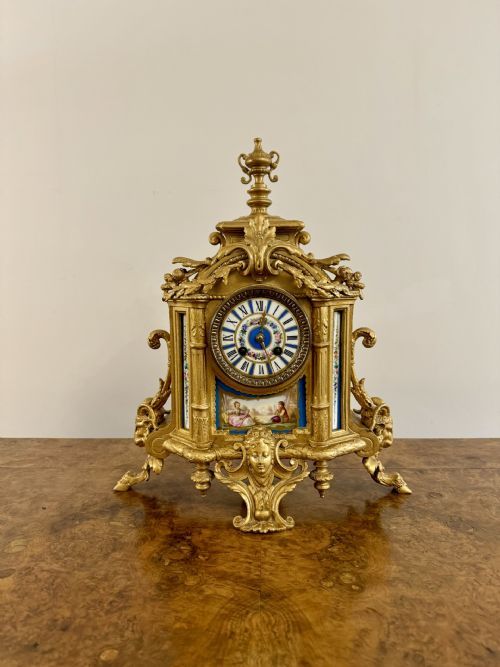


Rococo Gilded Shelf
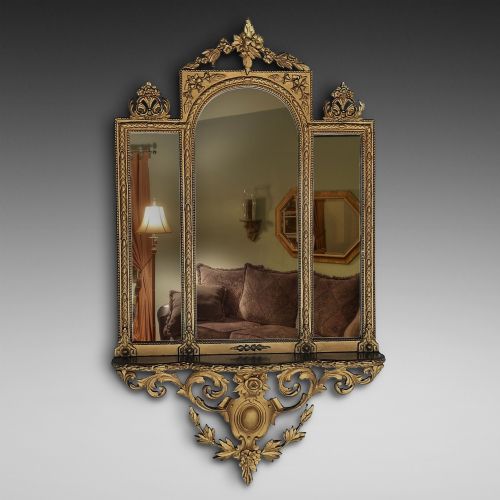
A rococo gilded shelf brings swirling asymmetrical ornamentation and brilliant metallic lustre to an interior, channelling the exuberant theatricality of eighteenth-century design.
Rococo Gilded Shelf
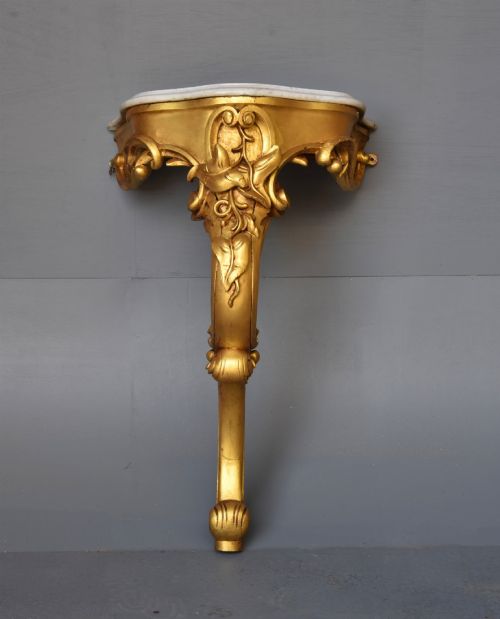
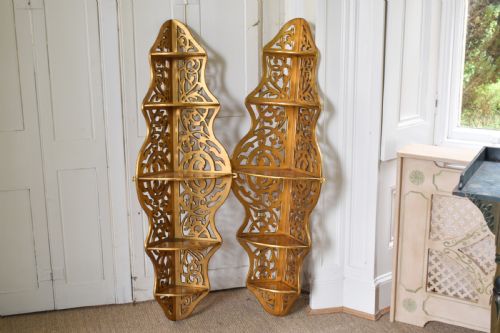
A rococo gilded shelf encompasses wall brackets, console tables, corner shelves and mantel clocks originating primarily across the nineteenth century alongside select eighteenth-century examples. These furnishings showcase exuberant revival styles such as French Rococo, Italian Rococo and Victorian Rococo Revival.
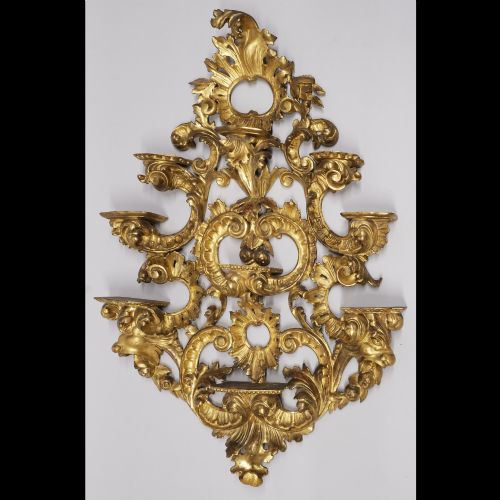
Buyers will frequently encounter wall brackets and corner shelves designed to project from a wall, supporting decorative objects or clocks. Giltwood, gesso and ormolu dominate the forms, often paired with porcelain, enamel and glass elements.
How they were made
Maker's workshops utilised carved timber foundations coated in gesso before applying gold leaf or gilding to create reflective surfaces. Craftsmen also cast ormolu and gilt bronze, moulding intricate C-scrolls, acanthus leaves and asymmetrical motifs characteristic of the style.
Porcelain plaques, enamel dials and glass panels were integrated into clock cases and brackets, combining ceramic artistry with metalcasting. Carved giltwood elements relied on traditional joinery and hand-carving techniques to achieve sweeping, organic contours.
Rococo Gilded Shelf Retail Price Guide 2026
Typical asking prices for rococo gilded shelf among the pieces listed under this phrase on Sellingantiques today, from the lower quarter to the upper quarter. They describe what is for sale here now, not the wider market.
Listings feature items spanning the eighteenth, nineteenth and early twentieth centuries, utilising materials such as ormolu, giltwood, porcelain and gesso.
What varies in quality
The definition of carving and the crispness of the cast metal determine visual distinction. Superior pieces display deep, fluid relief work in the giltwood or sharp, well-chased detail across ormolu and gilt bronze components.
Integration of materials also dictates standing, where hand-painted porcelain panels or Sevres and Meissen style porcelain additions align harmoniously with the surrounding gilt framework rather than appearing secondary.
Meissen·Sevres
The Rococo Gilded Shelf Glossary
- Giltwood
- Wood that has been coated with gold leaf or a gold-coloured substance. This finish provides the bright, reflective surface characteristic of formal antique furniture.
- Ormolu
- Finely ground high-carat gold applied to a bronze base through mercury gilding or electroplating. It creates a rich, durable golden sheen on decorative clock cases and mounts.
- Gesso
- A plaster mixture applied to wood surfaces as a base for gilding. It allows craftsmen to carve intricate relief details before applying gold leaf.
- Girondole
- A branched wall-mounted candleholder or mirror with candle arms. These pieces combine reflective glass with ornate gilded frames to maximise ambient room illumination.
- Corbel
- A structural or decorative bracket projecting from a wall to support a weight. In rococo design, these take the form of scrolling foliage and cherubs.
Rococo Gilded Shelf: Frequently Asked Questions
Where should a wall bracket be hung?
Wall brackets function best at eye level or slightly above in hallways, drawing rooms or alcoves where their projecting shelves can display small sculptures, clocks or porcelain.
Securing them properly to a solid wall is essential to support the weight of gilded timber or bronze.
How do I identify a nineteenth-century revival piece?
Nineteenth-century revival pieces display mechanical precision in their clock movements and machine-tooled consistency in their bronze castings, distinguishing them from earlier eighteenth-century hand-wrought originals.
Examining the underlying timber, patination on the gilding and screw types helps confirm the Victorian or nineteenth-century date of manufacture.
How do I care for antique gilding?
Antique gilding requires dusting with a dry, soft, lint-free cloth to prevent abrasive particles from damaging the thin layer of gold leaf or ormolu.
Moisture and chemical cleaners must be avoided entirely to preserve the fragile metallic surface.
What is the difference between ormolu and gilt bronze?
Ormolu specifically refers to gilded bronze utilising a mercury amalgamation technique historically, though the term often describes high-quality gilt bronze decorative mounts.
Gilt bronze encompasses any bronze object finished with a gold surface layer, regardless of the specific gilding method employed.