

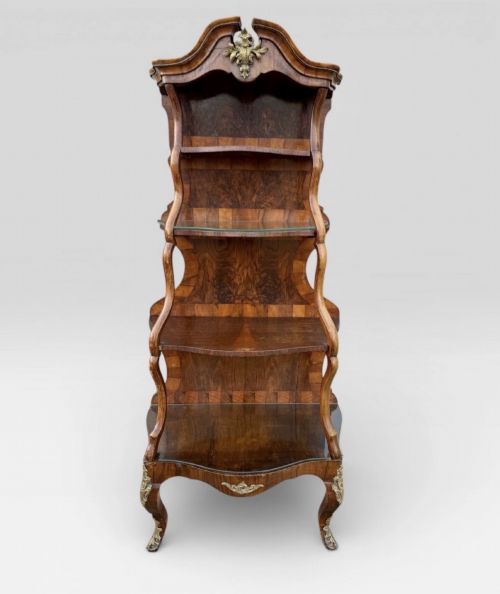


Rococo Display Stand
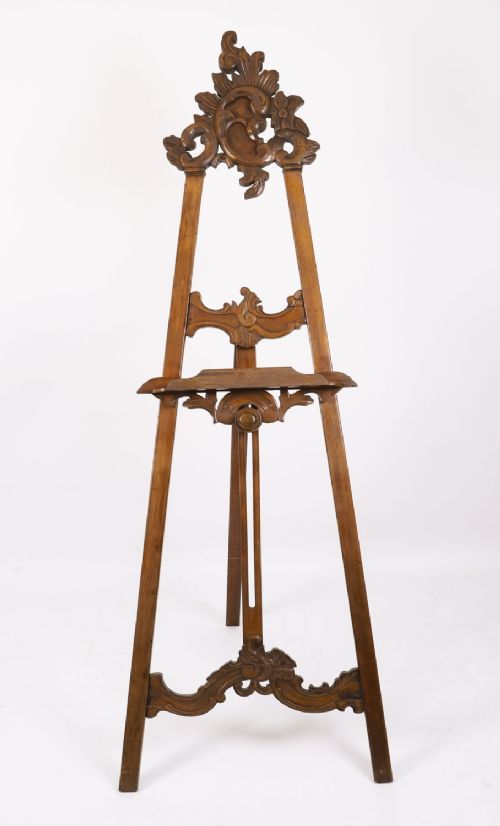
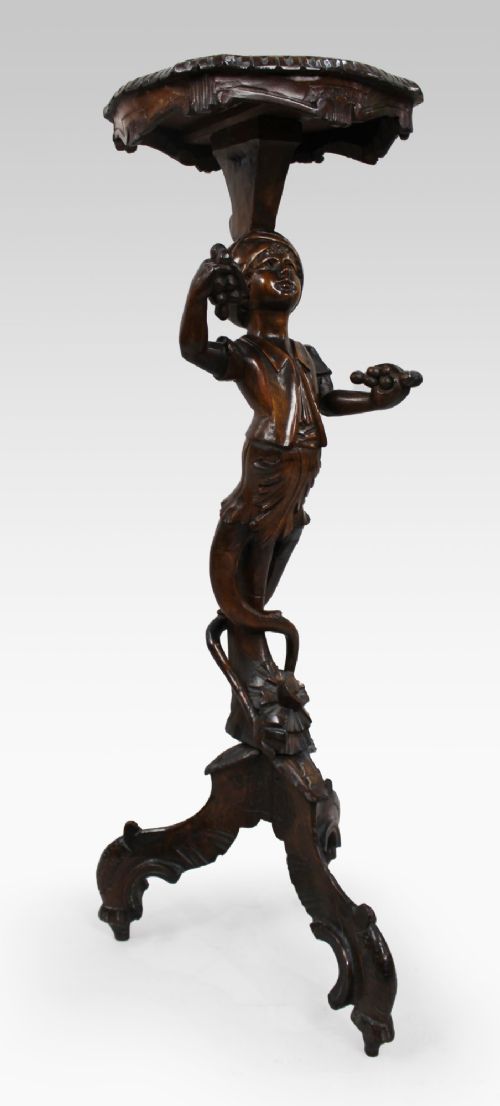
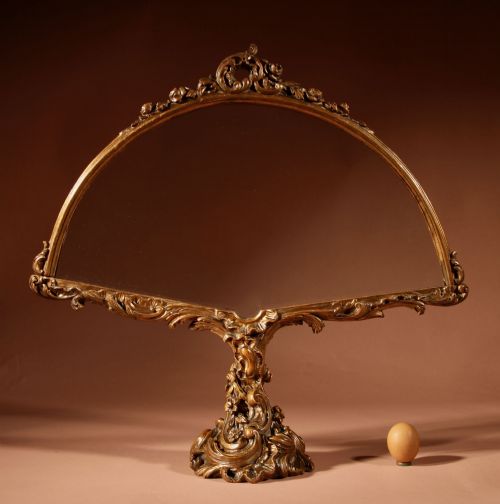
These rococo display stand pieces bring elaborate carved forms and gilded surfaces into a room to hold objects.
Rococo Display Stand
A rococo display stand brings together heavily curved woodwork, asymmetrical lines, and decorative platforms designed to elevate precious items. Buyers searching for a rococo display stand encounter various elevated surfaces, including pedestals, torchères, etagères, and multi-tiered plant stands.
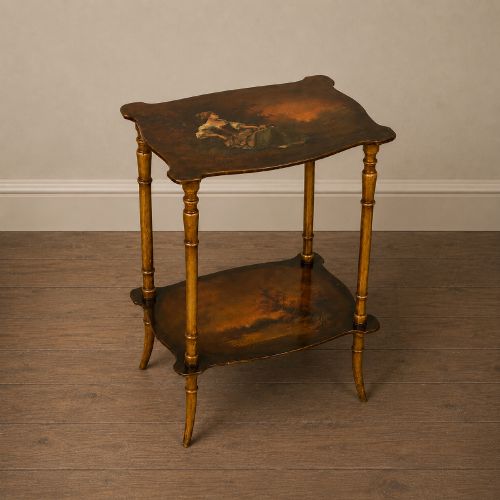
The pieces appearing on this page span several centuries, with nineteenth-century revivals and Edwardian interpretations dominating the selection alongside occasional eighteenth-century examples. Forms range from tall torchères with gesso decoration to serpentine side tables and glazed vitrines.
Continental workshops, particularly French and Italian makers, produced many of these elevated stands using ornamental frameworks. They serve primarily to showcase ceramics, bronzes, or plants while adding sculptural presence to an interior.
Materials and construction
Carved wood provides the structural core for most pieces, utilising timbers such as walnut, mahogany, kingwood, and beech. Craftsmen shaped these woods into sweeping curves and serpentine profiles typical of the style.
Surface ornamentation relies heavily on gesso, gold leaf, giltwood, and ormolu mounts to create shimmering metallic finishes. Many examples incorporate marble tops, brass details, glass panels, or inlaid marquetry to enrich the decorative effect.
Several stands feature secret compartments designed to hide love letters away from inquisitive household staff.
Factors of quality
The crispness of the hand-carved ornamentation separates superior examples from simpler production pieces. Deeply undercut foliage, scrolls, and figural elements show the sculptor's direct skill rather than moulded repetition.
The quality of the gilding and the choice of secondary materials dictate the overall refinement of a stand. Intricate marquetry inlay, genuine ormolu mounts, and heavy marble inset tops indicate higher workshop standards.
Edwards & Roberts
The Rococo Display Stand Glossary
- Giltwood
- Wood coated with gold leaf or gold paint over a prepared surface. This finish gives stands their bright metallic sheen.
- Torchère
- A tall, slender stand designed to hold a light or display a decorative object at height. These pieces often feature carved pillars and tripod bases.
- Étagère
- A piece of furniture with open shelves for displaying small ornaments or books. Multi-tiered versions frequently incorporate inlaid marquetry.
- Ormolu
- Gilt bronze mounts applied to furniture edges and corners. These decorative metal additions punctuate the wooden framework.
- Gesso
- A plaster mixture applied to wood surfaces as a base for gilding. Skilled artisans carved intricate relief patterns directly into this ground layer.
Rococo Display Stand: Frequently Asked Questions
What is a rococo display stand used for?
These stands provide an elevated platform to showcase decorative objects, sculptures, or plants within a room. Their ornamental designs ensure they function as sculptural focal points even before placing an item on top.
Historically, homeowners used them to display prized porcelain, bronzes, or lighting fixtures where guests could easily admire them.
How do I date a rococo display stand?
Dating relies on examining the timber construction methods, tool marks, and the specific style revival period. Nineteenth-century pieces often emulate eighteenth-century French and Italian designs with heavy use of machine assistance or traditional hand tools.
Matching the secondary woods and surface treatments like gesso or ormolu to known manufacturing eras helps narrow down the origin decade.
Where should I place a display stand?
Corner spaces, blank wall segments, or beside seating areas suit tall torchères and pedestals well. Their vertical orientation draws the eye upward without consuming excessive floor space.
Ensure the stand rests on a level surface, particularly if the top holds a heavy marble slab or fragile porcelain piece.
What is the difference between a torchère and a pedestal?
A torchère typically refers to a very tall, slender stand originally designed to carry a candle or lamp. Pedestals often feature broader, sturdier columns intended to support heavier busts, vases, or sculptural figures.
Both serve to elevate items, but torchères emphasise lighter, more ornate scrolling legs.