
Rococo Crested Wall Mirror
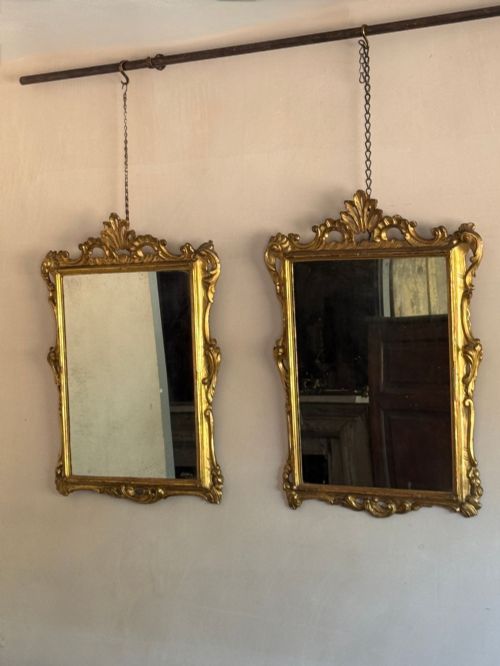
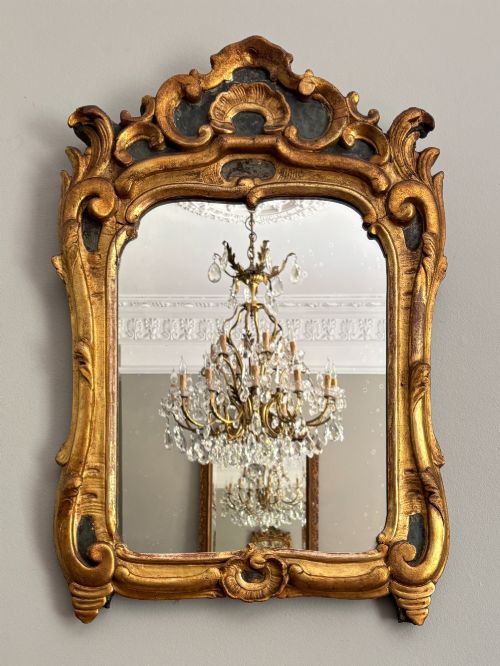
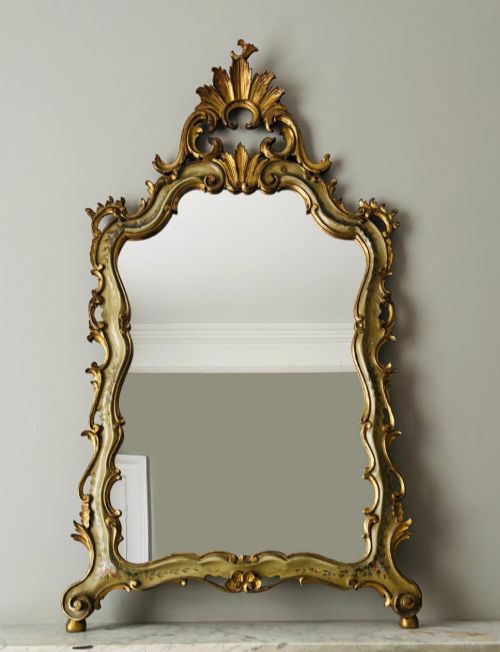
A rococo crested wall mirror brings asymmetrical scrollwork, elaborate crestings, and gilded brilliance to a room.
Rococo Crested Wall Mirror
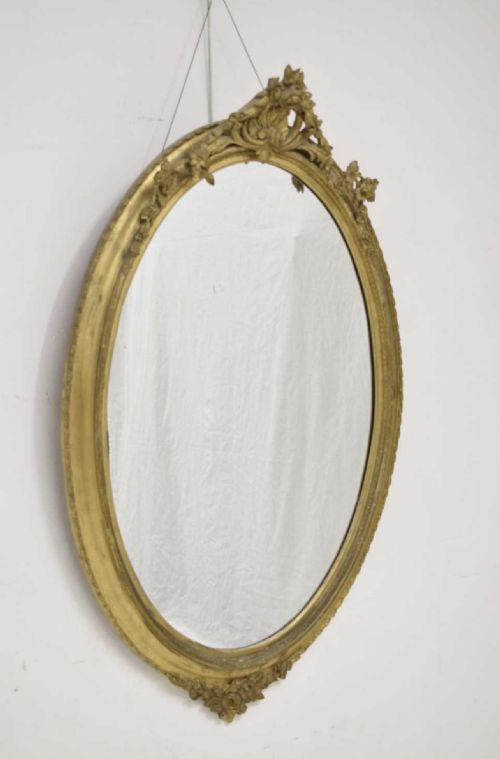
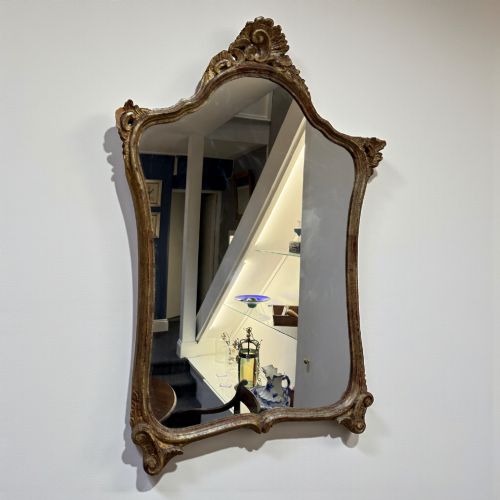
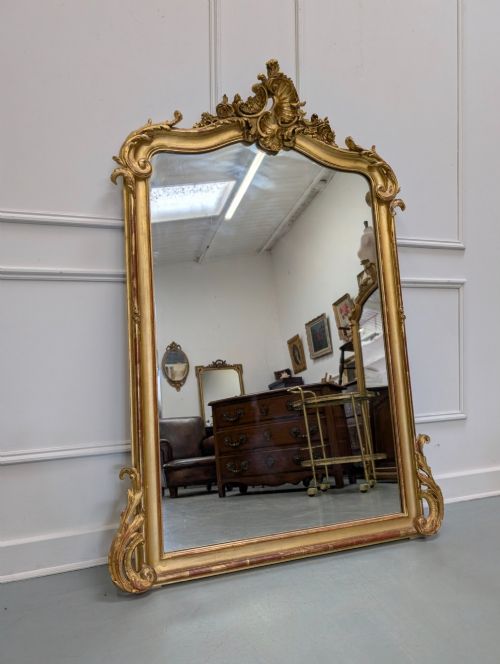
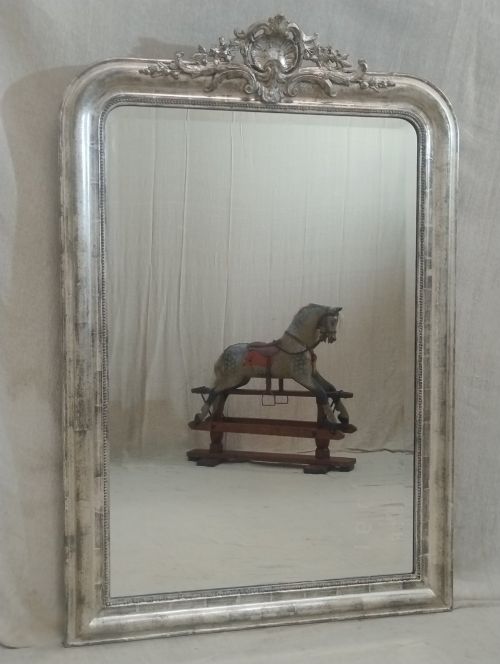
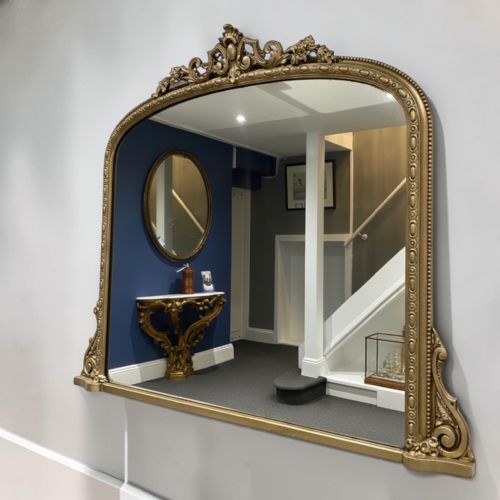
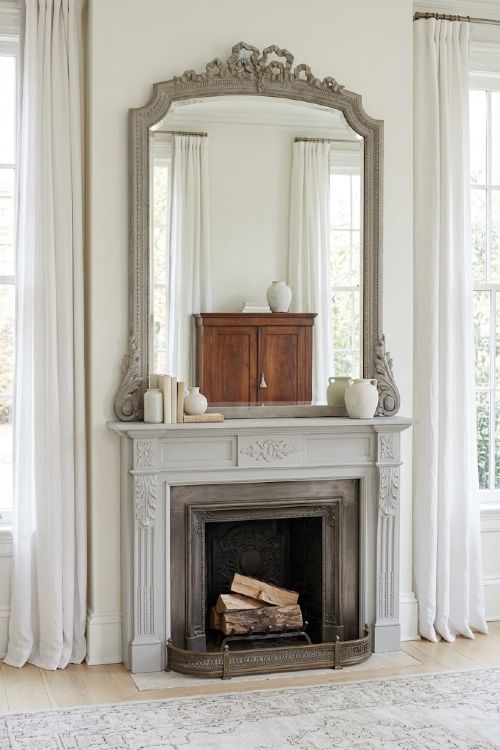
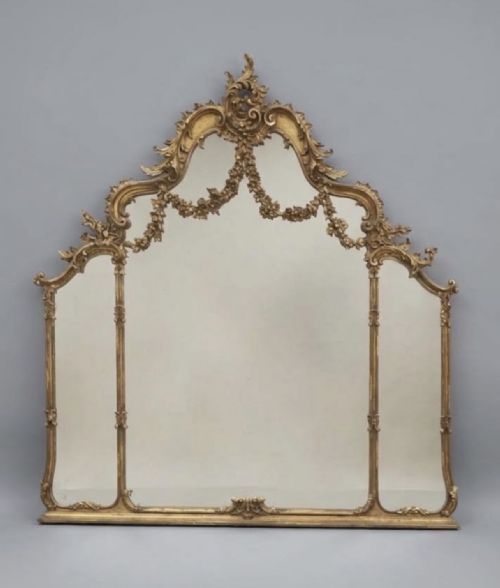
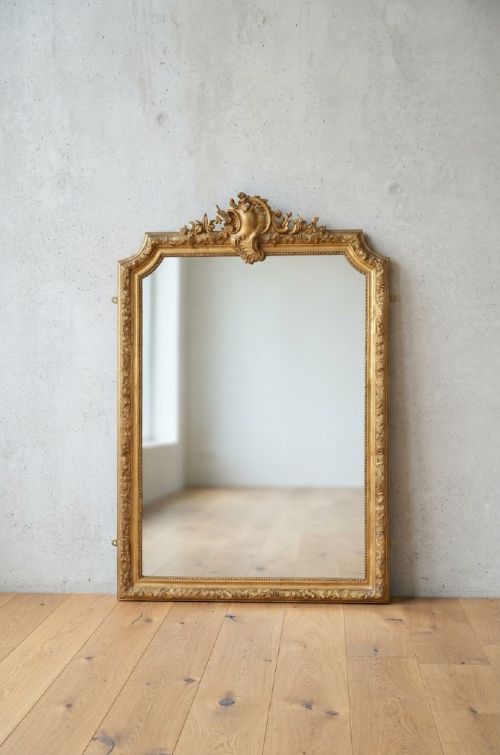
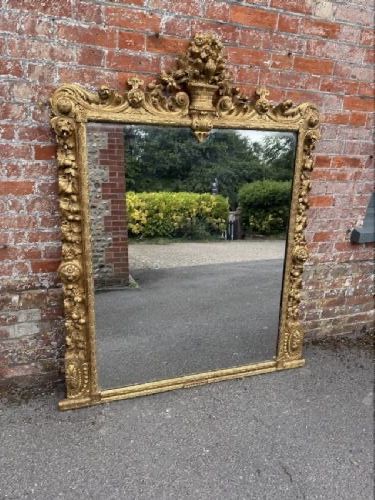
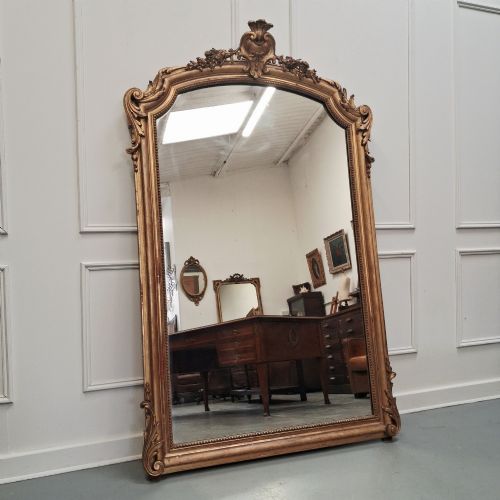
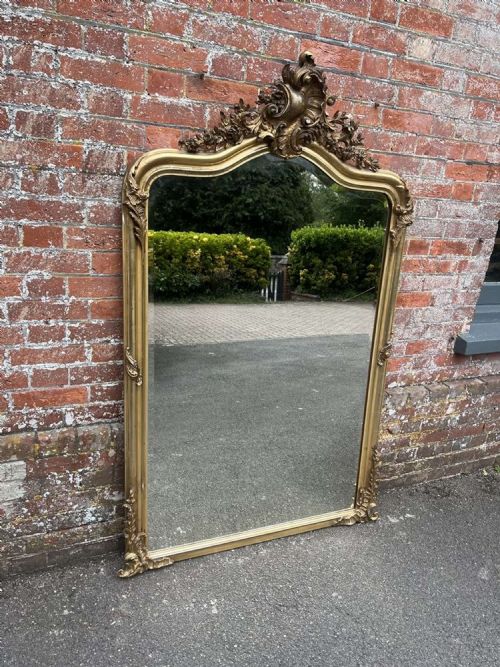
A rococo crested wall mirror is typically found as a large overmantel or pier mirror originating from the eighteenth and nineteenth centuries. These pieces display ornate carved frames shaped by revival styles such as French Rococo, Italian Rococo, and Victorian. The listings feature substantial vertical formats, often incorporating arched tops and decorative central cartouches.
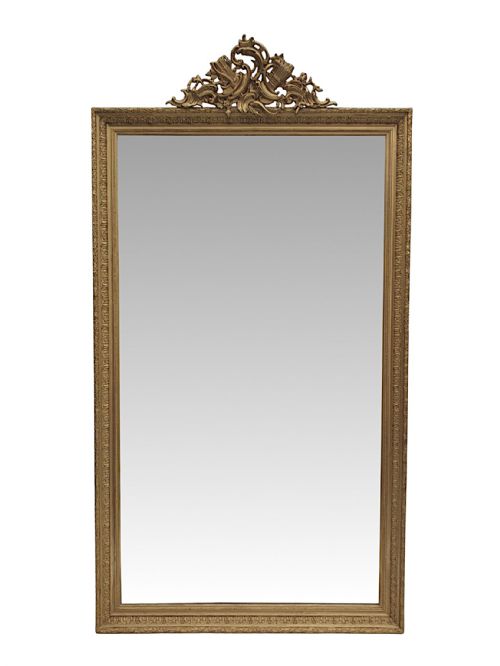
Most examples hail from French workshops or English makers working within continental design traditions. The physical form relies heavily on exuberant cresting at the apex of the frame, drawing the eye upward with carved foliage and scrolls. Buyers encounter both grand scaled mantel pieces and tall wall-mounted mirrors designed to reflect light across a principal reception room.
How they were made
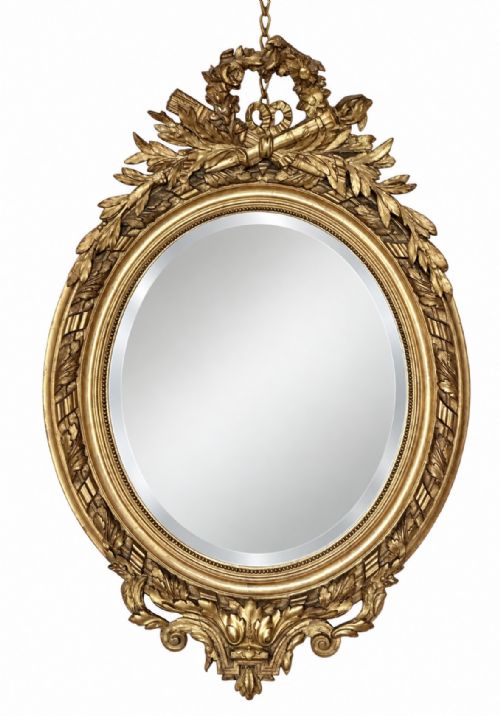
Makers constructed the foundational frames using solid wood, frequently pine or carved wood substrates, before applying layers of gesso to build up intricate relief ornament. This gesso medium allowed artisans to carve deep, flowing scrollwork and floral motifs characteristic of the style before finishing the surface. Gilding was then achieved by applying gold leaf or silver leaf to the prepared mouldings.
Mirrors from the eighteenth century utilise early manufacturing techniques such as foxed mercury glass, showing characteristic age spots and imperfections within the reflection. Nineteenth-century iterations continue the tradition of silvered and gilt surfaces, often combining carved wooden elements with moulded composition details to support the heavy glass plates.
Several mirrors arrive with their original silvering so tired that they reflect memories rather than faces.
What varies in quality
The standard of a rococo crested wall mirror is determined by the depth and crispness of the hand-carved ornament on the crest and frame. Superior pieces demonstrate fluid, undercut wooden carving where details remain sharp rather than softened by excessive gesso buildup. The integration between the structural wooden frame and the applied decorative elements dictates the overall artistic success of the piece.
Originality of the surface finish and the glass plate heavily influences the standing of the mirror. Untouched gold leaf or silver leaf patination that has aged naturally carries more integrity than later repainted or regilt surfaces. Similarly, retaining the original mirror glass, whether clear or bearing age-related foxing, distinguishes an authentic period survivor from later assemblies.
The Rococo Crested Wall Mirror Glossary
- Giltwood
- Wood that has been coated with a thin layer of gold leaf over a prepared gesso base. This technique provides a luminous metallic finish popular on decorative frames.
- Gesso
- A plaster-like mixture applied to wooden frames to create a smooth surface for carving and gilding. It enables intricate relief details to be modelled before the final finish.
- Overmantel mirror
- A large mirror specifically designed to hang on the wall directly above a fireplace mantel. These pieces often feature wide horizontal or arched proportions.
- Cartouche
- An ornamental tablet or frame resembling a scroll or rolled-up piece of paper, frequently placed centrally on the crest of a mirror. It often serves as a focal point for carved detailing.
- Foxing
- The natural degradation and oxidation of the silvering behind mirror glass over time. This process creates characteristic dark spots and mottled patches across the reflection.
Rococo Crested Wall Mirror: Frequently Asked Questions
Where should I hang an overmantel mirror?
These mirrors traditionally sit directly above a drawing room fireplace to anchor the hearth and reflect ambient daylight. Their generous scale also suits placement above low sideboards or between tall windows.
Ensure the wall construction and fixings can support the substantial weight of carved wood and heavy glass. Positioning the mirror opposite a window maximises light distribution through the room.
How do I identify a nineteenth-century French mirror?
Nineteenth-century French examples often exhibit Louis XV or Rococo Revival styling executed in carved wood and gesso. Look for characteristic arched crests, scrolling foliage, and original gilt surfaces.
Backboards, fixings, and the composition of the frame timber help confirm the period of manufacture. Many incorporate marriage mirror symbolism or asymmetrical cartouches typical of French salon decoration.
What is foxed mercury glass?
Foxed mercury glass refers to older mirror plates where the reflective backing has aged and oxidized, producing charming dark spots. This characteristic appearance proves the glass possesses considerable age rather than modern manufacture.
Collectors prize genuine foxing for the soft, mottled reflection it casts across a room. It adds authentic historic character to eighteenth- and nineteenth-century frames.
How do I care for antique giltwood?
Dust the carved frame gently with a soft, dry brush to prevent dirt accumulation within the delicate gesso crevices. Avoid using liquid cleaners, chemical sprays, or water on gilded surfaces.
Keep the mirror away from direct sunlight and fluctuating dampness to protect the wooden substrate and gold leaf. Gentle maintenance preserves the original patination accrued over centuries.