
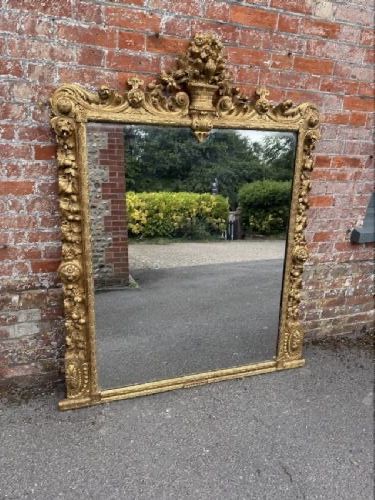
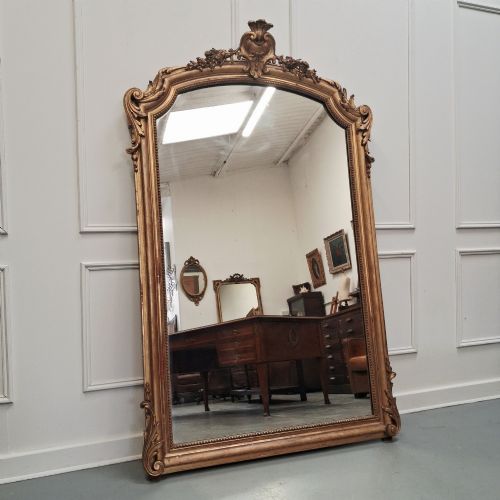
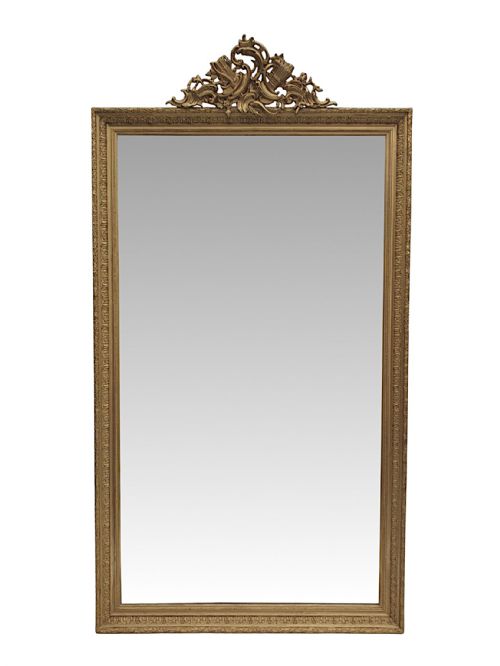
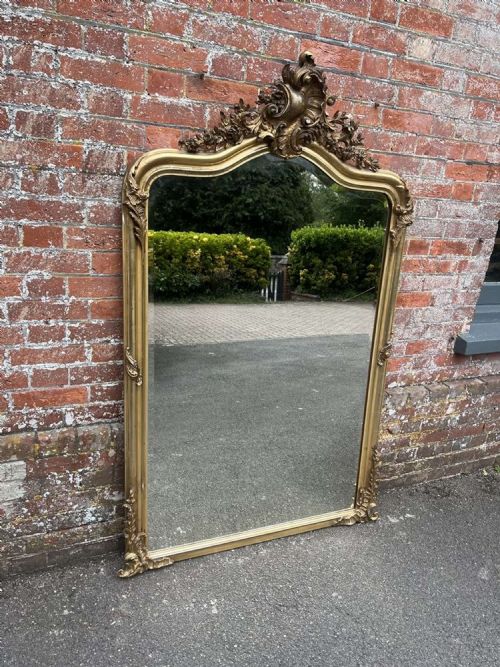
Rococo Crested Mirror
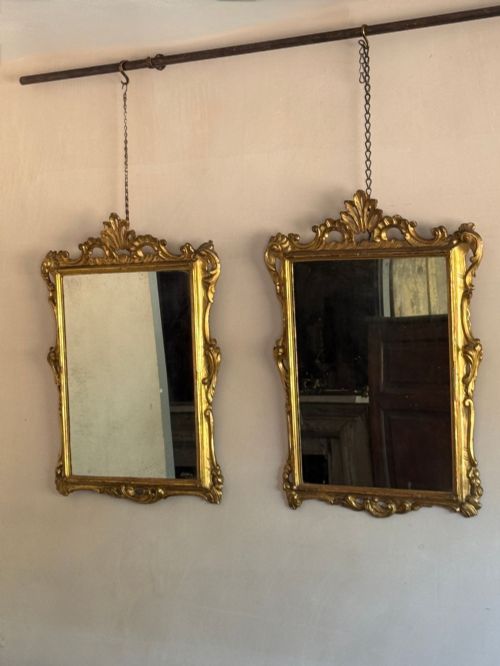
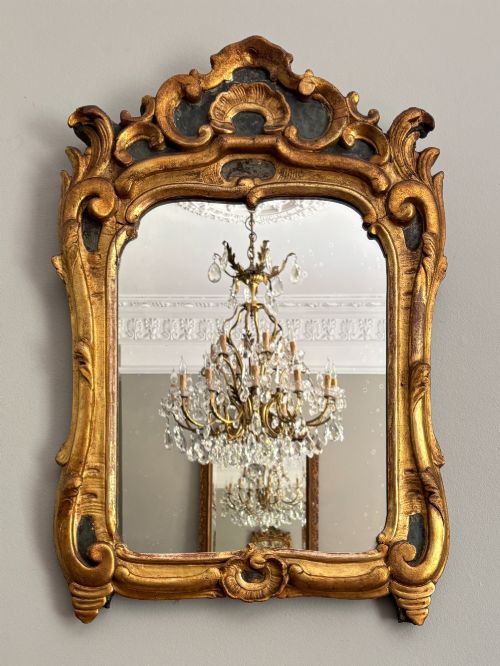
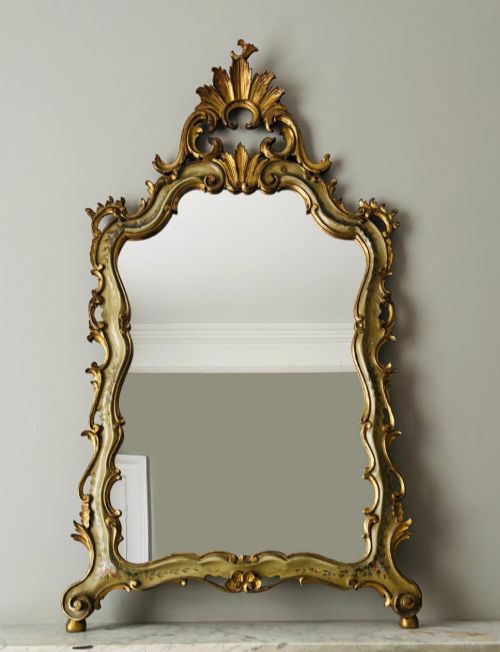
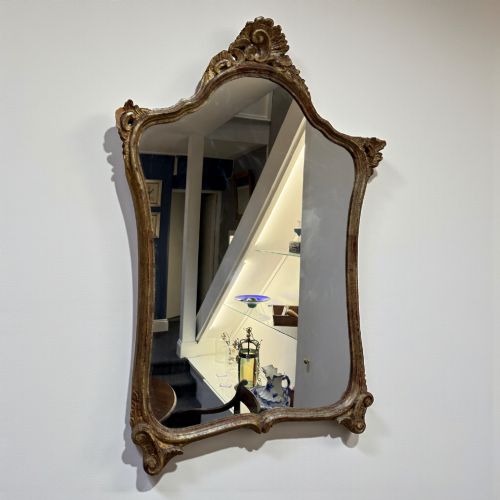
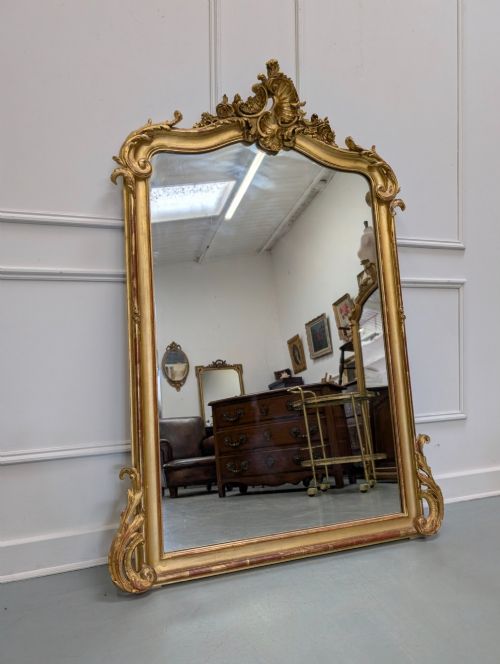
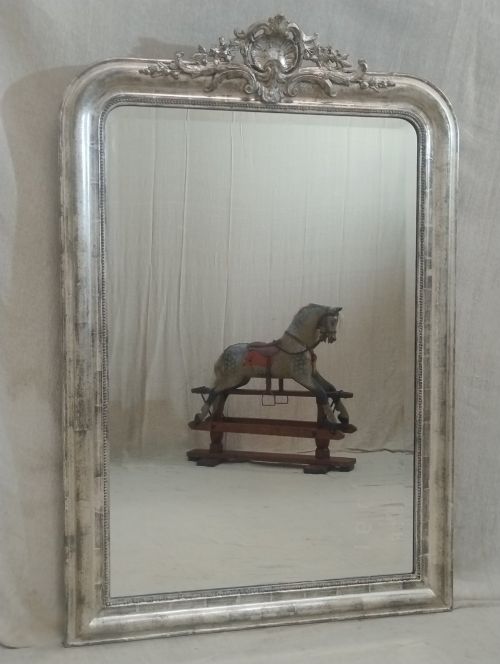
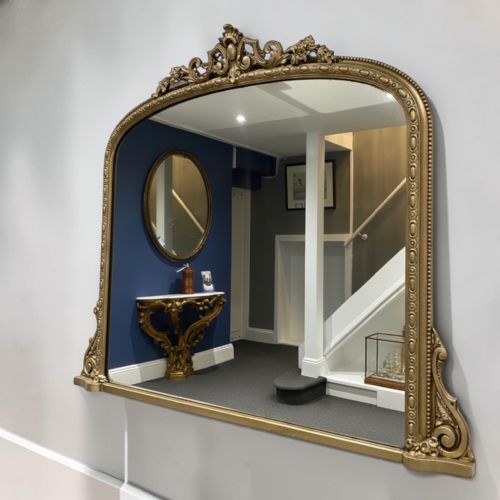
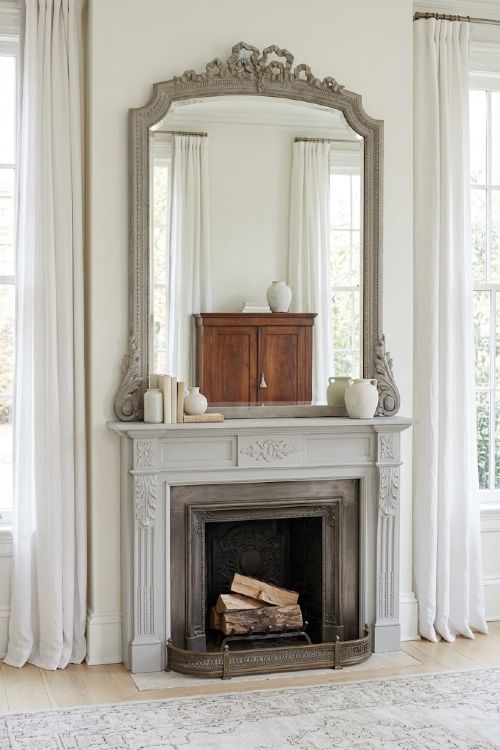
A rococo crested mirror brings dramatic asymmetry, C-scrolls and naturalistic motifs into a room, providing an opulent focal point above a mantelpiece or console.
Rococo Crested Mirror
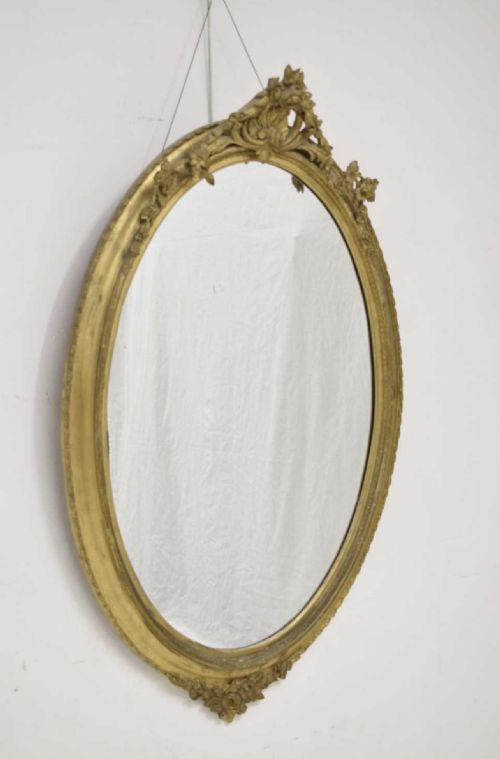
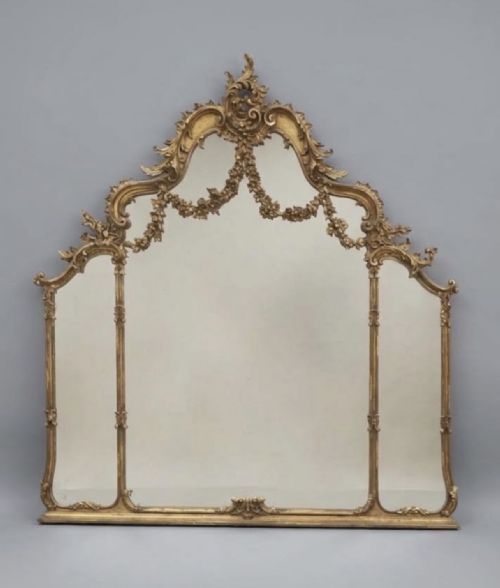
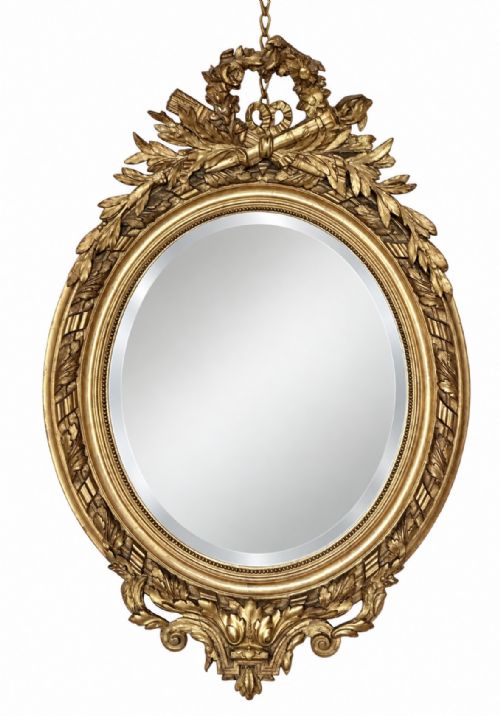
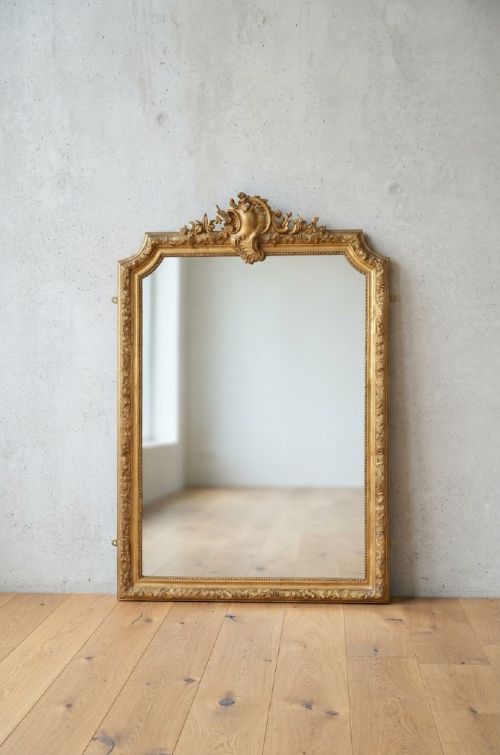
A rococo crested mirror is an ornate looking glass featuring elaborate, flowing crests dominated by asymmetrical scrolls, foliage, and shell motifs. When searching this phrase, a buyer encounters wall mirrors, overmantel mirrors, and pier mirrors designed to reflect light and enhance interior space.
The most common examples on this page date from the nineteenth century, spanning periods such as the Victorian era, Napoleon III reign, and French Rococo Revival styles. These pieces range from large architectural overmantels to smaller wall-hung items originating from French, Italian, and English workshops.
How They Were Made
Carved wood frames form the structural foundation of these pieces, frequently enhanced with applied gesso to build up the high-relief scrolls and intricate crest details. Artisans then applied gold leaf, silver leaf, or silver-gilding to the prepared surfaces to achieve a luminous finish.
The glazing incorporates traditional mirror glass, occasionally featuring foxed mercury plates on eighteenth-century examples or silvered surfaces on Victorian variations. Frames are assembled with joinery suited to heavy overmantel proportions, supporting arched, shaped, or trapezoidal glass outlines.
Listings feature pieces spanning from the eighteenth century through the early twentieth century, utilising traditional materials like gesso, gold leaf, and carved wood.
What Varies in Quality
Quality depends on the depth and crispness of the hand-carving within the crest and frame, where superior examples exhibit sharp undercut foliage rather than shallow, moulded composition ornament. The fidelity of the gilding technique also sets pieces apart, with genuine gold leaf ageing with a softer warmth than modern metallic paints.
The integrity of the original mirror plate influences desirability, as period mercury glass with natural foxing carries historical character. Structural robustness in large overmantel formats ensures the heavy wooden frame supports the crest safely over time.
The Rococo Crested Mirror Glossary
- Giltwood
- Wood that has been coated with a thin layer of gold leaf. This finish protects the timber while providing a bright, reflective metallic surface.
- Gesso
- A mixture of gypsum, chalk, and size used as a preparation layer on wood frames. It provides a smooth base for subsequent carving and gilding.
- Overmantel Mirror
- A large mirror specifically designed to hang above a fireplace mantelpiece. These pieces often feature wide proportions to match the width of the fireplace below.
- Cartouche
- An ornamental frame resembling a rolled-up piece of parchment or a shield. It frequently occupies the centre of a mirror crest to display heraldry or decorative carving.
- Foxing
- Age-related spots and discoloration appearing behind the glass plate. This chemical deterioration creates mottled dark patches within the reflection.
Rococo Crested Mirror: Frequently Asked Questions
Where should I hang an overmantel mirror?
An overmantel mirror traditionally rests directly above a fireplace mantelpiece, anchored securely to the wall to bear the weight. This placement reflects light from windows and balances the vertical volume of the chimney breast.
Alternatively, these large formats function effectively as leaner mirrors placed directly on the floor against a living room or bedroom wall. Positioning them opposite a light source maximises room illumination and creates an illusion of greater depth.
How do I identify a revival piece?
Revival mirrors from the nineteenth century imitate earlier eighteenth-century designs through specific construction clues and material ageing. Examining the backboards, fixings, and the composition of the gesso helps determine whether a piece originates from the period it emulates or a later revival era.
Stylistic markers also provide guidance, as nineteenth-century interpretations often blend French Rococo and Victorian aesthetics. Cabinetmakers of the eighteen-seventies and eighteen-eighties utilised machine-sawn backing timbers alongside hand-carved elements.
What is foxed glass?
Foxing refers to the natural ageing process of antique mirror plates where the reflective backing deteriorates over time. This creates charming dark spots, cloudy patches, and speckled patterns across the glass surface.
Many collectors prize foxed mercury glass because it proves the antiquity of the mirror plate. It yields a soft, atmospheric reflection rather than the stark clarity found in modern glass.
How do I clean an antique giltwood frame?
Dusting giltwood frames requires a very soft, dry brush or feather duster to remove surface particles without disturbing fragile leaf. Avoid using water, chemical sprays, or abrasive cloths, which strip gold leaf and damage underlying gesso.
Professional conservators should handle structural repairs or deep cleaning if the finish shows flaking. Gentle maintenance preserves the delicate metallic sheen built up over centuries.