
Rococo Brass Chandelier
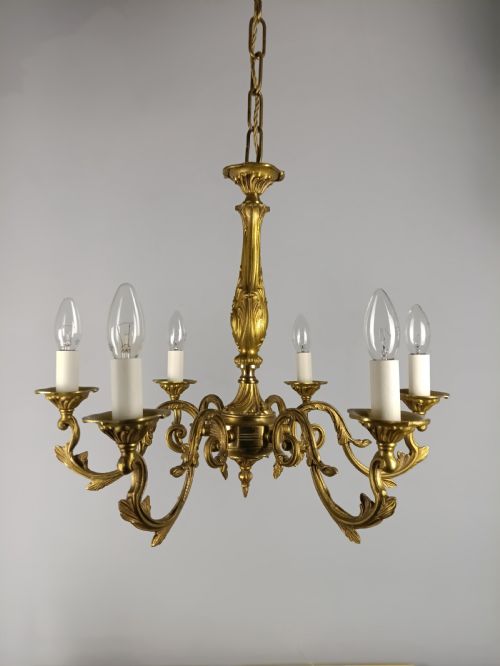
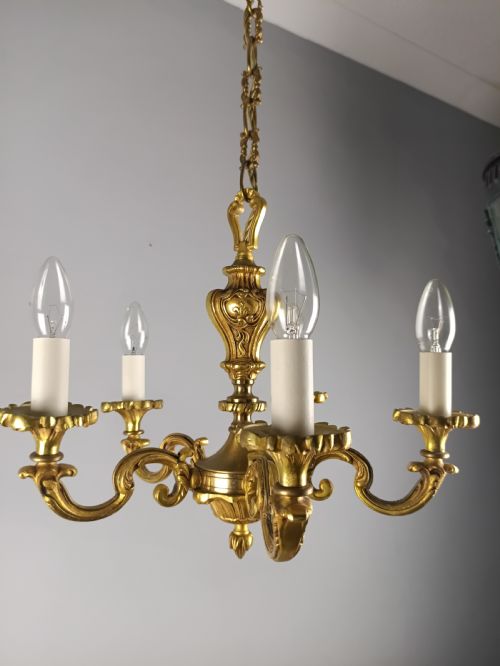
A rococo brass chandelier brings exuberant movement and warm metallic light into a room, shaped by asymmetrical curves and flowing scrollwork.
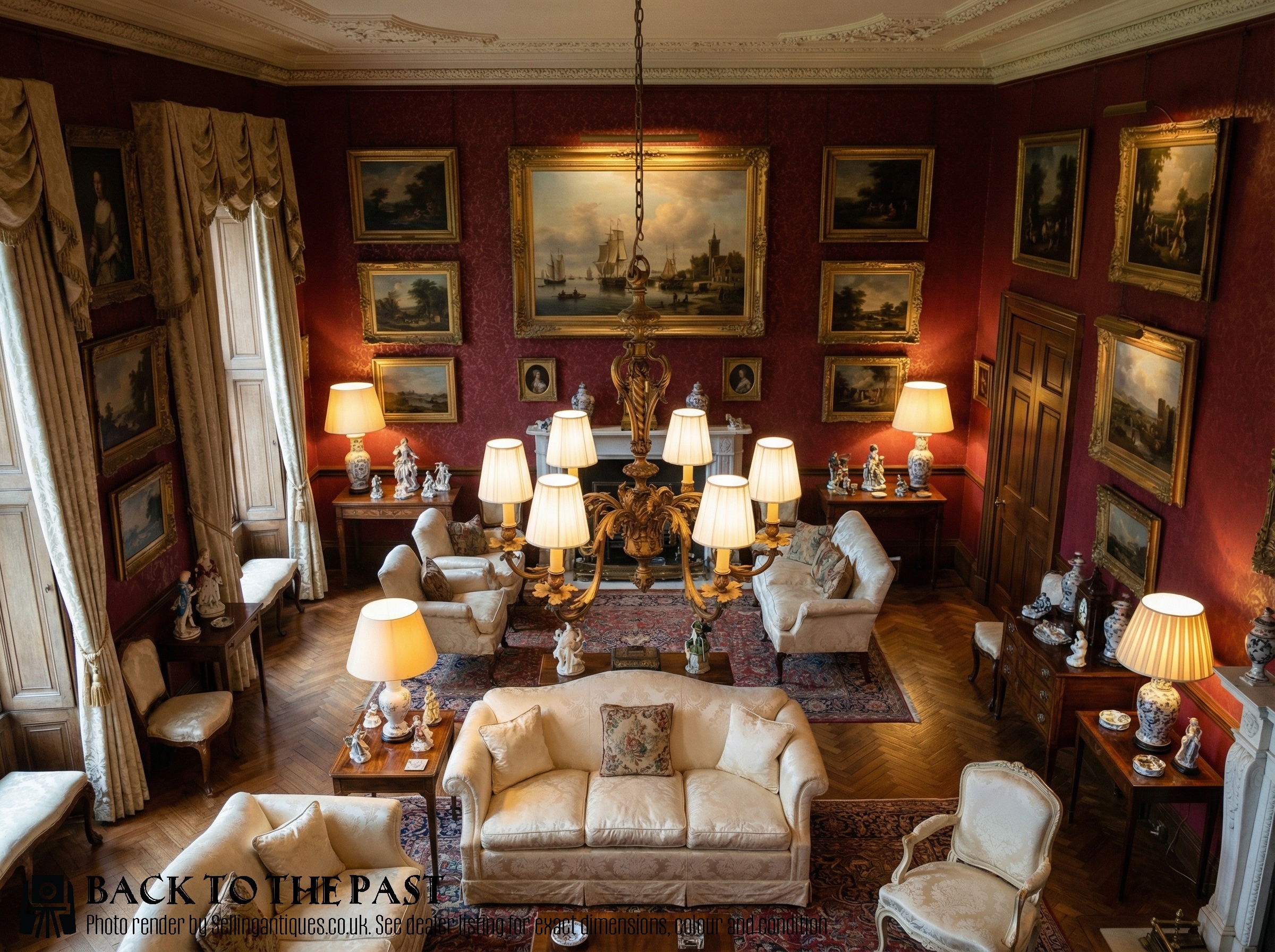
Rococo Brass Chandelier
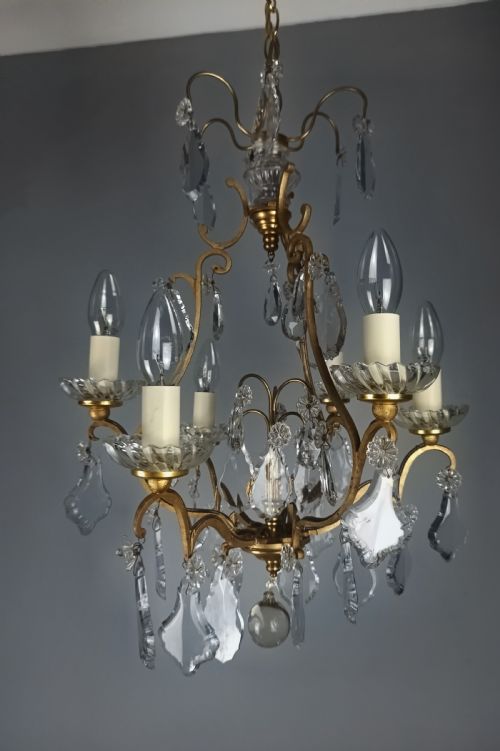
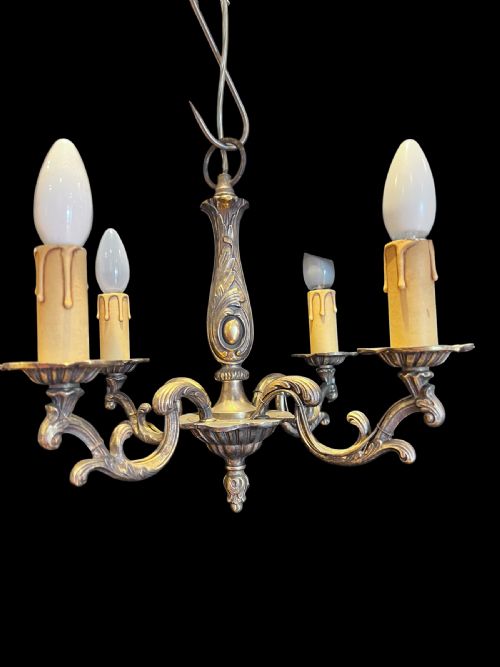
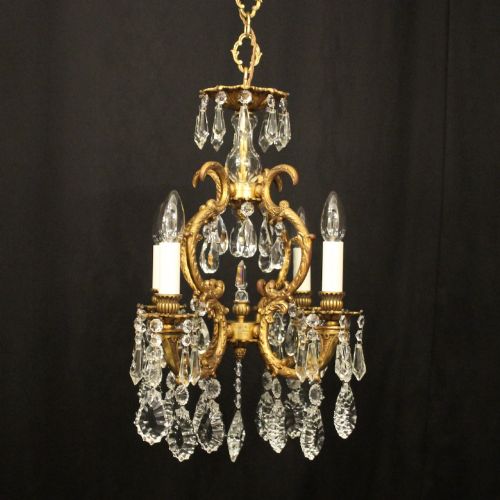
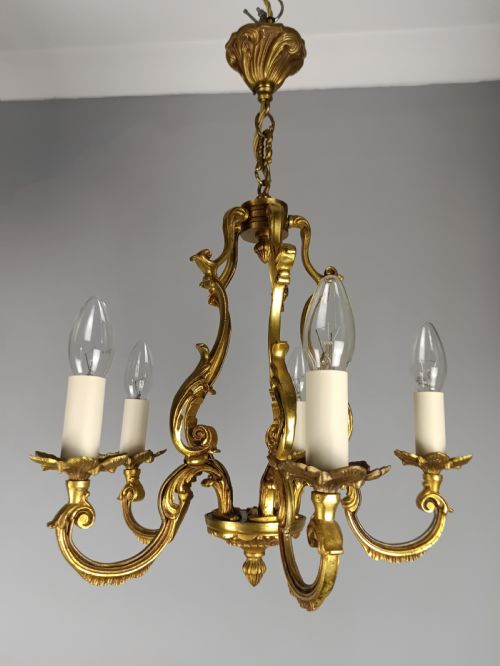
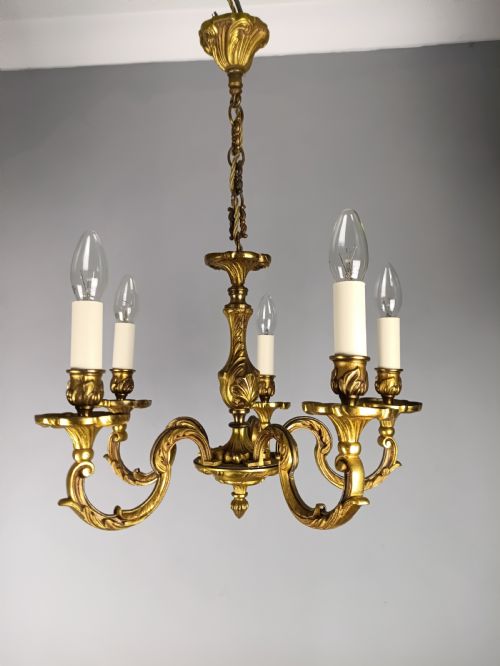
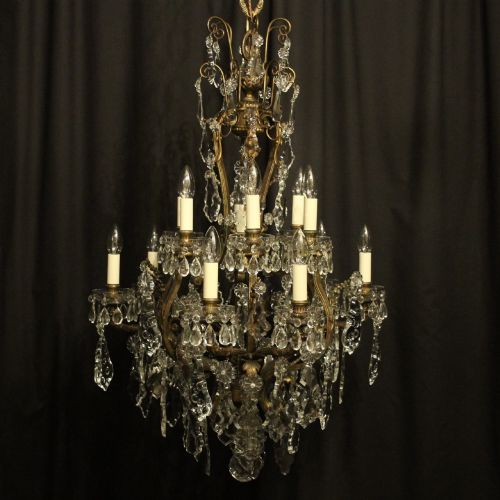
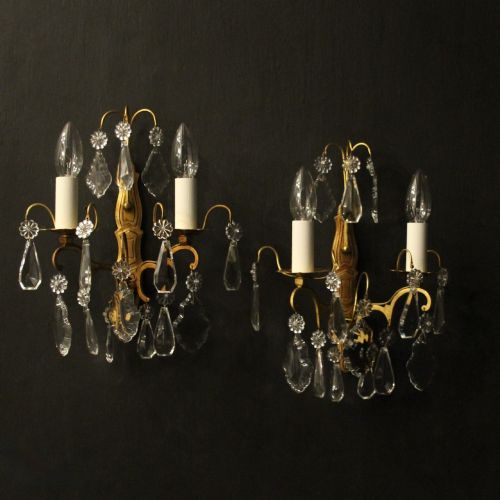
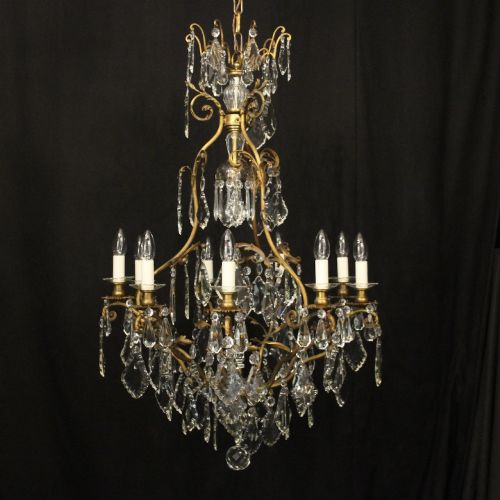
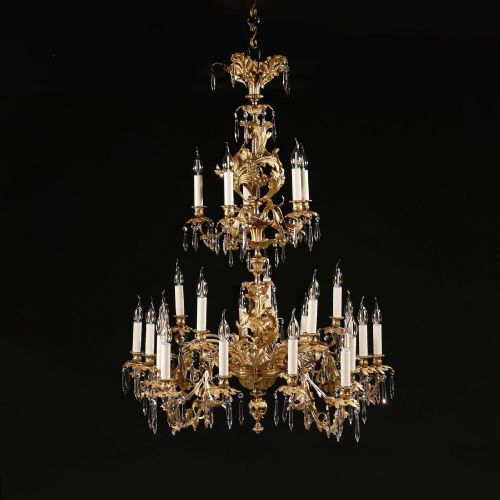
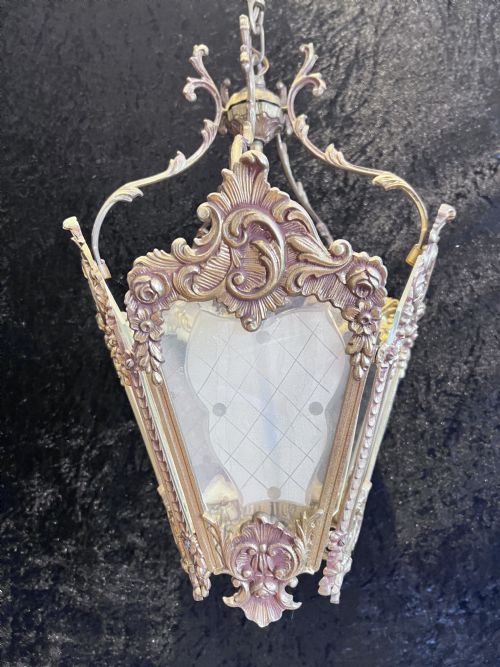
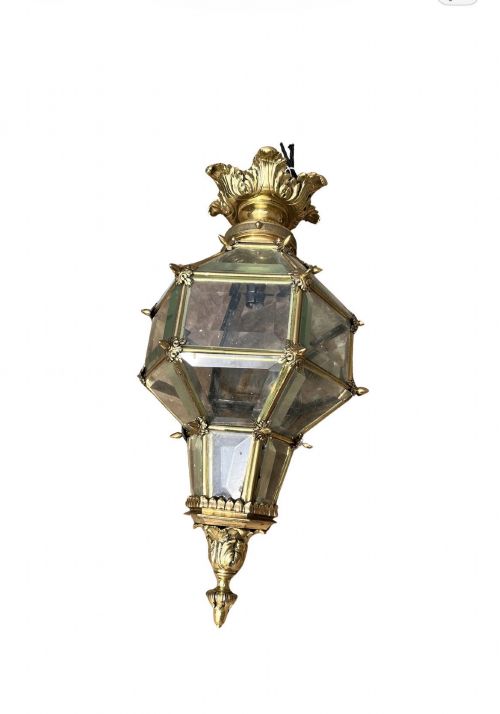
When you search for a rococo brass chandelier, you encounter elaborate ceiling lighting that originates predominantly from French and Italian workshops across the nineteenth and early twentieth centuries. These fixtures span forms such as multi-arm chandeliers, birdcage frames, hall lanterns, and matching wall sconces.
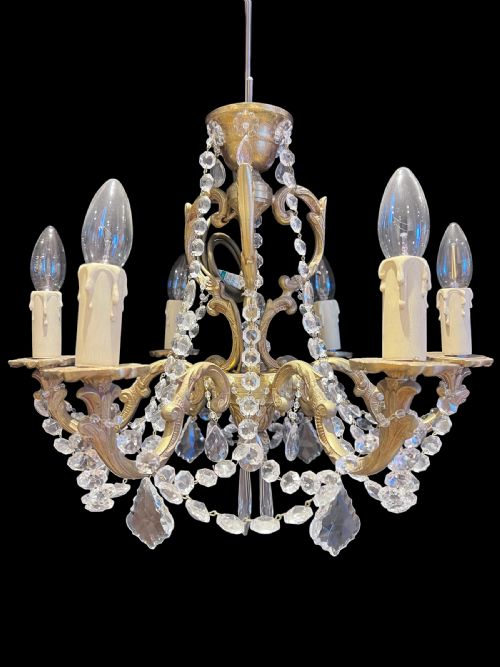
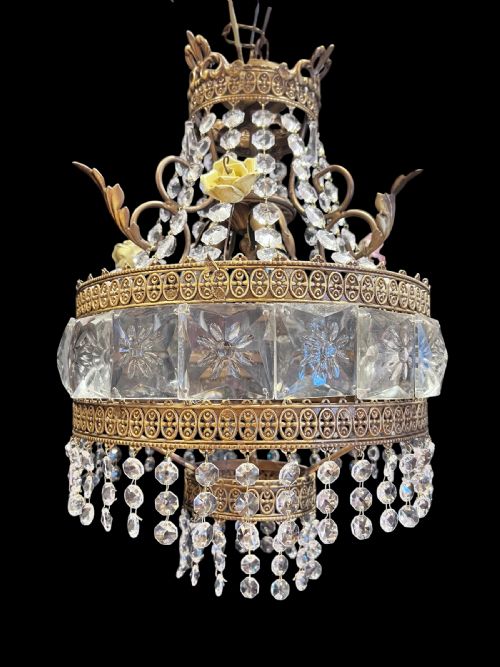
The version you meet most frequently on this page is a French brass or gilt bronze fixture carrying between four and six lights, often hung with crystal drops and designed in the Louis XV style. Such pieces combine cast brass or bronze frames with decorative motifs including cherubs, porcelain flowers, and coloured crystals.
How they were made
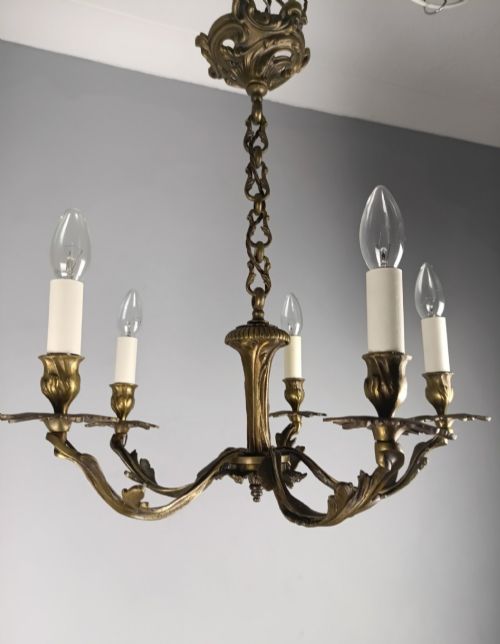
These fixtures rely on the combination of cast and chased brass, bronze, or gilt metal to form the structural arms and ornate scrollwork. Founders poured molten metal into intricate moulds before hand-chiselling the surface details to achieve sharp definition in the asymmetrical rococo patterns.
Makers integrated glass and crystal components, suspending drops and pear-shaped pendants from wire frames or pinning them directly to the metal branches. Many examples incorporate gilded finishes, applying gold leaf or gilt wash over bronze and brass to enhance the reflective quality of the illumination.
Rococo Brass Chandelier Retail Price Guide 2026
Typical asking prices for rococo brass chandelier among the pieces listed under this phrase on Sellingantiques today, from the lower quarter to the upper quarter. They describe what is for sale here now, not the wider market.
Listings feature pieces spanning from the late nineteenth century through to the 1930s, constructed in brass, bronze, and glass.
What varies in quality
The distinction between tiers of quality rests on the crispness of the metal chasing and the depth of the casting. Superior examples display sharply rendered scrolls and organic motifs where the hand of the artisan remains visible in the clean lines and well-defined relief.
Quality also resides in the integration of the crystal elements and the substantial weight of the bronze or brass framework. Denser metal casting supports larger multi-light configurations without structural flex, while superior cut glass elements refract light with greater brilliance.
The Rococo Brass Chandelier Glossary
- Rococo Revival
- A nineteenth-century design movement that revived the asymmetrical curves, C-scrolls, and naturalistic motifs of the eighteenth-century French court style. This aesthetic governs the structural lines of the frames found in this category.
- Gilt Bronze
- Bronze metal treated with a gold application, also known as ormolu when mercury-gilded. This material provides a durable, warm metallic base that resists tarnish and takes fine detail during the casting process.
- Birdcage Chandelier
- A form of light fixture characterised by a wirework frame shaped like an avian enclosure, strung with vertical strands of crystal beads. This construction creates a tiered silhouette that houses internal light sources.
- Marie Therese
- A specific style of chandelier featuring a flat metal strap frame completely covered in glass plates and droplets, diffusing light across a wide perimeter. These fixtures often lack a central column in favour of an open, basket-like crown.
Rococo Brass Chandelier: Frequently Asked Questions
How do I clean a brass chandelier?
Dust the metal and crystals regularly with a soft ostrich feather duster to prevent grime buildup. Avoid harsh chemical cleaners that strip the original gilt surface or discolour the antique brass.
For deeper cleaning, remove detachable crystal drops and wash them gently in lukewarm soapy water before drying thoroughly. Wipe the metal frame with a damp cloth, taking care around vintage electrical wiring.
How do I determine the period of a chandelier?
Examine the casting quality, fastening methods, and the composition of the metal frame. Nineteenth-century examples often feature heavier bronze castings and hand-cut crystal, while early twentieth-century pieces may utilise lighter brass and machine-formed elements.
Stylistic cues such as the presence of specific floral porcelain additions or cherub arm details help narrow down the decade of production alongside wiring style and general wear patterns.
What ceiling height do I need?
Consider the drop of the chandelier and the clearance required for foot traffic beneath it. Multi-arm fixtures and birdcage designs require sufficient vertical space to hang properly without dominating a standard domestic room.
Suspension chains can often be adjusted in length to alter the hanging height, balancing the proportions of the room with the scale of the lighting fixture.