



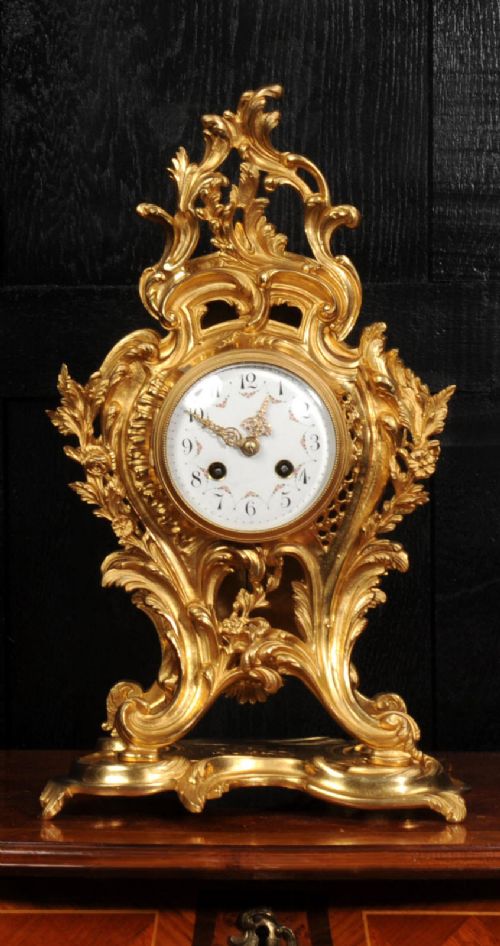


Rococo Bracket Clock
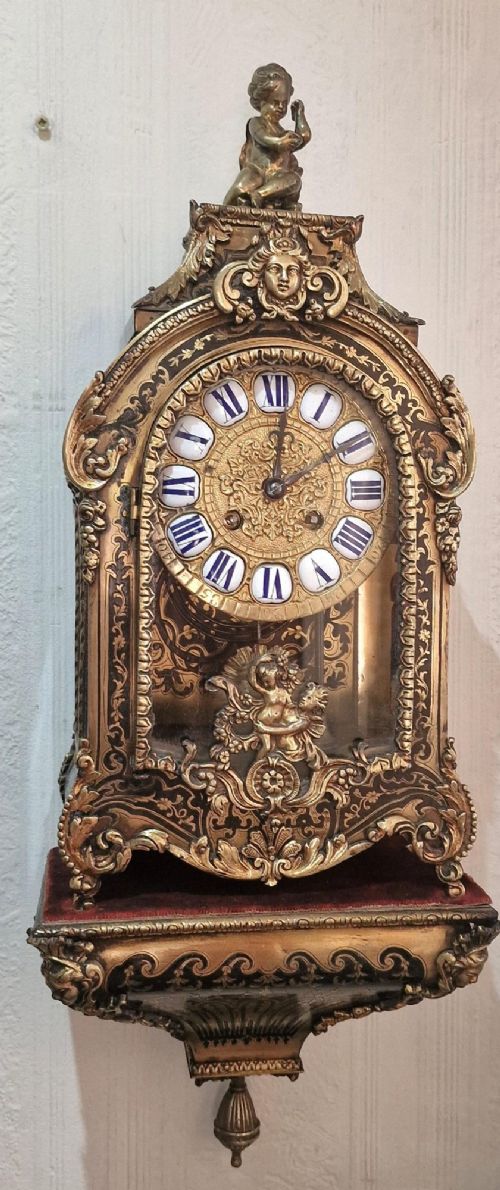
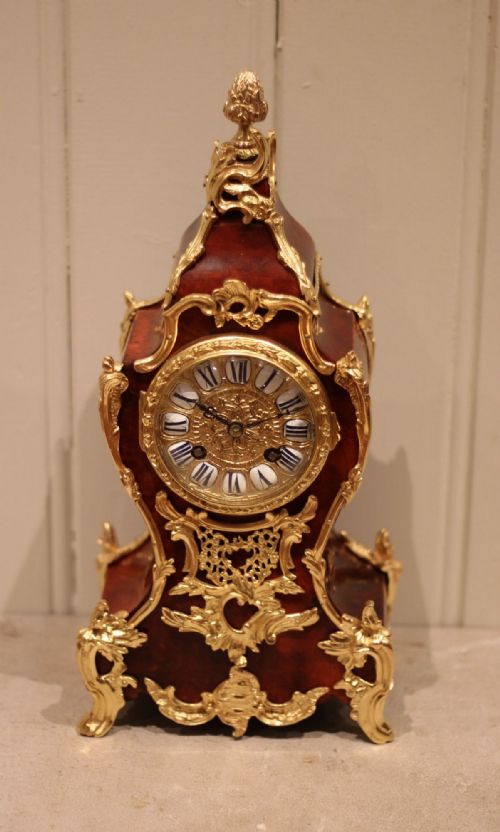
A rococo bracket clock brings exuberant asymmetry and gilt bronze luxury into a room, blending architectural weight with scrolling ornamentation.

Rococo Bracket Clock
When searching for a rococo bracket clock, buyers encounter timepieces deeply rooted in the French revival styles of the nineteenth century, alongside earlier eighteenth-century examples. These objects combine substantial shelf or wall brackets with ornate clock bodies designed to command attention in a formal interior.
The pieces appearing most frequently on this page span the Victorian era up to the early twentieth century, heavily drawing upon Louis XV aesthetics. Makers utilised classical forms alongside sweeping C-scrolls and naturalistic plant motifs to create harmonious decorative ensembles.
Materials and construction
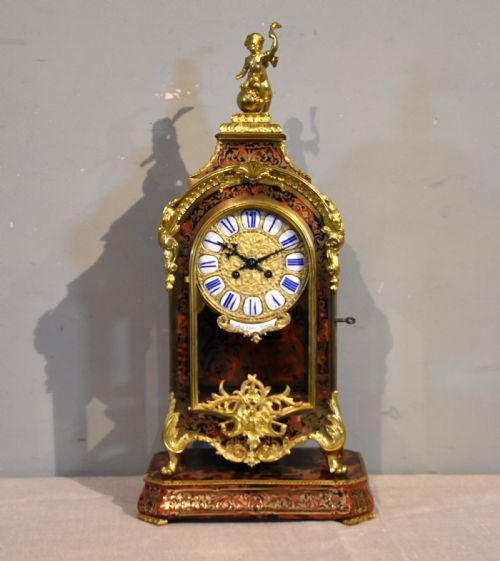
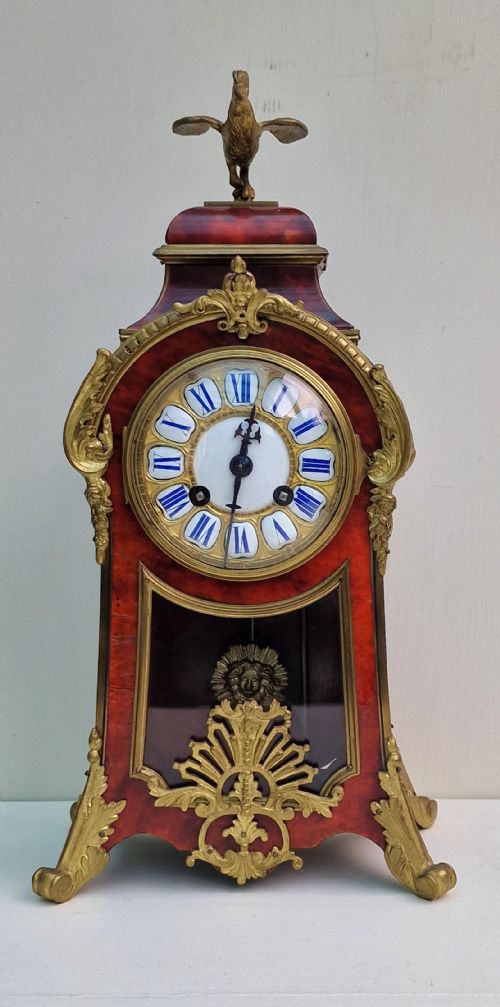
Craftsmen built these clocks using robust timber carcases overlaid with tortoiseshell, brass marquetry in the Boulle technique, or rich lacquer veneers. Ormolu and gilt bronze mounts were then cast and chased by hand to articulate the lively asymmetric borders characteristic of the style.
Intricate dial work featuring enamel cartouches pairs with precision mechanical movements such as fusee or pendulum systems. Many of these mechanisms originated in Parisian workshops or specialised provincial clockmakers who ensured reliable timekeeping within the ornate architectural housings.
Rococo Bracket Clock Retail Price Guide 2026
Typical asking prices for rococo bracket clock among the pieces listed under this phrase on Sellingantiques today, from the lower quarter to the upper quarter. They describe what is for sale here now, not the wider market.
Cupid figures occasionally peek out from the gilt bronze scrollwork, keeping watch over the passing hours.
Judging the standard of execution
The distinction between ordinary and exceptional examples rests upon the crispness of the gilt bronze chasing and the depth of the tortoiseshell inlay. Superior makers employed heavier metal mounts with distinct relief, whereas lesser pieces rely on shallow, repetitive casting.
Another measure of quality is the presence of the matching original bracket, which completes the visual silhouette and architectural integrity of the piece. The finesse of the hand-painted enamel dial and the complexity of the internal movement further elevate a specimen within the marketplace.
HENRI MARC OF PARIS·Leon Message·Jollet et Cie·William Payne·Connell of London·A.D. Mougin·Hay London·Marti
The Rococo Bracket Clock Glossary
- Ormolu
- Gilded bronze used extensively for decorative mounts on nineteenth-century French furniture and timepieces. This material required mercury gilding techniques to achieve a deep, enduring lustre.
- Boulle
- A form of marquetry utilising tortoiseshell and brass inlay developed during the reign of Louis XIV. The technique involves cutting stacked sheets of brass and shell together to create contrasting positive and negative patterns.
- Fusee
- A conical pulley used within clock movements to maintain even tension on the chain as the mainspring unwinds. This mechanism ensures consistent timekeeping accuracy across the power reserve.
- Bracket clock
- A portable table clock traditionally designed to sit upon a matching wall bracket for elevated display. These pieces often incorporate complex striking or chiming trains.
- Cartouche
- A small enamel plaque bearing individual numerals on the clock dial. These segments were individually fired before being mounted onto the brass dial face.
Rococo Bracket Clock: Frequently Asked Questions
Where should a rococo bracket clock be placed?
These timepieces require a sturdy surface or a secure wall fixing capable of supporting substantial bronze and timber weight. Placing them away from direct sunlight protects delicate tortoiseshell and gilt surfaces from environmental damage.
Because many examples include matching wall brackets, positioning them at eye level allows the intricate scrollwork and dial details to be appreciated properly within a room.
How do I wind a mechanical bracket clock?
Most mechanical movements require a specialised key inserted into winding holes on the dial face at regular intervals. Care must be taken not to over-wind the mainspring, which can cause internal damage to the gear train.
Consulting a professional horologist for initial setup ensures the pendulum is hung correctly and the beat is regulated properly after transit.
Are these clocks suitable for daily use?
While these mechanisms were built for practical timekeeping, antique movements benefit from gentle handling and regular professional servicing. Many retain striking trains that mark the hours or quarters.
Owners often choose to let the movement run periodically while keeping it properly lubricated and free from accumulated dust within the glass-paneled case.
How do I distinguish nineteenth-century revival pieces from earlier originals?
Revival pieces from the Victorian period frequently display machine-tooled elements within the movement and standardised casting marks on the bronze mounts. Examining the construction of the timber carcase and the style of the hand-cut screws reveals manufacturing shifts.
Eighteenth-century examples typically show greater individuality in the hand-chased ormolu and distinctive wear patterns on internal brass components.