



Rockingham Pottery
These pieces of rockingham pottery bring rich treacle glazes and traditional English earthenware forms directly into your home.
Rockingham Pottery
When you search for rockingham pottery, you encounter a selection of 19th century and Victorian ceramics, ranging from decorative figurines to functional tableware. The objects reflect traditional English country pottery methods, encompassing distinct regional wares.
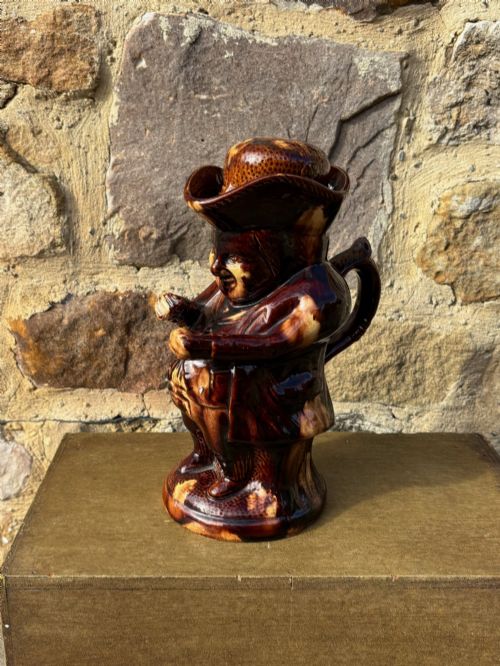
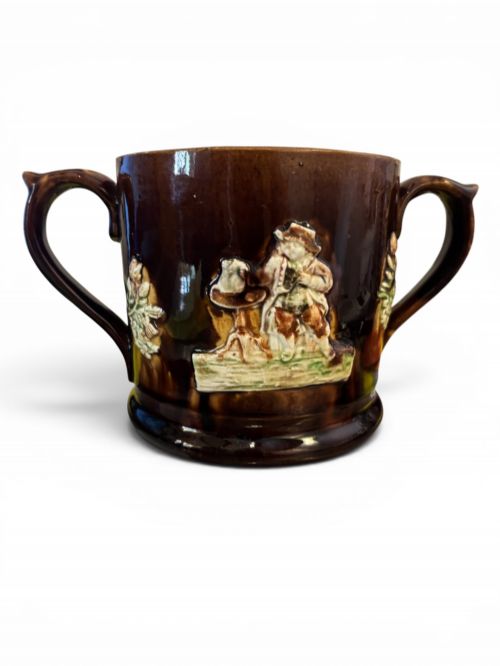
You are most likely to meet pieces such as treacle glazed Toby jugs, decorative lions, bargeware teapots, and two-handled ale tankards. These items bridge formal ceramic traditions and folk art styles across Georgian and Victorian periods.
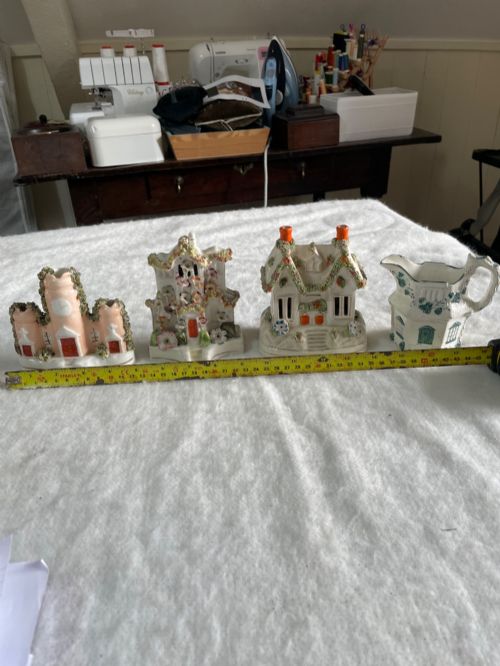
The category also embraces cottage and castle models alongside dessert services and commemorative vessels. Each item demonstrates the distinct aesthetic of nineteenth-century ceramic production in England.
How they were made
Potters utilised earthenware, stoneware, and porcelain bodies, shaping them into figures, teapots, and mugs. These ceramic forms frequently received lead glazes to achieve a glossy finish.
The characteristic deep brown appearance relies on treacle glaze applications over the clay body. Artisans occasionally embellished select items with enamel colours and gold leaf accents.
Rockingham Pottery Retail Price Guide 2026
Typical asking prices for rockingham pottery among the pieces listed under this phrase on Sellingantiques today, from the lower quarter to the upper quarter. They describe what is for sale here now, not the wider market.
Materials recorded across the selection include lead glaze, enamel, and gold leaf applied to ceramic bodies.
What varies in quality
The distinction between standard examples and superior specimens rests upon the crispness of the moulding and the depth of the glaze. Master modellers produced figures and animals with sharper anatomical details and cleaner facial expressions.
Glaze distribution also separates ordinary output from exceptional work, with richer brown tones and even coverage creating a more striking visual presence. The sophistication of supplementary details, such as enamel painting or gold leaf, elevates the status of individual items.
Lancaster and Sons of Hanley
The Rockingham Pottery Glossary
- Treacle glaze
- A dark, translucent brown lead glaze heavily used on nineteenth-century English pottery. It gives earthenware a glossy, treacle-like appearance.
- Toby jug
- A pottery jug shaped as a jovial seated person holding a mug of beer and a pipe. They date back to the eighteenth century and remain popular folk objects.
- Bargeware
- Traditional English pottery characterised by heavy decoration, bright colours, and applied motifs made for canal boat dwellers. These large teapots are highly collectible.
- Medici lion
- A sculptural representation of a classical lion figure, often produced in pairs during the nineteenth century. Potters frequently finished these ornamental beasts with treacle glazes.
- Stoneware
- A hard, vitrified ceramic pottery fired at high temperatures. It is impervious to liquids even without glaze.
Rockingham Pottery: Frequently Asked Questions
What is rockingham pottery?
Rockingham pottery encompasses nineteenth-century English ceramics, particularly earthenware and stoneware items finished with a rich brown treacle glaze. The category includes utilitarian vessels alongside decorative figurines and tableware.
These objects reflect both commercial factory production and regional folk traditions across the Georgian and Victorian eras.
How were treacle glazed items used?
Many items served practical daily functions as teapots, ale tankards, jugs, and dessert services in nineteenth-century households. Other pieces, such as lions and cottages, fulfilled purely ornamental roles on mantelpieces.
Surprise frog mugs were used in taverns to amuse drinkers when a ceramic frog appeared at the bottom of the tankard.
How do I identify Victorian pieces?
Victorian examples often feature deep brown treacle glazes, robust earthenware bodies, and moulded animal or human forms. The stylistic markers align with nineteenth-century decorative trends and folk art traditions.
Details such as applied cottages, enamel highlights, and gold leaf point toward this specific period of English ceramic manufacturing.
How do I care for antique pottery?
Display these ceramics away from direct sunlight and areas prone to sudden temperature fluctuations to protect the glaze and body. Gentle dusting with a soft, dry cloth preserves the surface without causing abrasion.
Avoid using water or chemical cleaners on antique earthenware and lead-glazed items unless handled by a professional restorer.