






Ribbon Bow Frame
A ribbon bow frame brings a delicate, decorative flourish to interiors through cast metal motifs and carved wood.
Ribbon Bow Frame
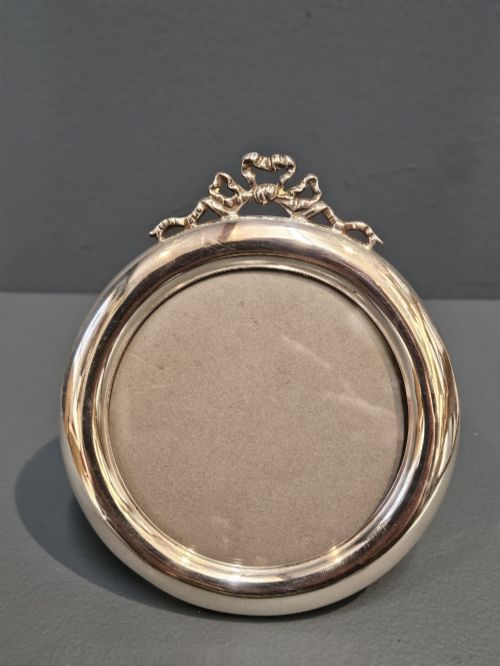
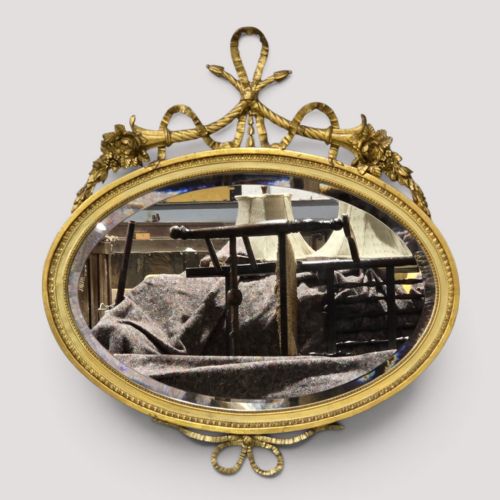
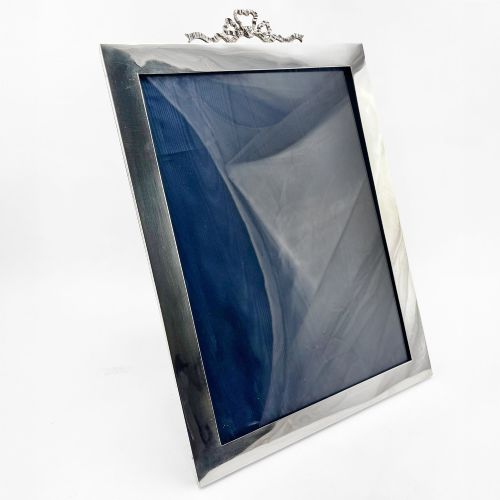
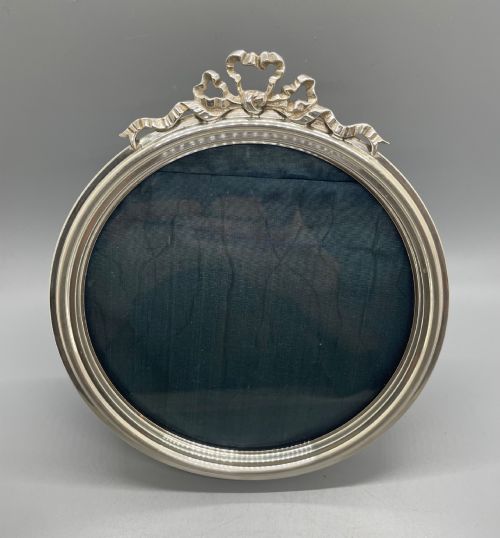
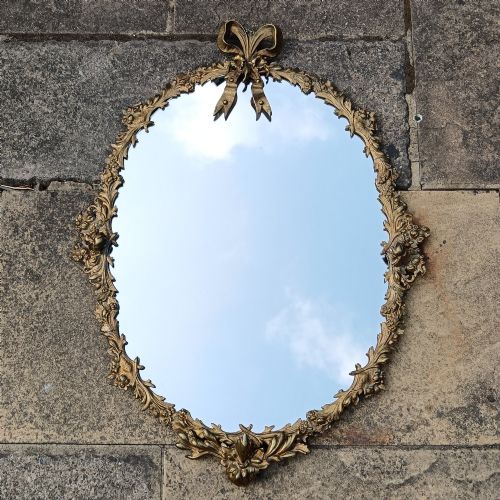
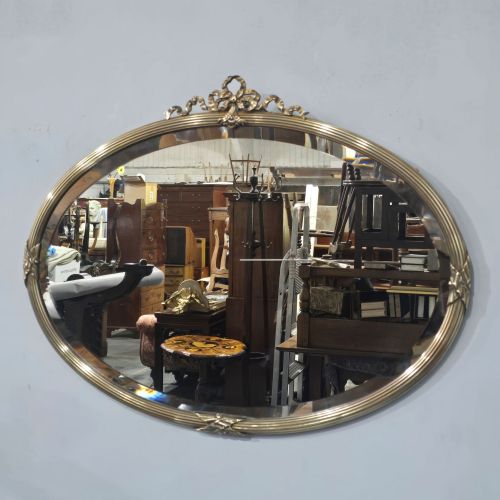
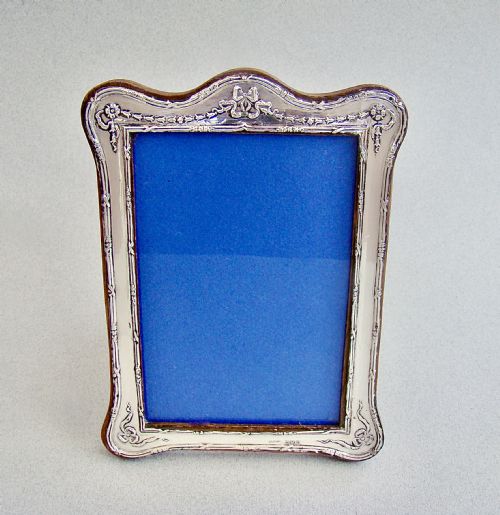
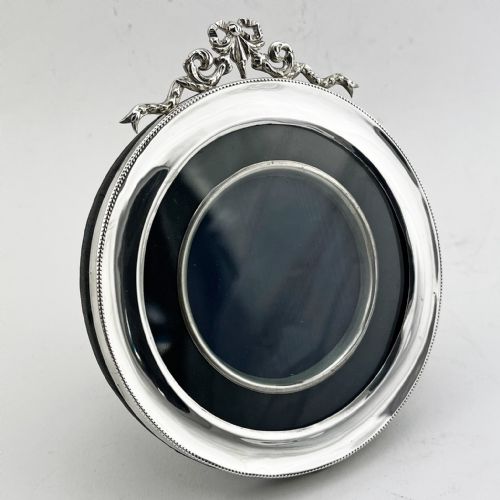
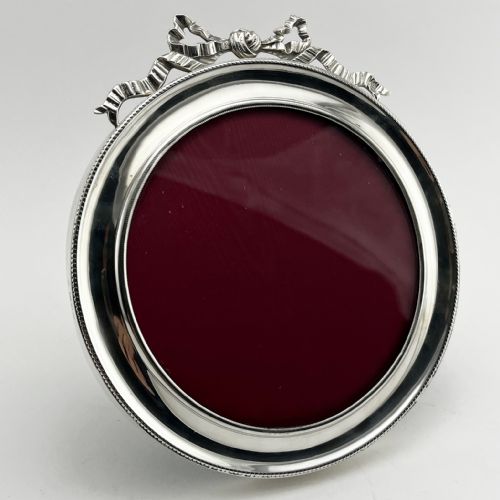
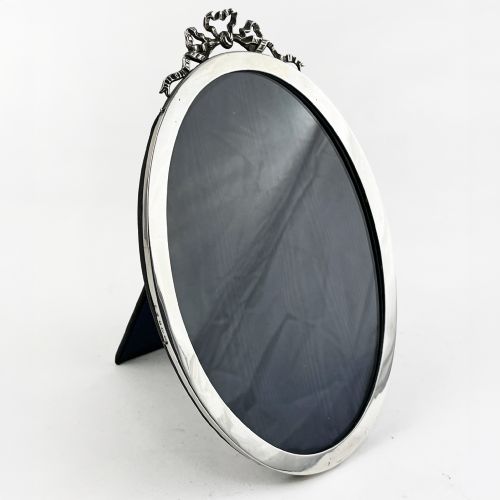
A ribbon bow frame is primarily encountered as a silver photograph holder or a gilt wall mirror from the late nineteenth and early twentieth centuries. These pieces adapt neoclassical design motifs, placing a tied ribbon or bow ornament at the crest of an oval, round or rectangular border.
The selection ranges from small Edwardian and George V sterling silver desk frames to larger Victorian and French revival wall mirrors. Makers cast the ribbon element in metal or carved it directly into wood and gesso, creating a distinct focal point above the glass.
Within this category, buyers also find oil paintings depicting subjects adorned with similar decorative ribbon details. The underlying forms draw heavily on Louis XVI and Georgian design vocabularies that prioritized symmetry and ornamental lightness.
Materials and construction
Silversmiths constructed photo frames using sterling silver sheets supported by wooden backs and velvet linings, often casting the ribbon top as a separate element before soldering it to the border. Birmingham and Sheffield assay offices stamped these pieces with hallmarks denoting the year and maker.
Mirrors and larger frames utilise carved wood, gesso, and gilt bronze, applying gold leaf or bronze finishes over the base material. Glass panes are fitted within arched or ovalrebated channels designed to protect the silvered backing or canvas.
Ribbon Bow Frame Retail Price Guide 2026
Typical asking prices for ribbon bow frame among the pieces listed under this phrase on Sellingantiques today, from the lower quarter to the upper quarter. They describe what is for sale here now, not the wider market.
Materials recorded in the inventory include sterling silver, gilt bronze, gesso, glass, and velvet.
Distinguishing quality
Quality rests in the crispness of the cast or carved ribbon motif and the retention of original gilding or silver polish. Finer examples display intricate folds and tails in the bow that appear three-dimensional rather than flat or pressed.
Substantial gauge silver and heavy wood cores separate superior pieces from lighter, mass-produced alternatives. The integration of the hanging ring or easel back also indicates the level of original craftsmanship.
W I Broadway Co·Henry Pickering
The Ribbon Bow Frame Glossary
- Sterling silver
- An alloy containing 92.5 percent silver and 7.5 percent other metals, chiefly copper, standard in British frame production.
- Gesso
- A plaster mix applied to wood frames as a smooth base for subsequent gilding.
- Gilt bronze
- An alloy of copper and zinc decorated with a layer of gold, frequently used on French revival mirrors.
- Hallmark
- A series of official marks stamped on silver items indicating the maker, assay office, and year of manufacture.
- Overmantel mirror
- A large wall mirror specifically designed to hang above a fireplace mantel.
Ribbon Bow Frame: Frequently Asked Questions
How do I date a silver frame?
Dating silver frames relies upon the assay office hallmarks stamped directly into the metal. These tiny symbols indicate the city of testing, the standard of silver, and a specific date letter.
Comparing the style of the ribbon top alongside these official marks helps confirm whether a piece belongs to the Victorian, Edwardian, or George V periods.
Where were these frames manufactured?
British frames are largely traceable to major silversmithing hubs such as Birmingham and Sheffield. Many other examples originate from nineteenth-century French workshops influenced by Louis XVI revival styles.
Italian makers also contributed sterling silver variations during the mid-twentieth century, continuing the traditional neoclassical aesthetic.
How should I clean a silver frame?
Cleaning sterling silver frames requires a soft cloth and a gentle, non-abrasive silver polish to remove tarnish without wearing down the engraved details. Care must be taken around fabric velvet backs and delicate soldered ribbon crests.
Gilt wood and bronze mirrors require only dry dusting to preserve the original surface coatings.