



Revolving Wine Table
A revolving wine table gives you a clever rotating surface to keep bottles and glasses within easy reach during an evening.
Revolving Wine Table
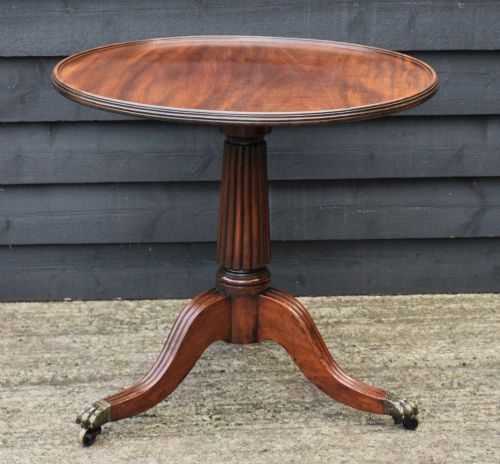
A revolving wine table is a clever piece designed to bring bottles and glasses within easy reach during an evening without the need to stretch across the room. When you search for a revolving wine table, you find variations that span the Georgian, Regency, and Victorian eras, alongside later revivals from around nineteen hundred.
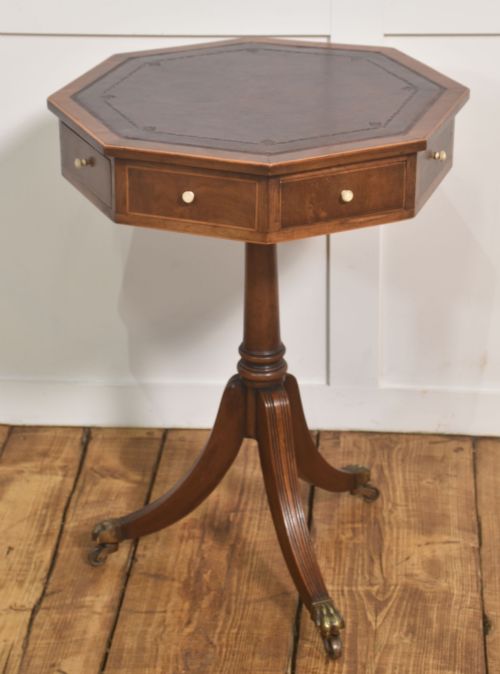
These pieces appear in forms such as tripod tea tables, drum tables, occasional tables, and tiered dumbwaiters. Mahogany is the primary timber you will encounter across the selection, often joined by burr walnut, rosewood, and brass fittings.
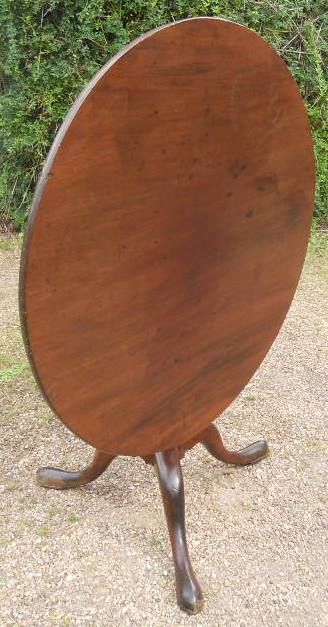
Many examples incorporate a swivel or bird cage mechanism beneath the top, allowing the surface to turn smoothly. You will also find variations featuring folding leaves or galleries designed to keep items secure while the table is in motion.
How they were made
Cabinet makers constructed these tables primarily from solid mahogany and burr walnut, utilising timber selected for its rich grain and deep natural colour. Surfaces frequently incorporate inset leather panels and fine brass hardware to accent the moving mechanisms.
The revolving action relies on traditional pivot joints, bird cage frameworks, and swivel tops built into the underside of the surface. These functional elements allow the tabletop to rotate independently of the central pedestal or tripod base.
Revolving Wine Table Retail Price Guide 2026
Typical asking prices for revolving wine table among the pieces listed under this phrase on Sellingantiques today, from the lower quarter to the upper quarter. They describe what is for sale here now, not the wider market.
The listings show mahogany as the dominant material, appearing across Georgian, Regency, and Victorian periods alongside occasional examples in burr walnut and rosewood.
What varies in quality
Quality rests in the smoothness of the revolving mechanism and the stability of the central tripod or pedestal base. A well-made table turns without wobble or friction, demonstrating precision in the hidden pivot or bird cage construction.
The selection of timber and the crispness of the secondary details, such as brass galleries, inset leather tooling, and turned columns, set the finer examples apart. Proportion and the integration of folding leaves or drop sides also influence the overall character of the piece.
The Revolving Wine Table Glossary
- Revolving wine table
- A small dining or occasional table featuring a rotating top designed for serving drinks. These pieces often stand on a central pillar with tripod legs.
- Bird cage
- A timber framework beneath a tabletop that allows the surface to tilt and rotate. This construction uses concentric rings and a central pivot pin for smooth movement.
- Drum table
- A circular table with a deep rim, resembling a drum, often fitted with drawers or compartments around the perimeter. Examples from the Regency period frequently incorporate rotating tops.
- Tripod base
- A pedestal support resting on three splayed legs. This design provides steady balance on uneven floors while leaving ample legroom around the table.
- Dumbwaiter
- A tiered serving table used to hold dishes, wine, and glasses during meals. Georgian versions often include revolving sections to assist with service.
Revolving Wine Table: Frequently Asked Questions
What is a revolving wine table used for?
These tables served primarily to hold bottles, decanters, and glasses during social gatherings and meals. The rotating top allowed guests to access drinks easily without passing heavy bottles across the room.
Today, they function well as occasional tables beside seating areas or as decorative side tables in a living space.
How do I identify a Regency revolving table?
Regency pieces often feature clean architectural lines, dark mahogany timbers, and sturdy tripod pedestals. Look for drum forms or brass gallery details that suggest the early nineteenth century.
Later nineteenth-century and revival pieces tend to incorporate heavier turning, burr walnut veneers, or alternative mechanism styles.
Are these tables stable when turning?
Yes, properly adjusted tables remain balanced on their tripod or pedestal bases while the top rotates. The weight of the timber and the central pivot design keep the surface steady during use.
If a top wobbles, the underlying pivot or bird cage mechanism may simply require adjustment or tightening.
Where should I place one at home?
A revolving table suits a corner or beside an armchair where the turning top proves practically useful. Their compact proportions make them versatile for rooms with limited floor space.
Avoid placing them in areas of intense direct sunlight to protect the polished mahogany and leather surfaces.