


Revival Style Cabinet
A revival style cabinet brings historic forms into nineteenth and twentieth century rooms, offering practical storage disguised as earlier centuries of design.
Revival Style Cabinet
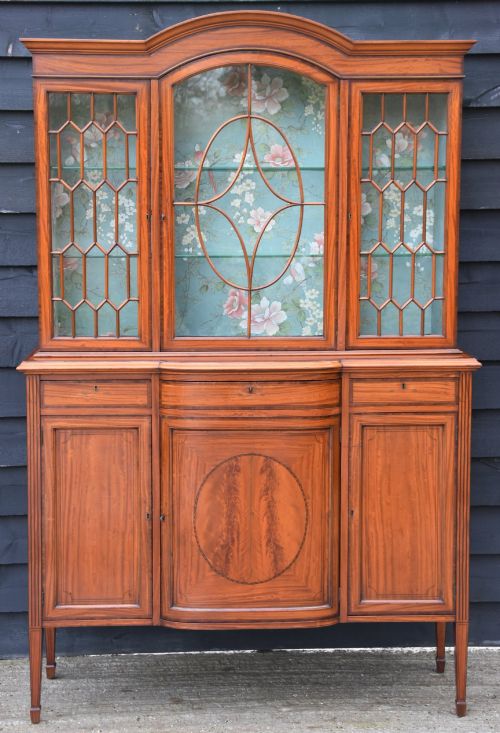
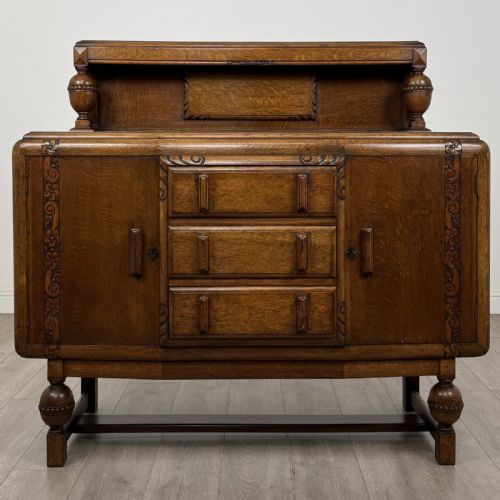
A revival style cabinet draws upon historical eras such as the Georgian, Jacobean, and Sheraton periods, reinterpreting older forms for later homes. Buyers search for these pieces to combine the distinct character of past centuries with the functional requirements of domestic storage and display.
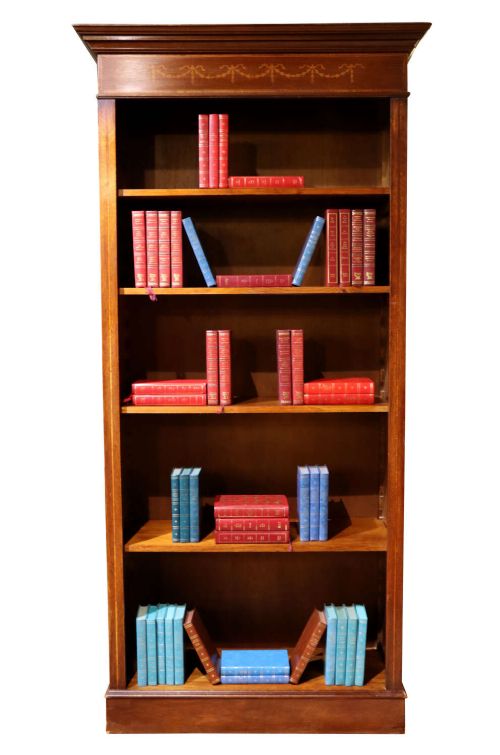
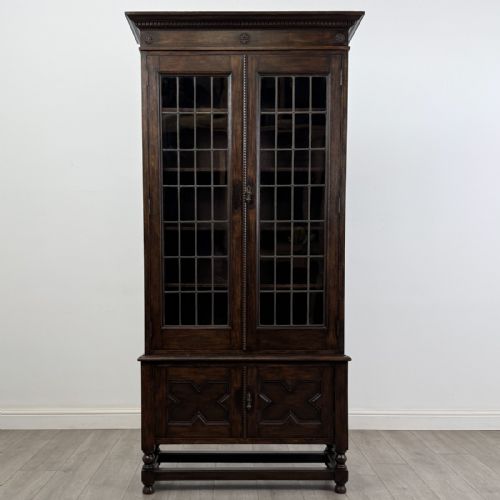
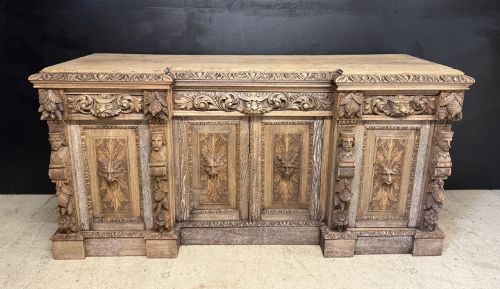
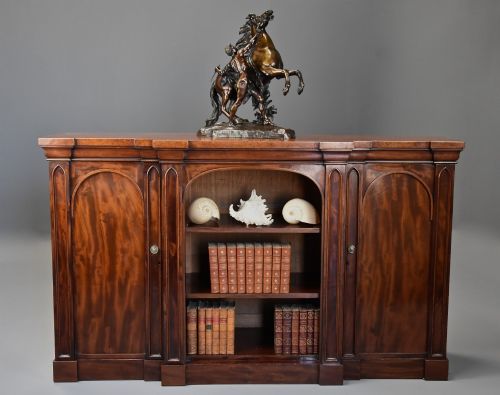
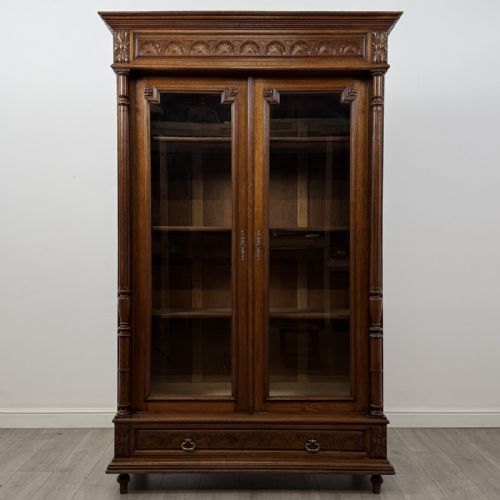
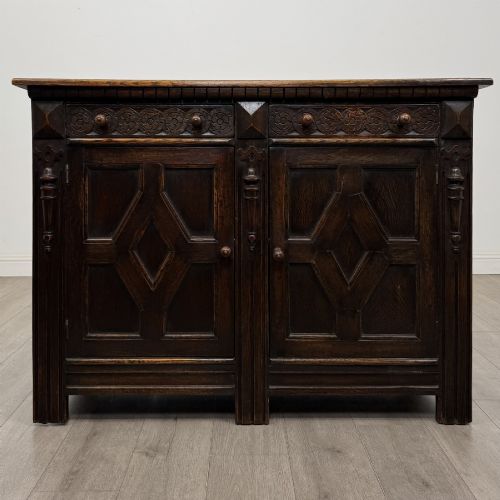
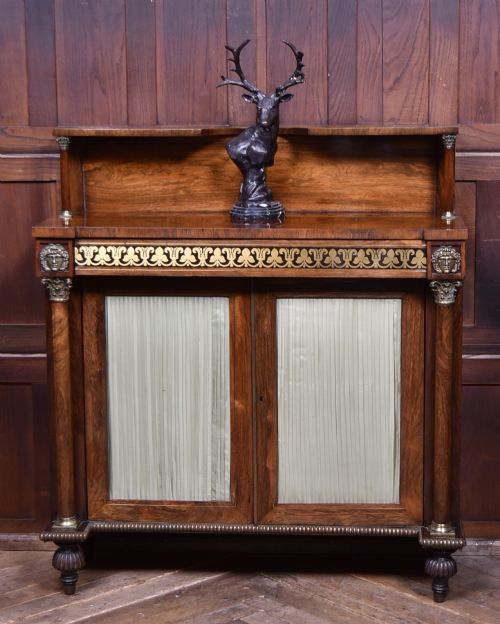
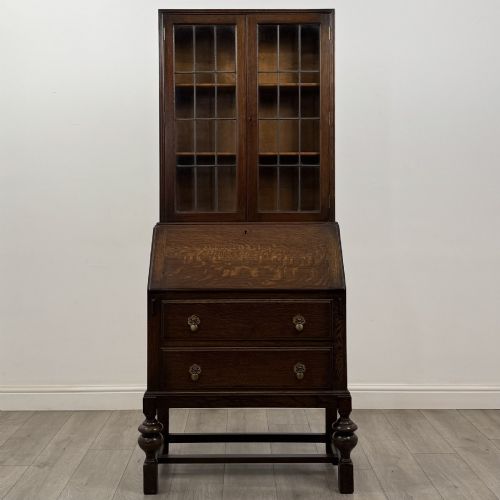
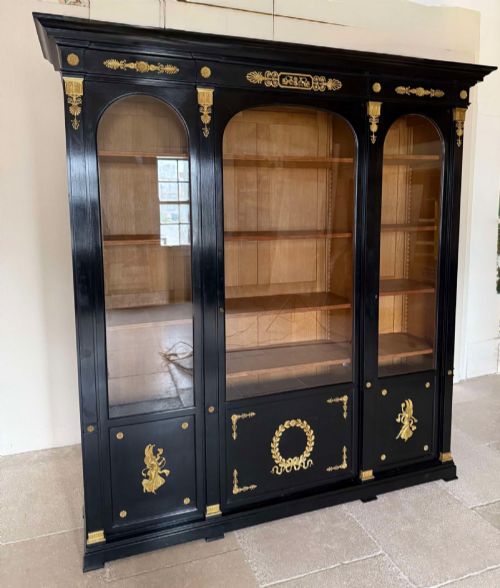
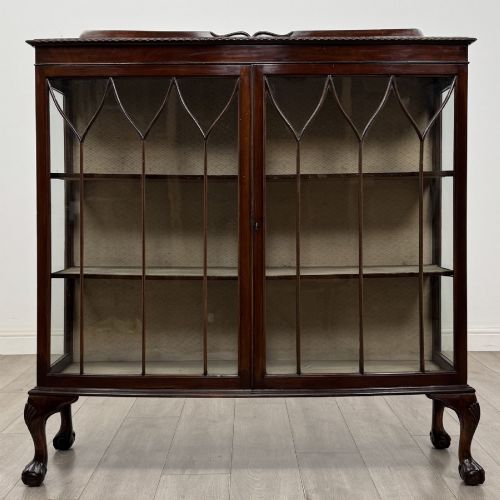
The selection includes display cabinets, side cabinets, sideboards, bookcases, and bedside tables. Oak and mahogany dominate the forms, frequently accompanied by glass panels, leaded doors, and brass fittings.
Pieces span from the nineteenth century through the 1920s and 1930s, capturing shifting tastes in historicism. Edwardian interpretations alongside 1920s oak variations form the core of the current selection.
Distinctions in quality
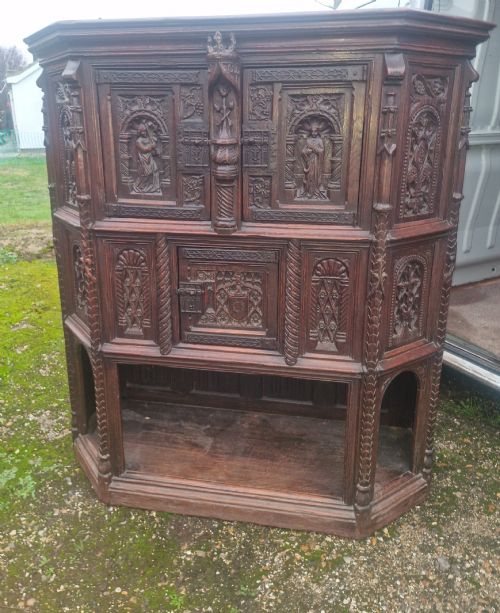
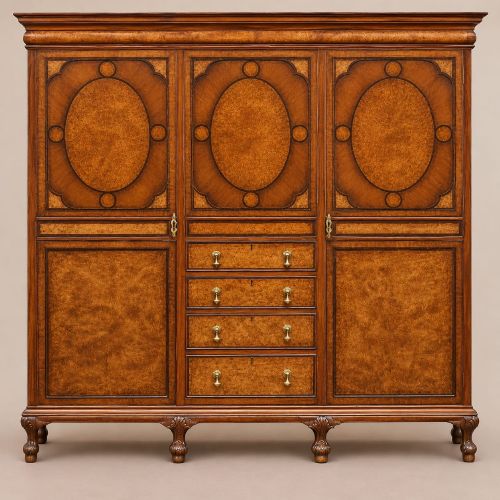
The refinement of timber selection and the precision of joinery define the upper tier of pieces. Finely figured burr walnut, clean mahogany veneers, and crisp hand-carved linenfold panels distinguish workshop output from simpler production.
Hardware integrity and glass quality separate standard examples from superior commissions. Original brass galleries, well-fitted drawers, and unblemished ormolu mounts indicate careful initial manufacture.
Revival Style Cabinet Retail Price Guide 2026
Typical asking prices for revival style cabinet among the pieces listed under this phrase on Sellingantiques today, from the lower quarter to the upper quarter. They describe what is for sale here now, not the wider market.
Listings feature oak, mahogany, walnut, and satinwood alongside glass and brass elements across eight distinct revival styles.
Waring and Gillow·Gillows·Liberty
The Revival Style Cabinet Glossary
- Sheraton Revival
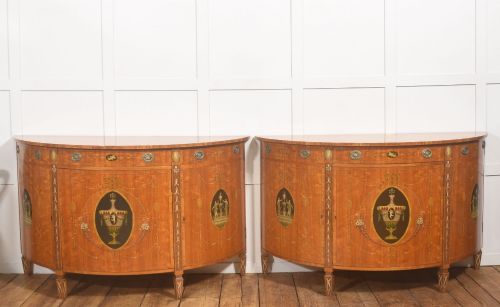
- A style popular around the Edwardian period imitating the late eighteenth-century classical designs of Thomas Sheraton. It relies upon satinwood, delicate inlay, and painted decoration.
- Jacobean Revival
- A heavy oak style drawing on seventeenth-century motifs. Pieces typically feature deep geometric carving, panelled doors, and barley-twist legs.
- Breakfront
- A cabinet design where the central section projects forward from the flanking wings. This architectural arrangement creates depth and visual variation across large sideboards and bookcases.
- Astral Glazing
- Window bars forming a geometric grid across cabinet doors. This technique frames the glass panes in display cabinets and bookcases.
- Linenfold
- A style of woodcarving depicting folded fabric resembling parchment or linen. It appears frequently on panels of early twentieth-century oak cupboards.
Revival Style Cabinet: Frequently Asked Questions
What periods do these cabinets represent?
The pieces span from the nineteenth century through the 1930s, incorporating earlier historical styles.
Craftsmen during the Edwardian era and the 1920s frequently reproduced Jacobean, Georgian, and Sheraton aesthetics.
Where should I place a display cabinet?
Display cabinets suit dining rooms, living spaces, and hallways where glazed doors protect books or porcelain from dust.
Their timber carcases and glass panels require stable indoor humidity away from direct sunlight.
How do I identify a Sheraton revival piece?
Sheraton revival items utilise light timbers such as satinwood and mahogany alongside symmetrical inlay.
Look for tapered legs, painted floral motifs, and bow-front configurations typical of late eighteenth-century revivals.
Are oak revival cabinets heavy?
Solid oak and carved Jacobean style sideboards possess substantial weight due to dense timber construction.
Positioning requires firm flooring and adequate clearance for hinged doors or drop-leaf surfaces.