





Revival Refectory Table
A revival refectory table brings historic architectural presence to a dining room through solid oak construction and centuries-old design idioms.
Revival Refectory Table
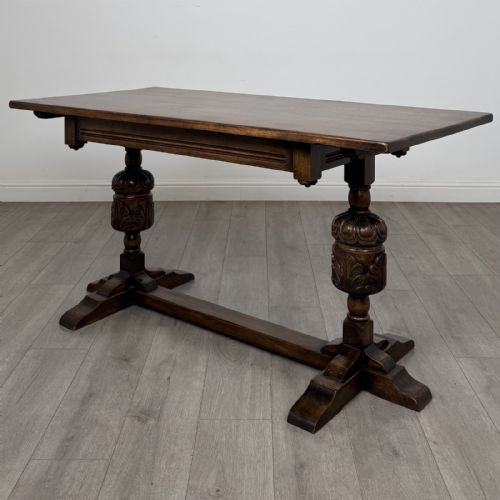
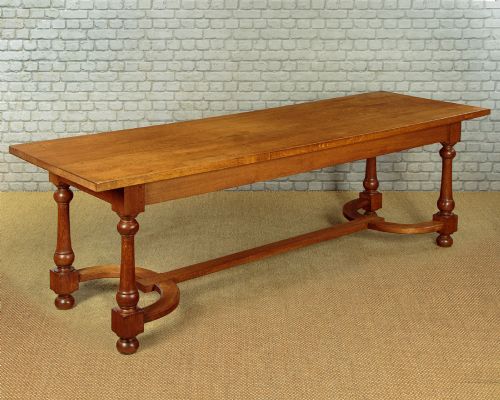
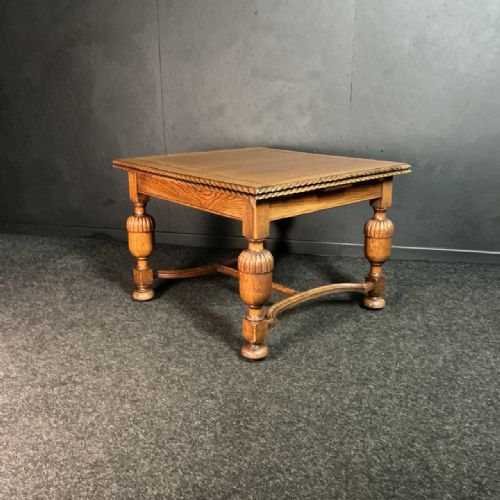
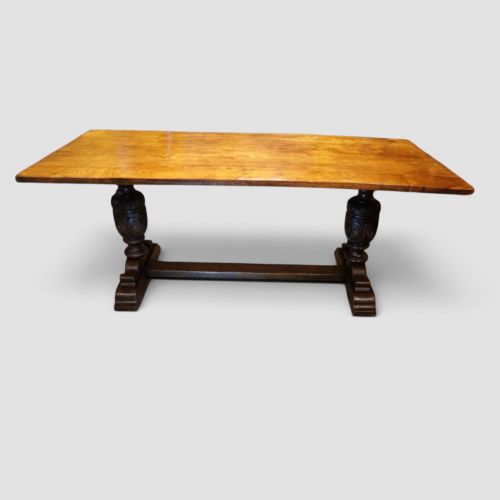
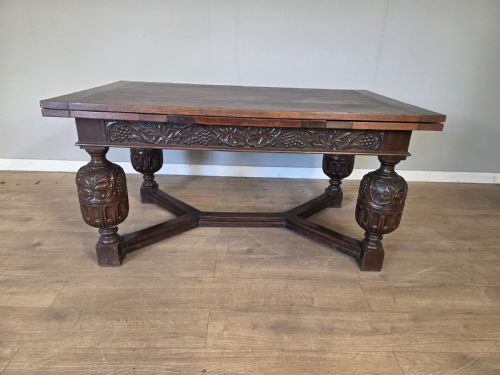
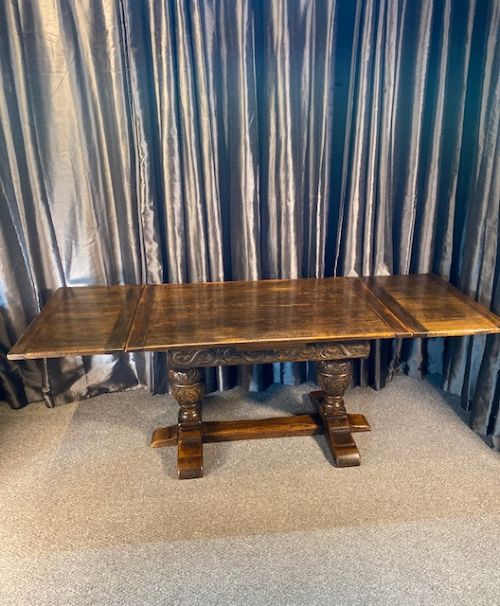
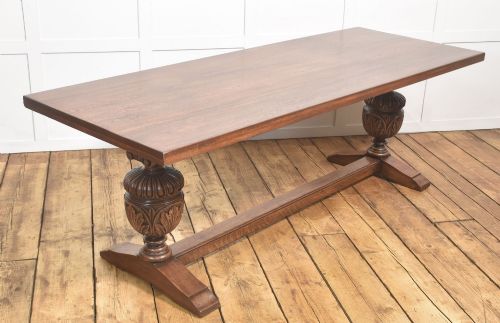
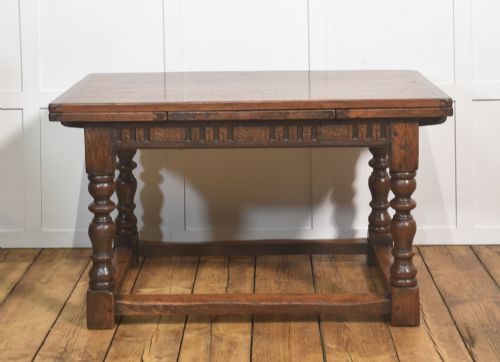
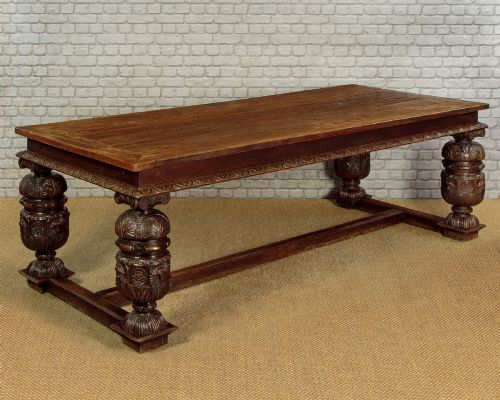
A revival refectory table is a long, heavy dining or library surface built in later centuries to echo the medieval, Tudor, or Elizabethan originals found in monasteries and great halls. When searching for a revival refectory table, the pieces most commonly met on this page date from the nineteenth and early twentieth centuries, spanning Victorian, Edwardian, and later periods. These forms include standard refectory formats, draw-leaf extending variants, and heavy library tables suited for large gatherings.
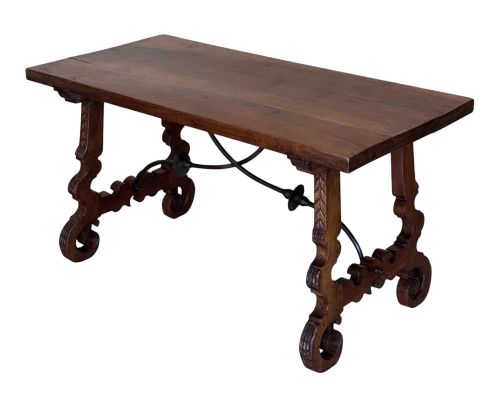
The styles seen across these listings draw heavily on Jacobean, Gothic, Elizabethan, and Spanish Baroque revivals. Makers of the period utilised robust proportions, thick timber tops, and underframes braced by heavy stretchers. Whether designated as a monastery table, a country kitchen piece, or a formal dining table, the core utility remains a substantial timber board supported by carved or turned legs.
How they were made
The primary material across the listings is solid oak, frequently partnered with walnut, pollard oak, and occasional wrought iron or brass hardware. Construction relies on heavy timber planks joined to substantial underframes, often featuring carved friezes, stretchers, and draw-leaf mechanisms for extending the surface area.
Detailing is achieved through hand-carving in styles ranging from plain Gothic tracery to elaborate Flemish green man motifs and strapwork. The surfaces are finished to highlight the natural grain of the oak or walnut, showing the structural joints and pegged tenons typical of heavy carpentry.
Revival Refectory Table Retail Price Guide 2026
Typical asking prices for revival refectory table among the pieces listed under this phrase on Sellingantiques today, from the lower quarter to the upper quarter. They describe what is for sale here now, not the wider market.
One listed table incorporates a carved green man motif, watching over the dining room with leafy foliage sprouting from his mouth.
What varies in quality
Quality in these tables is determined by the weight and selection of the timber, particularly the thickness of the top boards and the solidity of the underframe. Tables built from solid oak or figured pollard oak with substantial framing sit at the upper end of the scale, offering greater stability and depth of grain.
The execution of the carving and the complexity of the mechanism separate standard production from finer cabinet work. Pieces bearing specific stylistic attribution or designed with integrated draw-leaf systems demonstrate superior joinery that withstands heavy daily use.
Maple and Co·Sir Robert Lorimer
The Revival Refectory Table Glossary
- Refectory table
- A long, narrow dining table originally used in monasteries for communal meals. Later revival versions adapt this medieval format for domestic dining.
- Draw leaf
- An extending table mechanism where two leaves slide out from beneath the main top, automatically raising slightly into place. This allows the table length to increase without removing the central board.
- Stretcher
- A horizontal wooden beam connecting the legs of a table to provide rigidity and strength. In revival refectory tables, these are often positioned low down between the floor supports.
- Jacobean Revival
- A style popular in the nineteenth and early twentieth centuries mimicking the geometric mouldings, turned legs, and dark oak finishes of the early seventeenth century.
- Pollard oak
- Oak timber taken from trees that have been pollarded, producing wood with a dense, highly figured, knotty grain pattern. It was utilised for decorative cabinet work on high-status tables.
Revival Refectory Table: Frequently Asked Questions
How do I seat guests comfortably?
Refectory tables typically feature heavy underframes and low stretchers which can restrict legroom beneath the top. Consider the placement of the legs and the width of the chairs when planning your seating arrangements.
Many revival examples include draw-leaf mechanisms that allow the table to extend for larger gatherings, accommodating more diners than the closed length suggests.
Are these tables suitable for daily use?
Solid oak and walnut construction gives these tables high durability and resilience for everyday dining or kitchen use. The thick timber tops withstand regular activity and heavy loads.
Maintenance involves treating the wood appropriately to protect against spills and maintaining the stability of the pegged joints over time.
How do I identify the period style?
Stylistic cues such as Gothic tracery, Elizabethan strapwork, or Jacobean turned legs indicate which historic era the revival piece is emulating. The materials, such as solid oak or pollard oak, often point towards nineteenth or early twentieth-century manufacturing.
Hardware elements, construction methods, and timber patination help distinguish nineteenth-century revival craftsmanship from genuine earlier antiques.
How do I care for solid oak?
Solid oak surfaces benefit from regular dusting with a dry cloth and occasional treatment with appropriate waxes or oils to nourish the grain. Avoid placing timber tables in direct sunlight or near heat sources to prevent splitting.
Using coasters and placemats protects the finish from moisture rings and heat damage while preserving the natural patination of the wood.