





Revival Plant Stand
A revival plant stand brings historical decorative forms into domestic rooms to hold foliage and decorative urns.
Revival Plant Stand
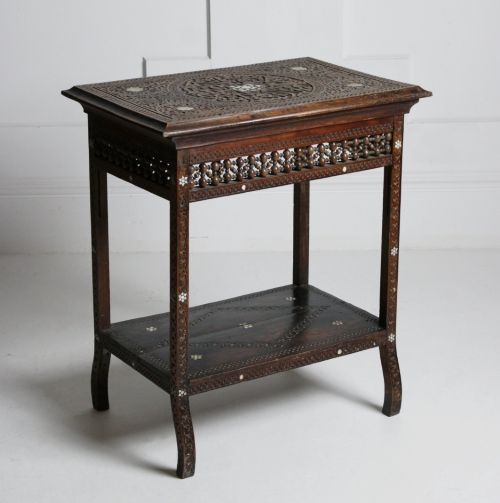
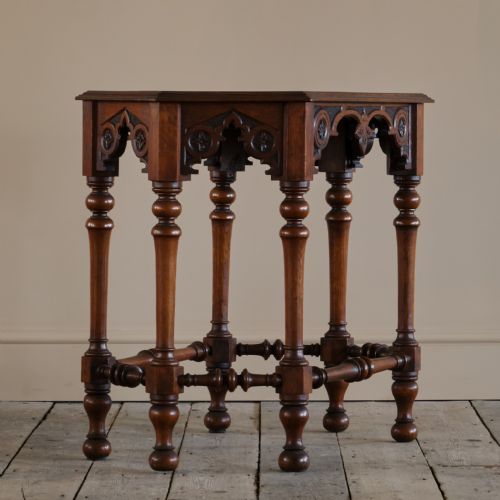
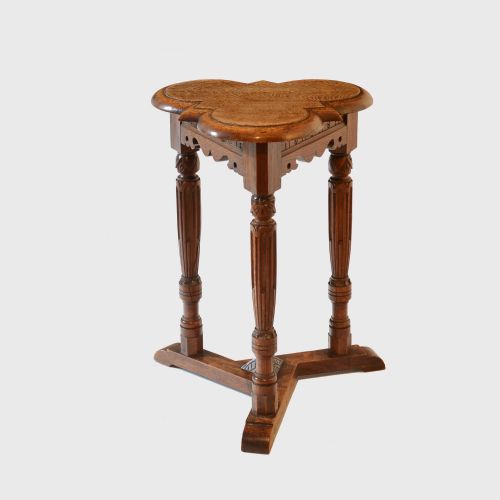
A revival plant stand takes historical design vocabulary from earlier centuries and applies it to tall furniture intended for displaying plants and decorative vessels. These pieces emerge in periods such as the Victorian and Edwardian eras, drawing upon styles like Gothic, Sheraton, and Moorish design.
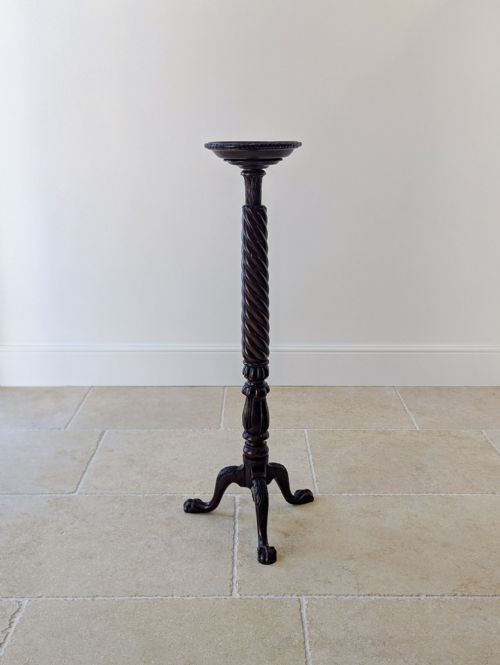
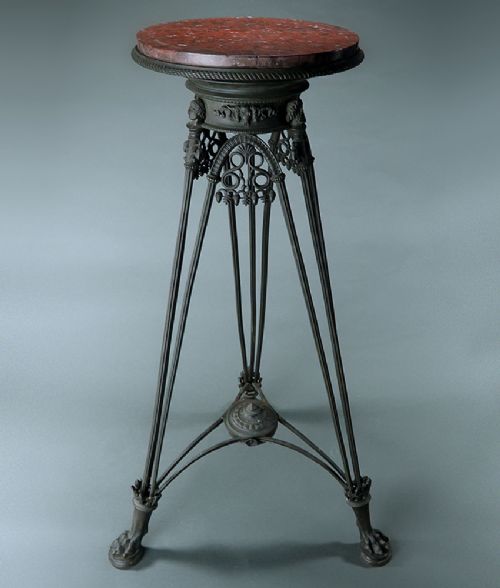
The objects on this page span several forms including pedestals, torchères, jardinière stands, and occasional tables adapted for botanical display. Oak, mahogany, and walnut appear frequently, supporting the weight of pots and ornamental items in entrance halls and reception rooms.
Materials and construction methods
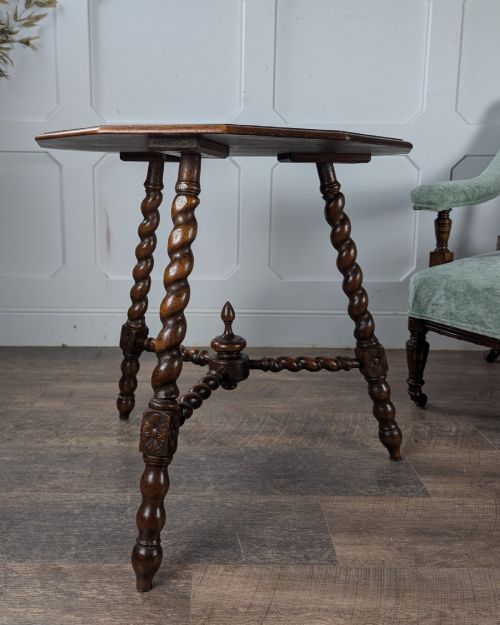
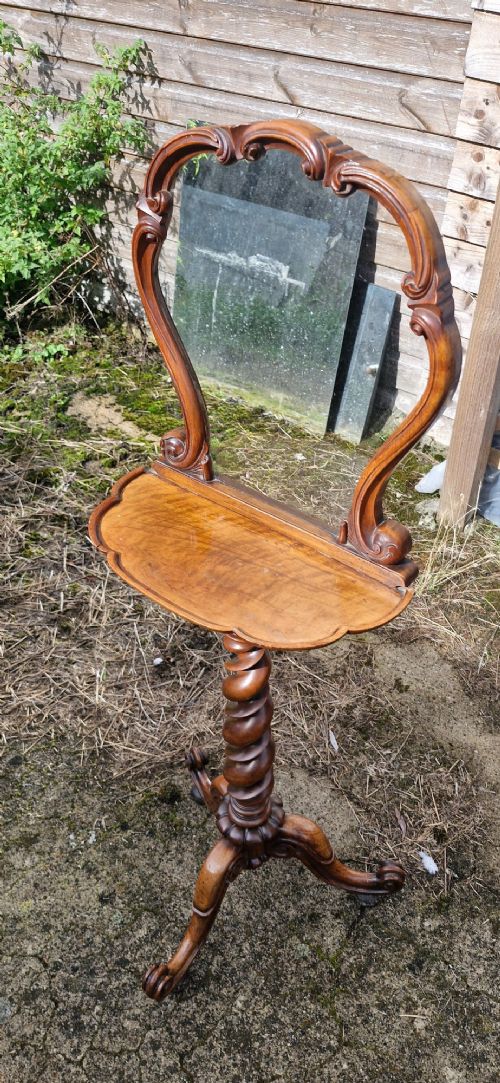
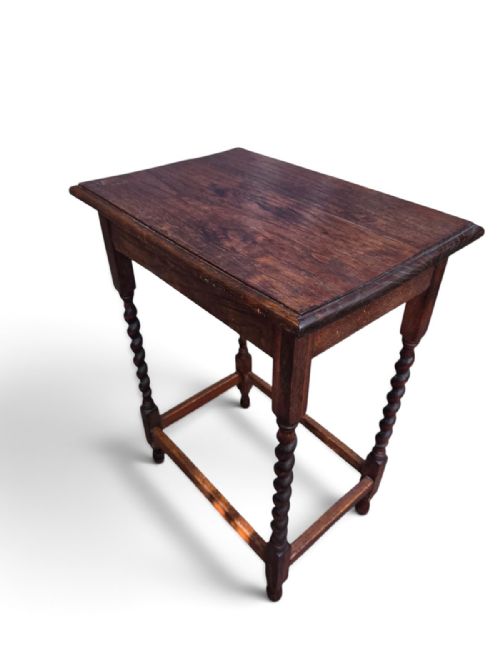
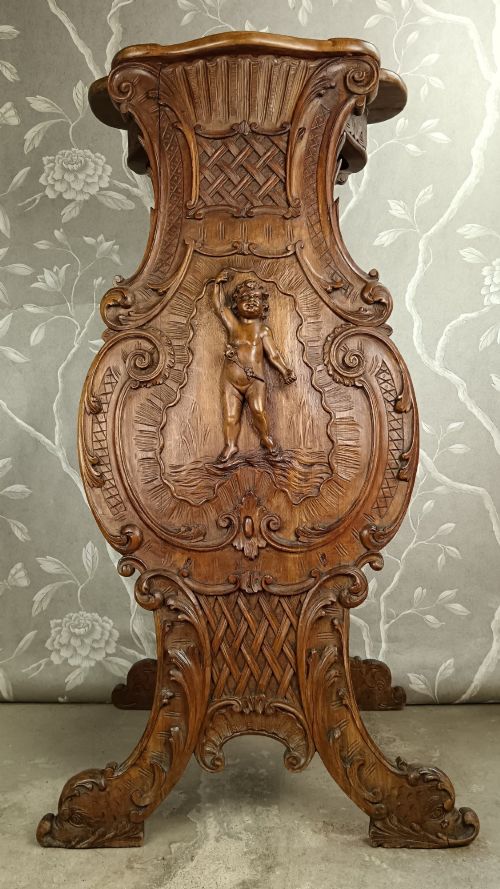
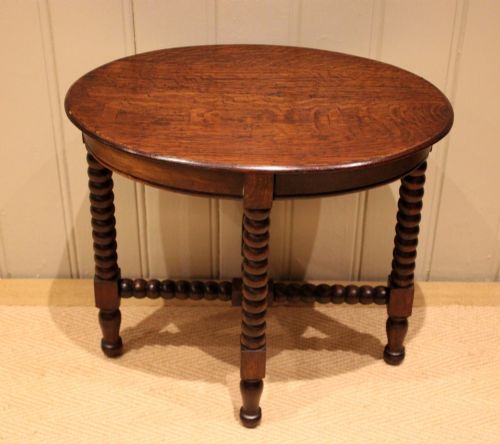
Cabinet makers utilised solid timbers like oak and mahogany alongside decorative veneers such as satinwood and kingwood. Turning lathes produced barley twist and bobbin legs, while hand carving shaped structural caryatids and intricate mouldings.
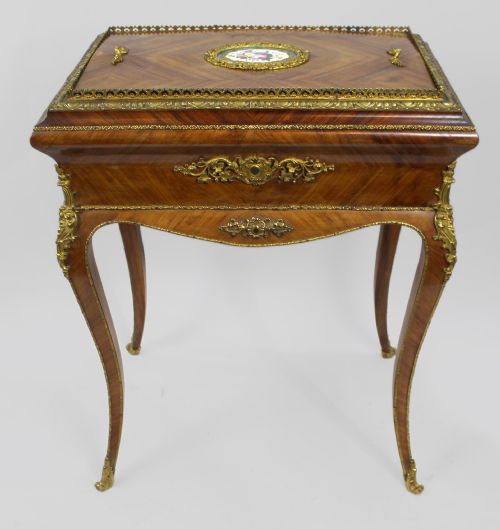
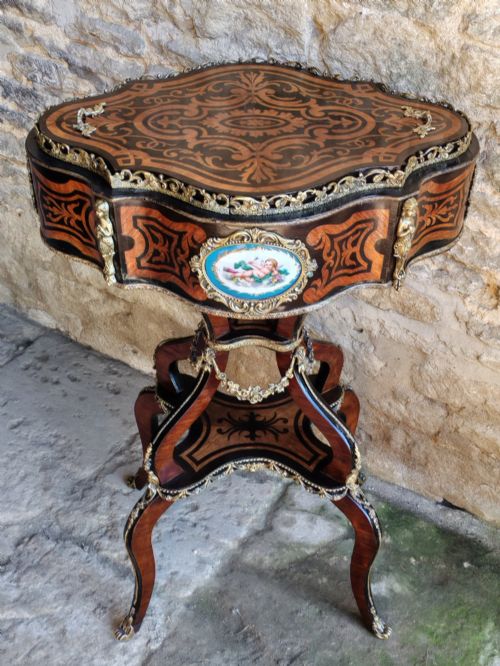
Metal and ceramic elements integrate directly into the framework through cast iron stands, ormolu mounts, and inlaid porcelain plaques. Marquetry techniques add contrasting timber details across table tops and pillar shafts.
Revival Plant Stand Retail Price Guide 2026
Typical asking prices for revival plant stand among the pieces listed under this phrase on Sellingantiques today, from the lower quarter to the upper quarter. They describe what is for sale here now, not the wider market.
Listings feature oak, mahogany, satinwood, walnut, ormolu, kingwood, porcelain, and bone across multiple revival styles.
Distinctions in construction and design
Quality rests on the depth of carving, the precision of marquetry inlay, and the stability of the central column or legs. Superior examples employ dense hardwoods with clean joinery that supports heavy ornamentation without structural compromise.
Secondary materials reveal the standard of production, where cast ormolu mounts and hand-painted porcelain plaques elevate an ordinary support into a finely articulated decorative object.
Liberty and Co
The Revival Plant Stand Glossary
- Torchère
- A tall, slender stand designed to support a light or a decorative vessel. Originating in earlier centuries, these pieces reappear in nineteenth-century revival schemes.
- Jardinière
- A decorative receptacle or stand for holding plants or flowers. They often incorporate waterproof liners or ceramic plaques into the top section.
- Barley twist
- A type of woodturning that resembles a spiral rope or screw thread. This decorative leg profile is common on oak stands from the Victorian and Edwardian periods.
- Marquetry
- The art of applying pieces of veneer to a structure to form decorative patterns and pictures. Cabinet makers used contrasting timbers to create geometric and floral motifs on table tops.
Revival Plant Stand: Frequently Asked Questions
What is a plant stand?
A plant stand is a piece of furniture designed to elevate pots and urns off the floor for better display.
These items range from simple wooden pedestals to elaborate tables with inset porcelain plaques and metal liners.
How were these stands used historically?
Victorians and Edwardians placed these stands in reception rooms and hallways to display indoor ferns and flowering plants.
They also served as surfaces for lamps, wine coolers, and decorative objects during social gatherings.
What woods are most common?
Oak and mahogany appear most frequently in these listings, providing sturdy support for heavy planters.
Satinwood, walnut, and kingwood also occur in finer revival pieces alongside marquetry veneers.
How do I identify a revival style?
Revival pieces copy the ornamentation of earlier periods, such as Gothic tracery, Jacobean turning, or Sheraton inlay.
Construction methods and timber patination help distinguish nineteenth-century interpretations from original antiques.