


Revival Display Unit
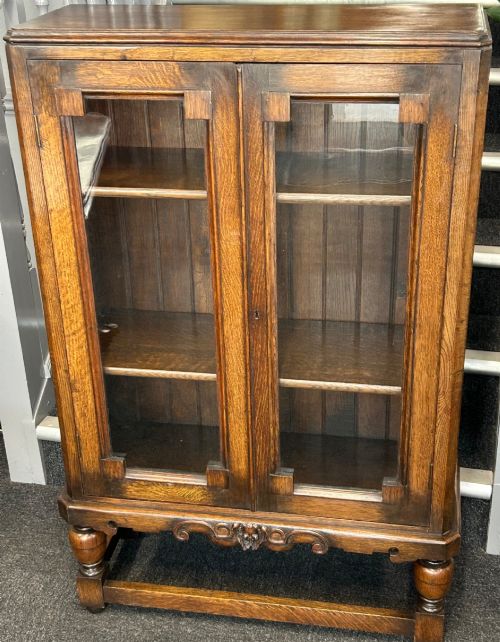
When you want a revival display unit, you are looking at cabinets and bookcases built in past centuries to echo earlier eras.
Revival Display Unit
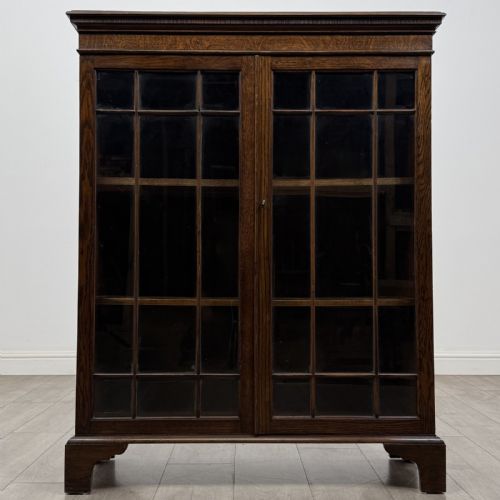
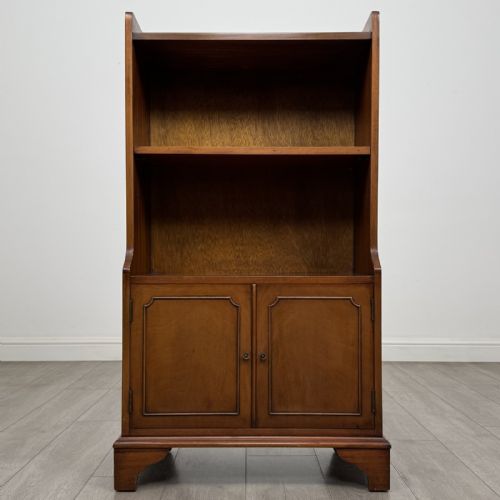
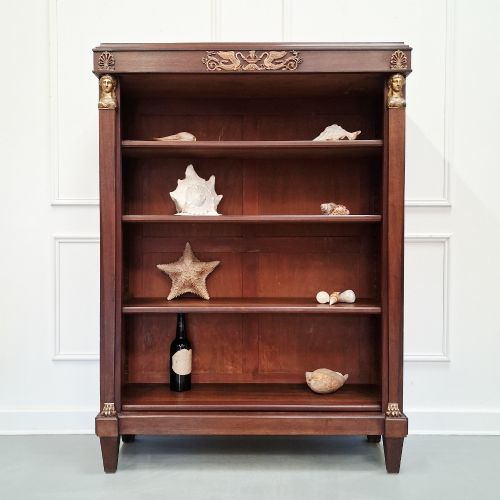
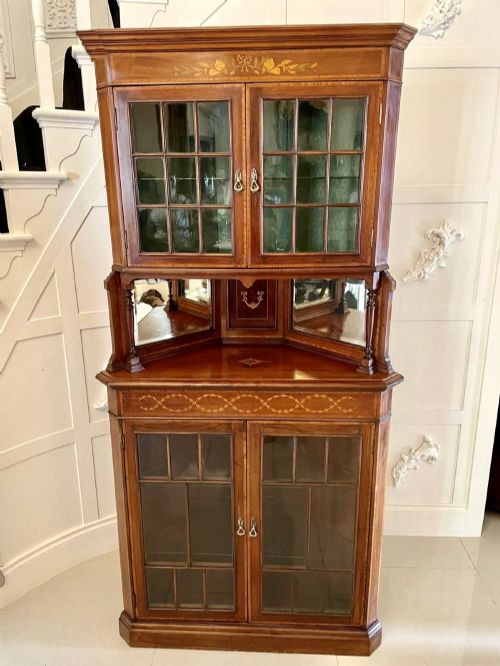
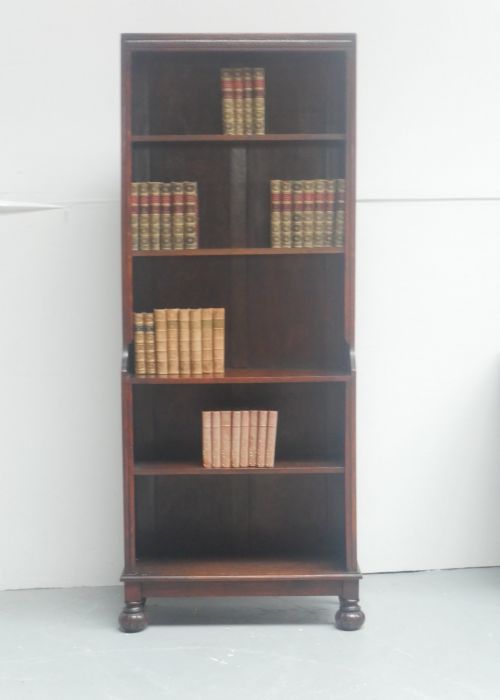
A revival display unit encompasses glazed cabinets, corner cupboards, open bookcases and wall shelves designed to showcase objects while drawing on historical aesthetics. When searching for a revival display unit, buyers encounter items ranging from compact Edwardian corner cabinets to larger Victorian bookcases.
The pieces emerge from several distinct periods, including the Victorian era, the Edwardian years and the early twentieth century. Makers of these items adopted historical idioms such as Georgian, Sheraton, Chippendale, Jacobean, Tudor and Regency, applying past decorative vocabularies to functional furniture.
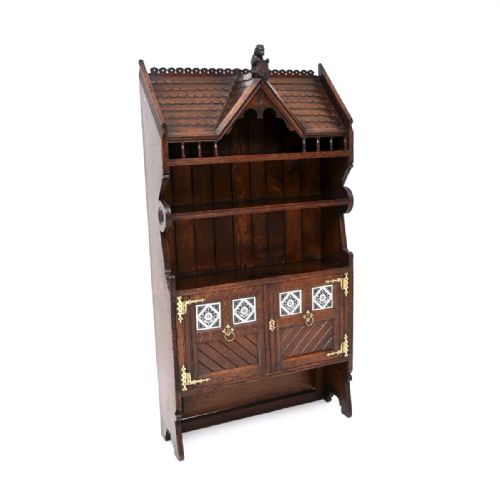
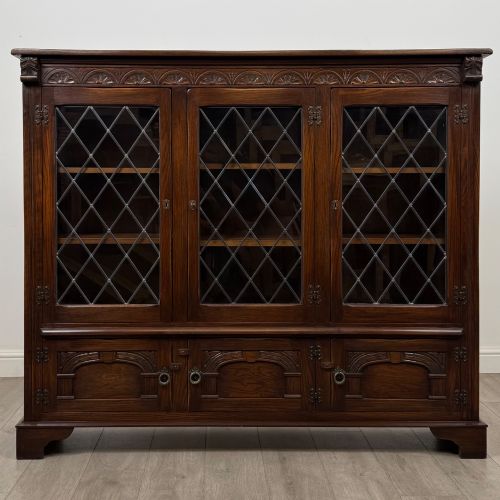
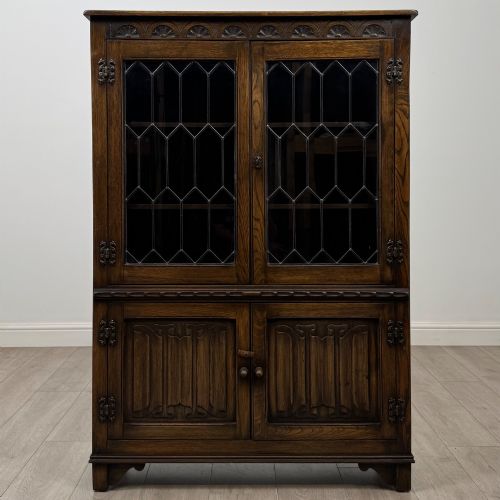
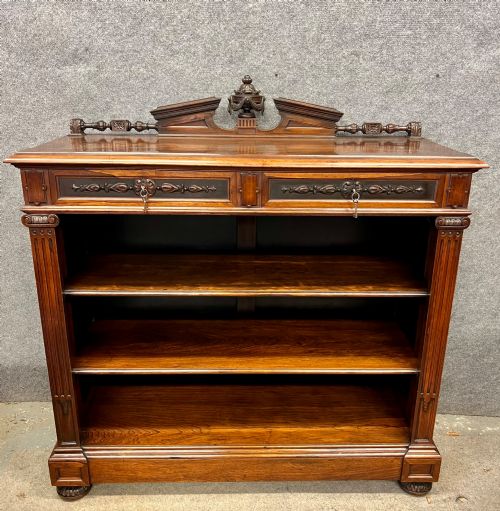
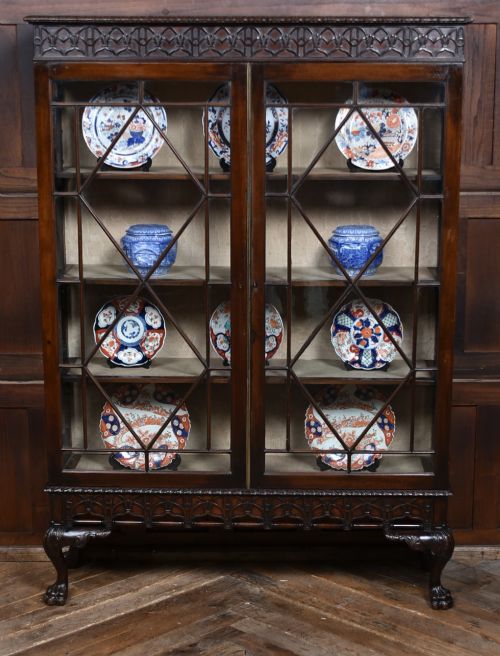
Forms vary from freestanding glazed vitrines and sideboards to wall-mounted shelves and whatnots. Oak and mahogany dominate the selection, often accompanied by glass panels, brass fittings and intricate inlay work.
How they were made
Makers constructed these cabinets using sturdy timbers such as oak, mahogany, walnut and rosewood, frequently incorporating secondary woods for internal elements. Timber selection dictated the structural integrity of the piece and provided a stable base for decorative treatments.
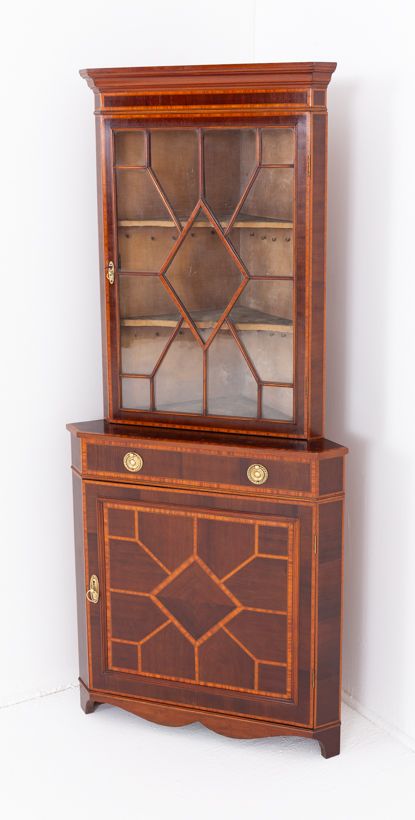
Surface ornamentation involved techniques like satinwood inlay, marquetry, carving and ebonising. Glazed doors utilised leaded or clear glass to protect contents, while brass hardware secured doors and drawers.
Carpenters joined sections using traditional woodworking methods appropriate to each stylistic revival, ensuring durability in forms ranging from heavy oak bookcases to delicate inlaid corner cabinets.
Revival Display Unit Retail Price Guide 2026
Typical asking prices for revival display unit among the pieces listed under this phrase on Sellingantiques today, from the lower quarter to the upper quarter. They describe what is for sale here now, not the wider market.
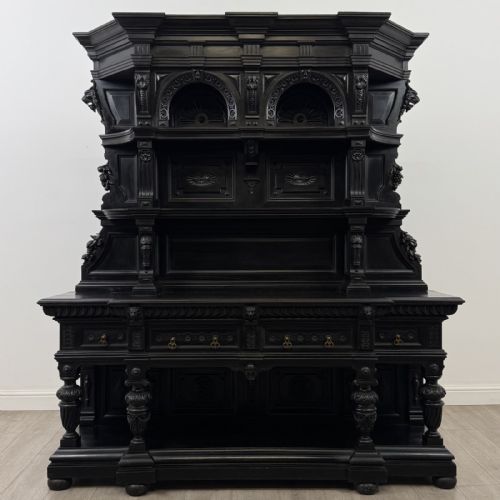
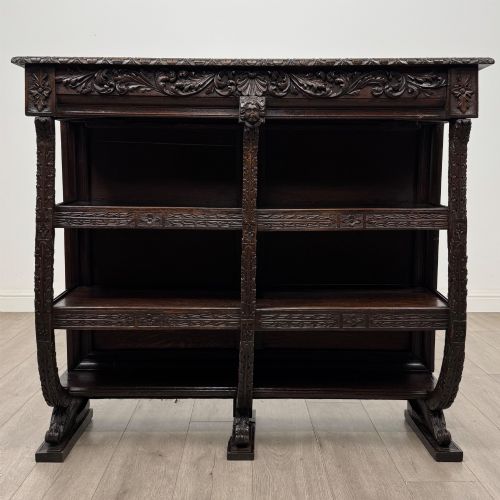
Lion masks stare steadfastly from heavy Victorian ebonised sideboards, keeping watch over centuries of accumulated books and china.
What varies in quality
The depth of hand-carved detail and the precision of inlay work distinguish finer examples from standard production items. Cabinets displaying crisp mouldings, balanced proportions and carefully selected timber veneers represent higher standards of cabinet-making.
The quality of glass, hardware and internal shelving construction also differentiates pieces. Original brass fittings, well-fitted leaded glass panels and solid timber backs indicate superior craftsmanship compared to later replacements or simpler utility builds.
John Moyr Smith
The Revival Display Unit Glossary
- Vitrine
- A glass-fronted cabinet designed for displaying porcelain, curiosities and objects of virtue. These pieces often feature mirrored backs to reflect light through the stored items.
- Marquetry
- The art of applying pieces of veneer to a structure to form decorative patterns and pictures. Makers used contrasting timbers to create floral or geometric motifs on cabinet doors.
- Whatnot
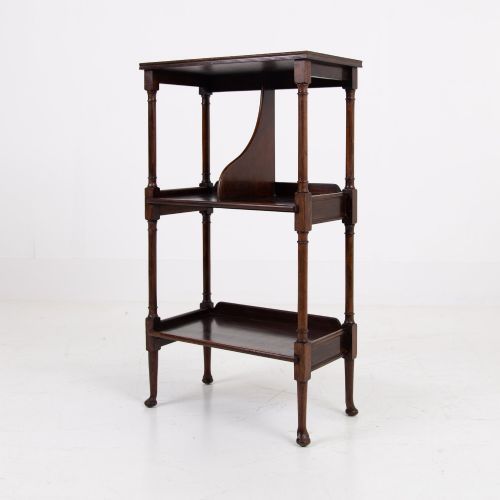
- An open set of tiered shelves used for displaying ornaments and small books. This form gained popularity in the nineteenth century as a versatile room accessory.
- Leaded glass
- Small panes of glass held together by strips of lead within a window or cabinet door. This technique permits intricate geometric or floral designs across the glazed surface.
Revival Display Unit: Frequently Asked Questions
What is a revival display unit?
A revival display unit is a piece of furniture built in a historical style, such as Georgian or Sheraton, during a later period like the Victorian or Edwardian eras.
These cabinets combine functional storage with decorative exhibition space, utilising traditional materials like oak and mahogany to recreate earlier aesthetic movements.
Where should I place a corner cabinet?
Corner cabinets fit neatly into unused room angles, making them practical for smaller spaces where floor area is limited.
They work well in dining rooms for china storage or in living spaces to showcase collections without obstructing walkways.
How do I distinguish between periods?
Distinguishing periods involves examining the timber, construction methods, and stylistic motifs present on the cabinet. Victorian pieces often feature heavier carved oak, while Edwardian revivals frequently incorporate lighter mahogany with delicate inlay work.
Hardware styles and interior construction details further clarify the date of manufacture.
How do I care for antique wood?
Antique wood benefits from stable room temperatures and protection from direct sunlight, which can fade polished surfaces and dry out timber.
Regular dusting with a soft cloth and occasional application of appropriate wax maintain the finish without building up residue.