

Revival Coffee Table
A revival coffee table brings historic design language into daily life through repurposed side tables, trays on stands and low occasional forms.
Revival Coffee Table
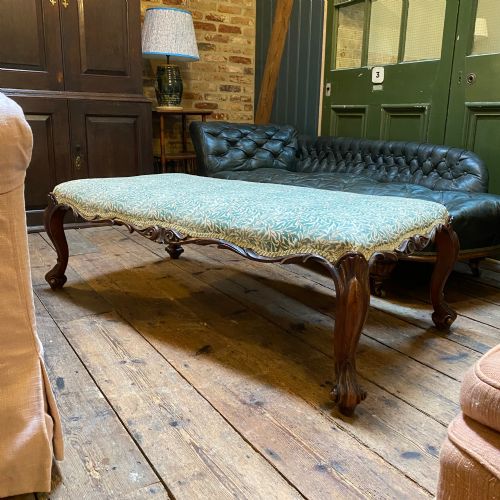
When you search for revival coffee table, you encounter low occasional forms, adapted tray tables and reduced side tables spanning the Victorian, Edwardian and early twentieth century periods. Many pieces originate as standard height tables or serving trays subsequently lowered or mounted on stands to suit modern domestic proportions.
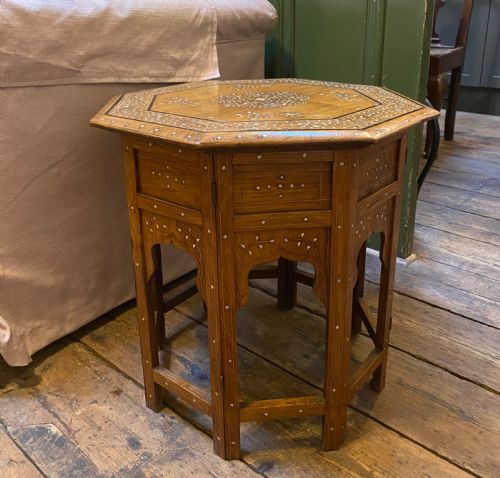
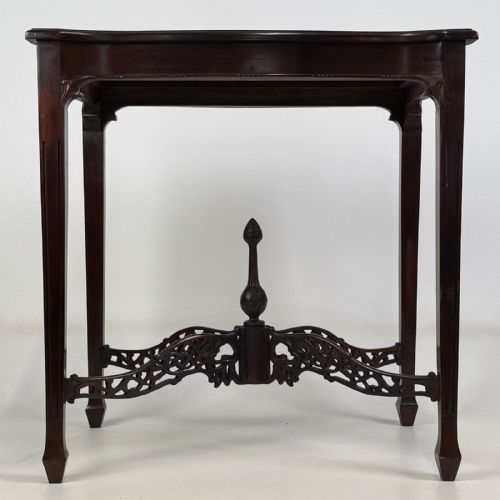
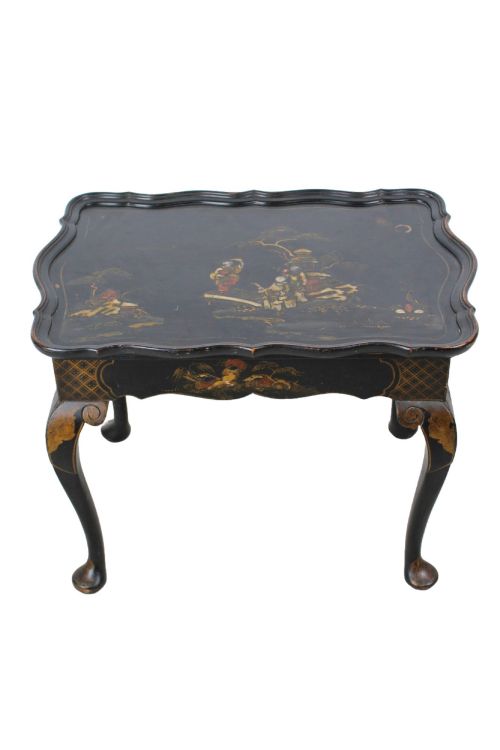
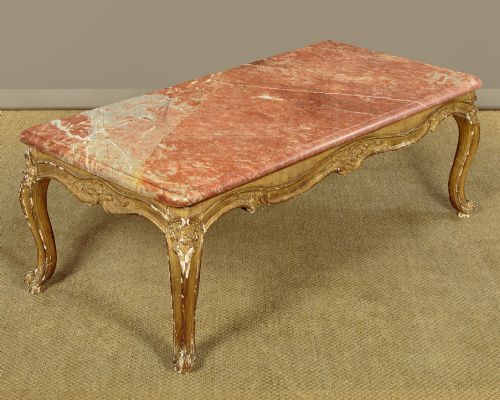
The selection encompasses diverse stylistic revivals, from Georgian and Regency forms to Moorish, Louis XV, and Gothic interpretations. Mahogany, oak and walnut dominate the structural timbers, often augmented by satinwood inlay, brass mounts or hand-painted decoration.
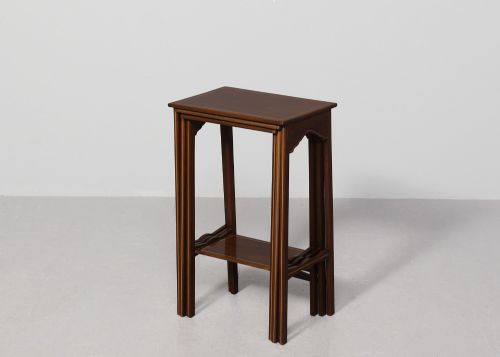
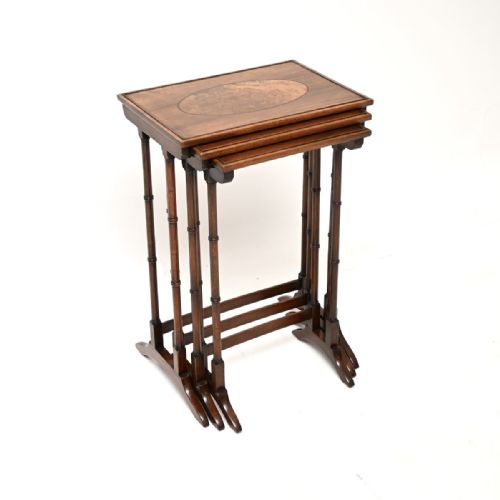
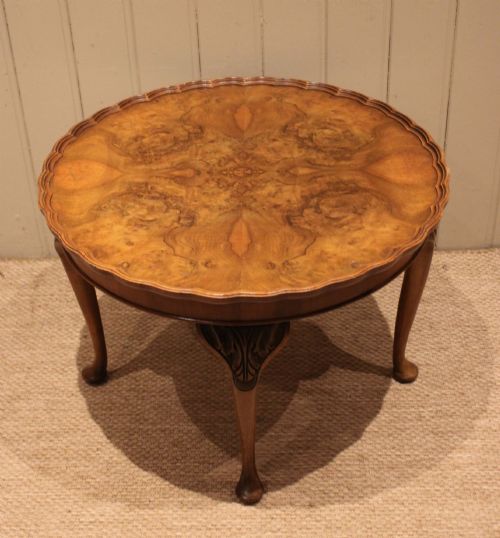
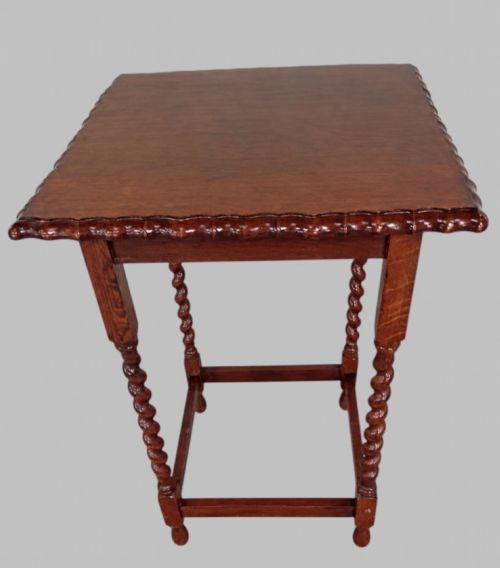
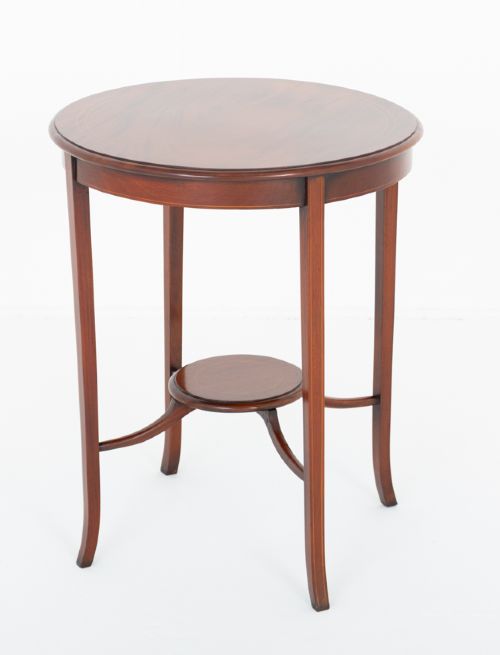
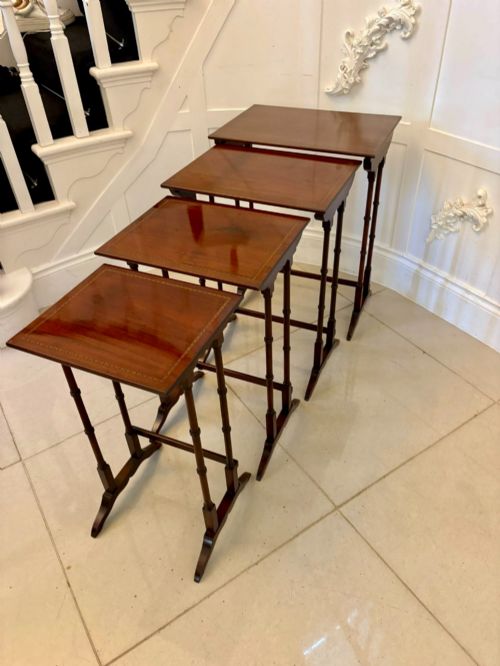
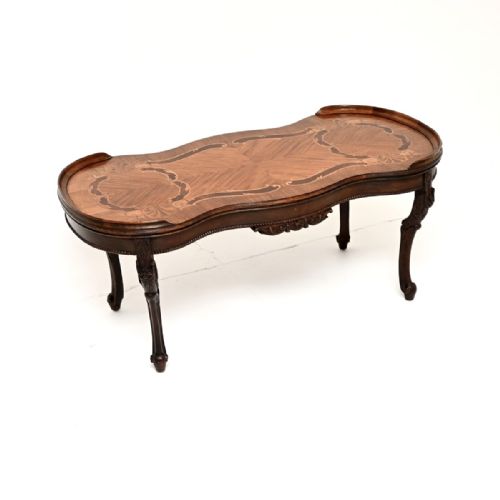
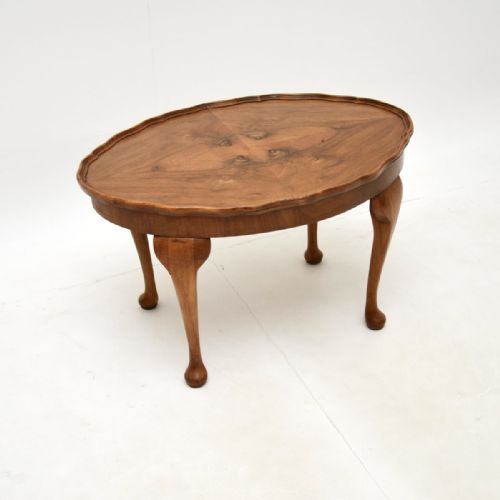
Forms vary from nests of tables and octagonal lamp tables to oval coffee tables and butlers trays on stands. These functional iterations reflect historical aesthetics filtered through nineteenth and early twentieth century craftsmanship.
How they were made
Cabinetmakers utilised solid hardwoods like oak, mahogany and walnut alongside exotic veneers such as satinwood and burr elm. Construction frequently involved traditional joinery techniques, including dovetailing for drawers and mortise and tenon joints for frames.
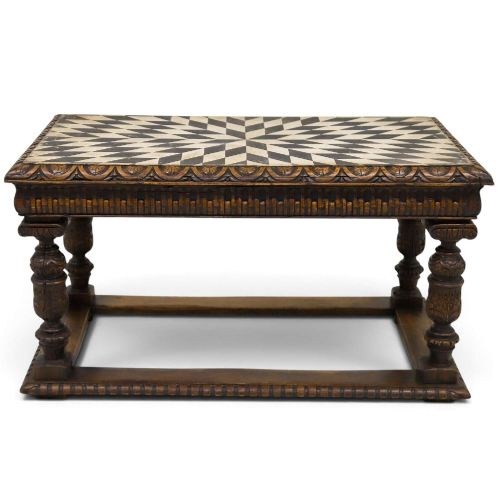
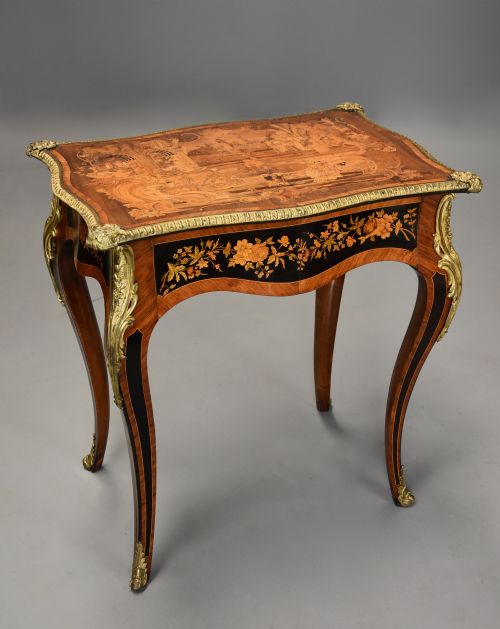
Decorative surface treatments included marquetry inlay, boxwood stringing, hand-carved stretchers, and applied giltwood or brass details. Tables finished with leather inserts, marble tops, or lacquered surfaces demonstrate the varied manufacturing traditions of the period.
Revival Coffee Table Retail Price Guide 2026
Typical asking prices for revival coffee table among the pieces listed under this phrase on Sellingantiques today, from the lower quarter to the upper quarter. They describe what is for sale here now, not the wider market.
Some tables double as travelling bars, hiding their beverage origins behind polite Victorian manners.
What varies in quality
The standard of timber selection and veneer matching defines the visual impact of each piece. Figured walnut, burr elm and finely grained mahogany indicate higher tier construction by skilled workshops.
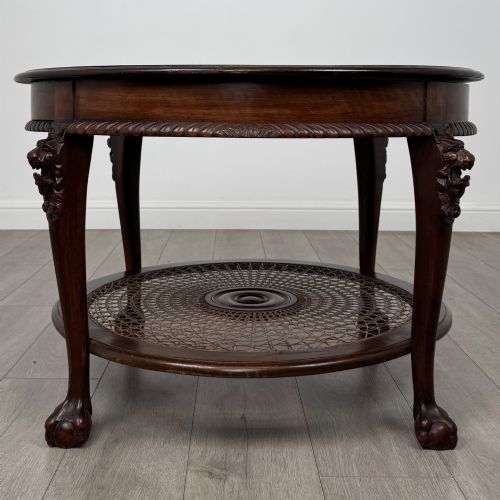
Execution of decorative details, from hand-carved claw and ball feet to precise marquetry inlay and engraved brass work, separates standard production items from finer examples. Structural integrity depends on the retention of original joinery and minimal alteration during any period adaptation.
Liberty and Co·Harrods
The Revival Coffee Table Glossary
- Quartetto nest
- A set of four graduating tables designed to slide beneath one another when not in use.
- Butlers tray
- A rectangular wooden tray with hinged or shaped sides, traditionally placed upon a folding X-frame stand to serve drinks or food.
- Marquetry
- Decorative patterns formed by the insertion of contrasting veneers into a wooden surface.
- Pie crust
- A carved, raised rim on a circular table top featuring alternating curves and scallops.
- Stretcher
- A horizontal support connecting the legs of a table to increase structural stability.
Revival Coffee Table: Frequently Asked Questions
What is a revival coffee table?
A revival coffee table is typically an antique occasional table, tray on stand, or side table from the Victorian or Edwardian eras that has been adapted to a lower height for modern seating.
These pieces borrow historical design motifs from Georgian, Regency, or Louis XV styles while serving a contemporary function in the living room.
How do I style a nest of tables?
A nest of tables can be arranged together to create tiered surface space or separated around a room next to armchairs and sofas as needed.
Their compact footprint makes them practical for smaller spaces where extra surface area is occasionally required.
Are these tables solid wood?
Many revival tables utilise solid timbers such as oak, mahogany, or walnut, particularly for structural legs and frames.
Finer decorative surfaces often feature timber veneers and intricate inlay work laid over a stable secondary wood base.
How do I care for antique wood tables?
Protect wooden surfaces from direct sunlight and excessive moisture by using coasters and avoiding placement near heat sources.
Regular dusting with a soft cloth and occasional application of appropriate furniture wax maintains the finish of the timber.