




Reverse Glass Mirror
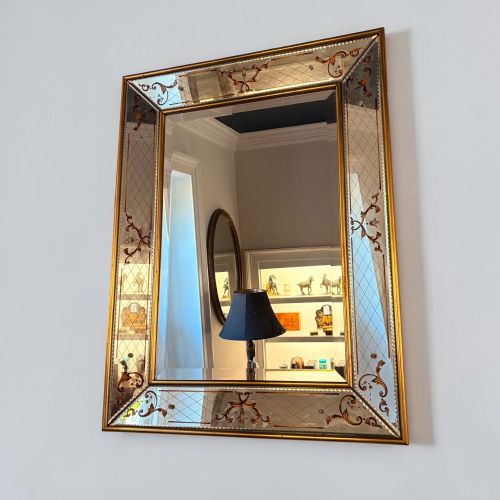
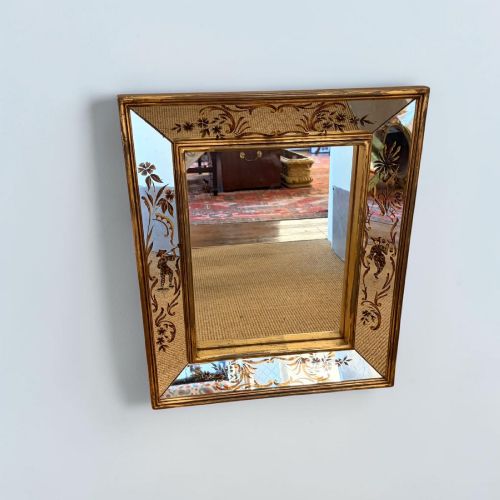
These reverse glass mirror pieces combine painted panels and reflective plates, offering striking decorative presence for any room.
Reverse Glass Mirror
When you search for a reverse glass mirror, you are looking at wall hanging items that combine reflective glass with detailed paintings or prints applied directly to the rear surface. These pieces span several centuries, with examples appearing from the Georgian, Regency, and Victorian eras through to the Edwardian period and the early twentieth century.
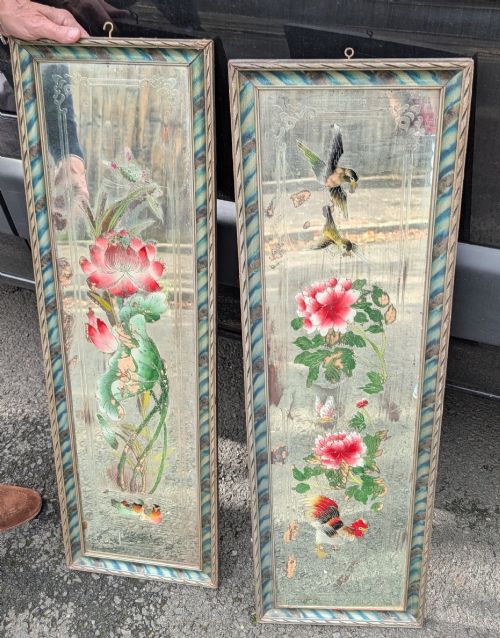
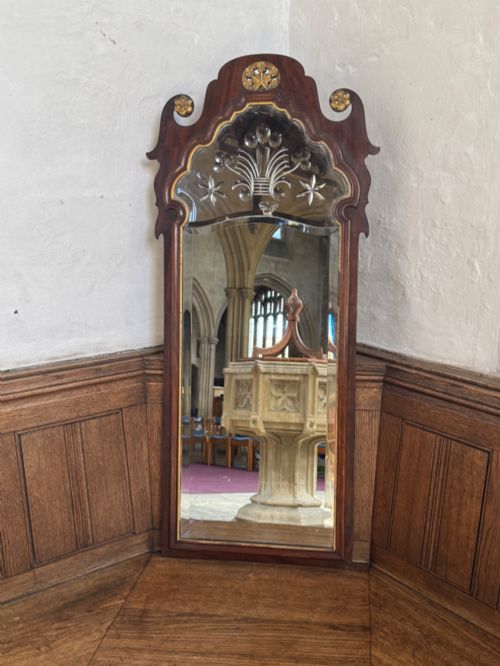
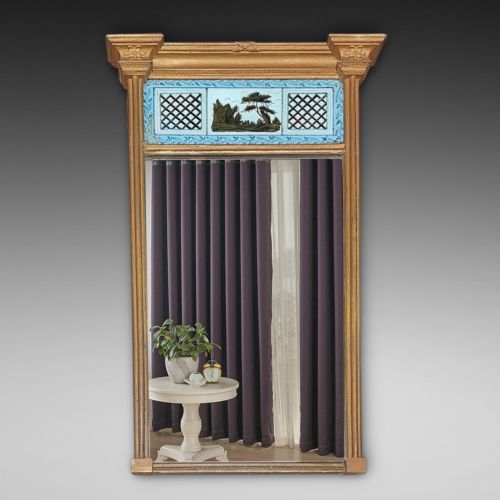
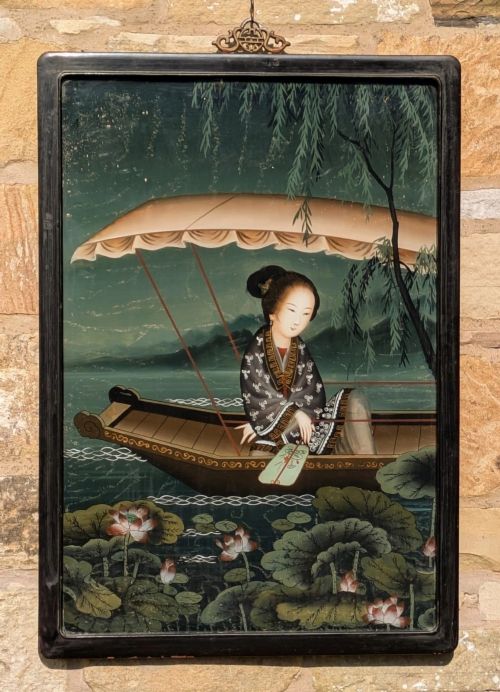
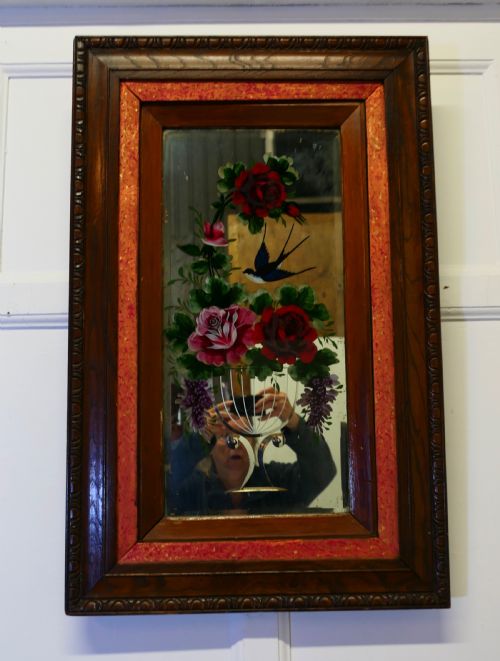
The items on this page include pier mirrors, trumeau mirrors with eglomisé panels, Chinese export works, decorative wall art, and advertising signs. You are most likely to meet nineteenth-century Chinese export trade pieces, Regency giltwood pier mirrors, and Victorian or Edwardian decorative wall mirrors.
Forms range from simple maple-framed divided sections and gypsy style painted mirrors to elaborate parcel gilt pier mirrors and large wall art panels. Each object uses the technique of painting or gilding on the reverse side of the glass to create a finished front view with distinct depth.
How they were made
Maker workshops utilised glass, wood, paint, giltwood, mirror glass, gold leaf, oak, and brass to construct these items. The physical creation involved applying paint, gold leaf, or reverse cut details directly onto the back of the glass plate before framing it.
Frames were built from materials such as oak, maple, and giltwood, often housing divided sections that separated the mirror glass from the painted eglomisé panel. Brass fittings and secondary wood backings completed the structural assembly of these wall hanging pieces.
Listings feature items from the eighteenth, nineteenth, and early twentieth centuries, constructed using wood, glass, paint, giltwood, gold leaf, oak, and brass.
What varies in quality
The distinction between standard examples and finer items rests in the intricacy of the hand-painted details on the glass and the execution of the carved or gilded frames. Regency giltwood pier mirrors and early nineteenth-century Chinese export works demonstrate sophisticated brushwork and precise reverse cutting.
Workmanship in the framing and the preservation of the original gold leaf or paint layers determine the overall standard of a piece. Items featuring specialised subjects, such as naval engagements or detailed dignity portraits, show greater artistic ambition than standard commercial advertising signs.
The Reverse Glass Mirror Glossary
- Verre eglomise
- A cold decoration technique where design work is applied to the reverse of glass using gold or silver leaf and paint. This method produces a reflective, metallic finish when viewed from the front.
- Pier mirror
- A tall wall mirror designed to hang on the pier, the solid wall space between windows. These pieces often incorporate decorative panels above the main glass plate.
- Trumeau
- A wall mirror paired with a painted or carved panel situated above the glass. In these listings, trumeau pieces frequently feature eglomisé work.
- Chinese export
- Goods manufactured in China specifically for Western markets, often combining traditional eastern painting techniques with European furniture forms.
- Gypsy style mirror
- A decorative wall mirror style popular in the Edwardian period and the early twentieth century, characterised by painted wooden frames and eclectic ornamentation.
Reverse Glass Mirror: Frequently Asked Questions
Where should I hang a reverse glass mirror?
These pieces suit positions above mantelpieces, in hallways, or on feature walls where their reflective surfaces and painted panels catch the light. Their wall hanging formats make them effective focal points in reception rooms.
Consider the scale of the frame and the subject of the painted panel when positioning the item to ensure it complements the surrounding interior space.
How do I clean a reverse glass mirror?
Clean the front glass gently using a soft cloth and a mild glass cleaner, taking care not to let liquid seep behind the edges of the frame. Avoid harsh chemicals that could damage antique wood or gilt surfaces.
Because the paint and gold leaf are applied to the reverse side of the glass, the rear painted panel must remain undisturbed and protected from moisture.
What is a pier mirror?
A pier mirror is a vertical wall glass traditionally hung on the narrow wall space between two windows. Nineteenth-century examples often include carved giltwood frames and upper eglomise panels.
These tall formats were designed to reflect light back into rooms during periods before modern electric lighting.
How do I identify Chinese export pieces?
Chinese export items typically feature hand-painted scenes on glass depicting figures, landscapes, or trade subjects created for the Western market. They date primarily from the eighteenth and nineteenth centuries.
The materials and framing often combine Eastern painting methods with European decorative conventions of the period.