




Retro Wooden Storage
Retro wooden storage units bring practical character into a room, offering sturdy oak, mahogany, and walnut forms designed to keep household belongings neatly out of sight.
Retro Wooden Storage
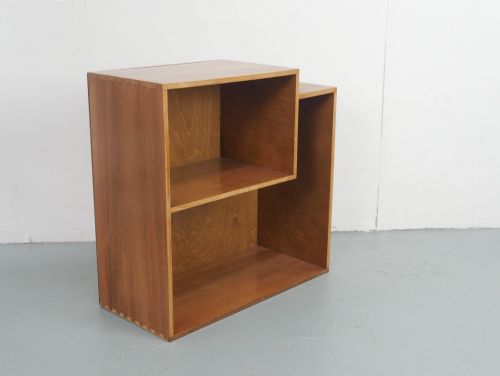
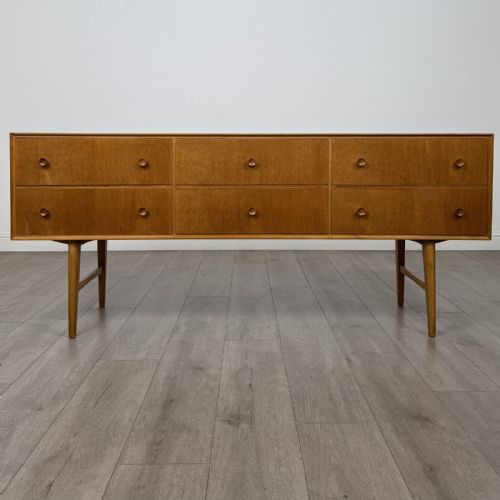
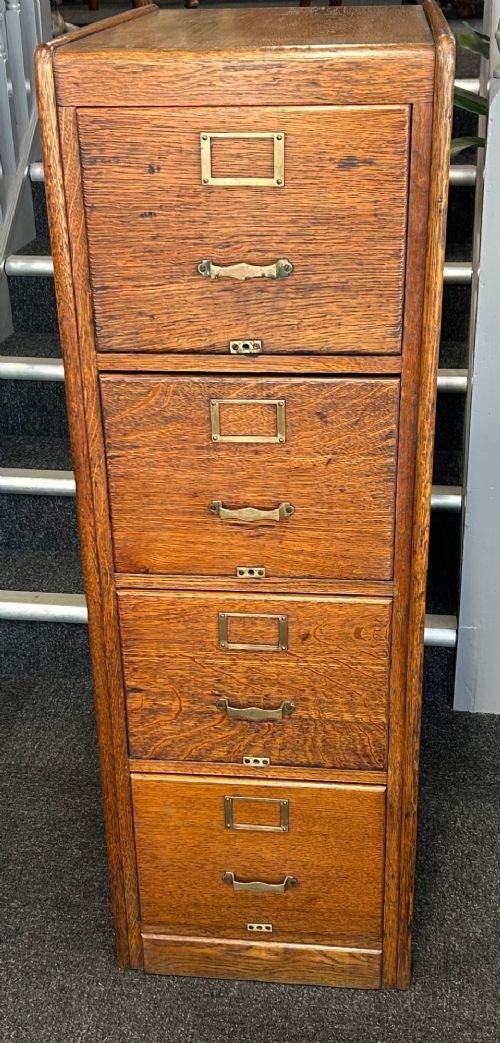
When you search for retro wooden storage, you encounter a practical mix of vintage filing cabinets, chests of drawers, bookcases, and sideboards originating from the early twentieth century through to the mid-century period. The pieces on this page span styles from Edwardian practicality and Art Deco geometry to early utility designs and mid-century modern lines.
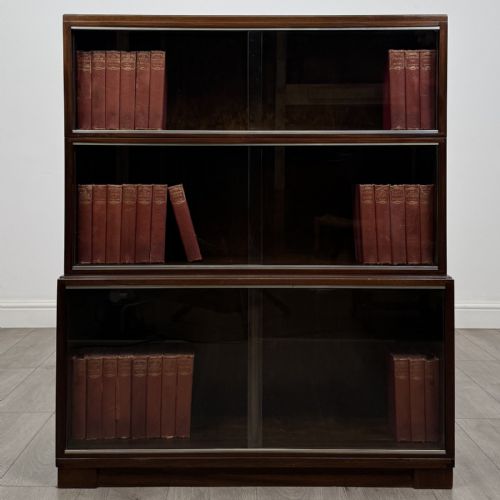
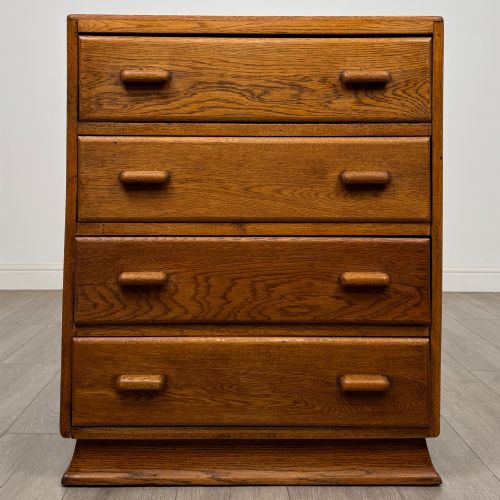
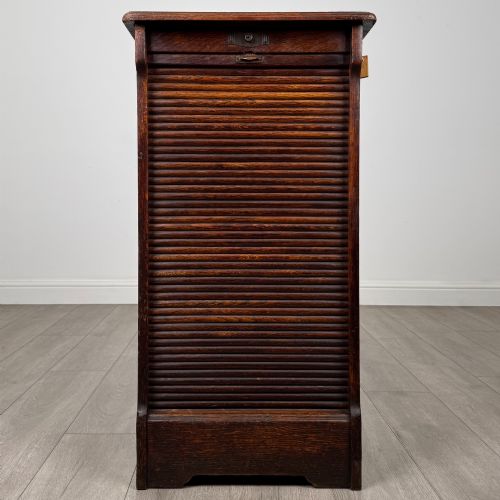
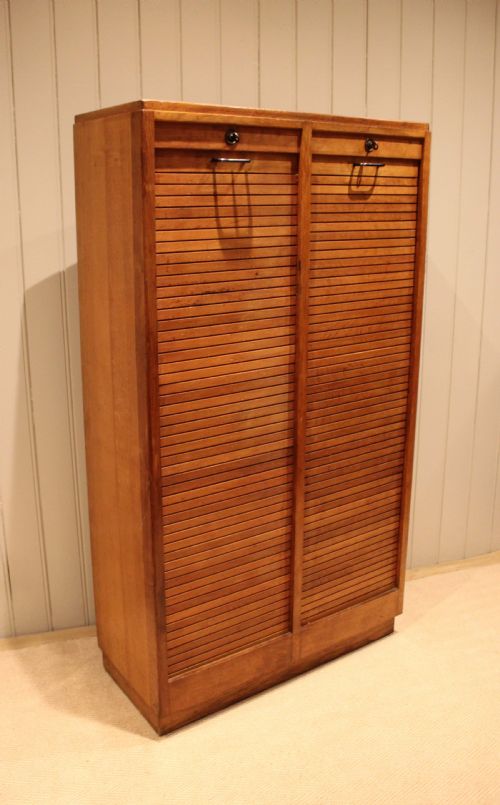
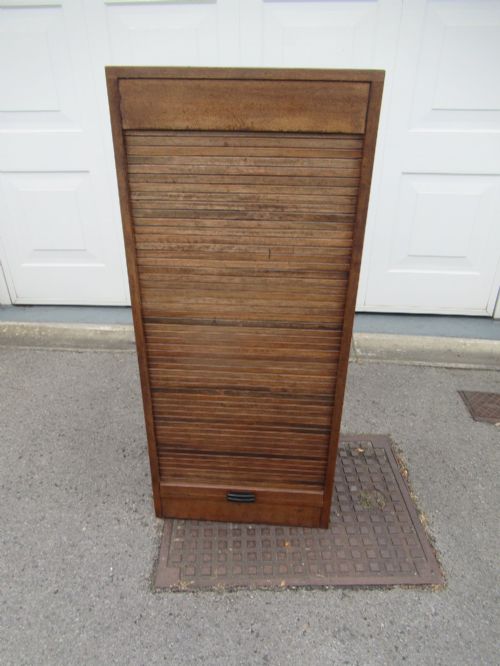
You are most likely to meet oak and mahogany pieces, ranging from tambour-front office cabinets with slatted wooden shutters to multi-drawer chests and display cases with sliding glass doors. These items combine everyday domestic utility with distinct period craftsmanship.
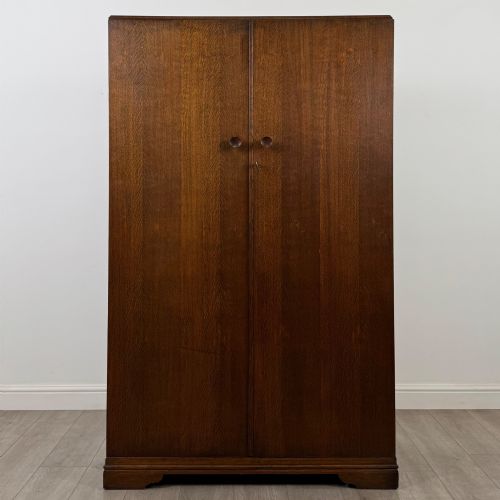
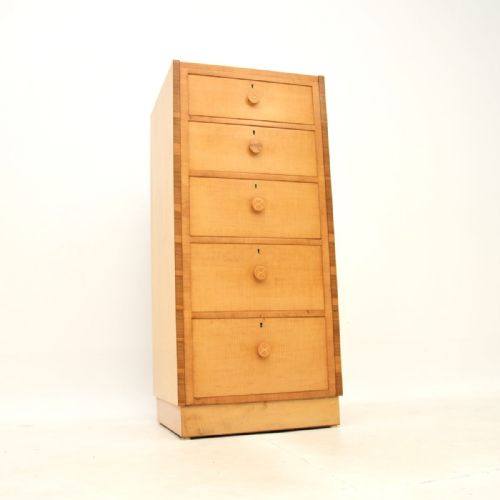
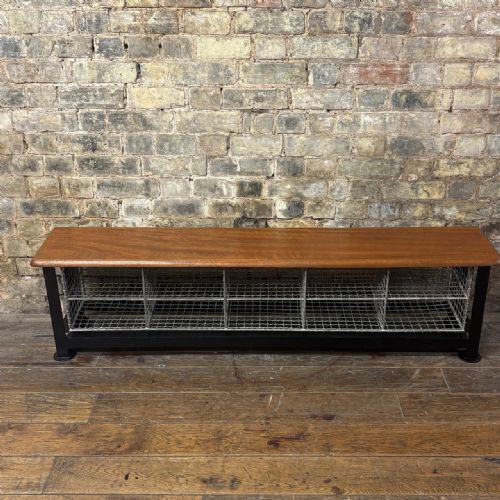
The selection also includes specialised storage such as haberdashery display cases, cigar humidors, sewing tables, wardrobes, and gym benches. Each form serves a specific organisational function while displaying the natural grain of woods like walnut, teak, and sycamore.
How they were made
Cabinet makers built these pieces using solid timbers like oak, mahogany, and walnut, often applying wood veneer over secondary bases to create figured patterns on drawer fronts and cabinet doors. Brass and other metal hardware, including original handles, locks, and brackets, reinforced structural joints and added functional detail.
Tambour construction formed flexible doors from narrow wooden slats glued to canvas backings, allowing the shutters to slide smoothly around curved tracks on office filing cabinets and cupboards. Glass panes, fitted shelving, and sliding door mechanisms further defined the construction of display cases and bookcases from the 1910s to the 1950s.
Retro Wooden Storage Retail Price Guide 2026
Typical asking prices for retro wooden storage among the pieces listed under this phrase on Sellingantiques today, from the lower quarter to the upper quarter. They describe what is for sale here now, not the wider market.
Listings span periods from Edwardian times through the 1910s, 1920s, 1930s, and 1940s to the 1950s, utilising oak, mahogany, walnut, teak, and brass.
What varies in quality
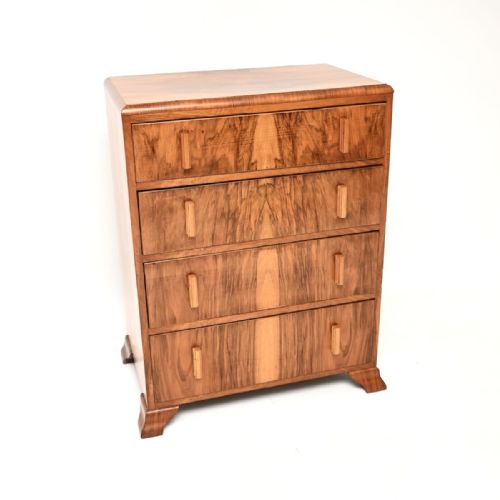
The grade of timber and the complexity of the cabinetry distinguish standard utility furniture from pieces produced by notable makers or design houses. Figured walnut veneers, book-matched grain patterns, and specialised mechanisms like double tambour fronts elevate the sophistication of a cabinet.
Original hardware, such as branded locks, intact brass handles, and working sliding glass doors, preserves the integrity of the piece. The precision of the joinery and the condition of interior shelving determine whether a chest of drawers or bookcase maintains its original character.
Crown Furniture·Hille·Bowman Brothers·Alfred Dunhill·Phoenix Gallery
The Retro Wooden Storage Glossary
- Tambour
- A flexible door or shutter made of narrow wooden strips attached to a fabric backing. It slides along a track to conceal storage compartments in desks and filing cabinets.
- Breakfront
- A piece of furniture where the central section projects forward from the flanking sections. This configuration adds architectural depth to large bookcases and sideboards.
- Haberdashery
- Commercial display cabinetry originally utilised in shops to organise small sewing goods and accessories. These cases typically feature multiple glass-fronted drawers or compartments.
Retro Wooden Storage: Frequently Asked Questions
How do I identify Art Deco storage?
Art Deco storage pieces display geometric forms, symmetrical lines, and figured walnut or sycamore veneers. They often feature clean surfaces without heavy ornamentation.
Such cabinets and chests reflect the modern design movements of the 1930s.
Are these cabinets suitable for modern homes?
These wooden storage pieces provide functional organisation for modern living spaces while adding historical character. Items like chests of drawers and bookcases fit easily into contemporary bedrooms and living rooms.
Their varied woods and vintage finishes complement both traditional and modern interiors.
What woods were commonly used?
Makers relied heavily on oak, mahogany, and walnut for their durability and attractive grain patterns. Lighter woods like sycamore and teak also appear in mid-century designs.
Metal and brass hardware frequently supplemented the wooden construction.