



Retro Wooden Furniture
Retro wooden furniture brings functional character into a modern interior through honest materials and enduring mid-century and early twentieth-century design.
Retro Wooden Furniture
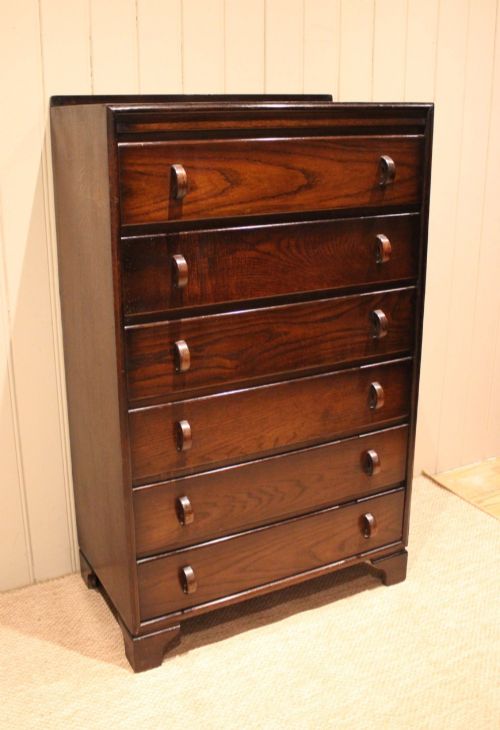
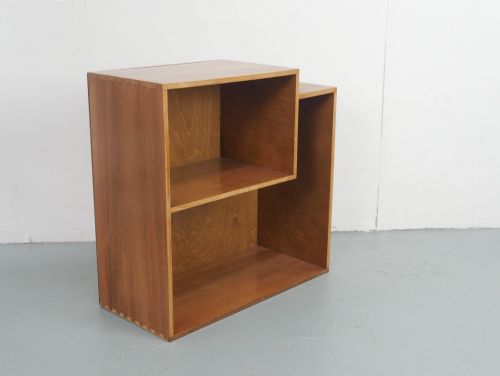
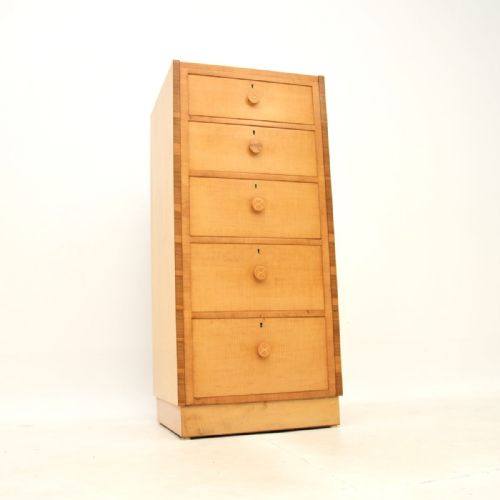
Retro wooden furniture encompasses practical storage, seating and display pieces spanning the early twentieth century through to the nineteen-fifties. Buyers seeking retro wooden furniture will frequently encounter office storage, wardrobes and chests of drawers rooted in Art Deco, Mid-Century Modern and Edwardian styles.
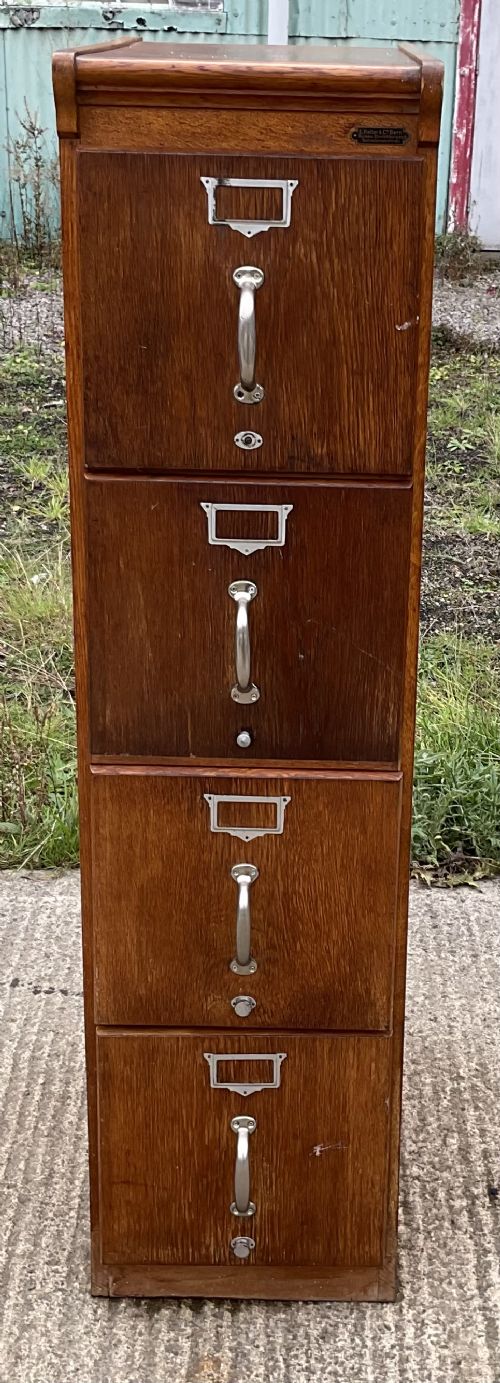
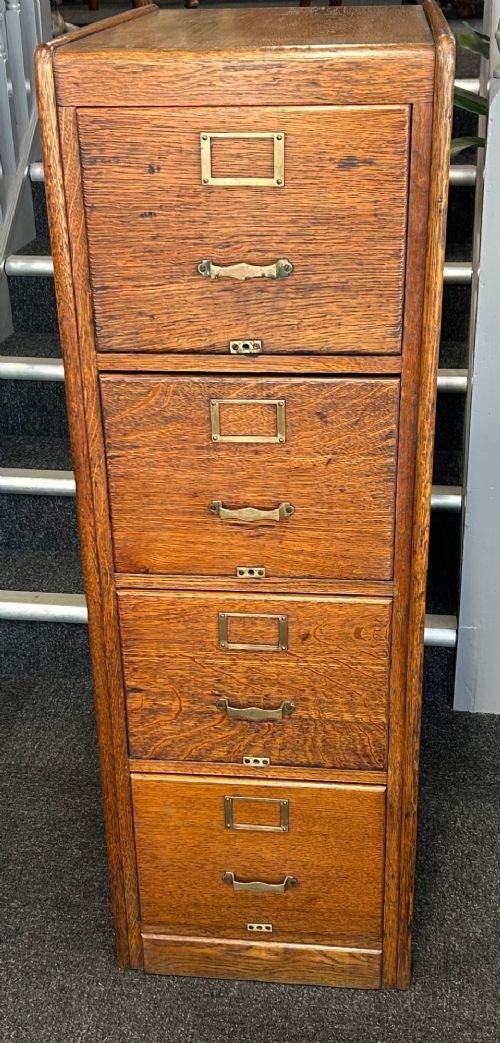
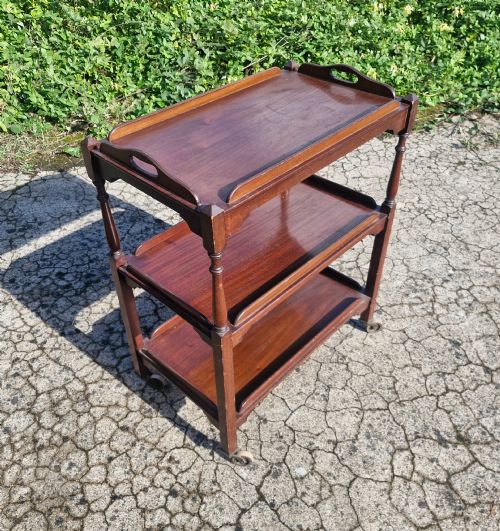
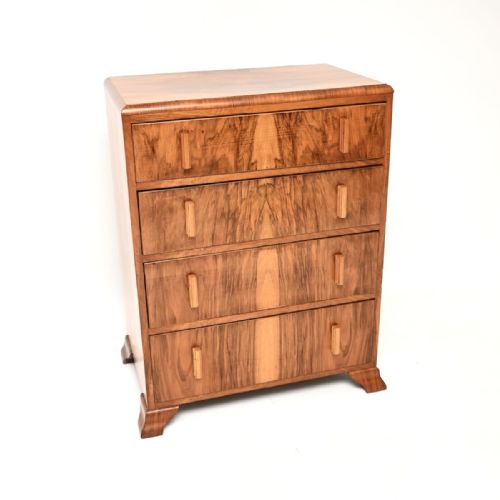
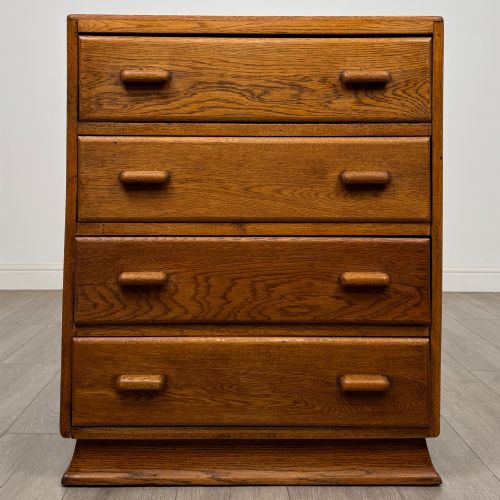
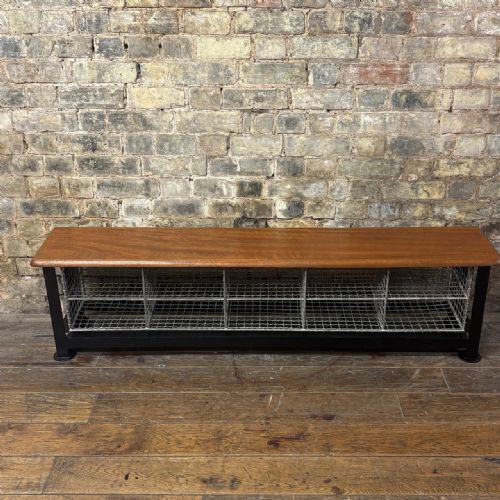
The selection ranges from oak filing cabinets and walnut chests to tea trolleys and railway station benches. Pieces from the nineteen-thirtys and nineteen-twenty dominate, alongside Edwardian designs and utilitarian office pieces.
How they were made
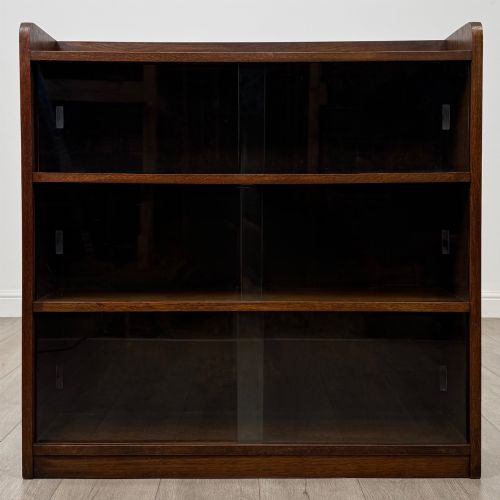
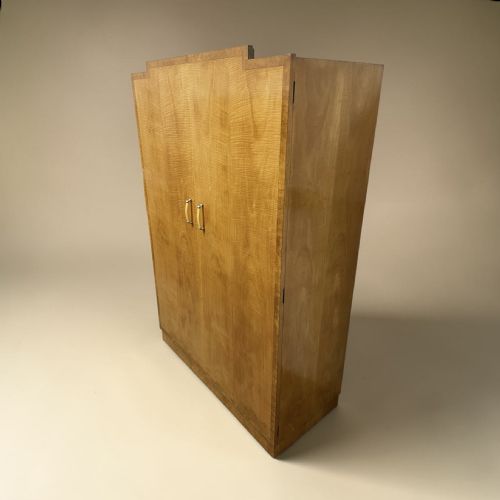
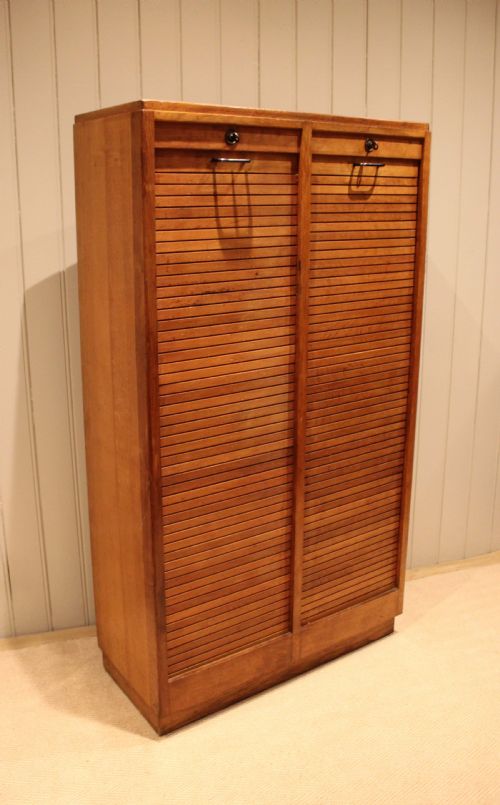
Construction relies heavily on solid oak and walnut, often enhanced with figured walnut or sycamore veneers to create striking grain patterns on drawer fronts and cabinet doors. Tambour mechanisms, sliding glass doors and original wooden handles demonstrate the mechanical ingenuity applied to utilitarian and domestic forms alike.
Metal and brass hardware integrate with timber bodies, particularly on office filing cabinets and industrial seating. Finishes highlight the natural warmth of the wood while accommodating the functional demands of schools, offices and domestic spaces.
Retro Wooden Furniture Retail Price Guide 2026
Typical asking prices for retro wooden furniture among the pieces listed under this phrase on Sellingantiques today, from the lower quarter to the upper quarter. They describe what is for sale here now, not the wider market.
Listings feature oak, walnut, sycamore and mixed veneers combined with glass and metal hardware across diverse periods.
What varies in quality
Quality rests in the selection of timber veneers, the integrity of specialised mechanisms like tambour shutters and sliding doors, and the presence of maker attribution. Pieces bearing workshop labels or originating from notable firms demonstrate superior cabinet-making standards.
Subtleties in handle design, timber matching across drawer banks and the durability of original hardware distinguish standard commercial production from finer designer pieces.
Crown Furniture·Hille·Bowman Brothers·Phoenix Gallery·Collinsons
The Retro Wooden Furniture Glossary
- Tambour
- A flexible shutter made from narrow strips of wood glued to canvas, allowing doors to slide smoothly around curved cabinet corners.
- Pedestal desk
- A heavy office desk featuring twin banks of drawers supporting a single top surface.
- Tea trolley
- A small mobile serving cart, frequently equipped with removable trays for entertaining.
Retro Wooden Furniture: Frequently Asked Questions
How do I date retro wooden furniture?
Dating relies on stylistic markers such as geometric Art Deco veneers, Edwardian architectural details, or utilitarian nineteen-forties construction methods.
Examining construction joints, hardware materials and any maker labels helps narrow the decade of manufacture.
Are tambour cabinets difficult to maintain?
Tambour fronts operate via wooden slats on fabric backing that slide along recessed tracks within the cabinet carcass.
Keeping the tracks clean and applying suitable wax ensures the mechanism moves smoothly without sticking.
How do I incorporate office pieces at home?
Vintage filing cabinets and pedestal desks provide practical storage that anchors a living room or study with industrial character.
Their solid timber construction allows them to function as striking standalone focal points among modern furnishings.
What is the difference between oak and walnut pieces?
Oak offers a visible, durable grain suited to sturdy Edwardian wardrobes, benches and utilitarian office furniture.
Walnut and its figured veneers provide a darker, more decorative surface favoured in Art Deco dining sets and chests.